
No Bake Cookies I

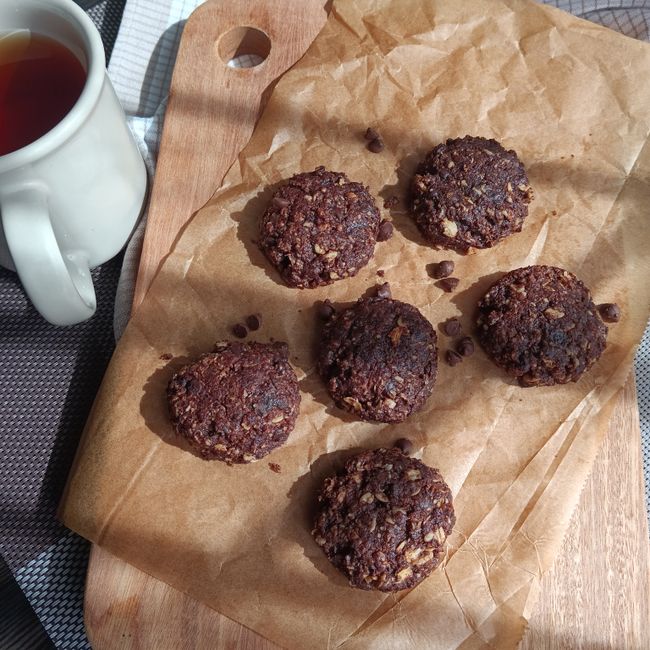
The Ultimate Guide to No-Bake Cookies: Effortless Sweet Treats for Every Occasion
No-bake cookies represent a culinary triumph of simplicity and satisfaction. These delightful confections bypass the oven entirely, relying on a clever combination of ingredients that set or firm up at room temperature or in the refrigerator. This accessibility makes them ideal for novice bakers, busy individuals, or anyone craving a sweet indulgence without the commitment of preheating and monitoring an oven. The core of most no-bake cookie recipes involves melting sugar, butter, and liquids together, then incorporating ingredients like oats, peanut butter, cocoa powder, and various flavorings. The resulting mixture is then dropped by spoonfuls onto wax paper or parchment paper to cool and firm. The beauty of no-bake cookies lies not only in their ease of preparation but also in their versatility. From classic chocolate peanut butter oat varieties to more adventurous flavor profiles, the possibilities are virtually endless, catering to diverse palates and dietary needs. Understanding the fundamental principles behind their creation unlocks a world of delicious and effortless sweet treats.
The Science Behind the Set: How No-Bake Cookies Achieve Their Structure
The magic behind no-bake cookies lies in the physical transformation of ingredients through heat and subsequent cooling. At its heart, the process involves creating a sugar syrup. When sugar, butter, and liquid (typically milk or water) are heated together, the sugar crystals dissolve, forming a homogenous liquid. This liquid is crucial. As it heats, it reaches different stages based on its sugar concentration and temperature, often referred to as "soft-ball," "firm-ball," or "hard-ball" stages, depending on the desired final texture. For most no-bake cookies, a temperature around 220-235°F (104-113°C) is targeted. This temperature ensures enough water has evaporated from the syrup, concentrating the sugar. When this hot syrup is combined with ingredients like oats and peanut butter, the sugar acts as a binder. As the mixture cools, the sugar syrup hardens, encasing the other ingredients and creating a cohesive, firm cookie.
Peanut butter plays a dual role in many no-bake cookie recipes. Its fat content contributes to the overall texture and mouthfeel, preventing the cookies from becoming too dry or crumbly. More importantly, peanut butter contains emulsifiers that help to bind the ingredients together, especially when combined with the sugar syrup. The proteins and fats in peanut butter help to create a stable matrix that holds the oats and other additions in place as the cookies cool.
Oats are the backbone of many popular no-bake cookie recipes, providing bulk, texture, and a slightly chewy characteristic. Rolled oats (also known as old-fashioned oats) are generally preferred over instant oats, as they hold their shape better and contribute a more satisfying chew. The starch in the oats absorbs some of the moisture from the sugar syrup, further contributing to the cookie’s structure.
The role of butter is primarily to provide richness and contribute to the overall texture. Its fat content helps to create a smoother, more palatable cookie and aids in the setting process by solidifying as it cools.
Cocoa powder, when used, adds the characteristic chocolate flavor and a slightly bitter counterpoint to the sweetness. It also contributes a small amount of starch, which can subtly affect the texture.
The process of cooling is just as important as the cooking. As the hot mixture cools, the dissolved sugar begins to crystallize, forming a matrix that traps the other ingredients. Refrigeration significantly speeds up this process, ensuring the cookies firm up quickly and achieve their desired texture before the sugar can recrystallize into a grainy or undesirable form. Understanding these scientific principles allows for troubleshooting and recipe adaptation. For instance, if cookies are too soft, it might indicate the syrup wasn’t heated to a high enough temperature, or too much liquid was used. If they are too hard and brittle, the syrup may have been overcooked.
Essential Ingredients for Classic No-Bake Chocolate Peanut Butter Oat Cookies
The iconic no-bake cookie, often a nostalgic childhood favorite, typically features a harmonious blend of readily available pantry staples. At its core, this classic recipe relies on the synergistic interaction of several key ingredients to create its signature chewy, fudgy texture and rich flavor.
Sugar (granulated): The foundation of the sweet syrup, granulated sugar provides the necessary sweetness and the binding agent that holds the cookie together. Its crystalline structure, when dissolved and re-solidified, creates the characteristic chewiness.
Butter: Unsalted butter is generally preferred to control the salt content. Butter contributes richness, a smooth mouthfeel, and helps the cookies firm up as they cool due to its solid fat content.
Milk (or water): The liquid component of the syrup. Milk adds a touch more richness and a subtle creaminess compared to water, though water can be used as a substitute in a pinch. The amount of liquid directly influences the final texture; too much can result in softer cookies, while too little can lead to crumbly ones.
Cocoa Powder: Unsweetened cocoa powder is essential for that classic chocolate flavor. The type of cocoa powder (natural or Dutch-processed) can slightly alter the flavor and color. Dutch-processed cocoa tends to be darker and milder.
Peanut Butter: Creamy or crunchy peanut butter can be used, depending on preference. Peanut butter is crucial for its binding properties, flavor, and its contribution to a fudgy texture. The oils in peanut butter help emulsify the mixture.
Vanilla Extract: A universal flavor enhancer, vanilla extract rounds out the chocolate and peanut butter flavors, adding depth and complexity.
Rolled Oats (Old-Fashioned Oats): These provide the bulk and characteristic chewy texture of the cookie. Rolled oats absorb the syrup and firm up, creating a satisfying bite. Instant oats are not recommended as they can become mushy.
Salt: A pinch of salt is vital to balance the sweetness and enhance the other flavors. It prevents the cookies from tasting one-dimensionally sweet.
These ingredients, when combined in the correct proportions and processed correctly, yield a delightful cookie that requires no oven time and minimal fuss. Understanding the role of each ingredient is key to successful no-bake cookie making.
Mastering the Method: Step-by-Step Guide to Perfect No-Bake Cookies
Achieving consistently delicious no-bake cookies is a straightforward process that hinges on precise timing and temperature control during the cooking phase. The following steps outline the general method for creating classic chocolate peanut butter oat no-bake cookies, a foundation upon which countless variations can be built.
-
Preparation of the Surface: Before you begin cooking, line baking sheets or clean countertops with wax paper or parchment paper. This prevents the cookies from sticking and makes for easy removal once they have set. Ensure you have ample space, as you will be working relatively quickly once the mixture is ready.
-
Combine Wet Ingredients and Sugar: In a medium-sized saucepan, combine the sugar, butter, milk (or water), and cocoa powder. If you’re using a recipe that calls for salt, add it at this stage as well. Stir these ingredients together until well combined.
-
Bring to a Boil: Place the saucepan over medium heat. Stir continuously, scraping the bottom and sides of the pan to prevent scorching. As the mixture begins to heat, the butter will melt, and the sugar will dissolve. Continue stirring until the mixture reaches a rolling boil.
-
Boil for a Specific Time: Once the mixture reaches a rolling boil, reduce the heat slightly to maintain a steady, vigorous boil. This is the crucial stage for developing the correct sugar syrup consistency. Most recipes will specify a boiling time, typically between 1 to 3 minutes. Crucially, do not stir vigorously during this boiling period. Stirring too much can cause premature crystallization. Instead, simply ensure the boil is consistent. A candy thermometer can be very helpful here to ensure accuracy, aiming for a temperature between 220-235°F (104-113°C). This temperature range is often referred to as the "soft-ball" to "firm-ball" stage, which is perfect for chewy no-bake cookies.
-
Remove from Heat and Add Flavorings: Once the specified boiling time has elapsed (or the target temperature is reached), immediately remove the saucepan from the heat. Carefully stir in the vanilla extract and peanut butter until they are fully incorporated and the mixture is smooth. The residual heat will melt the peanut butter and distribute it evenly.
-
Incorporate Dry Ingredients: Add the rolled oats to the saucepan. Stir gently but thoroughly until all the oats are evenly coated with the chocolate-peanut butter mixture. Work quickly at this stage to ensure the oats don’t absorb too much heat and become overly saturated before they have a chance to set.
-
Drop the Cookies: Using two spoons or a small cookie scoop, quickly drop rounded spoonfuls of the mixture onto the prepared wax or parchment paper. Aim for uniform sizes for even cooking and setting. The cookies will spread slightly as they cool.
-
Cool and Set: Allow the cookies to cool completely at room temperature for at least 30 minutes to an hour, or until they are firm to the touch. For faster setting or in humid conditions, you can place the baking sheets in the refrigerator for about 15-20 minutes. Avoid refrigerating for too long, as this can sometimes make them too hard or develop a slightly waxy texture.
-
Storage: Once fully set, the no-bake cookies can be stored in an airtight container at room temperature for up to a week. For longer storage, they can be refrigerated.
This methodical approach ensures the sugar syrup develops the correct consistency, leading to perfectly textured no-bake cookies every time. Deviations in boiling time or temperature are the most common culprits for texture issues.
Variations and Flavor Enhancements for No-Bake Cookies
The beauty of the no-bake cookie framework extends far beyond the classic chocolate peanut butter oat profile. By understanding the core components and the principles of sugar syrup formation, it’s possible to create a vast array of delicious and exciting variations.
Chocolate Variations:
- White Chocolate: Substitute milk or dark chocolate chips for a portion of the cocoa powder or add them to the hot mixture after removing it from the heat. White chocolate chips melt beautifully and add a sweet, creamy dimension.
- Mint Chocolate: Add a few drops of peppermint extract along with the vanilla extract for a refreshing minty twist. Mini chocolate chips can also be incorporated.
- Double Chocolate: Use a darker cocoa powder and add both milk and dark chocolate chips for an intense chocolate experience.
Nut Butter Variations:
- Almond Butter: Swap peanut butter for almond butter for a subtler, nuttier flavor.
- Cashew Butter: Cashew butter offers a rich, buttery flavor that pairs wonderfully with chocolate.
- Sunflower Seed Butter: For a nut-free option, sunflower seed butter provides a similar binding quality and a unique, slightly savory flavor.
Oat Substitutions and Additions:
- Crispy Rice Cereal: Replacing some or all of the oats with crispy rice cereal creates a lighter, crunchier texture reminiscent of classic Rice Krispie treats, but with the added depth of the chocolate syrup.
- Coconut Flakes: Unsweetened or sweetened shredded coconut can be added for a tropical flavor and chewier texture.
- Chopped Nuts: Pecans, walnuts, or almonds can be added for an extra crunch and nutty flavor. Ensure they are finely chopped so they distribute evenly.
Spice and Extract Variations:
- Cinnamon Spice: Add a teaspoon of cinnamon to the dry ingredients for a warm, comforting flavor. A pinch of nutmeg or ginger can also be included.
- Espresso Powder: A teaspoon of instant espresso powder dissolved in the hot liquid will intensify the chocolate flavor without making the cookies taste like coffee.
- Citrus Zest: A teaspoon of orange or lemon zest can add a bright, zesty note, especially when paired with chocolate or coconut.
Other Add-ins:
- Dried Fruit: Raisins, cranberries, or chopped dried apricots can add chewiness and tartness.
- Sprinkles: For a festive touch, colorful sprinkles can be stirred into the mixture just before dropping the cookies, or pressed onto the tops as they cool.
- Pretzels: Crushed pretzels can be added for a salty-sweet contrast and a satisfying crunch.
Dietary Adaptations:
- Gluten-Free: Use certified gluten-free rolled oats.
- Vegan: Substitute vegan butter (ensure it’s a firm variety), plant-based milk (such as almond or soy milk), and ensure your chocolate chips are dairy-free.
- Lower Sugar: While challenging due to the sugar’s role in setting, some recipes explore sugar substitutes. However, this often requires careful testing and may not yield the same texture.
The key to successful flavor experimentation lies in maintaining the correct balance of wet and dry ingredients and the proper sugar syrup consistency. Adding too many dry ingredients can make the cookies crumbly, while adding too many wet ingredients can prevent them from setting.
Troubleshooting Common No-Bake Cookie Problems
Even with their inherent simplicity, no-bake cookies can sometimes present challenges. Understanding common issues and their solutions can help ensure a perfect batch every time.
Problem: Cookies are too soft and crumbly.
- Cause: The sugar syrup may not have reached a high enough temperature, or it was boiled for too short a duration. Insufficient boiling time means too much water remains in the syrup, preventing it from hardening properly. Alternatively, too much liquid was added to the recipe, or the oats/dry ingredients were not enough to absorb the moisture.
- Solution: For future batches, ensure you are accurately measuring liquids and boiling the syrup for the specified time, or reaching the correct temperature (220-235°F or 104-113°C). If the current batch is too soft but still somewhat cohesive, you can try refrigerating them for an extended period. For future recipes, slightly reduce the liquid or increase the amount of oats.
Problem: Cookies are too hard and brittle.
- Cause: The sugar syrup was overcooked. Boiling for too long or at too high a temperature evaporates too much moisture, leading to a brittle, candy-like texture.
- Solution: For future batches, be precise with your boiling time and temperature. If using a thermometer, ensure you are not exceeding the recommended range. If the current batch is too hard, it’s difficult to salvage. You could try gently rewarming them and adding a small amount of melted butter or milk and re-forming, but this is often unsuccessful.
Problem: Cookies are grainy.
- Cause: This typically occurs when the sugar syrup crystallizes prematurely. This can happen if the mixture is stirred too vigorously during the boiling phase, or if there are undissolved sugar crystals on the sides of the pan that fall into the syrup.
- Solution: Ensure you are not stirring the syrup once it reaches a boil, beyond occasional gentle swirling if needed. Wetting the sides of the saucepan with a pastry brush dipped in water before bringing to a boil can help prevent sugar crystals from forming on the sides.
Problem: Cookies are sticking to the wax/parchment paper.
- Cause: The cookies may not have cooled sufficiently, or the wax paper/parchment paper was not properly laid down.
- Solution: Allow the cookies to cool completely at room temperature until firm. Ensure the wax paper or parchment paper is flat and smooth. If they still stick slightly, try gently prying them up with a thin spatula.
Problem: Uneven texture (some parts hard, some soft).
- Cause: Inconsistent stirring or mixing, or uneven cooling.
- Solution: Ensure all ingredients are thoroughly combined in the saucepan. When dropping the cookies, aim for uniform sizes. Allow them to cool evenly. If some cookies are still soft, consider placing them in the refrigerator for a short period.
By understanding these common pitfalls and their remedies, you can confidently navigate the no-bake cookie-making process and consistently achieve delicious results. The key is precise measurement and careful attention to the boiling and cooling stages.
The Enduring Appeal of No-Bake Cookies: Convenience, Customization, and Nostalgia
The enduring popularity of no-bake cookies stems from a potent combination of factors that resonate with a broad audience. Their inherent convenience is a primary driver. In an era where time is a precious commodity, the ability to create a satisfying sweet treat without the need for oven preheating, precise baking times, or complex techniques is immensely appealing. This accessibility democratizes baking, making it achievable for individuals of all skill levels, from young children to busy adults. The minimal equipment required – typically a saucepan, spoon, and a flat surface – further enhances their ease of use.
Beyond convenience, the unparalleled versatility of no-bake cookies makes them a blank canvas for culinary creativity. The basic formula of a sugar syrup, binder, and filler (like oats) can be infinitely adapted. Whether one craves the classic chocolate peanut butter combination or seeks to explore more adventurous flavor profiles with nuts, fruits, spices, or even savory elements, the no-bake cookie framework readily accommodates these desires. This adaptability extends to dietary needs, with straightforward modifications allowing for gluten-free, vegan, and nut-free versions. This allows for personalization, catering to individual tastes and restrictions, making them a universally appealing option.
Furthermore, no-bake cookies are deeply intertwined with nostalgia. For many, they evoke fond memories of childhood kitchens, shared baking experiences with family, and the simple joy of a homemade treat. This emotional connection adds a layer of comfort and familiarity that transcends mere taste. They represent a tangible link to simpler times and cherished memories, making them more than just a dessert; they are a slice of edible heritage.
The visual appeal of no-bake cookies, while often rustic, can also be enhanced with simple additions like sprinkles or drizzles, making them suitable for casual gatherings, school bake sales, or even as a quick dessert for impromptu guests. Their ability to be prepared in advance and stored easily adds another layer of practicality, ensuring a sweet treat is always on hand. In essence, no-bake cookies offer a perfect confluence of ease, adaptability, and sentiment, securing their place as a beloved and timeless confectionery.


