Nutritional Experts Warn Against Over-Reliance on Fiber Supplements as a Substitute for Whole Foods

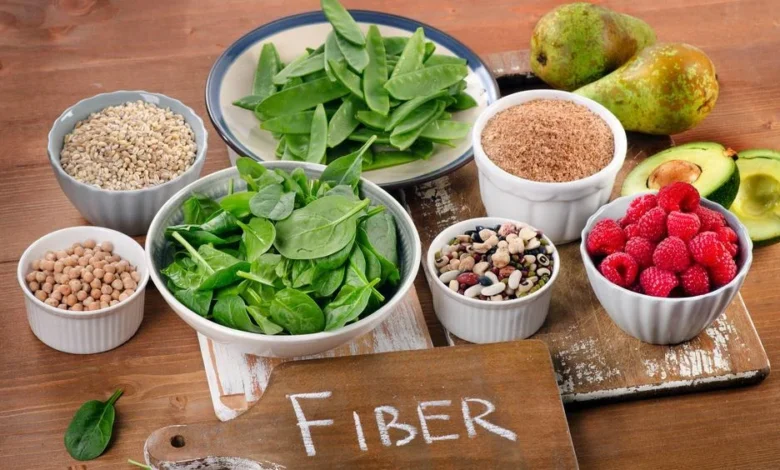
In an era where convenience often dictates dietary choices, many individuals are increasingly turning to fiber-enriched beverages and powdered supplements to compensate for a lack of fruit and vegetable intake. This growing trend, driven by the desire for digestive regularity and improved metabolic health, has prompted medical professionals to issue a cautionary advisory. While these processed alternatives may provide temporary relief for specific gastrointestinal issues, health experts emphasize that they are not a sustainable substitute for a balanced, whole-food-based diet.
The rising popularity of fiber supplements reflects a broader shift in consumer behavior, where time constraints and dietary preferences—particularly a dislike for raw vegetables—have created a lucrative market for functional foods. However, clinical nutritionists argue that relying on these products can obscure the importance of the complex micronutrient profiles found naturally in plants.
Clinical Perspective: When Fiber Supplements Become Necessary
During a recent health awareness broadcast hosted by the media outlet detikHealth on October 22, 2026, clinical nutrition specialist Dr. Igus Ulfa Yaze, SpGK, addressed the common misconception that fiber supplements are a necessary daily staple. Dr. Yaze clarified that the medical community generally reserves such interventions for patients suffering from chronic or severe constipation, rather than for the general population seeking a "quick fix" for digestion.
"When we discuss the use of processed fiber-enriched foods or beverages, it is important to contextualize the clinical necessity," Dr. Yaze stated during the session. "These products are typically indicated for specific medical conditions. For example, if a patient is experiencing severe constipation—such as having a bowel movement only once every five days—that is when I would recommend a fiber supplement as a therapeutic intervention."
The distinction between a medical aid and a dietary crutch is central to the professional guidance provided by nutritionists. According to Dr. Yaze, individuals who maintain regular bowel movements—defined as daily or every other day—do not require exogenous fiber supplementation. Instead, the focus should remain on the consumption of "real food," which provides a matrix of fiber, vitamins, minerals, and phytonutrients that cannot be perfectly replicated in a lab-manufactured powder or drink.
The Nutritional Value of Whole Foods vs. Supplements
The human body is evolutionarily adapted to process nutrients through whole foods. Whole fruits and vegetables contain soluble and insoluble fiber, which act in tandem to regulate blood sugar levels, improve lipid profiles, and maintain a healthy gut microbiome. Fiber supplements, conversely, are often highly processed and may contain added sugars, artificial sweeteners, or thickeners that can have unintended consequences on long-term health.
Furthermore, the "matrix effect" of whole foods—the synergy between different nutrients—is a critical component of nutrition science. For instance, the fiber in an apple is accompanied by antioxidants like quercetin and vitamin C. While a fiber drink might offer the roughage, it often lacks the broad spectrum of protective compounds that contribute to the prevention of chronic diseases, such as cardiovascular issues and type 2 diabetes.
Strategies for Overcoming Dietary Aversion
For individuals who struggle with the taste or texture of vegetables, Dr. Yaze suggests a more nuanced approach rather than resorting to supplements. The goal is to build long-term dietary habits that are sustainable. This involves identifying specific, palatable vegetables that can be integrated into the daily diet without causing sensory aversion.
"If you truly dislike the taste of many fruits and vegetables, do not force yourself to eat foods that trigger a negative response," Dr. Yaze advised. "Instead, explore the variety of vegetables that you can tolerate. Options such as carrots, chayote (labu siam), or cucumbers are excellent sources of fiber and are generally more acceptable to those with selective eating habits. The key is to consistently include the fiber-rich foods you do enjoy, rather than abandoning the category entirely."
This behavioral approach encourages dietary inclusion rather than restriction. By finding vegetables that align with personal taste preferences, individuals can gradually increase their fiber intake in a way that feels natural and manageable, eventually fostering a more diverse palate.
The Hidden Risks of Incorrect Preparation
A significant portion of the nutritional discourse revolves not just around what is consumed, but how it is prepared. Dr. Yaze highlighted that the nutritional benefits of vegetables can be effectively neutralized by poor cooking techniques, particularly deep-frying.
A common dietary pattern, particularly in urban environments, involves the consumption of deep-fried cabbage or other vegetables as a standard side dish. While this may provide a small amount of fiber, the process of deep-frying introduces high levels of saturated fats, trans fats, and potential carcinogens, which significantly outweigh the health benefits of the fiber content.
"While it is acceptable to include cabbage in your diet, the method of preparation is paramount," Dr. Yaze warned. "It is not advisable to consume fried cabbage on a daily basis. The health risks associated with the oil and high-heat processing can negate the positive effects of the fiber."
Broader Implications for Public Health
The reliance on processed supplements as a substitute for vegetables is symptomatic of a larger public health challenge. With the rise of sedentary lifestyles and the convenience-focused food environment, many people find it difficult to meet the recommended daily fiber intake, which is approximately 25 to 30 grams per day for most adults.
Data from global health organizations consistently shows that low fiber intake is linked to an increased risk of diverticulosis, colon cancer, and metabolic syndrome. However, the solution proposed by health authorities is rarely the consumption of isolated fibers. Instead, the focus is on the "plate method"—ensuring that half of every meal consists of vegetables and fruits.
The implications of this shift in focus are profound. By shifting the reliance away from supplements and back toward whole foods, individuals can gain better control over their blood sugar and satiety levels, which are critical in the ongoing global fight against obesity.
Chronology of Dietary Trends and Medical Advice
- 2020-2022: The rise of "wellness" culture on social media platforms leads to a surge in the popularity of fiber-rich diet supplements and "detox" drinks.
- 2023-2024: Nutritionists and gastroenterologists begin to report an increase in patients experiencing digestive discomfort due to the excessive or improper use of fiber supplements.
- October 2026: Medical experts, including Dr. Igus Ulfa Yaze, utilize public forums to clarify clinical guidelines, emphasizing that fiber supplements are intended for medical management of constipation rather than as a primary source of daily nutrition.
Expert Conclusion and Recommendations
The consensus among clinical nutritionists is clear: while fiber supplements have a place in medicine, they should not be used as a shortcut for a healthy diet. The complexity of the human digestive system requires the variety and nutrient density found in whole, unprocessed plants.
For those looking to improve their digestive health, the following steps are recommended:
- Prioritize Whole Foods: Aim to incorporate at least three servings of vegetables and two servings of fruit into the daily diet.
- Gradual Introduction: Increase fiber intake slowly to allow the digestive system to adapt, which helps prevent bloating and gas.
- Hydration: Fiber requires adequate water intake to move effectively through the digestive tract. Increased fiber consumption without sufficient hydration can lead to the very constipation it aims to prevent.
- Mindful Preparation: Opt for steaming, boiling, stir-frying with minimal oil, or consuming vegetables raw rather than deep-frying them.
- Professional Consultation: If constipation persists despite a fiber-rich diet, consult a physician or a registered dietitian to rule out underlying medical conditions, such as irritable bowel syndrome (IBS) or other gastrointestinal pathologies.
As the food industry continues to innovate, consumers must remain discerning. The allure of a quick, fiber-packed beverage may be strong, but the evidence suggests that the most effective way to ensure long-term gut health and systemic well-being remains the simple, time-tested strategy of eating real, minimally processed food. By shifting the focus from supplement-based solutions to sustainable, taste-inclusive whole food choices, individuals can foster better health outcomes that endure far longer than any processed trend.