
Old Fashioned Potato Cakes

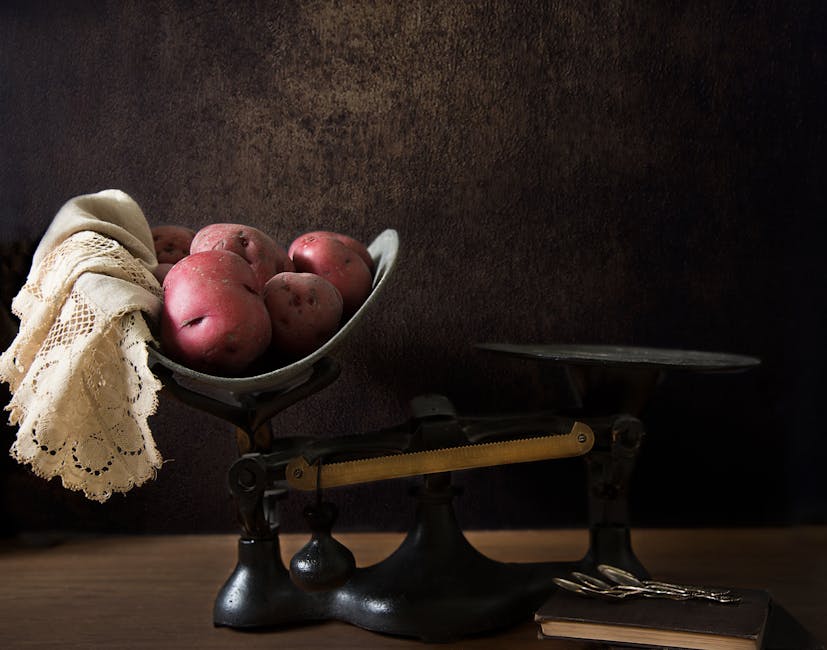
Old Fashioned Potato Cakes: A Timeless Culinary Comfort
The humble potato, a staple of global cuisine, transforms into something extraordinary in the form of old-fashioned potato cakes. These simple yet deeply satisfying dishes embody a comforting nostalgia, reminiscent of kitchens filled with the aroma of frying potatoes and the warmth of family gatherings. Unlike more elaborate potato preparations, potato cakes prioritize straightforward ingredients and a rustic charm. Their essence lies in their ability to elevate the everyday potato into a crispy, golden-brown delight, a testament to the power of fundamental cooking techniques and time-honored recipes. The beauty of old-fashioned potato cakes is their inherent adaptability, allowing for a multitude of variations while maintaining their core identity. They are a dish that speaks to resourcefulness and a deep appreciation for the fundamental flavors and textures that food can provide.
The foundational components of a classic old-fashioned potato cake are remarkably simple, underscoring their accessibility and enduring appeal. The primary ingredient, of course, is the potato. While a wide range of potato varieties can be employed, starchy potatoes like Russets are often preferred for their ability to break down and bind effectively, contributing to a desirable texture. Waxy potatoes can also be used, but they might result in a looser mixture. The cooking method for the potato is critical. Most traditional recipes call for boiling or steaming the potatoes until tender but not mushy. Overcooked potatoes will introduce excess moisture, leading to a greasy and less crispy final product. Once cooked, the potatoes are typically mashed or, more traditionally, grated. Grating raw or par-cooked potatoes can contribute to a finer texture and better binding, while mashing cooked potatoes offers a slightly chunkier, more rustic feel.
Beyond the potato, the binder is crucial for holding the cake together. Eggs are the most common and effective binder, providing structure and richness. The number of eggs will vary depending on the quantity of potatoes and their moisture content, but a general guideline is one egg per two to three cups of mashed or grated potato. Flour, typically all-purpose, serves a dual purpose: it further aids in binding and contributes to the desirable crispy exterior. The amount of flour is usually kept to a minimum, just enough to achieve a workable consistency without making the cakes doughy. Salt is an essential seasoning, enhancing the natural flavor of the potato and balancing the other ingredients. Black pepper is also a frequent addition, providing a subtle warmth and complexity.
Other common additions to old-fashioned potato cakes that enhance their flavor and texture include finely chopped onion or scallions. These aromatic elements add a savory depth that complements the mildness of the potato. Some recipes may also incorporate a pinch of garlic powder or fresh minced garlic for an extra layer of flavor. For a richer, more indulgent cake, a tablespoon or two of melted butter or a touch of cream can be added to the potato mixture. While not strictly traditional in the most basic versions, these additions elevate the cake’s overall taste and mouthfeel. The key to achieving perfectly textured old-fashioned potato cakes lies in the careful balance of these ingredients, ensuring that the mixture is moist enough to bind but firm enough to hold its shape during frying.
The preparation method for old-fashioned potato cakes is a hands-on affair, embodying the spirit of home cooking. After the potatoes have been cooked and mashed or grated, they are placed in a bowl. If using mashed potatoes, it’s important to ensure they are still warm, as this aids in incorporating the other ingredients smoothly. The eggs are then beaten and added to the potato mixture, followed by the flour, salt, pepper, and any other chosen seasonings. If using chopped onions or scallions, they are stirred in at this stage. The mixture should be gently combined, taking care not to overmix, which can lead to a tougher cake. The ideal consistency is one that can be shaped by hand into patties without crumbling or being overly sticky.
Shaping the potato cakes is a crucial step in achieving uniform cooking and presentation. The mixture is typically divided into portions, and each portion is formed into a flattened patty, usually about ½ to ¾ inch thick and 3 to 4 inches in diameter. The edges should be smoothed to prevent them from burning too quickly. Some cooks prefer to coat the shaped cakes in a light dusting of flour or even breadcrumbs for an extra crisp exterior, though this is an optional step and not always part of the most fundamental recipes. Resting the formed potato cakes in the refrigerator for about 30 minutes before frying can help them firm up, making them easier to handle and reducing the likelihood of them falling apart in the hot oil.
The cooking method for old-fashioned potato cakes is invariably pan-frying. A generous amount of fat is essential to achieve the signature crispy, golden-brown crust. Traditionally, this fat was lard, which imparts a distinct flavor, but vegetable oil, canola oil, or even butter can be used. The fat should be heated in a skillet over medium-high heat. The correct temperature is vital; too low, and the cakes will absorb excess oil and become greasy; too high, and they will burn on the outside before cooking through. A simple test is to drop a tiny bit of the potato mixture into the hot oil; if it sizzles immediately, the temperature is just right.
The potato cakes are carefully placed into the hot oil, ensuring not to overcrowd the pan, which can lower the oil temperature and lead to uneven cooking. They are typically fried for 4 to 6 minutes per side, or until a deep golden-brown color and a delightfully crispy texture have been achieved. During frying, resist the urge to move or flip the cakes too frequently. Allow them to develop a firm crust before attempting to turn them. Once cooked, the potato cakes are removed from the skillet and placed on a wire rack set over a baking sheet or on paper towels to drain any excess oil. This step is crucial for maintaining their crispness.
Serving old-fashioned potato cakes is where their versatility truly shines. They are a comfort food that can be enjoyed at any meal. For breakfast, they are a perfect accompaniment to fried eggs, bacon, or sausages. A dollop of sour cream or a drizzle of maple syrup can also be delightful additions. For lunch, they can be served as a light main course with a side salad or as a hearty side dish. In the evening, they are an excellent accompaniment to roasted meats, stews, or even grilled fish. Their neutral yet satisfying flavor profile makes them a perfect canvas for a variety of toppings and accompaniments.
Traditional toppings and accompaniments often complement the rustic nature of potato cakes. Sour cream, with its cooling tang, is a classic pairing. Chives or chopped green onions offer a fresh, herbaceous contrast. A simple sprinkle of salt and pepper is often all that is needed to enhance their inherent deliciousness. For those who enjoy a bit more flavor, a side of applesauce provides a sweet and tangy counterpoint, a common pairing in some regions. Smoked salmon or gravlax, with their rich, savory profile, can elevate potato cakes into a more sophisticated appetizer or brunch dish. A dollop of crème fraîche or a spoonful of herbed aioli can also add a touch of elegance.
The historical context of old-fashioned potato cakes highlights their significance as a food of necessity and resourcefulness. Potatoes, introduced to Europe from the Americas, became a vital crop, especially for the working classes, due to their high yield and nutritional value. In times of scarcity, simple dishes like potato cakes provided sustenance and comfort. Their preparation required minimal ingredients and basic cooking skills, making them accessible to virtually everyone. This historical lineage contributes to their enduring appeal as a nostalgic comfort food, connecting us to generations past and the culinary traditions they cultivated. The evolution of these cakes from simple sustenance to a beloved comfort food speaks volumes about their fundamental deliciousness and adaptability.
Variations on the old-fashioned potato cake theme abound, showcasing the ingredient’s incredible adaptability. Adding shredded cheese, such as cheddar or Gruyère, to the potato mixture before frying creates a decadent, cheesy potato cake. Herbs, like parsley, dill, or rosemary, can be finely chopped and incorporated for added aroma and flavor. Some adventurous cooks experiment with adding cooked bacon bits or ham to the mixture for a savory, breakfast-inspired cake. For a touch of sweetness, a small amount of grated apple can be added, which, when fried, caramelizes slightly and offers a delightful contrast. These variations allow home cooks to personalize their potato cakes to suit individual preferences and available ingredients, ensuring the dish remains relevant and exciting.
The nutritional profile of old-fashioned potato cakes, while often considered a treat, can be viewed in a balanced culinary context. Potatoes themselves are a good source of carbohydrates for energy, potassium, and Vitamin C. When prepared with minimal added fat and served with healthy accompaniments like fresh vegetables or lean protein, they can be a satisfying component of a balanced meal. However, it’s important to acknowledge that the frying process inherently adds fat and calories. Opting for lighter frying techniques, such as using less oil or air-frying if the recipe can be adapted, can mitigate some of these concerns. As with most comfort foods, moderation and mindful preparation are key to enjoying potato cakes as part of a healthy lifestyle.
The simplicity of old-fashioned potato cakes is a significant part of their charm and enduring popularity. In a culinary landscape often dominated by complex techniques and exotic ingredients, the potato cake stands as a beacon of straightforward deliciousness. Its appeal lies in its ability to deliver immense flavor and satisfying texture from a few basic ingredients. This accessibility makes it a perfect dish for novice cooks to master and for experienced cooks to return to when seeking a taste of uncomplicated culinary joy. The act of preparing and sharing these cakes often fosters a sense of connection and tradition, reinforcing their status as a true comfort food. The quiet confidence of a well-made potato cake, crispy on the outside, tender within, is a testament to the enduring power of simple, honest cooking.
The textural contrast inherent in well-made old-fashioned potato cakes is a primary driver of their appeal. The exterior, when fried correctly, develops a satisfying crunch, a golden-brown crispness that gives way to a tender, yielding interior. This interplay of textures is deeply pleasing to the palate. The slight chewiness of the potato itself, combined with the delicate crispness of the fried exterior, creates a mouthfeel that is both comforting and stimulating. This textural complexity is achieved through careful attention to ingredient ratios, particularly the balance of moisture and starch in the potatoes, and precise control over the frying temperature and time. It’s this textural harmony that elevates the humble potato into a memorable culinary experience.
The aroma of old-fashioned potato cakes cooking is an equally potent contributor to their comforting allure. The scent of hot oil, combined with the earthy, slightly sweet aroma of frying potatoes, is instantly evocative and deeply satisfying. This olfactory experience is often linked to positive memories of home, family, and simpler times. It’s a primal scent that speaks to nourishment and well-being, drawing people to the kitchen with anticipation. This sensory appeal, encompassing both taste, texture, and aroma, is what solidifies the potato cake’s place as a beloved comfort food across generations. The simple act of frying these cakes transforms a kitchen into a haven of delicious anticipation.
In conclusion, old-fashioned potato cakes represent more than just a recipe; they are a culinary artifact, a testament to the enduring appeal of simple, honest ingredients prepared with care and tradition. Their versatility, from breakfast staple to comforting side dish, ensures their continued relevance in modern kitchens. The appeal of their crispy exterior, tender interior, and the rich history they embody makes them a timeless classic, a dish that continues to bring warmth and satisfaction to tables around the world. The beauty of the old-fashioned potato cake lies in its ability to be both profoundly simple and exceptionally delicious, a perfect example of how fundamental cooking can create lasting culinary memories.


