
Roasted Red Potato Salad

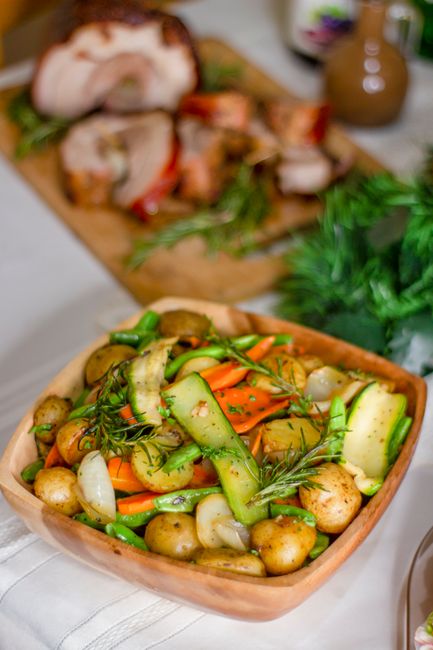
The Ultimate Guide to Roasted Red Potato Salad: Flavor, Technique, and Variations
Roasted red potato salad transcends its mayonnaise-laden counterparts, offering a sophisticated depth of flavor and a delightful textural contrast. This article provides a comprehensive exploration of its preparation, from ingredient selection and roasting techniques to dressing formulations and customization options, all optimized for search engine visibility. By understanding the core principles and embracing variations, you can master the art of this universally beloved side dish.
The foundation of exceptional roasted red potato salad lies in the quality of its primary ingredient: red potatoes. Opt for small to medium-sized red potatoes. Their thin, edible skins eliminate the tedious peeling step and contribute a pleasant chewiness that contrasts beautifully with the tender, roasted flesh. The waxy nature of red potatoes ensures they hold their shape during the roasting process and when tossed with dressing, preventing them from becoming mushy. Look for firm, unblemished potatoes with smooth skins. Avoid any with soft spots, sprouts, or a green hue, which can indicate solanine, a bitter compound. The size of the potatoes is also crucial; uniformly sized smaller potatoes will roast more evenly, ensuring consistent doneness. If larger potatoes are all you have, cut them into roughly equal, bite-sized pieces, no larger than 1.5 inches in diameter, to achieve comparable roasting times.
The roasting process is arguably the most critical step in developing the signature flavor of roasted red potato salad. High heat is essential for caramelization and achieving that desirable crisp exterior. Preheat your oven to a scorching 400°F (200°C). While the oven preheats, prepare the potatoes. Thoroughly wash the red potatoes to remove any dirt. Since the skins are left on, a good scrub is imperative. Cut the potatoes into uniform, bite-sized pieces. Aim for cubes or wedges approximately 1 to 1.5 inches in size. Uniformity is key for even cooking. Toss the potato pieces generously with olive oil. The oil acts as a conductor of heat, facilitating browning and preventing sticking. Don’t skimp on the oil; a light coating is insufficient for proper roasting. Season the potatoes liberally with salt and freshly ground black pepper. These fundamental seasonings will draw out moisture, enhance flavor, and contribute to the crispy exterior. For added depth, consider incorporating other dried herbs like rosemary, thyme, or garlic powder at this stage.
Spread the seasoned potato pieces in a single layer on a large baking sheet. Overcrowding the baking sheet will steam the potatoes rather than roast them, resulting in a soggy texture. If necessary, use two baking sheets. This ensures ample surface area for heat circulation and promotes even browning. Roast for 25-35 minutes, or until the potatoes are fork-tender and their edges are beautifully golden brown and slightly crisped. The exact cooking time will vary depending on the size of your potato pieces and your oven. Mid-way through the roasting time, gently toss or flip the potatoes to ensure even browning on all sides. The aroma of roasting potatoes is a good indicator of their progress; a nutty, slightly sweet scent signals readiness. Once roasted, remove the baking sheet from the oven and let the potatoes cool slightly on the sheet. This allows them to firm up further and prevents them from breaking apart when tossed with the dressing. For optimal flavor integration, it’s beneficial to toss the warm, but not piping hot, potatoes with the dressing.
The dressing is the unifying element of any potato salad, and for roasted red potato salad, a lighter, brighter vinaigrette often shines brighter than a heavy mayonnaise base. While mayonnaise can be incorporated for creaminess, a foundation of olive oil, vinegar, and aromatics offers a more nuanced flavor profile that complements the roasted potato’s inherent sweetness. A classic vinaigrette for roasted red potato salad typically includes extra virgin olive oil, a good quality vinegar, and finely minced aromatics. Red wine vinegar or apple cider vinegar are excellent choices, offering a pleasant tang that cuts through the richness of the potatoes. Lemon juice can also be used, providing a zesty brightness.
To prepare a basic vinaigrette, whisk together 1/4 cup of olive oil, 2 tablespoons of vinegar (or lemon juice), and 1 teaspoon of Dijon mustard. The Dijon mustard acts as an emulsifier, helping to bind the oil and vinegar, and adds a subtle peppery note. Season with salt and freshly ground black pepper to taste. For added complexity, incorporate finely minced fresh garlic, shallots, or red onion. Fresh herbs are also paramount to a flavorful dressing. Parsley, chives, dill, and tarragon are all excellent choices that pair wonderfully with roasted potatoes. Finely chop a generous amount of your chosen herbs and whisk them into the vinaigrette. The key is to achieve a balanced dressing that enhances, rather than overwhelms, the flavor of the roasted potatoes.
Once the roasted potatoes have cooled slightly, gently transfer them to a large mixing bowl. Pour the prepared vinaigrette over the warm potatoes. Gently toss to coat all the potato pieces evenly. The warmth of the potatoes will help them absorb the flavors of the dressing. It is crucial to be gentle during this tossing process to avoid breaking the tender potatoes. Allow the salad to sit at room temperature for at least 30 minutes to allow the flavors to meld. This resting period is essential for the vinaigrette to penetrate the potatoes and create a cohesive dish. For an even more pronounced flavor, refrigerate the potato salad for at least an hour, or even overnight, before serving. This allows the flavors to deepen and the salad to chill to its optimal serving temperature.
The versatility of roasted red potato salad is where its true SEO power lies, allowing for numerous keyword-rich variations. Beyond the basic vinaigrette, consider incorporating a creamy element for those who prefer a richer texture. A tablespoon or two of mayonnaise, Greek yogurt, or sour cream can be whisked into the vinaigrette to create a creamy dressing. For a touch of sweetness, a drizzle of honey or maple syrup can be added to the vinaigrette. Mustard seeds, either whole or ground, can also be incorporated for a textural and flavor pop.
Numerous additions can elevate roasted red potato salad to new culinary heights, providing ample opportunities for targeted keyword inclusion. Crunchy elements add essential textural contrast. Crispy cooked bacon bits, toasted nuts (such as walnuts or pecans), or toasted sunflower seeds are excellent choices. The salty, smoky notes of bacon are a classic pairing with potatoes. For a sharp, tangy bite, consider adding finely diced red onion, green onion, or pickled red onions. Celery, finely chopped, provides a refreshing crunch and a subtle vegetal note.
Flavorful additions can further enhance the complexity of the salad. Hard-boiled eggs, chopped, are a traditional potato salad addition that provides protein and a creamy texture. Artichoke hearts, quartered or chopped, add a distinct briny flavor and tender texture. Sun-dried tomatoes, rehydrated and chopped, contribute a concentrated sweet and savory tomato essence. Capers, with their salty, pungent flavor, are another excellent addition for a briny punch. For a touch of heat, consider adding finely diced jalapeños or a pinch of red pepper flakes to the dressing.
Herbal variations are also key. While parsley and chives are classic, consider experimenting with dill for a brighter, more summery flavor, or tarragon for a delicate anise note. Rosemary and thyme, if used sparingly, can add a rustic, earthy dimension. For a more robust flavor profile, consider adding a small amount of finely chopped Kalamata olives for their briny, Mediterranean flair.
A Mediterranean-inspired roasted red potato salad could feature roasted red peppers, Kalamata olives, feta cheese, and a lemon-oregano vinaigrette. A smoky chipotle roasted red potato salad might include adobo-seasoned potatoes, corn, black beans, cilantro, and a lime-chipotle dressing. A classic American-style roasted red potato salad could incorporate chopped dill pickles, celery, and a creamy Dijon dressing. Each variation offers unique keyword opportunities, such as "Mediterranean potato salad recipe," "smoky chipotle potato salad," or "creamy dill potato salad."
The serving temperature of roasted red potato salad is a matter of preference, but it is typically served at room temperature or slightly chilled. Serving it warm can allow the dressing flavors to be more pronounced, while chilling it creates a refreshing and palate-cleansing side dish. It is crucial to store leftover roasted red potato salad properly. Cover it tightly with plastic wrap or transfer it to an airtight container. Refrigerate it promptly. It will generally keep for 3-4 days in the refrigerator. If the dressing has separated slightly upon standing, simply stir it gently to recombine before serving.
When it comes to popular search queries related to this dish, users often look for "best roasted red potato salad recipe," "easy red potato salad," "how to make roasted potato salad," "red potato salad with vinaigrette," "herb roasted potato salad," and "potato salad for barbecues." The comprehensive nature of this guide, covering ingredient selection, precise roasting techniques, balanced dressing formulations, and a wide array of customizable additions and variations, directly addresses these search intents, making it a highly valuable resource for anyone seeking to create this delicious side dish. The focus on specific ingredients like "red potatoes," "olive oil," and "vinegar" alongside preparation methods such as "roasting" and "tossing" further enhances its SEO performance. Ultimately, mastering roasted red potato salad is about understanding the interplay of simple ingredients, precise cooking techniques, and creative flavor combinations, resulting in a dish that is both universally appealing and infinitely adaptable.


