
Rosemary Dijon Prime Rib

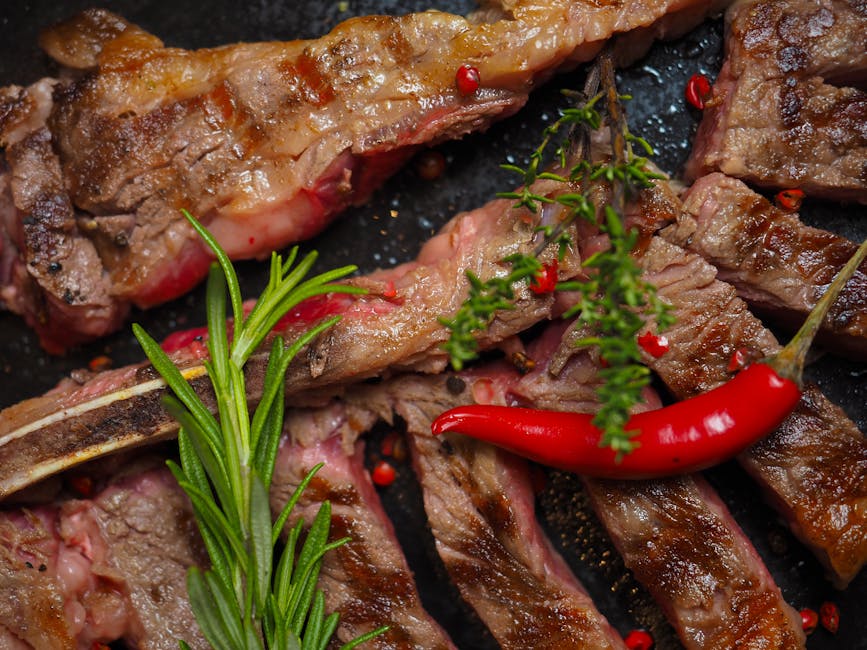
Rosemary Dijon Prime Rib: An Epicurean Masterpiece for Discerning Palates
The allure of prime rib is undeniable. A centerpiece capable of transforming any meal into a celebratory occasion, its rich, succulent texture and beefy flavor command respect. Elevating this already exceptional cut requires a carefully chosen blend of aromatics and seasonings, and for those seeking an unforgettable culinary experience, the union of rosemary and Dijon mustard presents a compelling case. This article delves deep into the art and science of creating an exceptional Rosemary Dijon Prime Rib, covering everything from selecting the perfect roast to achieving that coveted crust and perfectly pink interior. We will explore the synergistic relationship between the earthy, piney notes of fresh rosemary and the sharp, tangy bite of Dijon mustard, demonstrating how their combined effect amplifies the inherent qualities of prime rib, resulting in a dish that is both sophisticated and deeply satisfying. This is not merely a recipe; it’s a comprehensive guide designed to empower home cooks to achieve restaurant-quality results, demystifying techniques and explaining the "why" behind each crucial step. Prepare to embark on a culinary journey that will elevate your understanding and execution of this classic roast.
Selecting the Right Prime Rib Roast: The Foundation of Excellence
The quality of your Rosemary Dijon Prime Rib begins and ends with the cut of meat. For prime rib, or standing rib roast, seek out USDA Prime or USDA Choice grades. Prime grade signifies the highest marbling, ensuring unparalleled tenderness and flavor. Choice grade is a more accessible but still excellent option, offering a good balance of marbling and affordability. Look for a roast with at least three ribs, as this generally indicates a more even distribution of fat and muscle, leading to a more consistent cooking experience. The "bone-in" cut is highly recommended for prime rib. The bones act as insulators during cooking, protecting the meat from overcooking and contributing additional flavor through rendered fat and collagen. The cap of the rib, or the "deckle," is a highly marbled, flavorful muscle that should be left intact. While some prefer to have the chine bone removed for easier carving, leaving it on can offer additional flavor during the roasting process. When purchasing, observe the color of the meat; it should be a bright, cherry-red. Fat should be creamy white, not yellow or brittle. The thickness of the roast is also a factor; a roast that is too thin will cook too quickly, making it difficult to achieve the desired internal temperature while maintaining a desirable exterior. Aim for a thickness of at least three inches.
The Rosemary Dijon Marinade/Rub: A Symphony of Flavors
The heart of this particular prime rib preparation lies in the marriage of rosemary and Dijon. The marinade or rub acts as the primary vehicle for infusing these complementary flavors into the beef. Fresh rosemary is paramount. Dried rosemary, while convenient, lacks the vibrant aroma and flavor intensity required to stand up to the richness of prime rib. Finely chop fresh rosemary, ensuring no large, woody stems remain. The pungency of Dijon mustard is crucial for balancing the fatty nature of the roast and cutting through its richness. Whole grain Dijon offers a delightful textural contrast and a more robust flavor profile, while classic smooth Dijon provides a consistent, sharp tang.
A foundational recipe for the rosemary Dijon rub/marinade typically includes:
- Fresh Rosemary: Finely minced, approximately 2-3 tablespoons.
- Dijon Mustard: A good quality Dijon, either smooth or whole grain, about 1/4 cup.
- Garlic: Minced garlic cloves, 3-4, or garlic powder, 1 teaspoon, for those who prefer a less potent garlic flavor.
- Olive Oil: Extra virgin olive oil, 2-3 tablespoons, to create a paste and aid in browning.
- Salt: Coarse sea salt or kosher salt, at least 1 tablespoon, to draw out moisture and season the meat.
- Black Pepper: Freshly ground black pepper, 1-2 teaspoons, for warmth and spice.
Optional additions that can further enhance the profile include:
- Worcestershire Sauce: A splash (1-2 tablespoons) for umami depth.
- Lemon Zest: The zest of half a lemon can add a bright, citrusy counterpoint.
- Thyme: A small amount of fresh thyme, finely chopped, can complement the rosemary beautifully.
- Smoked Paprika: A teaspoon can introduce a subtle smoky sweetness and a richer color.
The preparation of the rub is simple: combine all ingredients in a small bowl and mix thoroughly to create a cohesive paste.
The Art of Application: Maximizing Flavor Penetration
Proper application of the rosemary Dijon mixture is critical for flavor saturation. For maximum impact, it’s beneficial to prepare the roast at least 4-12 hours, or even up to 24 hours, in advance. This allows the flavors to penetrate the meat.
- Pat Dry: Begin by patting the prime rib roast thoroughly dry with paper towels. This is a crucial step that promotes better browning and crust formation. Moisture on the surface will steam the meat rather than sear it.
- Loosen the Cap: If your roast has a thick cap of fat, you may want to gently loosen it from the meat with your fingers or the tip of a knife. This will allow the rub to get underneath, ensuring flavor in every bite.
- Apply Liberally: Using your hands, spread the rosemary Dijon rub evenly over the entire surface of the roast. Don’t be shy; ensure every nook and cranny is coated. Gently press the rub into the meat to help it adhere.
- Rest in the Refrigerator: Place the seasoned roast, uncovered, on a rack in a baking pan. This allows the surface to dry out further in the refrigerator, contributing to a superior crust.
Roasting Techniques: Achieving Perfection
The key to a perfect prime rib is achieving a beautiful, flavorful crust while maintaining a tender, juicy interior with a perfectly rendered, rosy pink center. Two primary methods are employed, each with its own advantages: the high-heat sear followed by low-heat roasting, and the reverse sear.
Method 1: High-Heat Sear, Low-Heat Roast
This is the more traditional approach and is highly effective.
- Preheat Oven: Preheat your oven to a high temperature, typically 450-475°F (230-245°C).
- Initial Sear: Place the seasoned prime rib, fat-side up, on a rack in a sturdy roasting pan. Roast at the high temperature for 15-20 minutes, or until the crust begins to form and deepen in color. This initial blast of heat sears the exterior, rendering some of the fat and creating those desirable browned bits.
- Reduce Heat: Immediately reduce the oven temperature to a lower setting, usually 300-325°F (150-160°C).
- Continue Roasting: Continue roasting at the lower temperature. The cooking time will vary significantly depending on the size of your roast and your desired level of doneness. A general guideline is approximately 12-15 minutes per pound for medium-rare.
- Temperature is Key: Rely on a reliable meat thermometer. Insert the thermometer into the thickest part of the roast, avoiding bone.
- Rare: 120-125°F (49-52°C)
- Medium-Rare: 130-135°F (54-57°C)
- Medium: 135-140°F (57-60°C)
- Medium-Well: 140-145°F (60-63°C)
- Well-Done: 150°F+ (65°C+)
Remember, the internal temperature will rise by 5-10°F during the resting period. Pull the roast from the oven when it’s 5-10°F below your target temperature.
Method 2: Reverse Sear
The reverse sear method has gained popularity for its ability to produce exceptionally even cooking from edge to edge.
- Low and Slow: Preheat your oven to a much lower temperature, typically 225-275°F (107-135°C).
- Initial Roasting: Place the seasoned prime rib, fat-side up, on a rack in a sturdy roasting pan. Roast at this low temperature until the internal temperature reaches about 110-115°F (43-46°C) for medium-rare. This can take several hours, depending on the size of the roast.
- Rest Briefly: Remove the roast from the oven and let it rest for 15-20 minutes.
- High-Heat Sear: While the roast rests, preheat your oven to a very high temperature, 500-550°F (260-290°C), or prepare a very hot grill.
- Final Sear: Return the roast to the hot oven or grill for 5-10 minutes, or until a deep, flavorful crust has formed.
Basting and Pan Juices: Capturing the Essence
During the roasting process, the fat and juices will accumulate in the bottom of the roasting pan. These are liquid gold. Basting the roast with these pan juices periodically (every 30-45 minutes) helps to keep the surface moist and adds another layer of flavor. The drippings are also the foundation for a magnificent gravy.
Resting: The Non-Negotiable Step
This is perhaps the most critical, yet often overlooked, step in achieving a juicy prime rib. Once the roast reaches your desired internal temperature, remove it from the oven. Tent it loosely with aluminum foil, ensuring not to wrap it tightly, as this will steam the crust. Allow the prime rib to rest for a minimum of 20-30 minutes. This resting period allows the muscle fibers to relax and reabsorb the juices that have been pushed to the center during cooking. If you cut into the roast too soon, all those precious juices will run out onto the cutting board, leaving you with a dry, less flavorful steak. The larger the roast, the longer it should rest.
Carving and Serving: The Grand Finale
Carving a prime rib is an exercise in precision. For a bone-in roast, begin by slicing down between the ribs and the meat. Then, slice the meat against the grain into your desired thickness. For boneless roasts, simply slice against the grain. Serve the Rosemary Dijon Prime Rib immediately, accompanied by its luscious pan juices, a rich gravy made from those drippings, and your favorite side dishes.
Gravy Perfection: Elevating the Pan Juices
The pan drippings are the starting point for an exceptional gravy. Skim off excess fat, leaving about 2-3 tablespoons in the pan. You can then deglaze the pan with a splash of red wine, beef broth, or even water, scraping up any browned bits from the bottom. Thicken the liquid with a slurry of flour or cornstarch mixed with a little cold water or broth, whisking continuously until smooth and thickened. Season to taste with salt and pepper. A hint of fresh rosemary or a touch of Dijon mustard can further enhance the gravy’s complexity.
Side Dish Pairings: Complementing the Star
The rich, savory nature of Rosemary Dijon Prime Rib pairs wonderfully with a variety of side dishes. Classic potato preparations like creamy mashed potatoes, roasted potatoes, or potato gratin are excellent choices. Creamed spinach, roasted asparagus, or green beans almondine offer vibrant color and a welcome counterpoint of freshness. A simple Caesar salad or a mixed green salad with a light vinaigrette can also provide a refreshing balance.
Conclusion: A Timeless Culinary Triumph
The Rosemary Dijon Prime Rib is more than just a meal; it’s an experience. By understanding the fundamental principles of selecting quality meat, mastering the art of the rub, employing precise roasting techniques, and honoring the crucial resting period, you can consistently achieve a prime rib that rivals any steakhouse. The sophisticated interplay of earthy rosemary and sharp Dijon mustard elevates this already magnificent cut into a truly unforgettable culinary masterpiece, guaranteed to impress even the most discerning of gourmands. Its rich flavors, tender texture, and impressive presentation make it a perennial favorite for holidays, special occasions, and any moment you wish to indulge in the finest of what home cooking has to offer.


