
Sabzi Polo Green Herb Rice

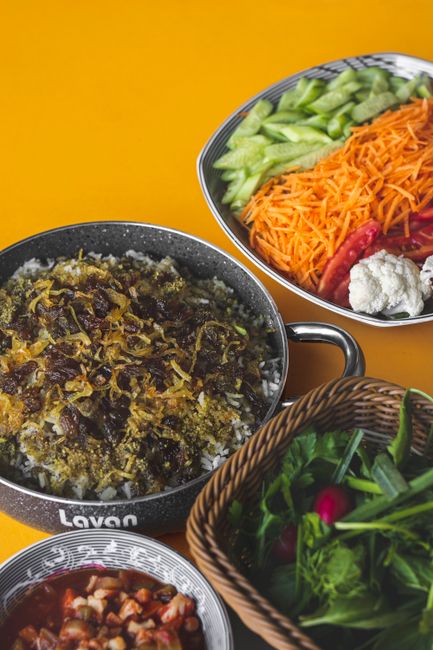
Sabzi Polo Green Herb Rice: A Cornerstone of Persian Culinary Tradition and a Flavorful, Nutrient-Rich Dish
Sabzi polo, a vibrant and aromatic Persian rice dish studded with an abundance of fresh green herbs, stands as a celebrated cornerstone of Iranian cuisine. Its distinctive emerald hue and complex flavor profile are not merely aesthetic; they are deeply rooted in cultural significance and culinary tradition. Beyond its visual appeal and ceremonial importance, Sabzi polo is also a remarkably nutritious and versatile dish, adaptable to various dietary needs and preferences. This article will delve into the heart of Sabzi polo, exploring its ingredients, preparation methods, cultural significance, health benefits, and modern interpretations, aiming to provide a comprehensive, SEO-friendly guide for enthusiasts and newcomers alike.
The foundation of Sabzi polo lies in its rice, typically a long-grain variety like Basmati, known for its delicate aroma and ability to absorb flavors. The preparation of the rice is crucial and involves a multi-step process that ensures fluffy, separate grains. The rice is first washed thoroughly to remove excess starch, then soaked for a period, often several hours, in cold water. This soaking process not only hydrates the grains but also contributes to their elongation and prevents them from becoming mushy when cooked. The parboiling stage is another critical step. The soaked rice is briefly boiled in a generous amount of salted water, then drained. This partially cooks the rice and further enhances its texture. The final cooking stage involves steaming the rice, a technique known as "damkoni" in Persian. This is where the magic truly happens. The drained, parboiled rice is layered in a pot, often with a layer of crispy potato slices or bread at the bottom to form a golden, delicious crust called "tahdig." The herbs and sometimes additional aromatics are then carefully interspersed with the rice. The pot is covered tightly, often with a cloth to absorb condensation, and the rice is steamed over low heat until fully cooked and tender. This steaming method allows the rice to absorb the fragrant essences of the herbs without becoming waterlogged.
The soul of Sabzi polo resides in its eponymous green herbs. A typical Sabzi polo blend is a harmonious symphony of finely chopped fresh herbs, each contributing its unique aroma and flavor. The most common and essential herbs include: parsley (jâfari), cilantro (geshniz), dill (sheved), and chives or green onion tops (piazcheh). Fenugreek (shanbalileh) is another key ingredient, though often used in smaller quantities due to its potent, slightly bitter, and distinctive aroma. Some recipes also incorporate other herbs like mint (na’na) or tarragon (tarokhan) to add further layers of complexity. The freshness and quality of these herbs are paramount to the success of Sabzi polo. They are traditionally hand-chopped finely, which releases their essential oils and infuses the rice with their vibrant essence. The sheer volume of herbs used is what gives the dish its characteristic green hue and its rich, herbaceous fragrance. The interplay of these herbs creates a flavor profile that is simultaneously fresh, pungent, slightly sweet, and earthy, a testament to the bounty of nature.
The cultural significance of Sabzi polo is deeply interwoven with Persian New Year, or Nowruz, celebrated on the vernal equinox. Sabzi polo ba Mahi, which translates to "herb rice with fish," is the traditional dish served on the first day of Nowruz. This pairing symbolizes rebirth, renewal, and prosperity. The green herbs represent new life and the lushness of spring, while the fish symbolizes fertility and abundance. The dish is also a common feature at other celebrations, family gatherings, and even as a comforting meal during regular days, showcasing its broad appeal and adaptability within Persian households. The act of preparing and sharing Sabzi polo is often a communal affair, with families coming together to chop herbs and prepare the meal, reinforcing bonds and passing down culinary traditions.
The health benefits of Sabzi polo are considerable, primarily stemming from the generous inclusion of fresh herbs. These herbs are not mere flavor enhancers; they are nutritional powerhouses. Parsley is rich in vitamins K, C, and A, as well as antioxidants like flavonoids and carotenoids, which can help protect against cellular damage. Cilantro is a good source of vitamins K and C, and also contains beneficial compounds that may aid digestion and possess anti-inflammatory properties. Dill is known for its vitamin C content and its digestive benefits, often used to alleviate bloating and gas. Chives and green onions provide vitamin K, vitamin C, and beneficial sulfur compounds. Fenugreek, though used sparingly, is renowned for its potential to help manage blood sugar levels and its fiber content, which aids digestion. The rice itself, especially when cooked with the tahdig crust, provides carbohydrates for energy. When paired with fish, as in Sabzi polo ba Mahi, the dish becomes a complete meal, offering lean protein and omega-3 fatty acids, which are crucial for heart and brain health. The overall dish is a testament to a cuisine that emphasizes fresh, whole ingredients and their inherent nutritional value.
Preparing Sabzi polo at home, while requiring attention to detail, is an achievable and rewarding endeavor. The key lies in sourcing the freshest herbs and following the traditional rice cooking techniques. For the rice, a long-grain Basmati is ideal. The soaking and parboiling steps are non-negotiable for achieving the desired texture. For the herb mixture, the ratio of herbs can be adjusted to personal preference, but a good starting point includes roughly equal parts parsley, cilantro, and dill, with a smaller proportion of chives or green onion tops and a very small amount of fenugreek. The herbs should be washed thoroughly, dried completely (to prevent soggy rice), and then finely chopped. When layering the rice and herbs in the pot, it’s important to distribute the herbs evenly to ensure consistent flavor and color throughout. The tahdig, while optional, is highly recommended for its textural contrast and rich flavor. Thinly sliced potatoes are the most common choice for tahdig, but some recipes also use lavash bread. A drizzle of oil or butter in the bottom of the pot before layering the tahdig ingredients helps create that coveted crispy crust. The steaming process should be slow and steady, allowing the rice to absorb the flavors and steam to perfection.
Modern interpretations and variations of Sabzi polo continue to evolve, reflecting the dish’s inherent versatility and the creativity of contemporary chefs and home cooks. While the classic Sabzi polo ba Mahi remains a beloved staple, deviations from the traditional recipe are common. Some may opt for different protein pairings, such as grilled chicken, lamb, or even vegetarian options like pan-seared tofu or tempeh, making the dish more accessible to a wider range of palates and dietary needs. The herb mixture itself can be customized. For those who find fenugreek too potent, it can be reduced or omitted entirely. Conversely, adventurous cooks might experiment with adding other fragrant herbs like lovage or even a hint of chili for a spicy kick. Some modern recipes also embrace convenience by utilizing food processors for chopping herbs, though many purists still advocate for the manual chop for optimal flavor release. The preparation of tahdig has also seen innovations, with some incorporating toasted nuts or seeds for added texture and flavor. Regardless of the variations, the core essence of Sabzi polo—fragrant, herb-infused rice with a delightful texture—remains the guiding principle.
The aromatic profile of Sabzi polo is a significant part of its appeal. The combination of fresh, pungent herbs creates an intoxicating fragrance that fills the kitchen during preparation and tantalizes the senses upon serving. The earthy notes of parsley and cilantro mingle with the bright, slightly anise-like aroma of dill and the subtle oniony notes of chives. The faint bitterness and distinct perfume of fenugreek add a unique depth that is instantly recognizable to those familiar with Persian cuisine. This complex bouquet is not just a culinary delight; it’s an olfactory experience that evokes feelings of warmth, home, and tradition.
When considering SEO (Search Engine Optimization) for this article, several keywords and phrases are crucial. "Sabzi polo" is the primary keyword. Related terms include "Persian herb rice," "green herb rice," "Nowruz dish," "Sabzi polo ba Mahi," "Iranian rice recipe," "traditional Persian food," and "healthy herb rice." Incorporating these terms naturally throughout the text will improve its visibility in search engine results. The detailed explanation of ingredients, preparation methods, and cultural significance also caters to long-tail keywords, such as "how to make sabzi polo," "what herbs are in sabzi polo," and "benefits of sabzi polo."
The textural contrast in Sabzi polo is another key element that contributes to its satisfaction. The fluffy, distinct grains of rice provide a tender base, while the finely chopped herbs offer a subtle chewiness. The crown jewel of texture, however, is the tahdig. The crispy, golden crust, whether made from potatoes or bread, provides a delightful crunch that complements the softness of the rice and herbs. This interplay of textures elevates the dish from simply a side to a complex and engaging culinary experience.
In conclusion, Sabzi polo is far more than just a rice dish. It is a vibrant embodiment of Persian culinary heritage, a testament to the artful use of fresh ingredients, and a celebration of cultural traditions. Its intricate preparation, the harmonious blend of aromatic herbs, and its significant role in celebrations like Nowruz underscore its importance. Furthermore, its inherent nutritional value, derived from the abundance of fresh greens, makes it a wholesome and satisfying meal. Whether enjoyed in its classic iteration as Sabzi polo ba Mahi or in its modern, adapted forms, this iconic Persian dish continues to captivate palates and nourish bodies, cementing its place as a beloved and enduring culinary masterpiece. The meticulous attention to detail in its preparation, from the soaking of the rice to the precise chopping of the herbs, results in a dish that is both visually stunning and profoundly flavorful, a true representation of the richness and depth of Persian cuisine.


