S’mores Cookies The Evolution of a Classic American Confection and the Rise of Hybrid Desserts

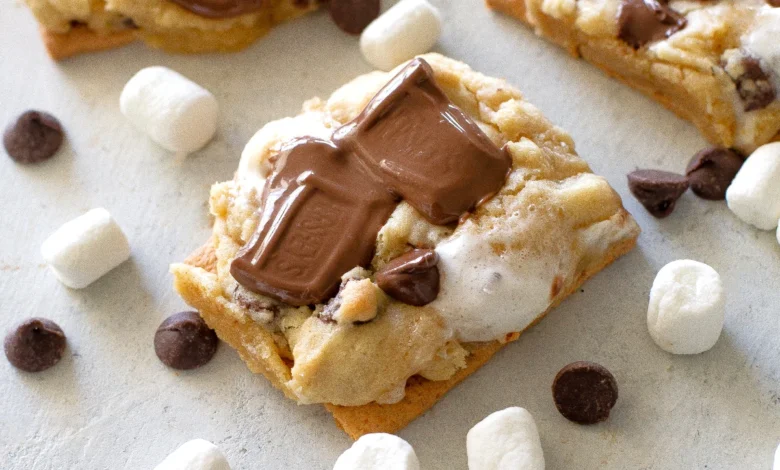
The culinary landscape of the United States has long been defined by its ability to synthesize traditional flavors into portable, innovative formats. Among the most significant recent developments in the domestic baking sector is the emergence of the "hybrid dessert," a category that seeks to marry the structural integrity of a cookie with the complex flavor profiles of more elaborate confections. At the forefront of this movement is the S’mores Cookie, a recipe that has transitioned from a niche campfire treat to a staple of digital culinary discourse and neighborhood gift-giving. This specific iteration, popularized by digital culinary platforms such as "The Girl Who Ate Everything," represents a departure from traditional baking methods by utilizing a graham cracker square as a foundational architectural element for a chocolate chip and marshmallow-infused dough.
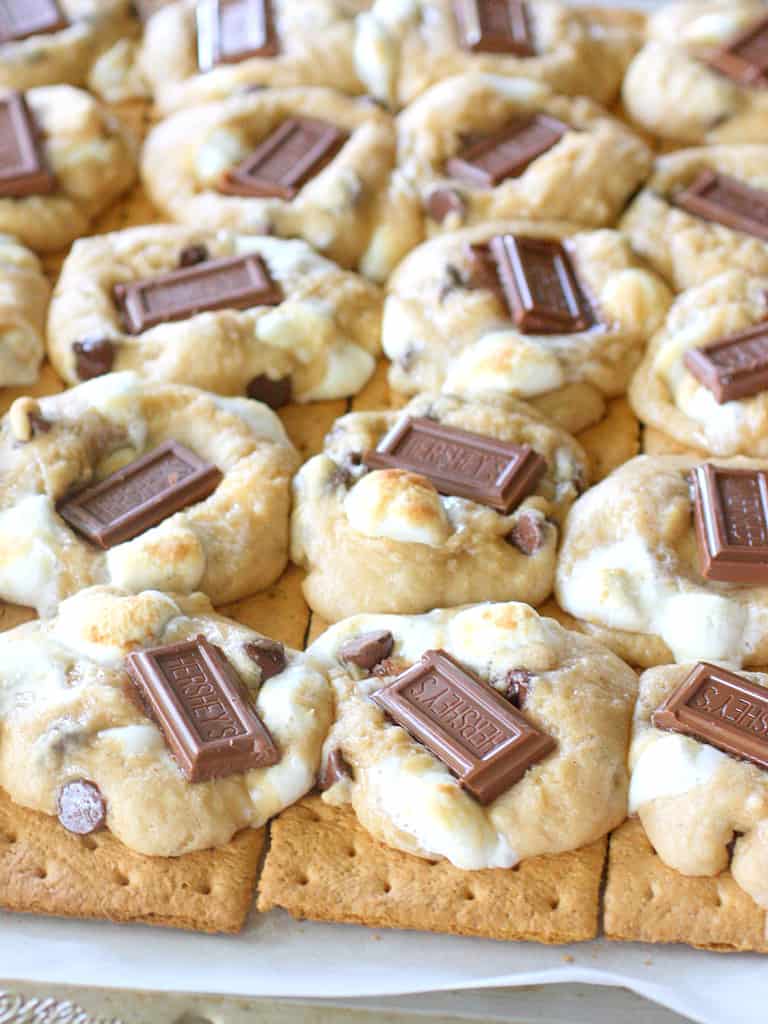
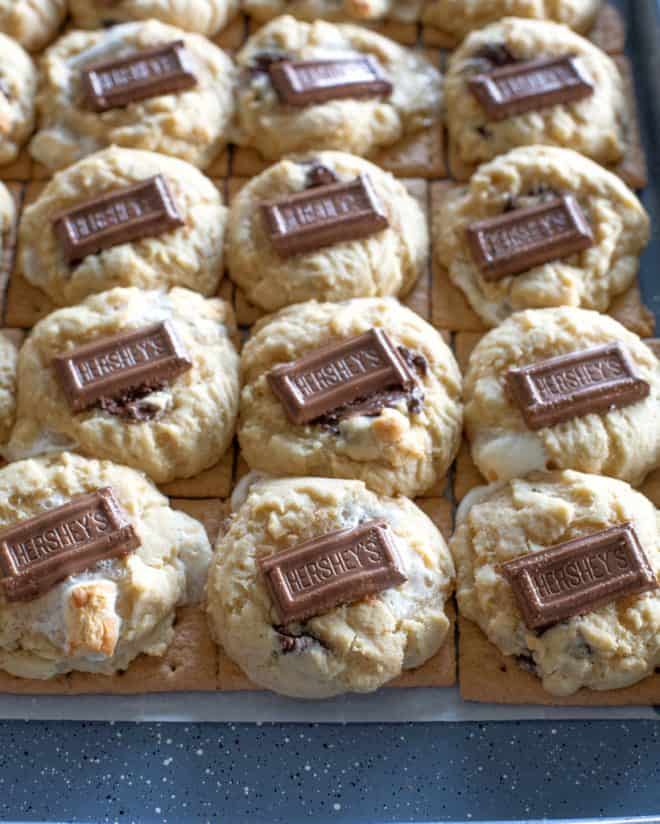
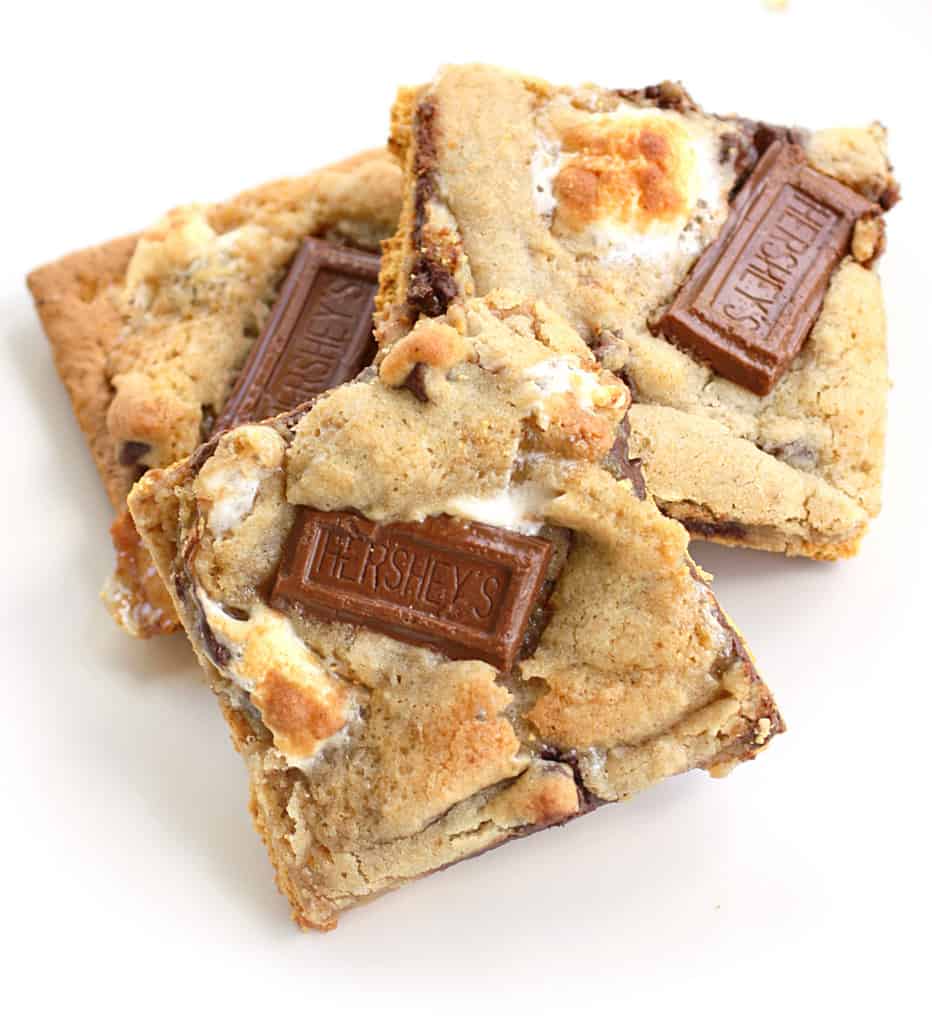
The S’mores Cookie is not merely a confection but a calculated assembly of textures and temperatures. The recipe calls for a graham cracker base topped with a specialized cookie dough, which is subsequently finished with a solid chocolate square, typically a Hershey’s segment. This structural choice addresses a common failure in s’mores-flavored cookies: the loss of the "crunch" factor when graham cracker crumbs are simply mixed into a moist dough. By maintaining the cracker as a distinct layer, the baker preserves the textural contrast that defines the original campfire experience.

Historical Context and the Evolution of the S’more
To understand the current popularity of the S’mores Cookie, one must examine the historical trajectory of its predecessor. The s’more—a contraction of the phrase "some more"—first appeared in recorded history in the 1927 publication "Tramping and Trailing with the Girl Scouts." While the recipe was credited to Loretta Scott Crew, it is widely believed that the combination of toasted marshmallows, chocolate, and graham crackers had been a staple of outdoor youth organizations for several years prior.
For nearly a century, the s’more remained tethered to the campfire. Its preparation required an open flame and immediate consumption due to the volatile nature of melted marshmallows. However, the 21st-century shift toward "nostalgia-based marketing" saw a transformation of this flavor profile. According to market research in the confectionery industry, s’mores-flavored products have seen a 25% year-over-year increase in retail presence since 2015. The transition from a seasonal campfire activity to a year-round baked good, such as the S’mores Cookie, reflects a broader consumer demand for convenient, "gourmet-adjacent" home baking.
Structural Engineering and Ingredient Analysis
The success of the S’mores Cookie recipe relies on a specific chemical interaction between the dough and its base. Unlike standard chocolate chip cookies, which are prone to "spreading" on a baking sheet, the S’mores Cookie uses the graham cracker as a physical barrier. This allows for a thicker, softer cookie center that mimics the gooey interior of a roasted marshmallow.
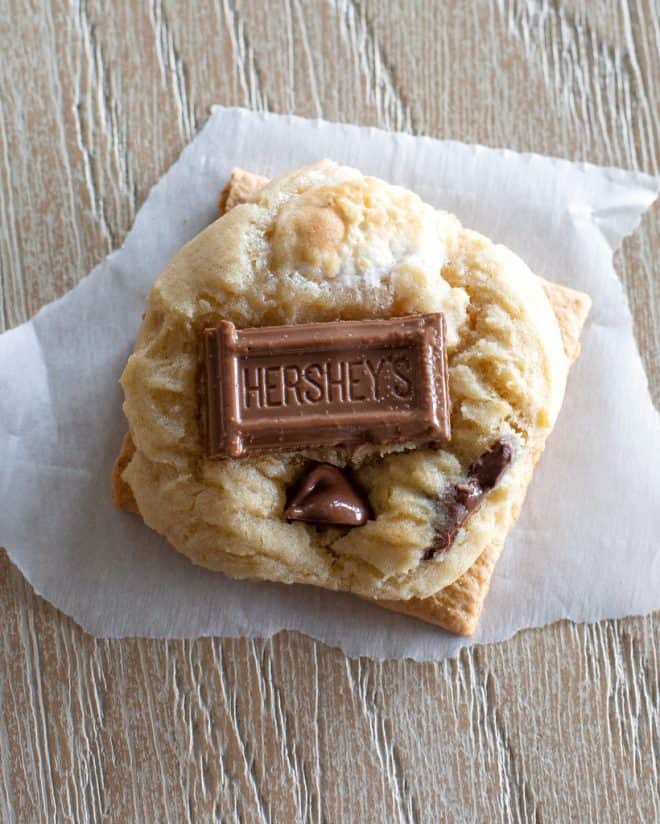
The ingredient list for this modern staple includes high-fat European-style butter, granulated sugar, and brown sugar—the latter providing the molasses content necessary for a chewy texture. The inclusion of mini-marshmallows within the dough presents a technical challenge; marshmallows tend to liquefy and disappear under high heat. To combat this, experienced bakers often recommend chilling the dough or using "mallow bits," though the authentic recipe favored by digital audiences utilizes standard mini-marshmallows that caramelize against the heat of the oven, creating a "webbing" effect familiar to s’mores enthusiasts.
Data from the American Bakers Association suggests that the "hybridization" of cookies—adding candy bars or secondary baked goods as toppings—has increased the average "per-unit" weight of artisanal cookies by nearly 40% over the last decade. The S’mores Cookie typically weighs in at approximately 45 to 55 grams, providing a dense, multi-layered caloric experience.
Nutritional Profile and Consumer Health Considerations
From a nutritional perspective, the S’mores Cookie is categorized as a high-density indulgence. A single serving, as outlined in standardized recipes, contains approximately 120 calories. The macronutrient breakdown reveals 18 grams of carbohydrates, 5 grams of fat (with 3 grams of saturated fat), and 10 grams of sugar. While these figures are consistent with premium cookie standards, the inclusion of the graham cracker base adds a negligible amount of dietary fiber and protein (2 grams), which slightly alters the glycemic response compared to a pure sugar cookie.

Health-conscious consumers have increasingly looked for ways to modify these recipes without sacrificing the "nostalgic" experience. Analysts note that the use of dark chocolate (70% cocoa or higher) and whole-wheat graham crackers has become a common trend among home bakers looking to mitigate the sugar content. However, the "authentic" version remains the most sought-after, driven by the psychological comfort associated with brand-name ingredients like Hershey’s and Jet-Puffed marshmallows.
The Role of Digital Communities in Recipe Dissemination
The meteoric rise of the S’mores Cookie can be directly attributed to the "viral" nature of food blogging and social media. Platforms like "The Girl Who Ate Everything," authored by Christy Denney, serve as modern-day community centers where recipes are vetted, modified, and validated by thousands of users.
A significant factor in the credibility of this recipe is peer-to-peer recommendation. For instance, testimonials from users such as "Mona," a frequent contributor to the baking community, highlight the social utility of the cookie: "Everyone loves them and I always have to refer them to your recipe when they ask for it." This word-of-mouth digital marketing creates a feedback loop that cements certain recipes as "classics" within the digital archive.
Market analysts refer to this as the "Influencer Effect" in the domestic arts. When a recipe is shared by a trusted source and validated by a community of "neighbors and friends," it transcends being a simple set of instructions and becomes a social currency. The S’mores Cookie has benefitted from this, becoming a high-request item for school bake sales, holiday gift baskets, and summer gatherings.
Economic Impact and Market Trends
The confectionery and home-baking industries are multi-billion dollar sectors that respond rapidly to consumer trends. The "cookie segment" of the US bakery market was valued at approximately $11 billion in 2022, with a projected growth rate of 5.3% through 2030. The S’mores Cookie occupies a unique space in this market as it encourages "cross-category purchasing."
To bake these cookies, a consumer must purchase items from three distinct aisles of the grocery store: the baking aisle (flour, sugar, chips), the snack aisle (graham crackers), and the candy aisle (marshmallows and chocolate bars). This "basket-building" effect is highly valued by retailers. Furthermore, the seasonality of s’mores—traditionally a summer flavor—has been successfully extended into the winter months through the cookie format, providing a year-round revenue stream for ingredient manufacturers.
Broader Implications for Modern Gastronomy
The evolution of the S’mores Cookie is indicative of a larger shift in American food culture: the move toward "maximalism." In an era where consumers are bombarded with visual content, a simple cookie often fails to capture attention. The S’mores Cookie, with its visible layers of cracker, golden-brown dough, and melting chocolate square, is designed for the "Instagram era."
However, beneath the aesthetic appeal lies a sophisticated understanding of food science. The recipe balances the pH levels of brown sugar with baking soda to ensure proper browning (the Maillard reaction), while the structural support of the cracker allows for a higher moisture content in the dough. This ensures that the cookie remains soft for several days, a requirement for any recipe intended for gifting or transport.
Conclusion: The Future of the Hybrid Cookie
As we look toward the future of domestic baking, the S’mores Cookie stands as a blueprint for success. It combines historical nostalgia with modern convenience and "scroll-stopping" visual appeal. The recipe’s transition from a campfire novelty to a "tried and true reader favorite" underscores the power of digital communities in shaping the modern palate.
While food trends are notoriously fickle, the S’mores Cookie appears to have achieved a permanent status in the American baking canon. Its ability to evoke the memory of a summer evening while providing the consistent quality of a professional-grade bakery item ensures its continued relevance. As long as consumers seek comfort in the familiar flavors of chocolate, marshmallow, and graham cracker, the S’mores Cookie will remain a cornerstone of the hybrid dessert movement, proving that sometimes, the best way to move forward in culinary innovation is to look back at the classics.