Sourdough Italian Bread: A Technical Analysis of Traditional Fermentation and Modern Baking Methods

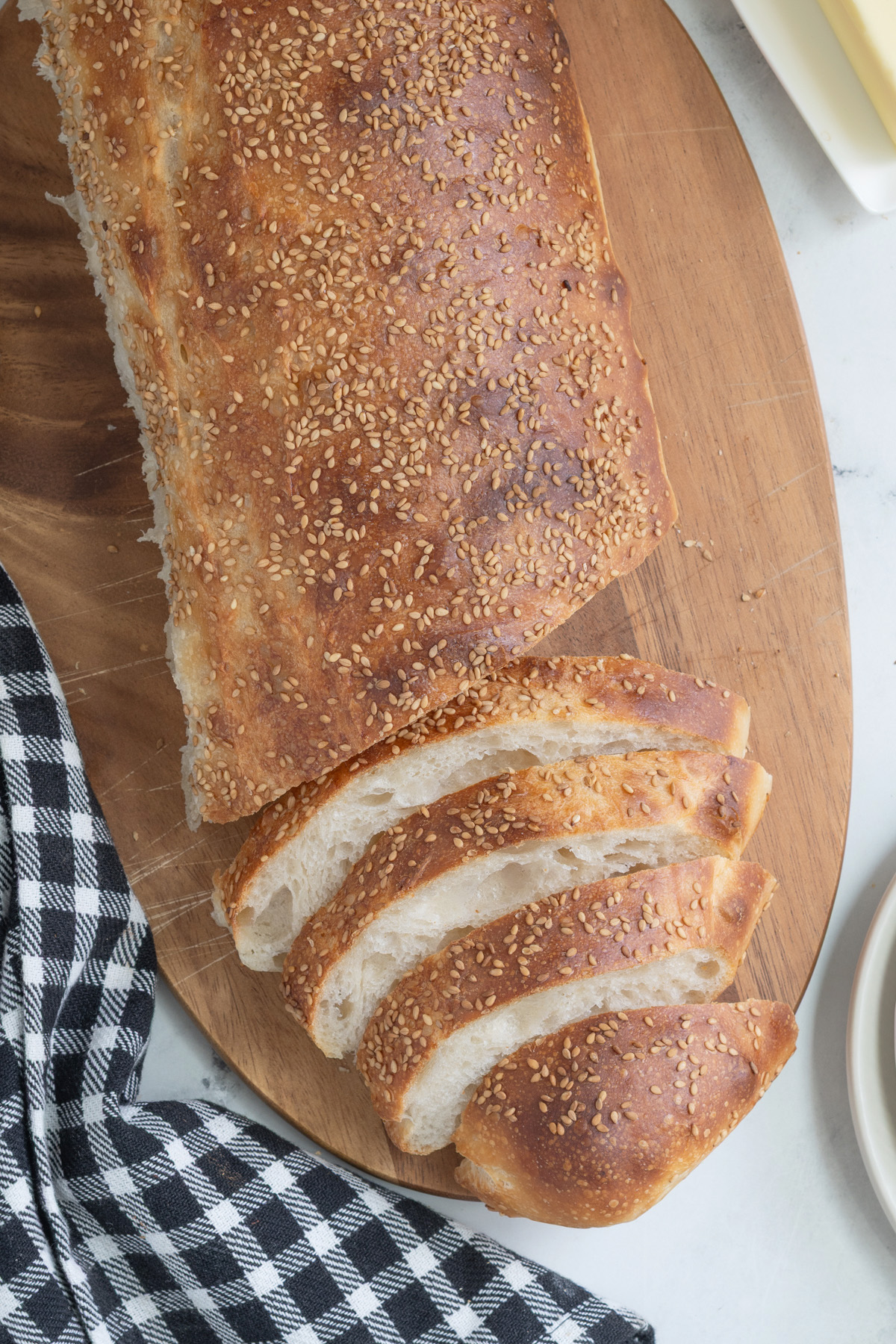
The art of traditional Italian bread baking has undergone a significant resurgence as home bakers and professional artisans alike return to the use of wild yeast starters rather than commercial alternatives. This shift, particularly in the production of the iconic torpedo-shaped Italian loaf, represents a broader movement in the culinary world toward sourdough—a process defined by long fermentation, complex flavor development, and improved nutritional digestibility. Unlike the standard supermarket baguette, which relies on rapid-acting yeast, authentic sourdough Italian bread demands patience, precise temperature control, and a rigorous adherence to the principles of wild fermentation.
The Science of Sourdough Fermentation
At its core, sourdough Italian bread is a product of a symbiotic culture of lactic acid bacteria (LAB) and wild yeast. When flour and water are combined and maintained over a series of days, these naturally occurring microbes colonize the mixture. During the baking process, the lactic acid bacteria produce organic acids—primarily lactic and acetic acids—which are responsible for the distinct, tangy flavor profile characteristic of traditional loaves.
From a biochemical standpoint, the long fermentation process utilized in this specific recipe (often spanning over 12 hours) serves a vital purpose beyond flavor. The extended time allows for the enzymatic breakdown of phytic acid, a substance found in wheat that can inhibit the absorption of minerals like iron and zinc. By neutralizing phytic acid, sourdough fermentation increases the bioavailability of nutrients, making the bread more palatable and easier to digest for many consumers compared to rapid-rise breads.
Chronology of the Baking Process
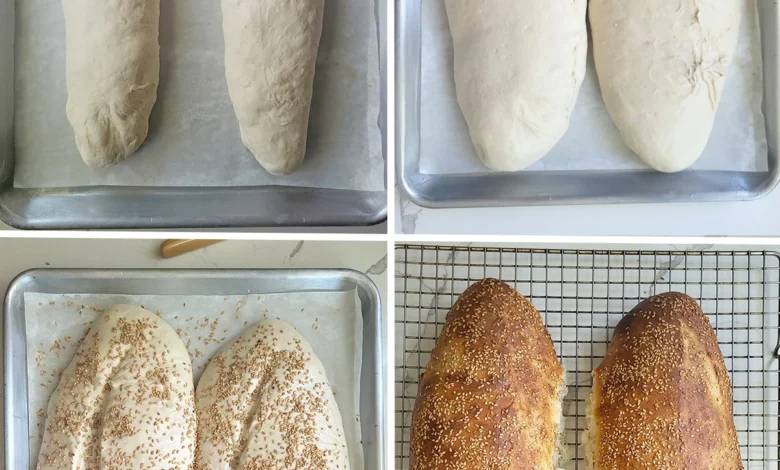
The production of high-quality sourdough Italian bread follows a strict, time-sensitive chronology. According to industry-standard baking guidelines, the process is divided into four distinct phases:
- Initial Mixing and Autolyse: The process begins with the combination of the sourdough starter, flour, water, and salt. A brief autolyse period—allowing the flour and water to hydrate before the addition of salt—facilitates the development of the gluten network.
- Bulk Fermentation: This is the most critical stage. Over a period of several hours, the dough undergoes a series of folds. These folds organize the gluten strands, providing the structure necessary for the loaf to rise and achieve an open, airy crumb.
- Shaping and Proofing: Once the bulk fermentation is complete, the dough is divided into torpedo-shaped portions. Proper tension during the shaping phase is essential to ensure the loaf maintains its structure during the final rise.
- The Cold Retard: The introduction of an overnight cold fermentation stage (often in a refrigerated environment) is a hallmark of professional baking. This step slows the activity of the yeast while allowing the bacteria to continue producing flavor compounds. This "cold retard" is largely responsible for the crackly, thin crust that defines the traditional Italian loaf.
Economic and Culinary Implications
The shift toward artisanal sourdough methods has had a notable impact on the home baking market. As consumers become more conscious of ingredient quality, the demand for "clean label" products—breads containing only flour, water, salt, and starter—has surged. Data from food industry analysts suggest that the sourdough category has seen consistent year-over-year growth, driven by a post-pandemic increase in home culinary activities.
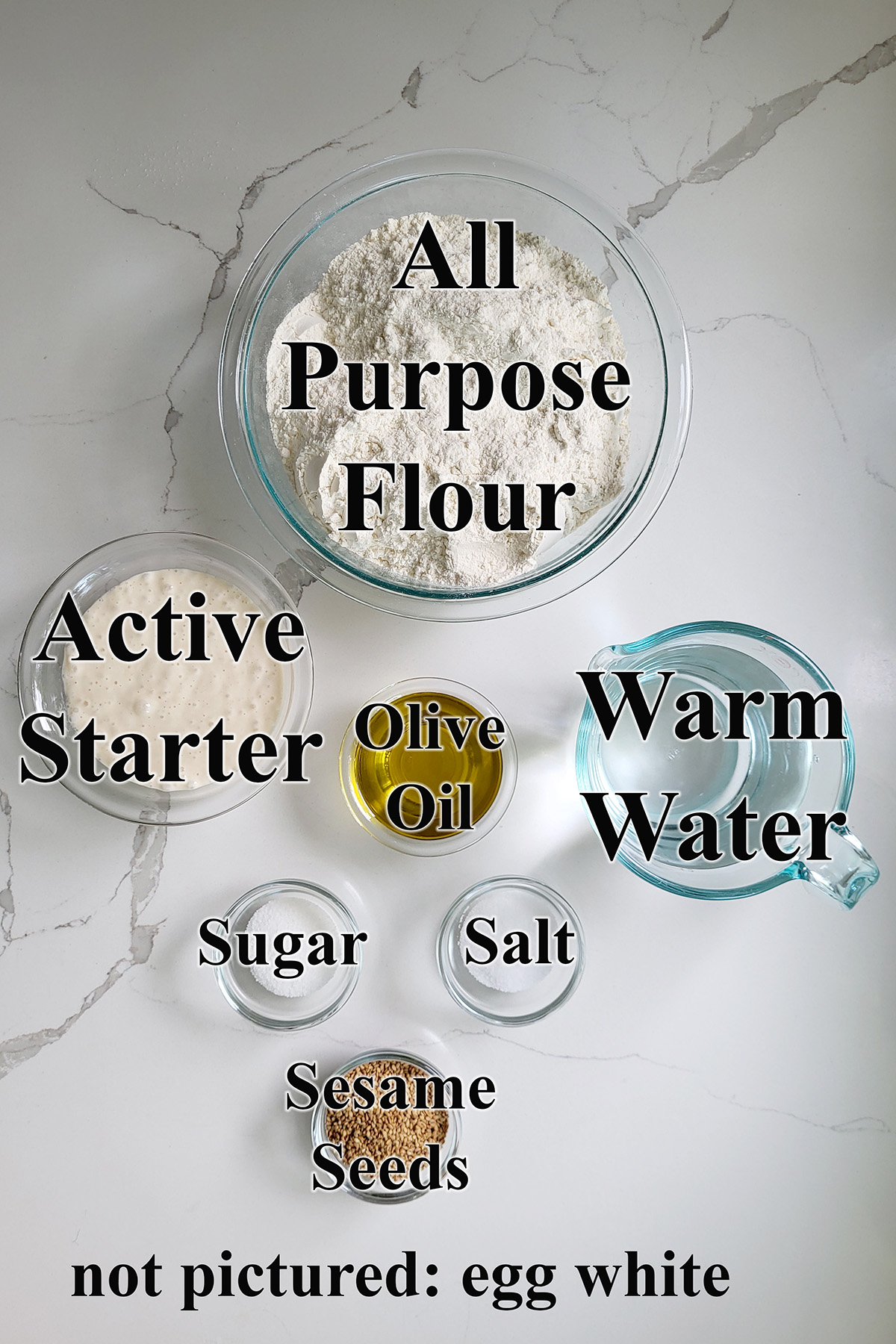
For the home baker, the transition from commercial yeast to sourdough represents a shift from a process-driven model to an intuition-driven one. While commercial yeast offers predictability, sourdough requires the baker to respond to ambient humidity, room temperature, and the vigor of the starter. Experts in the field of food science note that this unpredictability is precisely what gives sourdough its "character." Each batch is a snapshot of the specific environmental conditions in the baker’s kitchen, making the final product a localized culinary artifact.
Expert Guidance on Technical Proficiency
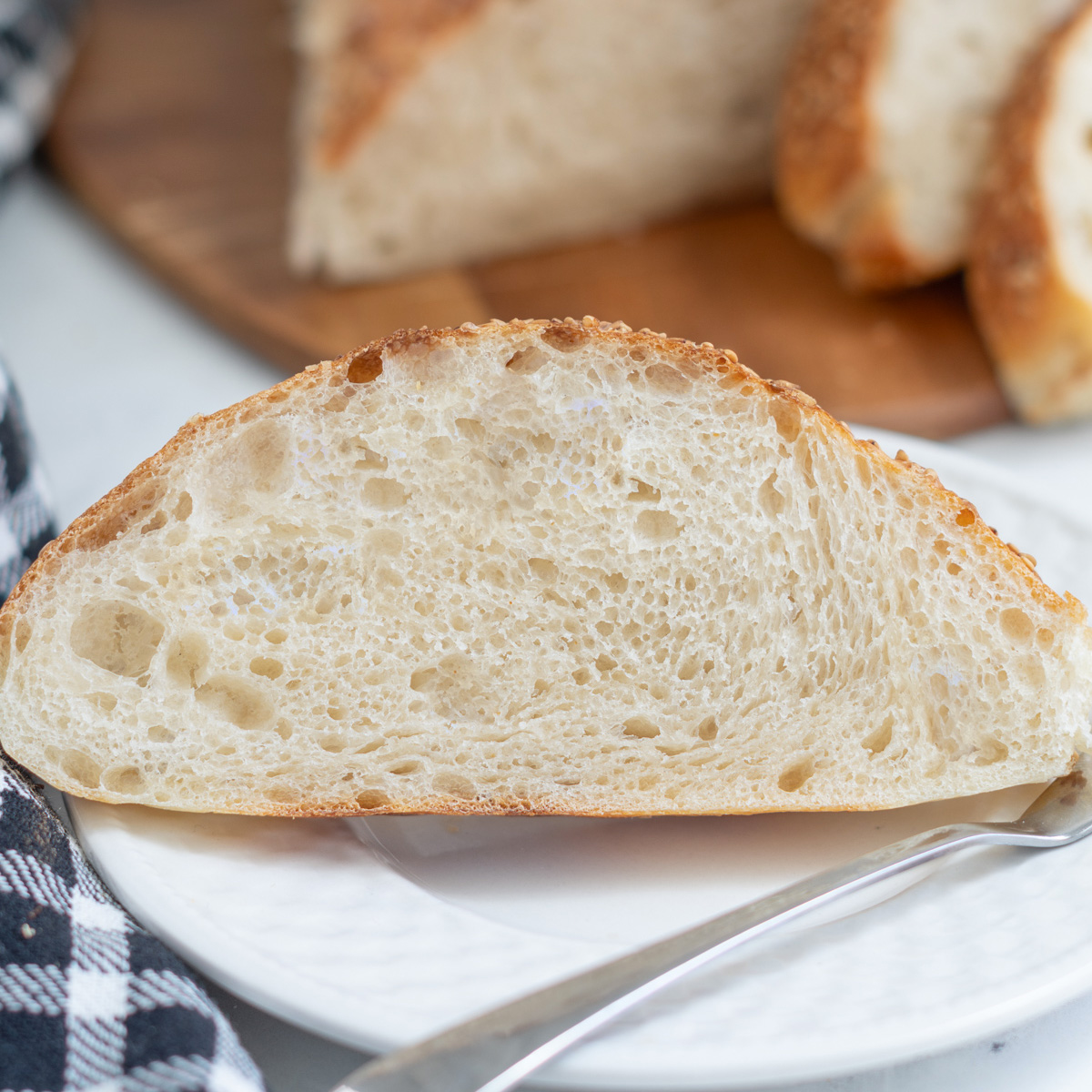
Achieving the ideal, light, and open crumb requires more than just following a recipe; it requires the adoption of professional techniques. Many master bakers emphasize the importance of weight-based measurements rather than volume. Because flour density can vary significantly based on how it is packed into a measuring cup, weighing ingredients in grams ensures consistency across different batches.
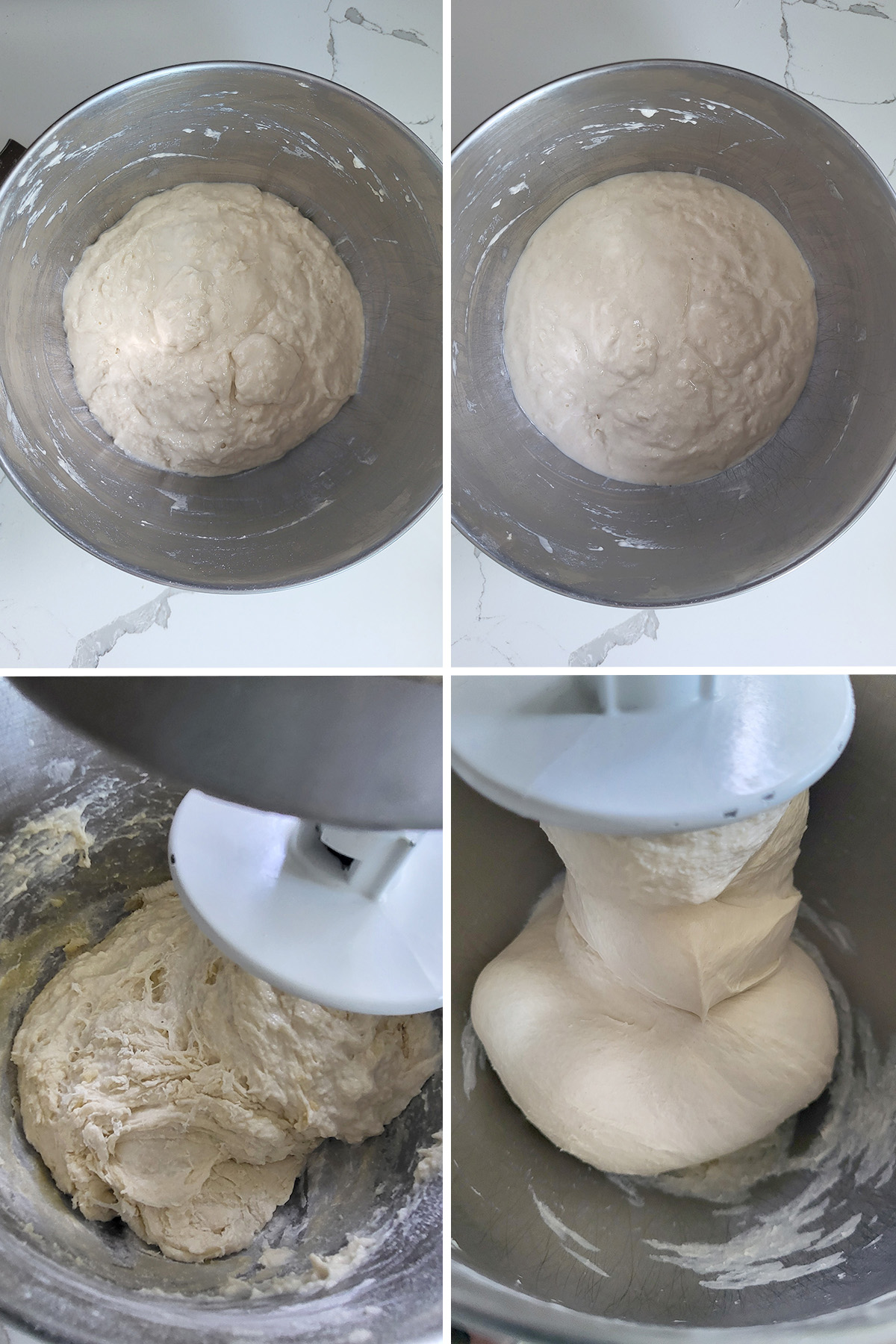
For those struggling with the transition to wild yeast, professional baking schools often point to the "dip and sweep" method as a minimum standard for those without a scale. However, the use of a digital scale is now considered the industry standard for home enthusiasts seeking to replicate the results of a professional bakery. Furthermore, the use of a "Sourdough Hub" or similar educational resource provides essential troubleshooting for common issues, such as over-proofing or insufficient gluten development.
Broader Nutritional and Market Impact
While the primary appeal of this bread is its culinary versatility—ranging from its role as an accompaniment to pasta dishes to its function as a foundation for artisanal sandwiches—the nutritional profile also merits attention. A standard serving of this sourdough Italian bread provides approximately 104 kilocalories, with a balanced macro-nutrient distribution that is notably lower in sugar than commercially produced, mass-market white bread.
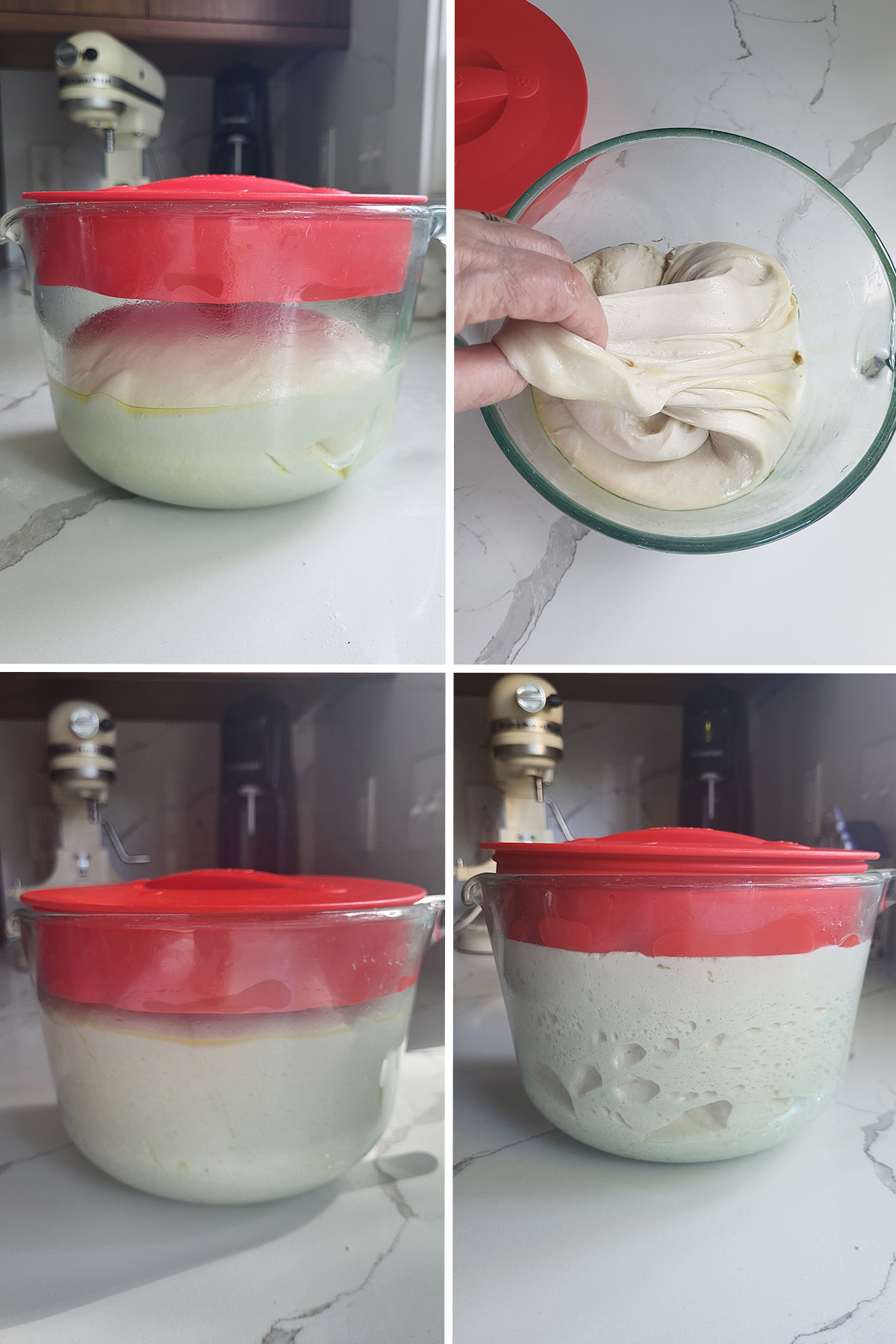
The low sugar content, combined with the presence of complex carbohydrates and minerals made available through long fermentation, positions sourdough as a superior option within the bread category. As the retail bread market continues to face pressure from health-conscious demographics, the traditional Italian sourdough loaf remains a resilient product, bridging the gap between historical tradition and modern dietary requirements.
Conclusion: The Future of Traditional Baking
The persistence of the torpedo-shaped Italian loaf in modern households serves as a testament to the enduring value of traditional food preparation. While industrialization has made bread more accessible and affordable, the sourdough movement demonstrates that the consumer appetite for quality, flavor, and technique remains strong. By prioritizing a long, slow fermentation and utilizing high-quality, measured ingredients, home bakers can achieve a product that rivals the output of professional bakeries.
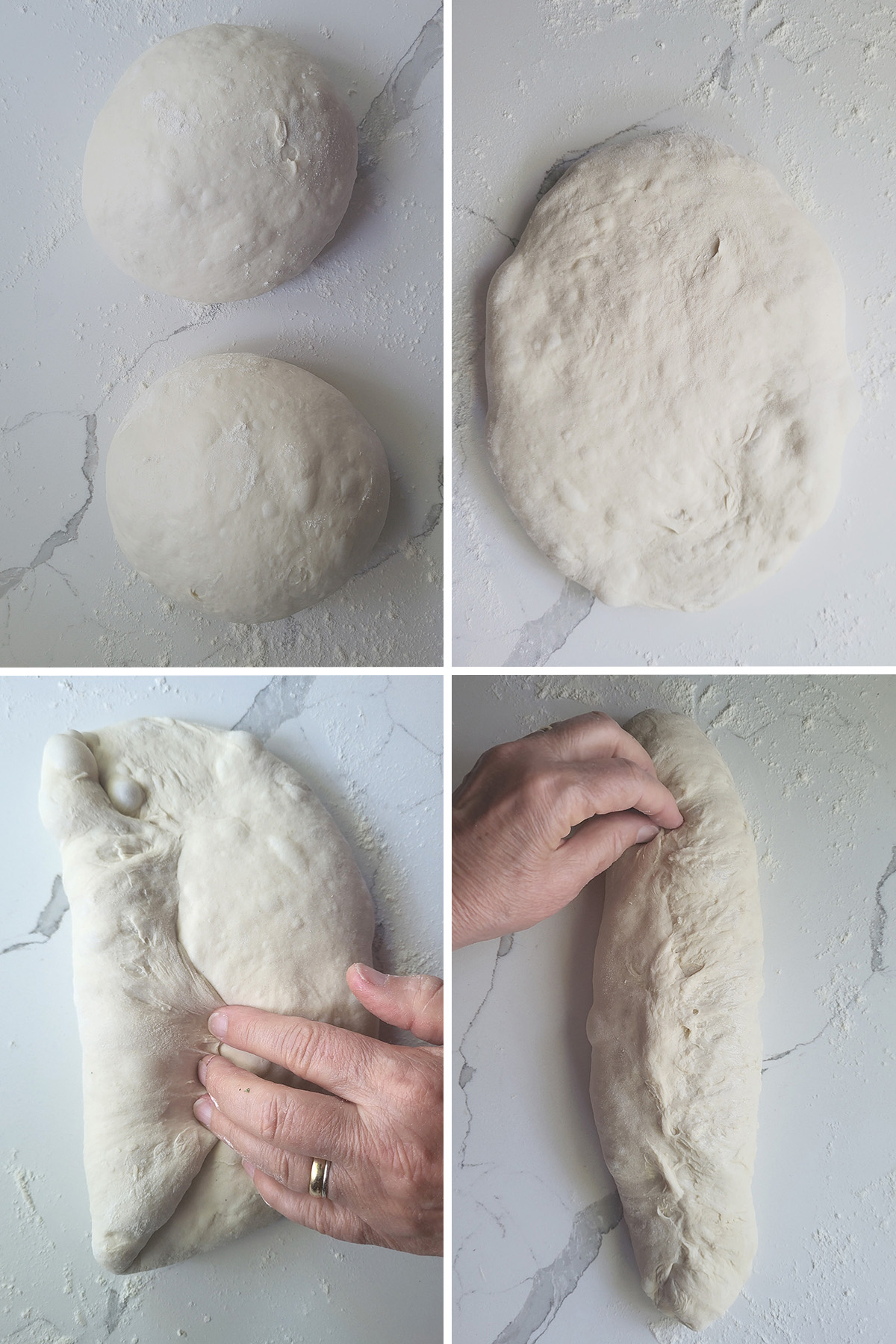
As the industry continues to evolve, the integration of digital tools and online education platforms will likely continue to democratize high-level baking skills. Whether one is a novice looking to bake their first loaf or an experienced practitioner refining their technique, the principles of sourdough remain constant: time, temperature, and the subtle, complex chemistry of wild yeast. Through this rigorous, time-honored process, the sourdough Italian bread preserves its place as a staple of both home and professional kitchens.