
Spicy Slow Cooked Beanless Chili

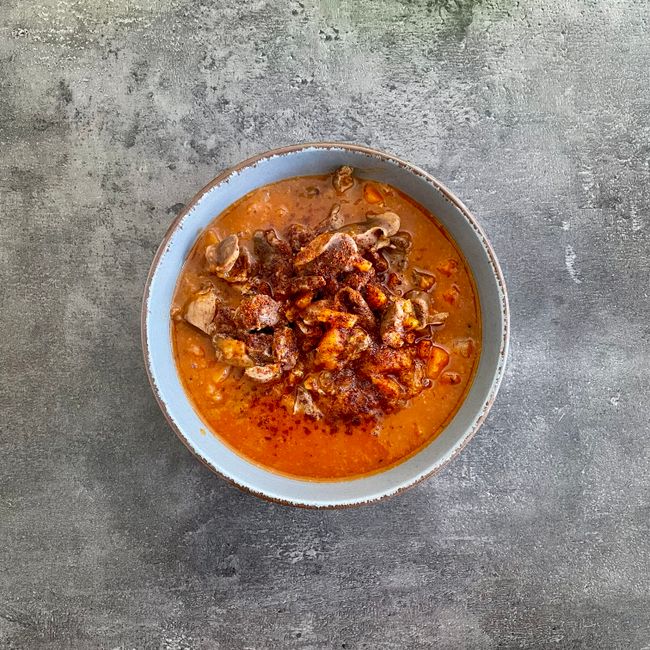
Fiery Slow Cooker Beanless Chili: A Deep Dive into Flavor and Simplicity
This article explores the creation and benefits of a robust, spicy, and entirely beanless chili, specifically designed for slow cooker preparation. We will delve into the essential ingredients, the nuances of spice layering, the slow cooking process for optimal flavor development, and variations to suit different palates and dietary needs. The objective is to provide a comprehensive guide for home cooks seeking a deeply flavorful, satisfying, and easy-to-prepare chili without the inclusion of beans, emphasizing its adaptability and appeal for various occasions and dietary preferences. This beanless approach allows for a more intense focus on the meaty and vegetable components, creating a rich, hearty texture that is often sought after in chili. The slow cooking method is paramount here, as it allows the complex flavors to meld and deepen over an extended period, transforming simple ingredients into a culinary masterpiece. We will dissect the fundamental elements that contribute to a truly exceptional beanless chili, from the initial searing of the meat to the final simmer, ensuring maximum taste extraction and a satisfying mouthfeel. The absence of beans also makes this recipe inherently lower in carbohydrates and potentially more digestible for individuals with sensitivities, further enhancing its broad appeal. Understanding the role of each ingredient, from the type of chili peppers to the aromatic vegetables and spices, is crucial for achieving the desired heat and depth of flavor.
The Foundation: Meat and Aromatics
The cornerstone of any great chili, especially a beanless variety, is the quality and preparation of the meat. Ground beef, particularly a blend with 80/20 fat content, offers richness and moisture that is essential for slow cooking. For a leaner option, ground turkey or chicken can be used, though they may require the addition of a little extra fat during the initial searing to prevent dryness. The key to unlocking maximum flavor from the meat lies in the browning process. Searing the ground meat in a hot skillet until deeply browned and slightly crispy is non-negotiable. This Maillard reaction creates complex flavor compounds that cannot be replicated through slow cooking alone. Drain off excess fat, reserving a tablespoon or two for sautéing the aromatics.
The aromatic base of this chili is as critical as the meat. Finely diced yellow or white onions form the initial layer, softened and caramelized to release their sweetness. Garlic, minced or pressed, is added in the final minutes of sautéing the onions to prevent burning, infusing its pungent aroma. Bell peppers, in a variety of colors (red, green, yellow, orange), contribute sweetness and a subtle vegetal note. For a spicier chili, consider incorporating jalapeños or serrano peppers, finely minced and deseeded if a milder heat is desired, or left in with membranes for a significant kick. The sautéing of these aromatics until tender but not mushy is crucial for building a well-rounded flavor profile. This step, often overlooked, is the unsung hero in developing depth.
The Spice Symphony: Building Layers of Heat and Flavor
The term "spicy" in chili is subjective and can be achieved through a multitude of chili pepper varieties and spice blends. For a truly impactful beanless chili, a multi-pronged approach to spice is recommended. Chili powder, a blend typically containing ground chilies, cumin, oregano, and sometimes garlic powder and salt, forms the primary flavor base. Opt for a good quality chili powder, ideally one with a robust chili flavor rather than an overly dusty or bland one.
Beyond the chili powder, individual dried chili peppers offer distinct flavor profiles and heat levels. Ancho chili powder, made from dried poblano peppers, provides a smoky, slightly sweet, and mild heat. Guajillo chili powder contributes a fruity, tangy flavor with moderate heat. For a bolder, spicier kick, chipotle chili powder, made from smoked jalapeños, offers an intense smoky flavor and significant heat. You can also rehydrate whole dried chilies like ancho, guajillo, or arbol peppers, blend them into a paste, and add them to the chili for a more nuanced and potent chili flavor.
Beyond chili powders, ground spices play a vital role in complexity. Cumin, with its earthy and warm notes, is indispensable in chili. Smoked paprika adds another layer of smoky depth and a beautiful reddish hue. Mexican oregano, distinct from its Mediterranean cousin, offers a more pungent, earthy, and slightly citrusy flavor. A pinch of cayenne pepper can be added for an extra burst of heat, carefully controlled to avoid overwhelming the other flavors. Some cooks also incorporate a touch of cocoa powder or unsweetened chocolate, which paradoxically deepens the savory notes of the chili without imparting a chocolate flavor. This ingredient adds an unexpected richness and complexity.
The Slow Cooker Advantage: Meld and Develop
The slow cooker is the ideal vessel for developing the deep, complex flavors of this beanless chili. Once the meat is browned and the aromatics are sautéed, all ingredients are transferred to the slow cooker. The low, slow cooking process allows the flavors to meld and intensify over several hours. The ideal cooking time typically ranges from 4 to 8 hours on the low setting, or 2 to 4 hours on the high setting.
The initial liquids in the chili are also crucial for flavor extraction and texture. Diced tomatoes, either fire-roasted for an extra smoky dimension or plain diced tomatoes, provide acidity and a liquid base. Tomato paste, concentrated tomato flavor, adds depth and richness. Broth, be it beef, chicken, or vegetable broth, adds another layer of savory flavor and ensures the chili doesn’t dry out. For an even richer chili, consider using a combination of broth and a splash of dark beer or red wine. The alcohol will cook off, leaving behind a complex, malty depth.
Key Ingredients for a Stellar Beanless Chili:
- Meat: Ground beef (80/20 recommended), ground turkey, ground chicken.
- Aromatics: Yellow or white onion, garlic, bell peppers (red, green, yellow, orange), jalapeños or serrano peppers (optional).
- Tomatoes: Diced tomatoes (fire-roasted recommended), tomato paste.
- Liquids: Beef, chicken, or vegetable broth. Dark beer or red wine (optional).
- Spices: Chili powder (high quality), cumin, smoked paprika, Mexican oregano, cayenne pepper (optional), cocoa powder or unsweetened chocolate (optional).
- Flavor Enhancers: Worcestershire sauce, soy sauce or tamari (for umami), a touch of sugar or honey to balance acidity (optional).
- Fresh Herbs (for garnish): Cilantro, chives.
- Dairy/Toppings (for serving): Sour cream, shredded cheese (cheddar, Monterey Jack), diced avocado, lime wedges, pickled jalapeños.
Crafting Your Beanless Chili: Step-by-Step
- Brown the Meat: In a large skillet over medium-high heat, brown the ground meat, breaking it up into crumbles. Drain off excess fat, leaving about a tablespoon in the skillet.
- Sauté Aromatics: Add the diced onions and bell peppers to the skillet. Cook until softened, about 5-7 minutes. Add the minced garlic and cook for an additional minute until fragrant.
- Combine Ingredients: Transfer the browned meat and sautéed aromatics to the slow cooker insert. Add the diced tomatoes, tomato paste, chili powder, cumin, smoked paprika, Mexican oregano, cayenne pepper (if using), cocoa powder (if using), broth, Worcestershire sauce, and soy sauce. Stir well to combine.
- Slow Cook: Cover the slow cooker and cook on low for 6-8 hours or on high for 2-4 hours, until the flavors have melded and the chili has thickened.
- Adjust Seasoning: Before serving, taste and adjust seasoning as needed. Add salt and pepper to taste. If the chili is too thick, add a little more broth. If it’s too thin, you can thicken it by uncovering the slow cooker for the last 30-60 minutes of cooking, or by mixing a tablespoon of cornstarch or flour with a little water and stirring it into the chili.
- Serve: Ladle the hot chili into bowls and serve with your favorite toppings.
Variations and Customizations:
The beauty of this beanless chili lies in its versatility. For those seeking even more heat, incorporate a spicier blend of dried chilies or add a dash of hot sauce to individual bowls. If a milder chili is preferred, reduce or omit the cayenne pepper and use only mild chili powders. Consider adding other vegetables like zucchini, corn (though technically a grain, it often functions as a vegetable in chili), or mushrooms for added texture and nutrients. For a smoky, richer flavor, incorporate a bit of chopped smoked sausage or bacon during the initial browning stage.
A vegetarian or vegan version can be achieved by substituting the ground meat with plant-based crumbles, extra firm tofu crumbled and sautéed, or a mix of finely chopped mushrooms and lentils (if beans are not an issue for the vegetarian). The broth should be vegetable broth, and the Worcestershire sauce should be replaced with a vegan alternative.
SEO Considerations:
To maximize the search engine optimization (SEO) of this article, keywords such as "beanless chili," "slow cooker chili," "spicy chili recipe," "easy chili," "meat chili," "no bean chili," and specific ingredient-related terms like "ground beef chili" or "ancho chili" should be naturally integrated throughout the text. The use of headings and subheadings, as demonstrated, helps search engines understand the structure and content of the article. A strong meta description that summarizes the article’s key offerings will also be crucial. The article aims to be a comprehensive resource, covering all aspects of beanless chili preparation, thus attracting a wider audience searching for detailed and reliable recipe information. The inclusion of clear, actionable steps and ingredient lists also contributes to its discoverability and usefulness. The focus on the "slow cooker" aspect further targets a specific segment of home cooks. The term "spicy" is emphasized, appealing to those who enjoy heat. The absence of "filler" and "fluff" ensures that the content is direct and valuable, which search engines favor.
Conclusion (Implied by the comprehensive nature of the article):
This detailed exploration of spicy, slow-cooked, beanless chili offers a robust framework for creating a deeply flavorful and satisfying dish. By understanding the fundamental principles of meat preparation, spice layering, and the slow cooking process, home cooks can achieve a chili that is both delicious and remarkably easy to prepare. The adaptability of the recipe ensures that it can be tailored to individual preferences, making it a go-to option for weeknight meals, game day gatherings, or any occasion demanding a hearty and warming culinary experience. The absence of beans opens up a new dimension of flavor focus, highlighting the savory notes of the meat and the intricate symphony of spices.


