
Tag Gluten Free Pancakes

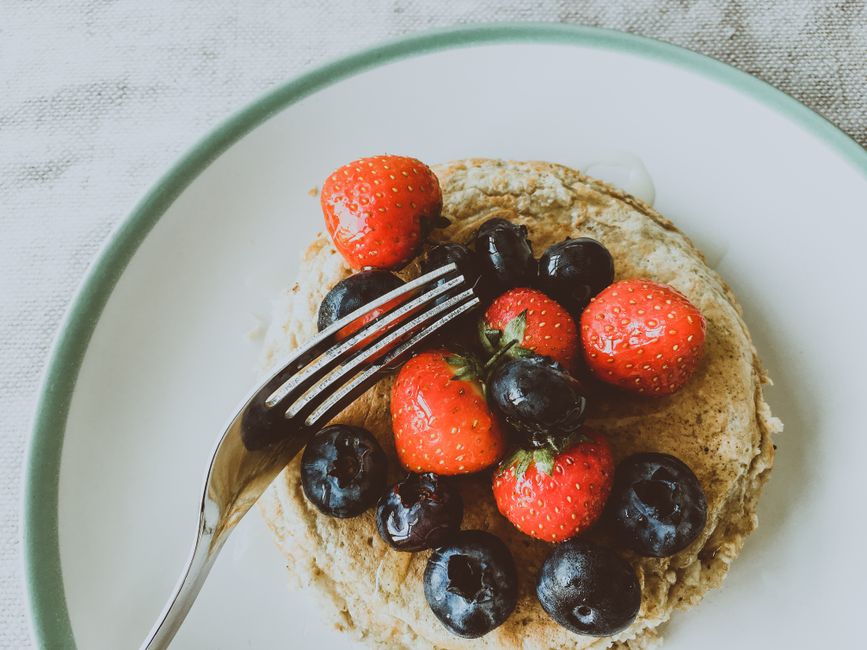
Gluten-Free Pancakes: A Comprehensive Guide to Perfect, Fluffy, and Flavorful Creations
Achieving delicious, fluffy, and satisfying gluten-free pancakes requires understanding the nuances of gluten-free flours and leavening agents. Unlike traditional pancakes that rely on gluten for structure and elasticity, gluten-free versions demand a careful balance of ingredients to mimic those desirable qualities. The primary challenge lies in replacing the binding properties of gluten. This is where a thoughtful selection of gluten-free flour blends, often incorporating a combination of starches and grains, becomes crucial. Common gluten-free flour choices include rice flour (white and brown), sorghum flour, oat flour (certified gluten-free), almond flour, coconut flour, buckwheat flour, and tapioca starch, potato starch, or cornstarch. Each contributes unique textures and flavors. Rice flour provides a neutral base, while sorghum and buckwheat add a slightly nutty depth. Almond and coconut flours offer richness and a slightly denser crumb. Starches like tapioca and potato are essential for lightening the batter and providing a delicate crispness to the edges, crucial for that perfect pancake texture.
When formulating a gluten-free pancake recipe, the liquid-to-flour ratio is paramount. Gluten-free flours tend to absorb more liquid than wheat flour, so a slightly wetter batter is often necessary to prevent dry, crumbly pancakes. Too much liquid, however, can result in flat, greasy pancakes. It’s a delicate dance, and often, recipes call for resting the batter for 10-15 minutes after mixing. This resting period allows the gluten-free flours to fully hydrate, absorbing the liquid and creating a more cohesive batter, leading to a better texture upon cooking. Without adequate hydration, the starches won’t gelatinize properly, resulting in a gritty mouthfeel and a lack of binding.
Leavening is another critical component. While baking powder is the standard, its effectiveness can sometimes be enhanced in gluten-free recipes. Some recipes benefit from a combination of baking powder and baking soda, especially if there’s an acidic ingredient like buttermilk or yogurt in the mix, which will activate the baking soda. The acidity reacts with the baking soda to produce carbon dioxide gas, creating air bubbles that contribute to the pancake’s fluffiness. Ensuring your baking powder and baking soda are fresh is vital; expired leavening agents will significantly impact the rise and texture. Double-acting baking powder is generally preferred as it releases gas in two stages: once when it gets wet and again when it heats up in the pan.
Fat plays a role beyond just preventing sticking. Butter or oil contributes to tenderness and a rich flavor. Melted butter often lends a more nuanced flavor than neutral oils, but oils like canola, vegetable, or even coconut oil can be used. The amount of fat can also influence the browning and crispiness of the pancakes. A well-greased griddle or non-stick pan is essential, and maintaining a consistent medium heat is key for even cooking. Too high a heat will result in burnt exteriors and raw, doughy interiors, while too low a heat will lead to pale, flat pancakes that are more likely to absorb excess oil.
The mixing process for gluten-free pancake batter is also slightly different. Overmixing is still an enemy, as it can develop toughness in certain gluten-free flours. However, with gluten-free flours, the goal is to ensure all ingredients are just combined. A few lumps in the batter are perfectly acceptable, and often desirable. Vigorous whisking can incorporate too much air initially, which then dissipates during resting, or it can overwork the starches, leading to a gummy texture. Gentle folding or a few quick stirs until no dry streaks of flour remain is the best approach.
For those new to gluten-free baking, starting with a pre-made gluten-free pancake mix can be a convenient option. These mixes have already undergone extensive testing to create balanced flour blends and include the necessary leavening agents. However, understanding the components of these mixes can empower you to customize them or create your own from scratch. Look for mixes that list a variety of flours and starches for a superior texture. Some mixes may be too heavy or dense, so reading reviews or experimenting with different brands is recommended.
Common Gluten-Free Flour Blends and Their Properties
A well-balanced gluten-free flour blend is the cornerstone of successful gluten-free pancakes. The objective is to replicate the texture and structure that gluten provides. This is typically achieved by combining a primary gluten-free flour with starches and, sometimes, a secondary flour for flavor and texture.
-
The All-Purpose Blend: This is a versatile starting point. A common ratio might involve:
- Rice Flour (White or Brown): Approximately 40-50% of the blend. White rice flour provides a neutral flavor and light texture, while brown rice flour adds a slightly nutty taste and more nutrients.
- Tapioca Starch/Flour: Around 20-30%. This starch is crucial for binding and creating a slightly chewy, crisp texture. It also helps to lighten the overall density.
- Potato Starch (not flour): About 10-20%. Potato starch contributes to a tender crumb and aids in moisture retention, preventing dryness.
- Sorghum Flour or Oat Flour (certified GF): Approximately 10-20%. Sorghum flour adds a mild, slightly sweet flavor and a tender texture. Certified gluten-free oat flour provides a pleasant chewiness and a wholesome flavor.
-
Almond Flour Based Blends: For a richer, denser pancake with a slightly nutty flavor.
- Almond Flour: The primary component (50-60%). Provides fat and a delicious flavor, but can lead to a denser pancake on its own.
- Tapioca Starch or Arrowroot Starch: 20-30%. To lighten the batter and improve binding.
- Coconut Flour: 10-20%. Absorbs a lot of liquid and adds a subtle sweetness and fiber. Use sparingly as it can make pancakes dry if overused.
-
Buckwheat Flour Blends: For a heartier, earthier pancake.
- Buckwheat Flour: 40-50%. Offers a robust, slightly bitter flavor and a dense texture.
- Rice Flour (White or Brown): 20-30%. To balance the flavor and lighten the texture.
- Potato Starch or Tapioca Starch: 20-30%. For binding and tenderness.
Key Ingredients and Their Roles in Gluten-Free Pancakes
Beyond the flour blend, other ingredients are vital for achieving perfect gluten-free pancakes.
- Eggs: Act as a binder, providing structure and richness. They also contribute to the leavening process and add color. The number of eggs can be adjusted; more eggs can lead to a richer, more cake-like pancake.
- Milk (Dairy or Non-Dairy): Provides moisture and helps to activate leavening agents. Different milk options will impart subtle flavor differences. Almond milk, soy milk, oat milk, and coconut milk are excellent non-dairy alternatives. Buttermilk or yogurt (dairy or non-dairy) can add a pleasant tang and react with baking soda for extra lift.
- Sweetener: Granulated sugar, maple syrup, honey, or coconut sugar can be used. The type and amount of sweetener influence flavor, browning, and tenderness. Sugars tenderize by interfering with gluten development (though not a primary concern here) and by attracting moisture.
- Fat (Butter or Oil): Contributes to tenderness, moisture, and crispness. Melted butter adds a richer flavor. Oils like canola, vegetable, or coconut oil offer neutral flavors and contribute to browning.
- Leavening Agents (Baking Powder and Baking Soda): Essential for achieving a light and fluffy texture.
- Baking Powder: A double-acting leavener that releases gas when wet and when heated. Ensure it’s fresh.
- Baking Soda: Requires an acidic ingredient (like buttermilk, yogurt, lemon juice, or vinegar) to activate. Use in conjunction with baking powder for maximum lift.
- Salt: Enhances the flavors of all other ingredients and balances sweetness.
Techniques for Optimal Gluten-Free Pancake Texture
Achieving that coveted fluffy texture in gluten-free pancakes involves more than just the ingredients. The process matters.
- Accurate Measuring: Gluten-free baking is less forgiving than wheat-based baking. Use the "spoon and level" method for flours: spoon the flour into your measuring cup and level off the excess with a straight edge. Avoid scooping directly from the bag, which can compact the flour.
- Resting the Batter: This is perhaps the most crucial step for gluten-free pancakes. After mixing, let the batter rest for at least 10-15 minutes. This allows the flours and starches to fully absorb the liquid, preventing a gritty texture and improving binding and fluffiness. The batter will thicken slightly during this time.
- Gentle Mixing: Combine wet and dry ingredients until just combined. A few lumps are perfectly acceptable. Overmixing can lead to a gummy or tough texture, even in gluten-free flours.
- Proper Griddle Temperature: Preheat your griddle or non-stick pan to medium heat (around 350-375°F or 175-190°C). Too high a heat will burn the outside before the inside cooks, resulting in a pale, doughy interior. Too low a heat will produce flat, greasy pancakes.
- Greasing the Pan: Lightly grease the griddle with butter or oil before each batch. A thin, even layer is sufficient. Too much grease will lead to oily pancakes.
- Pouring the Batter: Pour the batter onto the hot griddle in ¼ to ½ cup portions. Avoid overcrowding the pan, as this can lower the temperature and lead to uneven cooking.
- Flipping Technique: Wait for bubbles to appear on the surface of the pancake and the edges to look set (about 2-3 minutes). Then, gently flip the pancake. If it resists, it’s not ready. A thin spatula is ideal for getting underneath. Cook the second side until golden brown and cooked through (another 1-2 minutes).
- Keeping Pancakes Warm: As you cook batches, keep the finished pancakes warm by placing them on a baking sheet in a slightly warm oven (around 200°F or 95°C).
Troubleshooting Common Gluten-Free Pancake Problems
Even with careful attention, some issues can arise. Here’s how to address them:
- Dry and Crumbly Pancakes:
- Cause: Insufficient liquid or under-hydrated flours.
- Solution: Increase the liquid in your recipe slightly. Ensure you are resting the batter for adequate time. Check the expiration dates of your leavening agents. Consider adding a touch more fat or a binder like a tablespoon of applesauce or mashed banana.
- Flat and Dense Pancakes:
- Cause: Expired or insufficient leavening agents, overmixing, or a batter that is too thin.
- Solution: Ensure your baking powder and baking soda are fresh. Reduce the liquid in your batter. Mix only until combined. Try adding a bit more baking powder.
- Gritty Texture:
- Cause: Flours or starches did not fully hydrate.
- Solution: Allow the batter to rest for longer. Ensure you are using a blend that includes starches like tapioca or potato starch, which help create a smoother texture.
- Gummy Texture:
- Cause: Overmixing or too much starch in proportion to flour.
- Solution: Mix the batter gently until just combined. Adjust your flour blend to ensure a good balance of flours and starches.
- Burning on the Outside, Raw Inside:
- Cause: Griddle temperature is too high.
- Solution: Reduce the heat to medium. Allow the pancake to cook for slightly longer on the first side before flipping.
Variations and Add-Ins for Flavorful Gluten-Free Pancakes
Once you’ve mastered the basic gluten-free pancake, you can explore endless flavor combinations.
- Fruit: Fold in fresh berries (blueberries, raspberries, strawberries), sliced bananas, or diced apples into the batter before cooking.
- Chocolate Chips: A classic! Use dairy-free chocolate chips for a dairy-free option.
- Spices: Add cinnamon, nutmeg, cardamom, or ginger for a warm, aromatic pancake.
- Zest: Lemon or orange zest can add a bright, fresh citrus note.
- Nuts and Seeds: Chopped pecans, walnuts, or a sprinkle of chia seeds or flax seeds can add texture and nutrients.
- Savory Pancakes: Omit the sugar and add ingredients like chopped chives, finely diced bell peppers, or shredded cheese for a savory breakfast or brunch option. Serve with eggs, avocado, or smoked salmon.
The SEO Advantage: Optimizing for "Gluten-Free Pancakes"
This article is structured to be highly searchable and informative for anyone looking to make gluten-free pancakes. The title is clear and keyword-rich. The content dives directly into the core topic, addressing the challenges and solutions associated with gluten-free baking. Throughout the article, key terms like "gluten-free pancakes," "fluffy pancakes," "pancake recipe," "gluten-free flour blend," "tapioca starch," "rice flour," "baking powder," and "leavening agents" are naturally integrated. The breakdown of flour blends, ingredient roles, techniques, troubleshooting, and variations provides comprehensive answers to user queries. The formatting with headings and bullet points improves readability and allows search engines to quickly identify key information. By providing detailed, practical, and actionable advice, this article aims to rank highly for relevant search terms, attracting users seeking reliable information on creating delicious gluten-free pancakes. The focus on explaining why certain techniques and ingredients work empowers users, fostering trust and encouraging engagement with the content.


