Culinary Innovation Meets Weeknight Convenience: The Rise of Quick, Plant-Based Fusion Noodles in Modern Home Cooking

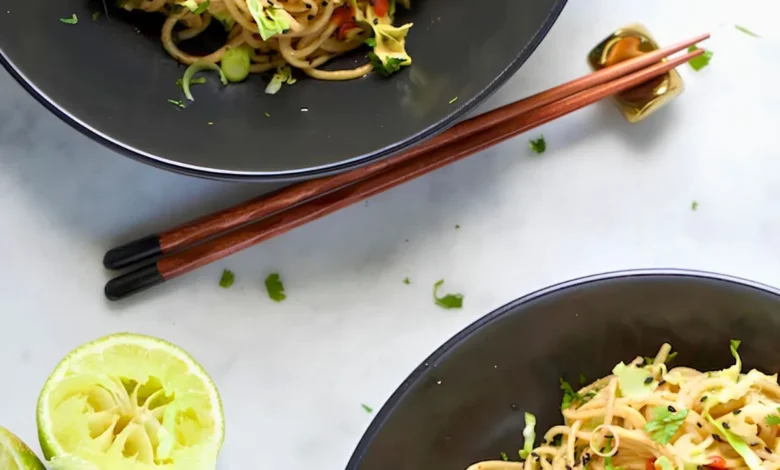
The modern culinary landscape is experiencing a significant shift toward fast, nutrient-dense, and plant-forward home cooking, a trend exemplified by the enduring popularity of quick-preparation Asian-inspired fusion dishes. Among these, vegetable noodles paired with creamy, nut-based dressings—specifically almond butter sauces—have emerged as a staple for time-constrained households seeking alternatives to traditional heavy meals or commercial takeout. Developed by culinary writer Alejandra Graf, recipes blending simple pantry staples with fresh produce highlight a broader consumer movement favoring customizable, allergy-conscious, and globally inspired weeknight dining solutions.
The Evolution of Quick Plant-Based Fusion Cuisine
Over the past decade, the demand for plant-based recipes requiring minimal preparation time has accelerated exponentially. Home cooks increasingly look for meals that bridge the gap between restaurant-quality flavor and the practicality of weeknight cooking. Traditional Asian-inspired noodle dishes often rely on peanut butter for rich, nutty sauces; however, nutritional diversification and the rise of tree-nut alternatives have propelled almond butter into the spotlight.
Almond butter offers a rich source of healthy monounsaturated fats, clean plant-based protein, and essential micronutrients like Vitamin E and magnesium. When combined with pantry staples such as tamari, rice vinegar, and citrus, it creates an emulsion that mimics the complexity of long-simmered sauces in a fraction of the time. Culinary experts note that dishes requiring under twenty minutes from preparation to plate cater directly to modern demographic shifts, where dual-income households and busy schedules limit extended time in the kitchen.

Culinary Methodology and Nutritional Profile
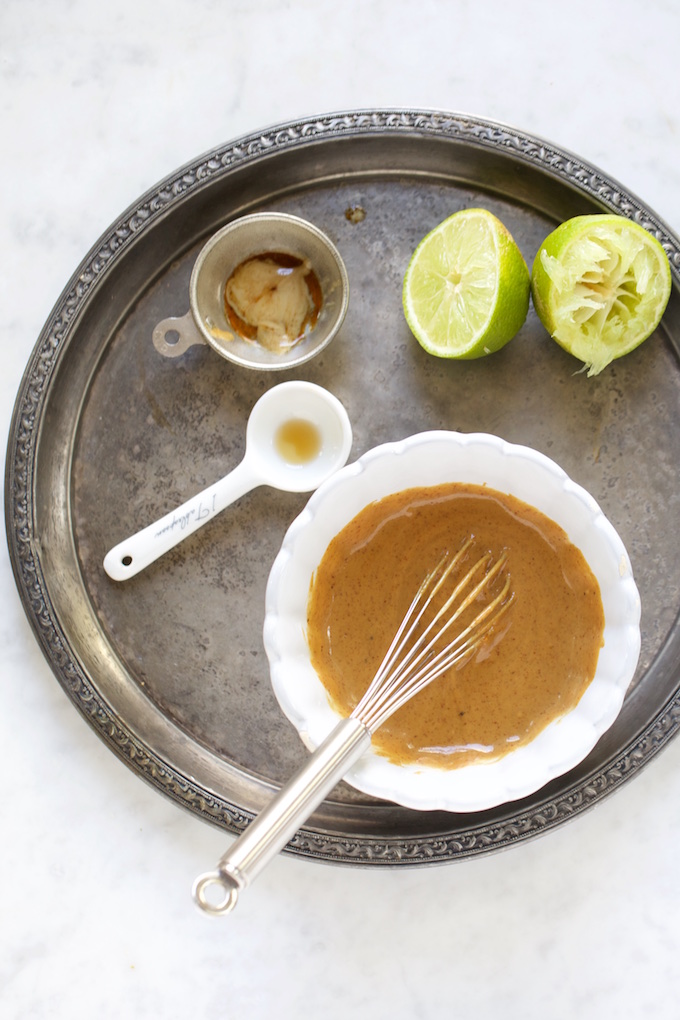
The mechanics of preparing almond butter noodles rely on efficiency and sensory balance. Standard preparation involves whisking the base sauce ingredients directly in a large mixing bowl—eliminating excess cleanup—before tossing them with freshly boiled noodles and crisp raw or lightly roasted vegetables.
Nutritional data compiled from standard iterations of the dish estimate an average caloric content of approximately 471 kilocalories per serving, accompanied by roughly 18 grams of protein and 7 grams of dietary fiber, depending on the choice of pasta. The recipe’s adaptability accommodates a wide array of dietary restrictions. While traditional wheat noodles or ramen can be used, the incorporation of gluten-free alternatives such as quinoa, buckwheat (soba), or brown rice noodles ensures accessibility for individuals with celiac disease or gluten sensitivities. Furthermore, the dish functions as a vehicle for reducing food waste; home cooks routinely utilize leftover refrigerator inventory—ranging from shredded cabbage and bell peppers to broccoli and leafy greens—to customize the vegetable component.

Market Context and Consumer Trends
The surge in popularity for quick almond butter noodle recipes aligns with broader retail trends. Sales of alternative nut butters, gluten-free grains, and Asian pantry condiments have seen steady year-over-year growth in supermarkets across North America and Europe. Consumers are increasingly willing to experiment with fusion flavors that merge traditional techniques with accessible, wholesome ingredients.
According to food industry analysts, the appeal of such recipes lies in their multi-functionality. The almond-based sauce functions not only as a pasta dressing but also as a versatile condiment suitable for spring roll dips, salad dressings, and grain bowl toppings. This versatility maximizes grocery efficiency, allowing consumers to utilize single ingredients across multiple meal preparations throughout the week.
Industry Implications and Future Outlook
As consumer preferences continue to prioritize health, speed, and sustainability, the culinary sector is responding with streamlined recipe content and accessible product lines. Food researchers point out that plant-forward recipes requiring ten to fifteen minutes of active time play a crucial role in lowering the barrier to entry for home cooking, potentially reducing reliance on commercially processed convenience foods and restaurant delivery services.
The longevity of recipes like almond butter noodles underscores a permanent shift in how households approach daily nutrition. By merging global flavor profiles with nutrient-dense ingredients and rapid preparation methods, contemporary home cooking continues to adapt to the demands of modern life without compromising on dietary quality or culinary satisfaction.
Related posts: