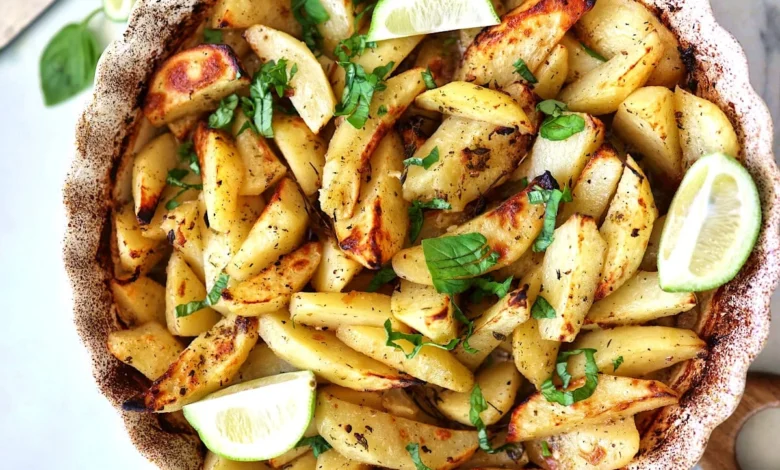
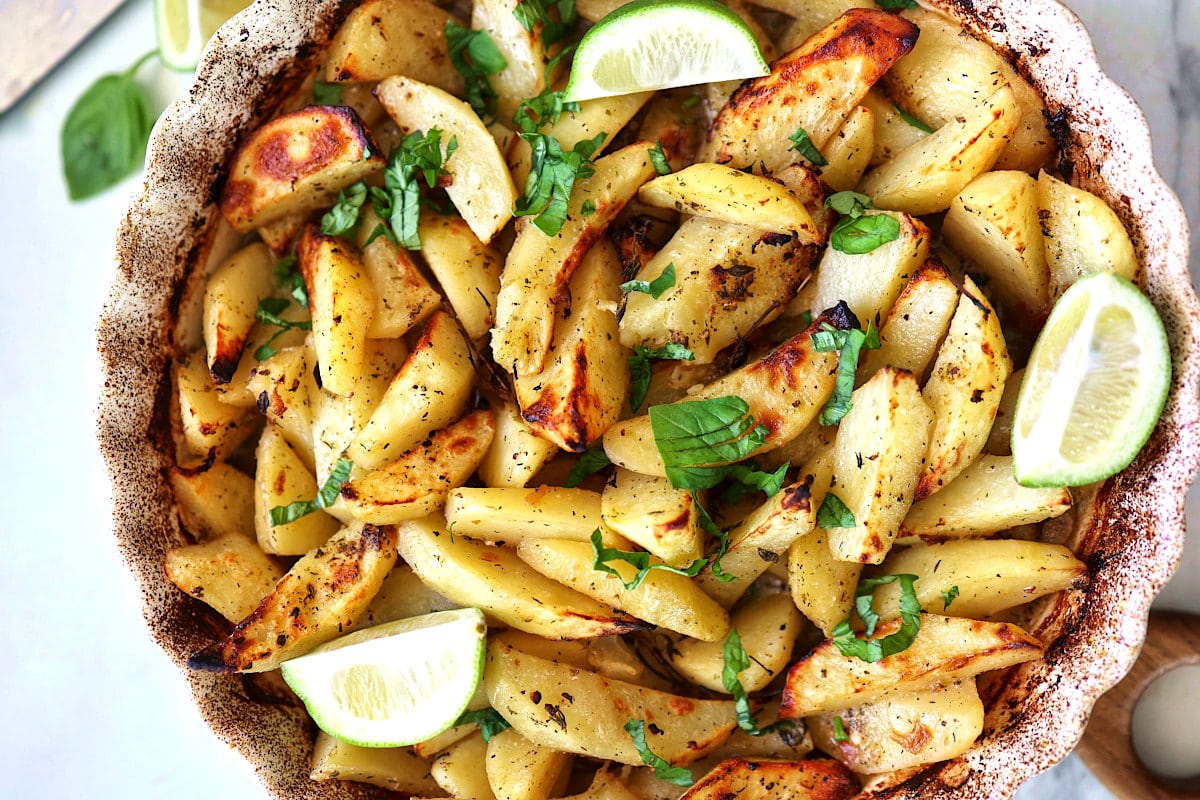
The culinary landscape of the Mediterranean has long been celebrated for its ability to transform simple, humble ingredients into dishes of extraordinary depth and flavor. Among the most cherished staples of Greek domestic and restaurant cooking is patates lemonates—traditional Greek lemon roasted potatoes. Developed over generations in regional kitchens across the Greek mainland and its islands, this classic side dish relies on a straightforward yet scientifically precise combination of high-grade olive oil, fresh lemon juice, crushed garlic, and aromatic herbs such as oregano and thyme. While the ingredient list appears remarkably brief, the technique yields a distinctive textural and flavor profile: a soft, fluffy interior encased within a crisp, golden, caramelized crust infused with vibrant citrus notes.
As global interest in Mediterranean dietary patterns continues to surge, traditional recipes like lemon-infused roasted potatoes have transitioned from regional Sunday family lunches to international prominence. Food historians and culinary experts note that the dish exemplifies the core philosophy of Greek gastronomy: letting individual components shine through unpretentious preparation methods that maximize natural flavors and nutritional value.
Origins and Cultural Significance
The history of the potato in Greek cuisine reflects a broader European culinary shift. Although native to the Andes in South America, potatoes were introduced to Greece following its liberation and the establishment of the modern Greek state in the 19th century. Initially met with skepticism, the tuber quickly became a staple agricultural product, particularly suited to the rocky terrain and temperate climate of the region.
Greek home cooks adapted the versatile vegetable to fit existing flavor profiles dominated by extra virgin olive oil, wild herbs, and fresh citrus. In rural households, patates lemonates were traditionally roasted alongside a Sunday roast—frequently lamb or goat—in heavy-duty cast-iron or clay baking pans. The potatoes absorbed the rendered fats of the meat while simultaneously releasing their starches into the surrounding lemon and oil emulsion, creating a rich, savory sauce known in Greek culinary terms as zoumi.
Today, the dish holds a permanent place on menus ranging from neighborhood tavernas in Athens to upscale Mediterranean restaurants worldwide. Its enduring popularity lies in its versatility, serving as an ideal accompaniment to a wide array of proteins while remaining affordable and accessible to home cooks of all skill levels.
Culinary Anatomy: Achieving the Ideal Texture and Flavor
Creating the definitive version of Greek lemon potatoes requires an understanding of thermal dynamics and starch gelatinization within the roasting pan. Culinary science dictates that achieving both a tender interior and a crisp exterior necessitates a specific cooking environment.
According to recipe developer and food writer Elena-Greta Apostol, whose preparation methods have gained widespread acclaim among culinary enthusiasts, the process begins with proper potato selection. Starchy or all-purpose potatoes—such as Yukon Gold or traditional European varieties—are generally preferred over waxy alternatives because they yield a fluffier center when exposed to dry heat.
The preparation timeline typically spans approximately one hour and twenty minutes, encompassing ten minutes of active preparation, over an hour of active roasting, and a brief resting period before service.
- Preparation and Sizing: The potatoes are peeled and cut into uniform wedges or large chunks to ensure even cooking. Uniformity is critical; varying sizes can lead to uneven texture, where smaller pieces burn before larger chunks soften.
- The Emulsion Base: Unlike standard oil-roasted potatoes, the Greek method incorporates a liquid braising medium composed of extra virgin olive oil, freshly squeezed lemon juice, minced garlic, dried oregano, salt, pepper, and occasionally vegetable or chicken stock. This liquid partially submerges the potatoes during the early stages of cooking, allowing them to steam and soften internally.
- The Roasting Phase: Placed in a preheated oven, typically set between 200°C and 220°C (400°F to 425°F), the potatoes undergo a dual-stage transformation. Initially, the moisture in the pan steams the tubers until tender. As the liquid gradually evaporates during the final twenty to thirty minutes of baking, the remaining olive oil takes over, frying the exterior edges and producing a deep golden-brown, caramelized crust.
- Finishing Touches: Upon removal from the oven, a final dusting of fresh lemon zest or a sprinkle of chopped fresh oregano can be applied to elevate the aromatic profile, cutting through the richness of the oil.
Nutritional Profile and Dietary Trends
In recent decades, nutritional science has highlighted the health benefits of the Mediterranean diet, which was officially recognized by UNESCO as part of the Intangible Cultural Heritage of Humanity. While potatoes have occasionally faced scrutiny in low-carbohydrate dietary trends, nutritional experts emphasize the high nutritional value of dishes prepared with whole, unprocessed ingredients.
Extra virgin olive oil, a cornerstone of the recipe, provides a rich source of monounsaturated fats and powerful antioxidants, such as polyphenols, which are associated with cardiovascular health. Garlic contributes bioactive compounds like allicin, known for its antimicrobial and immune-supporting properties. Furthermore, fresh lemon juice supplies a significant dose of Vitamin C and aids in iron absorption when paired with companion dishes.
Dietary versatility is another factor driving the dish’s modern appeal. Naturally vegan and vegetarian, the base recipe can easily be integrated into plant-based meal plans while maintaining traditional flavor profiles. When prepared without animal broths, it satisfies strict adherence to Mediterranean fasting traditions observed during Orthodox Christian Lent.
Pairing and Culinary Integration
In traditional Greek dining, side dishes are rarely consumed in isolation; rather, they form part of a comprehensive spread designed for communal sharing. Greek lemon potatoes are classically paired with roasted leg of lamb, pork chops, whole-roasted Mediterranean sea bass, or traditional meat skewers known as souvlaki.
Beyond protein pairings, the potatoes complement a variety of cold and warm dips common to Greek meze tables. These include tzatziki (a yogurt, cucumber, and garlic dip), skordalia (a potent garlic and potato or walnut puree), and garlicky yogurt sauces. A complete meal is typically anchored by a traditional Horiatiki salad—comprising tomatoes, cucumbers, red onions, Kalamata olives, and a block of authentic feta cheese—alongside warm, freshly baked pita bread.

Economic and Cultural Implications of Mediterranean Gastronomy
The global spread of regional recipes such as Greek lemon potatoes underscores a broader economic and cultural phenomenon: the commercialization and appreciation of Mediterranean culinary heritage. Food tourism plays a substantial role in the economies of Southern European nations, with travelers increasingly seeking authentic gastronomic experiences. Cooking classes, culinary workshops, and food blogs dedicated to regional Greek cooking have experienced exponential growth, reflecting consumer demand for transparent, heritage-based recipes.
Industry analysts note that home cooking trends have shifted toward comfort foods that utilize pantry staples. With potatoes remaining one of the most cost-effective and globally accessible agricultural commodities, recipes that elevate the tuber without requiring expensive specialty ingredients have gained traction among budget-conscious consumers navigating inflationary pressures.
Conclusion
Greek lemon roasted potatoes represent the intersection of historical adaptation, culinary science, and cultural tradition. Through the simple alchemy of heat, high-quality olive oil, citrus, and herbs, ordinary ingredients are elevated into a dish of remarkable complexity. Whether served as a Sunday dinner side dish or as part of an expansive Mediterranean feast, patates lemonates continue to demonstrate that the most enduring recipes are often those rooted in simplicity, resourcefulness, and respect for natural flavors.