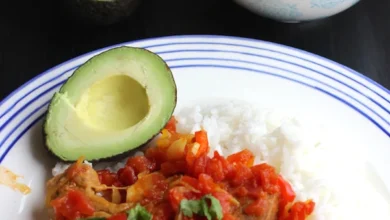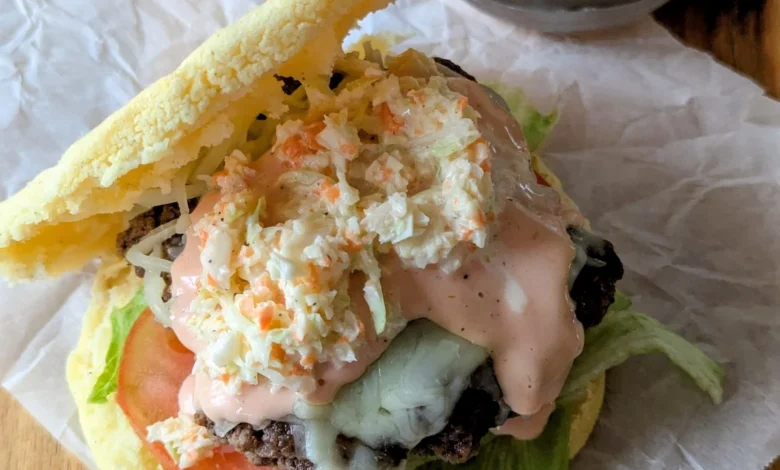
The intersection of global fast-casual dining and traditional Latin American staples has reached a new zenith with the emergence of the Arepa Burger. By replacing the conventional wheat-based hamburger bun with the Colombian arepa—a centuries-old staple crafted from precooked cornmeal—this dish has transitioned from a creative home-kitchen experiment into a significant player in the modern fusion culinary scene. As consumer interest in gluten-free alternatives and international comfort food continues to climb, the Arepa Burger serves as both a nutritional pivot and a celebration of Colombian heritage.

The Genesis of a Fusion Phenomenon
The concept of the Arepa Burger is rooted in the broader "fusion revolution" that began in the early 2000s, where traditional regional dishes were deconstructed and reassembled to suit contemporary palates. While the hamburger is quintessentially American, its popularity in South America has led to regional variations that incorporate local ingredients. In Colombia, the integration of the arepa—a flat, circular corn-based cake—into the burger format was a natural evolution.
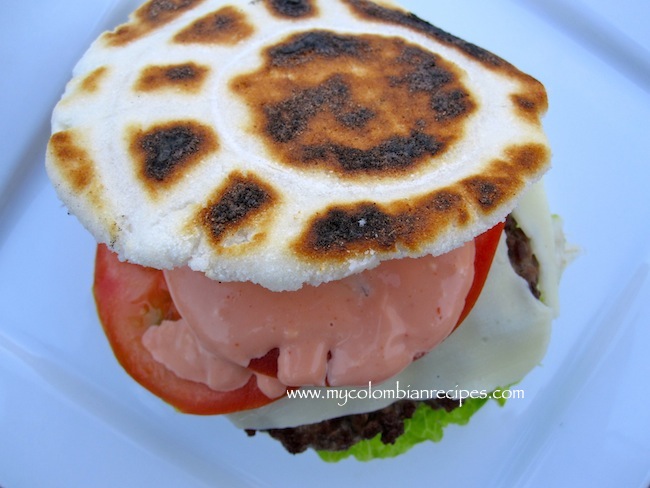
Unlike the leavened, soft bread of a standard bun, the arepa provides a distinct texture profile. When properly prepared, the exterior offers a crisp, golden crust, while the interior remains soft and dense, providing a structural integrity that supports the weight of a high-quality beef patty and heavy toppings. This structural reliability is often cited by chefs as a primary advantage over traditional buns, which can become soggy under the weight of condiments like hogao (a traditional Colombian tomato and onion sauce) or salsa rosada.

Chronology and Culinary Evolution
The rise of the Arepa Burger can be traced through the shift in global food tourism. During the mid-2010s, as travelers began seeking authentic street food experiences in cities like Medellín and Bogotá, they encountered vendors experimenting with "Hamburguesas de Arepa."
- The Traditional Era (Pre-2010): The arepa served strictly as a side dish or a breakfast staple, usually topped with butter or fresh cheese (queso fresco).
- The Hybridization Period (2010–2015): Small-scale entrepreneurs and street food vendors began testing the arepa as a vessel for proteins, responding to the demand for heartier, portable meals.
- The Global Expansion (2015–Present): Culinary blogs and food-focused media began documenting the trend, leading to its adoption in restaurants across the United States and Europe. The dish is now frequently cited in discussions regarding the globalization of Latin American cuisine.
Nutritional Profile and Dietary Implications
A comparative analysis of the Arepa Burger against a standard cheeseburger highlights several nutritional differences. A typical 303-kilocalorie serving of a homemade Arepa Burger contains approximately 20 grams of protein and 23 grams of fat, with a carbohydrate content significantly lower than that of a traditional bun-based burger.

Because arepas are composed primarily of precooked cornmeal (masarepa), they are naturally gluten-free, addressing a growing market of consumers with celiac disease or gluten sensitivities. Furthermore, the inclusion of fresh, whole-food toppings—such as avocado, which provides healthy monounsaturated fats, and tomato and onion-based sauces—aligns with a cleaner, more vegetable-forward approach to fast food.
The Anatomy of the Perfect Arepa Burger
For culinary professionals and home cooks alike, the success of the dish relies on the ratio of ingredients. The construction typically follows a strict order to ensure flavor balance:

- The Base: A thick, freshly griddled arepa that has been lightly oiled to ensure a Maillard reaction on the surface.
- The Protein: A seasoned beef patty, often incorporating local herbs such as cilantro or cumin to bridge the gap between the American burger and Latin seasoning profiles.
- The Condiments: The choice of sauce is critical. Salsa rosada (a mix of mayonnaise and ketchup) or a garlic-heavy "salsa de ajo" are the industry standards.
- The Texture: A layer of fresh coleslaw, which offers a necessary crunch to offset the density of the cornmeal, is a signature addition in the Colombian preparation.
Market Impact and Industry Response
Market analysts specializing in food trends have observed that the Arepa Burger is part of a larger trend of "authentic-fusion" dining. According to data from culinary industry reports, consumers are increasingly seeking out food that offers a narrative or a cultural connection. The Arepa Burger provides this by anchoring itself in the history of the Colombian arepa while satisfying the universal demand for a handheld, savory meal.
Restaurants that have integrated this item into their menus report high retention rates among customers looking for non-traditional bread alternatives. In major metropolitan areas, the dish has moved beyond specialty shops and into mainstream fast-casual chains, signaling a maturation of the trend.

Broader Implications for Global Cuisine
The success of the Arepa Burger highlights a shift in how global palates view bread substitutes. As the culinary world moves toward more sustainable and diverse grain usage, the use of corn—a crop with deep historical roots in the Americas—serves as a sustainable alternative to wheat.
Furthermore, the adaptability of the arepa allows for constant iteration. Whether filled with shredded chicken, chorizo, or traditional beef patties, the platform remains consistent, proving that the foundation of the meal is as versatile as the ingredients it holds. As the industry looks forward, the Arepa Burger stands as a prime example of how traditional techniques can be successfully repurposed for the modern global consumer without losing the essence of their origin.
Conclusion: A Staple of the Future
The Arepa Burger is more than just a novelty; it is a synthesis of history and convenience. By combining the heartiness of a classic burger with the unique texture and cultural weight of the Colombian arepa, this dish has secured its place in the modern culinary lexicon. As food enthusiasts continue to explore the boundaries of fusion cuisine, the Arepa Burger will undoubtedly remain a point of interest, serving as a testament to the enduring appeal of the corn-based staple that has fed generations. Whether served at a backyard cookout or on the menu of an upscale urban eatery, the combination remains a perfect marriage of form and function.
Related posts: