Tag Morel Mushroom Risotto
Morel Mushroom Risotto: A Culinary Masterpiece for Discerning Palates
Morel mushroom risotto stands as a testament to the exquisite harmony of earthy flavors and creamy textures, a dish that elevates simple ingredients into a sophisticated culinary experience. This article delves deep into the world of morel risotto, exploring its origins, the unique characteristics of morel mushrooms, essential ingredients, step-by-step preparation, crucial techniques for achieving perfect creaminess, variations and flavor pairings, and tips for sourcing and storing these prized fungi. Understanding each facet of this iconic dish allows home cooks to recreate its magic and appreciate the nuances that make it a perennial favorite among gourmands.
The Enchantment of Morel Mushrooms: A Foundation for Superior Risotto
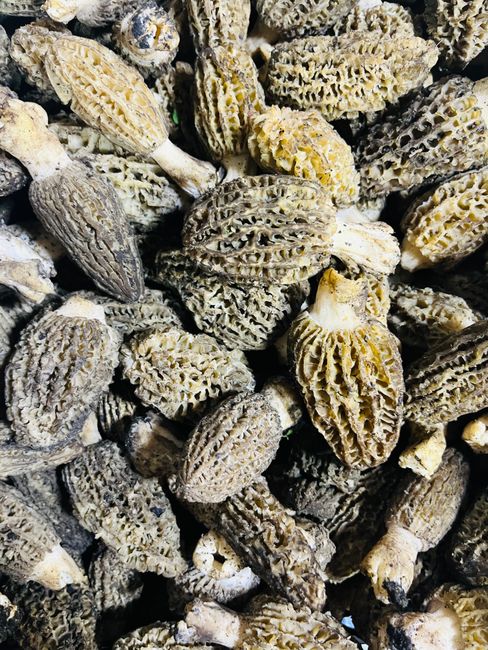
Morel mushrooms (Morchella esculenta and its relatives) are renowned for their distinctive honeycomb-like appearance and their intensely earthy, nutty, and subtly smoky flavor. Unlike cultivated mushrooms, morels are wild and notoriously difficult to cultivate, contributing to their exclusivity and higher price point. Their natural habitat includes deciduous woodlands, often appearing after spring rains, typically in the late spring season. This ephemeral nature adds to their allure, making their appearance on menus and in home kitchens a cause for celebration. The unique cellular structure of morels, with their deep pits and ridges, also influences how they absorb and release flavor during cooking, making them exceptionally well-suited for absorbing the rich broth and creamy elements of a risotto. Their flavor profile is far more complex and robust than common button or cremini mushrooms, providing a depth that other fungi simply cannot replicate. When incorporated into risotto, morels don’t just contribute taste; they impart an unparalleled aroma that fills the kitchen and tantalizes the senses. This deep, woodsy fragrance is a signature of true morel risotto, setting it apart from any other mushroom-based rice dish. The texture of cooked morels is also noteworthy – they become tender yet retain a slight chew, offering a satisfying counterpoint to the creamy rice.
Essential Components for an Authentic Morel Mushroom Risotto
To achieve an authentic and exceptional morel mushroom risotto, careful selection of ingredients is paramount. The foundation of any great risotto lies in the rice. Arborio rice is the traditional choice due to its high starch content, which releases during cooking to create the signature creamy texture without the need for added cream. Carnaroli and Vialone Nano are also excellent alternatives, often favored by chefs for their superior starch release and ability to maintain their shape. High-quality vegetable or chicken broth is crucial. It should be unsalted or low-sodium to allow for precise seasoning and should be kept warm throughout the cooking process, as adding cold broth will shock the rice and hinder the release of starch. For morel risotto, a good quality chicken broth offers a richer base, while vegetable broth provides a lighter, vegan-friendly option. Dry white wine, such as Pinot Grigio or Sauvignon Blanc, is essential for deglazing the pan and adding a layer of acidity that balances the richness of the dish. A good quality, dry white wine will contribute subtle fruity and floral notes that complement the earthy morels. Shallots are preferred over onions for their milder, sweeter flavor, which doesn’t overpower the delicate morels. Garlic adds a pungent depth, but should be used judiciously to avoid masking the primary flavors. Unsalted butter and extra virgin olive oil form the base of the soffritto and are used for sautéing and finishing the risotto, contributing to its luxurious mouthfeel. Parmigiano-Reggiano, freshly grated, is non-negotiable for finishing the risotto. Its salty, nutty, and umami-rich profile is indispensable for achieving the final, authentic flavor. Fresh herbs, such as parsley or chives, provide a bright, fresh counterpoint and are typically added as a garnish.
The Art of Preparation: A Step-by-Step Guide to Morel Risotto Perfection
Preparing morel mushroom risotto is a deliberate process that rewards patience and attention to detail.
-
Preparing the Morels: If using dried morels, rehydrate them by soaking them in warm water for at least 30 minutes. Reserve the soaking liquid, straining it meticulously through a fine-mesh sieve lined with cheesecloth to remove any grit. If using fresh morels, gently brush them clean with a soft brush or damp cloth; avoid washing them under running water as they can become waterlogged. Slice larger morels in half lengthwise, and smaller ones can be left whole or halved.
-
Building the Flavor Base (Soffritto): In a wide, heavy-bottomed pan or Dutch oven, heat the olive oil and a tablespoon of butter over medium heat. Add the finely chopped shallots and cook gently until they are softened and translucent, about 5-7 minutes, taking care not to brown them. Add the minced garlic and cook for another minute until fragrant.
-
Sautéing the Morels: Increase the heat slightly and add the prepared morels to the pan. Sauté them for 5-7 minutes, allowing them to release their moisture and begin to brown. This step is crucial for developing their deep, earthy flavor.
-
Toasting the Rice: Add the Arborio rice to the pan. Stir it constantly with the morels and soffritto for about 2-3 minutes, ensuring each grain is coated in the fat. This toasting process is vital for the rice to absorb the liquid evenly and achieve a creamy texture. The grains should appear slightly translucent around the edges.
-
Deglazing with Wine: Pour in the dry white wine. Stir continuously, scraping any browned bits from the bottom of the pan, until the wine has completely evaporated. This deglazing process adds a layer of acidity and complexity to the risotto.
-
The Gradual Addition of Broth: Begin adding the warm broth, one ladleful at a time. Stir the rice constantly until each ladleful of broth is almost completely absorbed before adding the next. This slow, gradual addition and continuous stirring are the keys to releasing the starch from the rice and achieving a creamy, emulsified texture. Continue this process for 18-20 minutes, or until the rice is al dente – tender with a slight bite in the center. The consistency should be creamy and fluid, not stiff or dry. If using the reserved morel soaking liquid, add it during the broth addition process.
-
Finishing the Risotto (Mantecatura): Once the rice is cooked to al dente and the risotto has reached the desired consistency, remove the pan from the heat. Stir in the remaining butter and the freshly grated Parmigiano-Reggiano cheese. This final step, known as "mantecatura," emulsifies the fat and starch, creating an incredibly creamy and luxurious finish. The risotto should be glossy and flow gently when tilted. Season with salt and freshly ground black pepper to taste.
-
Serving: Serve the morel mushroom risotto immediately in warm bowls. Garnish with fresh chopped parsley or chives and an extra sprinkle of Parmigiano-Reggiano, if desired.
Mastering the Creaminess: The Secret to Perfect Risotto Texture
The hallmark of an exceptional risotto is its creamy, flowing texture, often described as "all’onda" (like a wave). Achieving this is a direct result of several key techniques:
- The Right Rice: As mentioned, Arborio, Carnaroli, or Vialone Nano are essential. Their high amylopectin content is crucial for starch release.
- Toasting the Rice: This initial step gelatinizes the outer layer of the rice grains, preventing them from becoming mushy and promoting even cooking and starch dispersion.
- Gradual Broth Addition: Adding broth slowly and stirring continuously is the most critical factor. This gentle coaxing allows the starch molecules to break down and emulsify with the liquid, creating a luscious sauce.
- Constant Stirring: While not literally "stirring without stopping," frequent and consistent stirring is vital. It prevents the rice from sticking to the bottom of the pan and facilitates the release of starch.
- Warm Broth: Using warm broth ensures a consistent cooking temperature, preventing the rice from cooling down and halting the starch release.
- Al Dente Perfection: Overcooked rice will be mushy. The rice should retain a slight bite, contributing to the textural complexity of the dish.
- Mantecatura: The final incorporation of butter and cheese off the heat creates a beautiful emulsion, adding richness and that signature creamy sheen.
Variations and Flavor Pairings: Expanding the Morel Risotto Experience
While classic morel risotto is exquisite on its own, there are numerous ways to enhance and adapt it:
- Herbal Infusions: Incorporate fresh thyme or rosemary into the soffritto for added aromatic complexity. A hint of lemon zest can brighten the overall flavor.
- Creamy Additions: For an even richer risotto, a small dollop of mascarpone cheese can be stirred in during the mantecatura stage. Be mindful not to overdo it, as it can mute the morel flavor.
- Protein Pairings: Seared scallops, pan-fried chicken breast, or grilled asparagus make excellent accompaniments to morel risotto.
- Vegetable Enhancements: Spring peas, asparagus tips, or baby spinach can be added in the final stages of cooking for color and added nutrients.
- Truffle Oil Drizzle: A very light drizzle of high-quality white truffle oil can amplify the earthy, umami notes, but use sparingly to avoid overpowering the delicate morel flavor.
- Cheese Alternatives: While Parmigiano-Reggiano is classic, a good quality Pecorino Romano can add a sharper, saltier note.
Sourcing and Storing Morel Mushrooms: Maximizing Availability and Flavor
The ephemeral nature of morel mushrooms makes sourcing them a delightful challenge for foragers and a worthwhile endeavor for gourmands.
- Foraging: For those with the knowledge and ethical guidelines, spring foraging in deciduous forests is the most rewarding way to acquire morels. Familiarize yourself with local regulations and identify morels with absolute certainty to avoid poisonous look-alikes.
- Farmers’ Markets: During the spring season, many farmers’ markets will feature local foragers selling fresh morels. This is an excellent way to support local producers and acquire peak-season fungi.
- Specialty Grocers and Online Retailers: High-end grocery stores and reputable online purveyors often carry fresh or dried morels, especially during their peak season. Dried morels are more readily available year-round and offer a convenient option, though their flavor is slightly more concentrated and less fresh than their wild counterparts.
- Storage of Fresh Morels: Fresh morels are perishable and should be cooked as soon as possible. Store them loosely in a paper bag in the refrigerator. Avoid plastic bags, which can trap moisture and lead to spoilage. They are best consumed within 2-3 days of purchase.
- Storage of Dried Morels: Dried morels can be stored in an airtight container in a cool, dark, and dry place for several months, retaining their flavor and aroma.
Conclusion: A Symphony of Earth and Cream
Morel mushroom risotto is more than just a dish; it’s an experience. It represents a culinary journey from the forest floor to the refined elegance of a well-set table. The intense, earthy notes of the morels, combined with the creamy, starchy embrace of perfectly cooked Arborio rice, create a symphony of flavors and textures that is both comforting and sophisticated. By understanding the nuances of ingredient selection, mastering the art of preparation, and appreciating the subtle techniques that contribute to its signature creaminess, any home cook can recreate this culinary masterpiece. Whether enjoyed as a special occasion meal or a simple indulgence, morel mushroom risotto remains a timeless classic, a testament to the power of simple, exceptional ingredients expertly prepared. Its SEO-friendly nature lies in the rich descriptive language, detailed instructions, and emphasis on key ingredients and techniques, making it discoverable for anyone seeking to prepare or learn about this beloved dish.