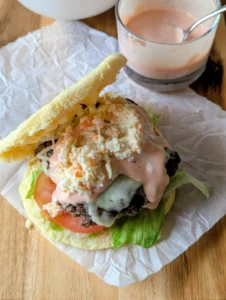
The arepa serves as the cornerstone of Colombian gastronomy, representing a culinary tradition that predates the arrival of Europeans in the Americas. More than a simple corn-based flatbread, the arepa functions as a cultural identifier, a daily staple, and a versatile canvas for the diverse ingredients found across Colombia’s varied geography. From the high-altitude Andean peaks to the coastal Caribbean plains, the production and consumption of arepas remain a constant, weaving together the social fabric of the nation through shared culinary practices.

The Historical Evolution of the Arepa
The genesis of the arepa is rooted in the agricultural practices of indigenous groups such as the Muisca, who cultivated maize long before the Spanish conquest. Archaeologists have identified evidence of corn processing tools dating back over 3,000 years in regions that now constitute modern-day Colombia and Venezuela. Initially, indigenous populations soaked, ground, and cooked corn on heated clay slabs, a process that transformed the cereal into a portable and durable food source.

Following the arrival of the Spanish in the 16th century, the traditional preparation underwent significant diversification. The introduction of dairy products, livestock, and new milling techniques allowed the arepa to evolve into a regional specialty. While the base remained corn, the method of preparation—whether grilled, baked, or fried—became increasingly influenced by the specific resources available in various Colombian departments. This historical trajectory illustrates how the arepa successfully integrated external influences while maintaining its indigenous core.

Regional Diversity and Culinary Taxonomy
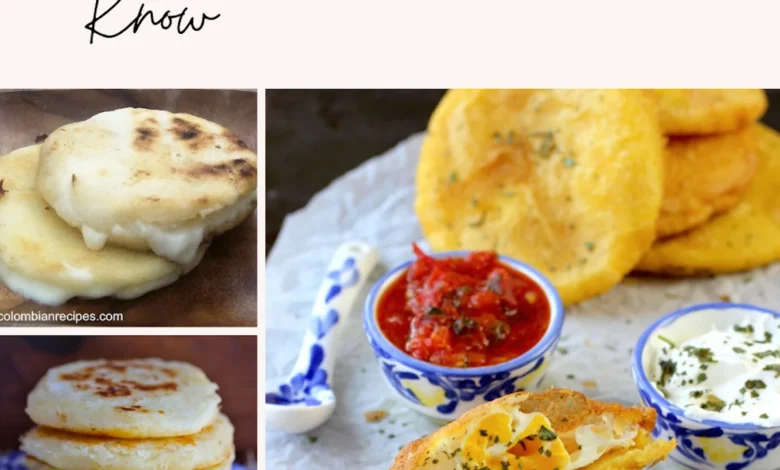
The classification of Colombian arepas is extensive, with each variety reflecting the specific agricultural output of its region of origin. This diversity is not merely a matter of flavor but a reflection of the country’s complex topographical zones.
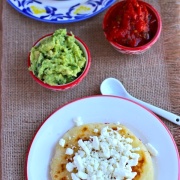
- The Andean Region (Antioquia and Boyacá): In the department of Antioquia, the arepa paisa is a standard accompaniment to almost every meal. It is typically thin, mild, and designed to serve as a base for butter or salty cheese. In contrast, the arepa boyacense features a distinct flavor profile, often incorporating wheat flour and cuajada (a fresh, curd-like cheese), resulting in a sweeter, denser patty.
- The Caribbean Coast: This region is famous for the arepa de huevo, a deep-fried variation where a raw egg is introduced into the dough midway through the frying process. This technique requires significant culinary skill to ensure the egg is cooked perfectly while maintaining the structural integrity of the corn patty.
- Sweet and Specialty Variations: Arepas de choclo represent the use of fresh sweet corn, offering a softer, dessert-like texture often served with local cheeses. Conversely, arepas de yuca utilize cassava starch, reflecting the dietary habits of regions where root vegetables are as prevalent as maize.
Economic and Social Significance
For the average Colombian, the arepa is an economic necessity as much as it is a cultural preference. Data from local agricultural cooperatives indicates that maize production remains one of the most critical sectors of the Colombian economy. The widespread availability of masarepa (pre-cooked corn flour) in the 20th century standardized the home production process, allowing urban populations to maintain traditional consumption patterns despite the shift away from agrarian lifestyles.

From an economic standpoint, the arepa industry supports thousands of small-to-medium enterprises. Street vendors and specialized bakeries (areperías) represent a vital segment of the informal economy. A 2022 survey by the Colombian National Federation of Cereal and Legume Growers (Fenalce) highlighted that the domestic consumption of maize for human intake remains high, with the arepa accounting for the majority of these transactions.
Nutritional Context and Preparation Standards
Nutritionally, the arepa is recognized as a complex carbohydrate source. When prepared traditionally—using whole ground corn—it retains high levels of fiber. The modernization of the product through refined, pre-cooked flours has made the arepa more accessible but has also prompted public health discussions regarding the balance of traditional ingredients like butter and cheese with the carbohydrate load of the corn.

The preparation process involves three primary stages:

- Nixtamalization or Milling: The transformation of raw corn into a malleable dough.
- Shaping: The manual compression of the dough into a circular patty, a skill often passed down through generations.
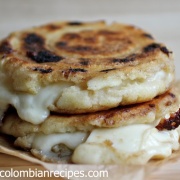
- Thermal Application: The use of a tijera or asador (griddle) to achieve the characteristic golden-brown crust.
Industry Perspectives and Cultural Preservation
Leading culinary historians and chefs have noted that the arepa serves as a symbol of domestic stability. Erica Dinho, a prominent researcher of Colombian culinary traditions, emphasizes that the act of preparing arepas is a ritual of home-making. For the Colombian diaspora in North America and Europe, the arepa has become a primary point of contact with their heritage.

The growth of "arepa-focused" eateries in global metropolitan hubs like New York, Madrid, and London suggests that the dish is gaining international recognition. This global expansion has led to debates regarding the "authenticity" of modern preparations. Culinary experts argue that while the arepa is inherently flexible, the preservation of regional variations—such as the specific use of maíz peto (hominy) in certain recipes—is essential to maintaining the integrity of Colombian culinary history.

Broader Implications: A National Identity
The arepa is frequently cited in political and social discourse as a unifying element of Colombian identity. Unlike other dishes that may be specific to one social class or geographic location, the arepa transcends economic boundaries. It appears on the breakfast tables of the working class and the menus of high-end restaurants alike.

The implications of this are significant: the arepa acts as a cultural anchor. As Colombia continues to integrate into the global market, the protection of its traditional foodways becomes a matter of intellectual property and cultural heritage. Several regional councils have proposed local legislation to protect the "original" recipes of specific sub-varieties, such as the arepa de huevo from the coast of Bolívar, to prevent the dilution of these traditional techniques by mass-market, industrialized versions.

Conclusion
The trajectory of the Colombian arepa from a pre-Columbian staple to a modern culinary icon is a testament to the resilience and adaptability of Colombian culture. As the global palate continues to diversify, the arepa stands poised to remain a defining element of South American cuisine. By understanding the historical roots, the regional nuances, and the socio-economic impact of this corn-based staple, one gains a deeper insight into the broader narrative of Colombia itself. Whether consumed as a humble side dish with coffee or as a complex, stuffed main course, the arepa remains the undeniable, enduring heartbeat of the Colombian table.
Related posts: