
The Best Caramel Apples

The Ultimate Guide to the Best Caramel Apples: A Deep Dive into Flavor, Texture, and Craftsmanship
The humble caramel apple, a beloved autumn staple and year-round indulgence, transcends simple confectionery. It’s a symphony of contrasting textures and flavors, a delightful dance between the crisp bite of a fresh apple and the rich, velvety embrace of warm caramel. Achieving true caramel apple perfection, however, is an art form, a delicate balance of ingredient quality, precise technique, and thoughtful embellishment. This comprehensive guide explores the critical elements that elevate a good caramel apple to the best, delving into the science behind the perfect caramel, the crucial role of apple selection, and the creative avenues for toppings that transform a classic treat into a personalized masterpiece. Whether you’re a home baker seeking to master the craft or a discerning consumer searching for the pinnacle of caramel apple artistry, this exploration will equip you with the knowledge to appreciate and create the truly exceptional.
The foundation of any superior caramel apple is undeniably the caramel itself. Not all caramels are created equal, and understanding the nuances of its creation is paramount. The ideal caramel for coating apples should possess a specific set of characteristics: a luxurious, smooth texture that coats the apple evenly without being overly sticky or prone to cracking, a deep, complex flavor profile that hints at toasted sugar and butter, and a consistency that hardens just enough to provide a satisfying chew but remains pliable enough to slice cleanly. Achieving this requires a meticulous approach to the caramel-making process. The cornerstone ingredients are sugar, butter, and cream, often with the addition of corn syrup or glucose to prevent crystallization and ensure a smooth texture. The type of sugar used significantly impacts the final flavor. Granulated white sugar is common, but a blend of granulated and brown sugar can introduce a richer, more molasses-forward depth. The key lies in careful heating. Slowly melting the sugar without scorching is crucial. This caramelization process transforms the white sugar into a golden-brown liquid, developing those characteristic toasty, nutty notes. Adding butter, typically unsalted to control the salt level, introduces richness and a smoother mouthfeel. The cream, often heavy cream, adds moisture and helps create the emulsified structure that prevents the caramel from becoming brittle. The temperature at which the caramel is cooked is critical. For dipping apples, a temperature range of around 235°F to 245°F (113°C to 118°C) is generally ideal. This "soft ball" stage ensures the caramel is pliable enough to adhere to the apple and will set to a chewy, not hard, consistency. Overcooking can lead to a brittle caramel that cracks, while undercooking results in a runny, sticky mess. The use of a candy thermometer is non-negotiable for consistent results. Furthermore, the quality of the ingredients matters. High-quality butter, such as European-style butter with a higher fat content, contributes a more pronounced richness. Similarly, using fresh, full-fat cream ensures a superior emulsification and texture. Some artisanal caramel recipes incorporate a touch of vanilla extract or a pinch of sea salt at the end of cooking to enhance the overall flavor profile, adding layers of complexity that distinguish truly exceptional caramel. The careful balance of these elements – sugar to fat to liquid – dictates the final texture and taste, forming the bedrock of an outstanding caramel apple.
The apple, the other half of this delicious partnership, plays an equally vital role in the success of the caramel apple. It’s not merely a vessel for the caramel; its inherent characteristics contribute significantly to the overall sensory experience. The ideal apple for a caramel apple should offer a firm, crisp texture that provides a satisfying crunch against the chewy caramel. This crispness prevents the apple from becoming mushy under the weight and warmth of the caramel. Its skin should be relatively thin and taut, offering a slight resistance that adds to the textural complexity. Flavor-wise, the apple should possess a good balance of sweetness and tartness. An overly sweet apple can become cloying when paired with rich caramel, while an overly tart apple can overpower the caramel’s nuances. The perfect apple strikes a harmonious chord, its natural acidity cutting through the richness of the caramel and its inherent sweetness complementing it. Several apple varieties consistently rise to the top for caramel apple making. Granny Smith apples are a perennial favorite, renowned for their exceptional tartness and firm, crisp flesh. Their vibrant acidity provides a welcome counterpoint to the sweetness of the caramel, creating a beautifully balanced flavor profile. Honeycrisp apples are another superb choice, boasting a satisfyingly crisp texture, juicy interior, and a delightful blend of sweetness and mild tartness. Fuji apples offer a good level of sweetness with a pleasant crunch, making them a crowd-pleasing option. Gala apples, while sweeter, can work if balanced with a less sweet caramel or tart toppings. The key is to select apples that are in their prime, firm, unblemished, and at the peak of their ripeness. Avoid apples that are overly ripe, as their flesh will be softer and more prone to bruising. The size of the apple also matters; medium-sized apples are generally preferred as they are easier to coat evenly and manage when biting into them. Proper preparation of the apple is also essential. Washing the apples thoroughly and drying them completely is crucial. Any residual moisture can prevent the caramel from adhering properly, leading to a less secure coating. Removing the stem and inserting a sturdy stick, such as a wooden popsicle stick or a specialized caramel apple stick, firmly into the core ensures easy handling and prevents the apple from detaching from its handle. The integrity of the apple’s structure, from its crispness to its flavor, is as critical as the caramel itself in delivering a truly memorable caramel apple experience.
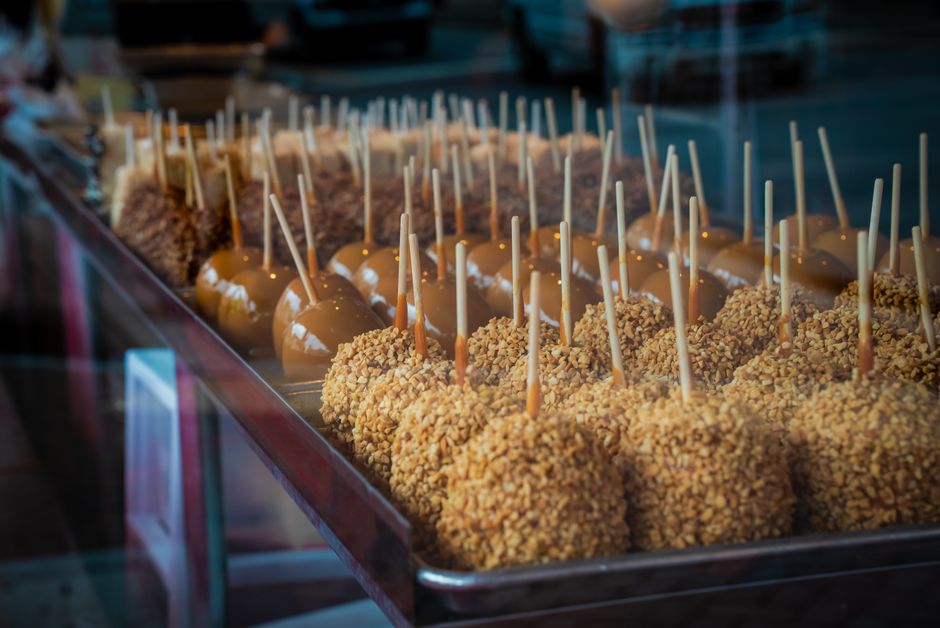
The world of caramel apple toppings is where creativity truly shines, transforming a classic into a personalized indulgence. The interplay of textures and flavors beyond the apple and caramel is what elevates a good caramel apple to the realm of the extraordinary. These additions serve not only to enhance visual appeal but also to introduce a delightful complexity to each bite. Nuts, in their various forms, are a timeless and highly effective topping. Toasted pecans, with their buttery richness and slightly sweet flavor, pair exceptionally well with caramel. Walnuts, offering a more robust, earthy bitterness, provide a sophisticated contrast. Peanuts, whether whole or chopped, bring a familiar salty crunch that is undeniably satisfying. The toasting of nuts is a crucial step; it intensifies their flavor and renders them wonderfully crisp, ensuring they don’t become soggy when in contact with the caramel. Beyond nuts, a plethora of other ingredients can add depth and delight. Miniature chocolate chips, whether milk, dark, or white, melt slightly in the warm caramel, creating pockets of intense chocolate flavor. Sprinkles, in their myriad colors and shapes, add a festive visual element and a subtle sugary crunch, particularly popular for children’s treats or themed events. A drizzle of contrasting chocolate – white chocolate over dark caramel, or dark chocolate over milk caramel – adds another layer of visual appeal and flavor complexity. Mini marshmallows, toasted slightly by the warm caramel, offer a soft, chewy textural element. Crushed cookies, such as Oreos or shortbread, provide a delightful cookie-and-cream or buttery crunch. Salted caramel is itself a popular topping, adding an extra layer of savory complexity that balances the sweetness. For those seeking a more gourmet experience, additions like crushed toffee bits, finely chopped pretzels for a salty-sweet contrast, or even a dusting of cinnamon sugar can offer sophisticated flavor profiles. The key to successful topping application is timing and technique. Toppings should be applied while the caramel is still warm and slightly fluid, allowing them to adhere securely. Gentle pressing of toppings into the caramel can ensure better adhesion. Variety is the spice of life, and offering a selection of toppings allows for individual customization and caters to a wider range of palates. The thoughtful selection and application of toppings are what transform a simple caramel-coated apple into a bespoke culinary creation, offering a multi-sensory experience that is both visually appealing and exceptionally delicious.
Beyond the fundamental components, several factors contribute to the overall "best" status of a caramel apple. One such factor is the craftsmanship involved in its creation. This encompasses the precision of the caramel-making process, the careful selection of the highest quality ingredients, and the artistic presentation. A truly artisanal caramel apple will exhibit an even, smooth coating of caramel, free from air bubbles or uneven patches. The caramel will have a beautiful sheen and a consistent thickness. The stick will be firmly embedded, indicating a secure construction. The toppings, if present, will be applied with intention and artistry, creating an aesthetically pleasing final product. Furthermore, the freshness of the caramel apple is paramount. Caramel apples are best enjoyed when the caramel is still relatively soft and the apple is at its peak crispness. Over time, the caramel can harden, and the apple may begin to soften, diminishing the ideal textural contrast. Therefore, the production and consumption timeline is a crucial consideration for businesses and home bakers alike. The balance of flavors is also a defining characteristic. The sweetness of the caramel should not overpower the natural flavor of the apple. The tartness of certain apple varieties, as mentioned, plays a vital role in achieving this equilibrium. When toppings are incorporated, they should complement, rather than compete with, the primary flavors of the apple and caramel. The absence of artificial flavors or excessive preservatives is also a hallmark of high-quality caramel apples, allowing the natural goodness of the ingredients to shine through. The experience of eating a caramel apple is also part of its allure. The satisfying crunch, the chewy caramel, the burst of apple flavor – it’s a tactile and gustatory journey. The best caramel apples deliver on this promise of an engaging and delightful eating experience. Finally, the innovation in caramel apple creation, while respecting tradition, can lead to truly exceptional results. This might involve unique caramel flavor infusions, unexpected yet harmonious topping combinations, or novel presentation styles. However, even with innovation, the core principles of excellent caramel, quality apple, and thoughtful embellishment remain the cornerstones of creating the best caramel apples.
The journey to understanding and appreciating the best caramel apples reveals a delightful interplay of science, artistry, and sensory pleasure. It is a treat that, in its simplest form, embodies the perfect harmony of crisp fruit and sweet, chewy confection. However, the pursuit of excellence in caramel apple making elevates this humble treat to a culinary art form. From the meticulous control of caramelization temperatures and ingredient ratios to the discerning selection of apple varieties and the creative flourish of thoughtful toppings, each element plays a critical role. The best caramel apples are not merely made; they are crafted with care, precision, and a deep understanding of flavor and texture. They offer a satisfying crunch that yields to a rich, velvety caramel, punctuated by the bright, natural sweetness of a perfectly chosen apple. When adorned with complementary toppings, they become a personalized masterpiece, a delightful exploration of taste and texture. Whether enjoyed as a nostalgic autumn treat or a year-round indulgence, the pursuit of the best caramel apple is a rewarding endeavor, promising a truly unforgettable culinary experience.


