The Definitive Guide to Spicy Red Wines: Chemistry, Origins, and Global Varieties

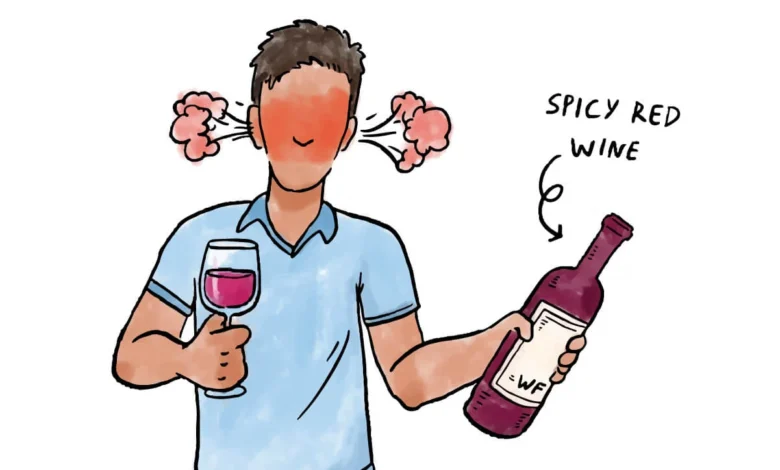
When a sip of red wine activates a tingling sensation across the palate, it is rarely a coincidence or a trick of the imagination. The vibrant, zesty compounds that create a warming or piquant profile in certain red wines are the result of precise chemical interactions occurring in the vineyard, the fermentation tanks, and the oak aging barrels. From the freshly cracked black pepper aromas of a cool-climate Syrah to the baking spice notes of a bold California Zinfandel, the "spice" in red wine is a complex sensory phenomenon governed by botany, organic chemistry, and enology. Understanding what makes a wine taste and feel spicy requires examining the distinct categories of spice perception: pepperiness, piquant structural sensations, and barrel-derived baking spices.
Main Facts and Sensory Classifications of Wine Spice
The perception of spice in red wine is generally divided into three distinct sensory experiences: pepperiness (olfactory perception of spice aromas), piquant (physical tactile sensations on the tongue caused by acid, alcohol, or specific chemical receptors), and spiced (flavors and aromas reminiscent of a baker’s pantry, typically imparted by oak aging).

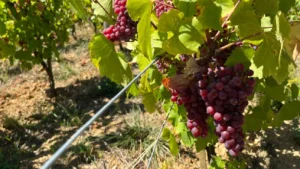
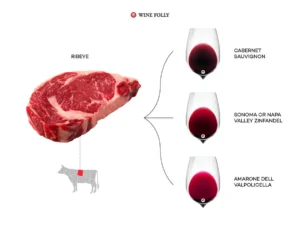
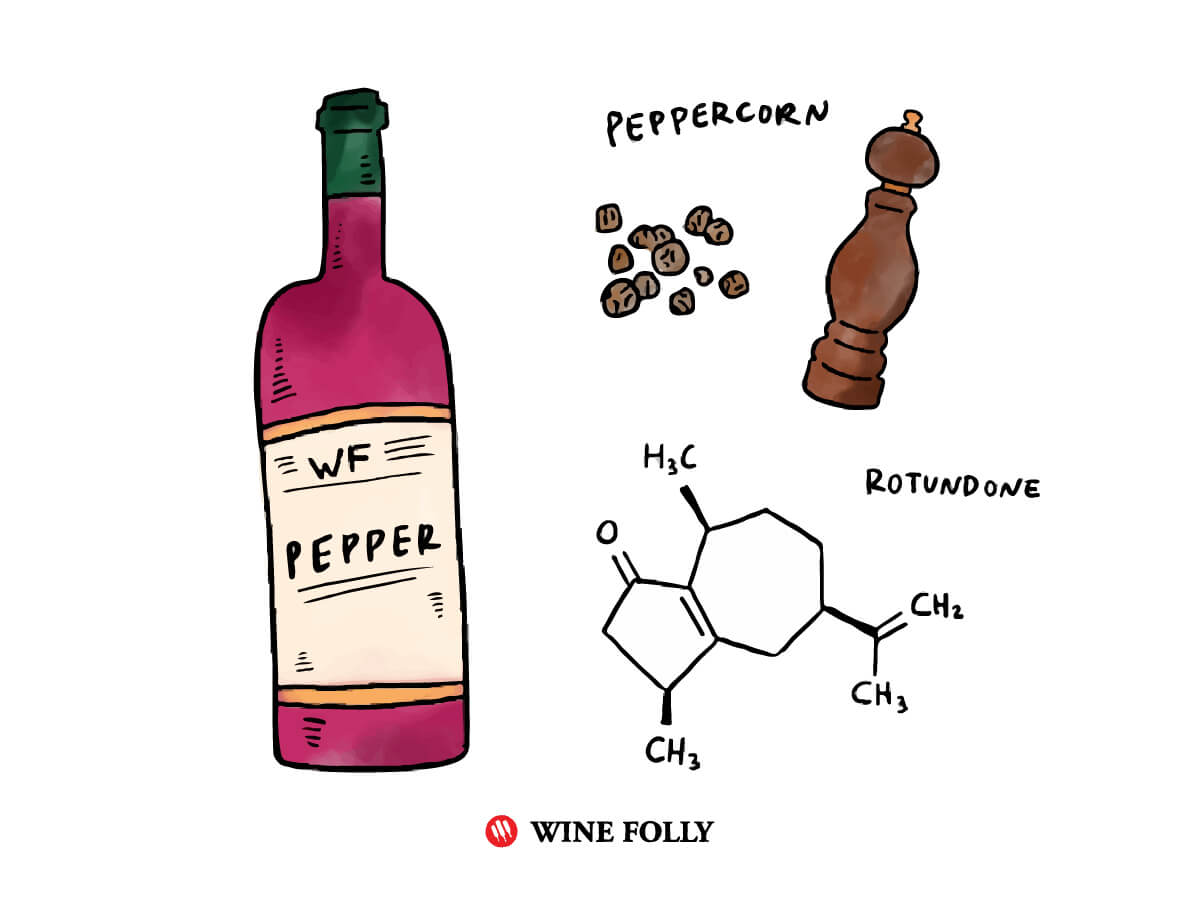
Pepperiness is fundamentally an aromatic experience tied directly to grape skins. When a taster detects notes of freshly ground black or white pepper—often paired brilliantly with a pepper-crusted steak—they are experiencing the chemical compound rotundone. Naturally concentrated in the skins of specific grape varieties, rotundone is exceptionally potent. However, human sensitivity to this compound varies dramatically. Research in sensory science indicates that roughly one in five individuals is anosmic to rotundone, meaning they cannot perceive it at all. This genetic variation explains why a bottle of Syrah may taste intensely peppery to one drinker while presenting purely as a fruit-forward wine to another.
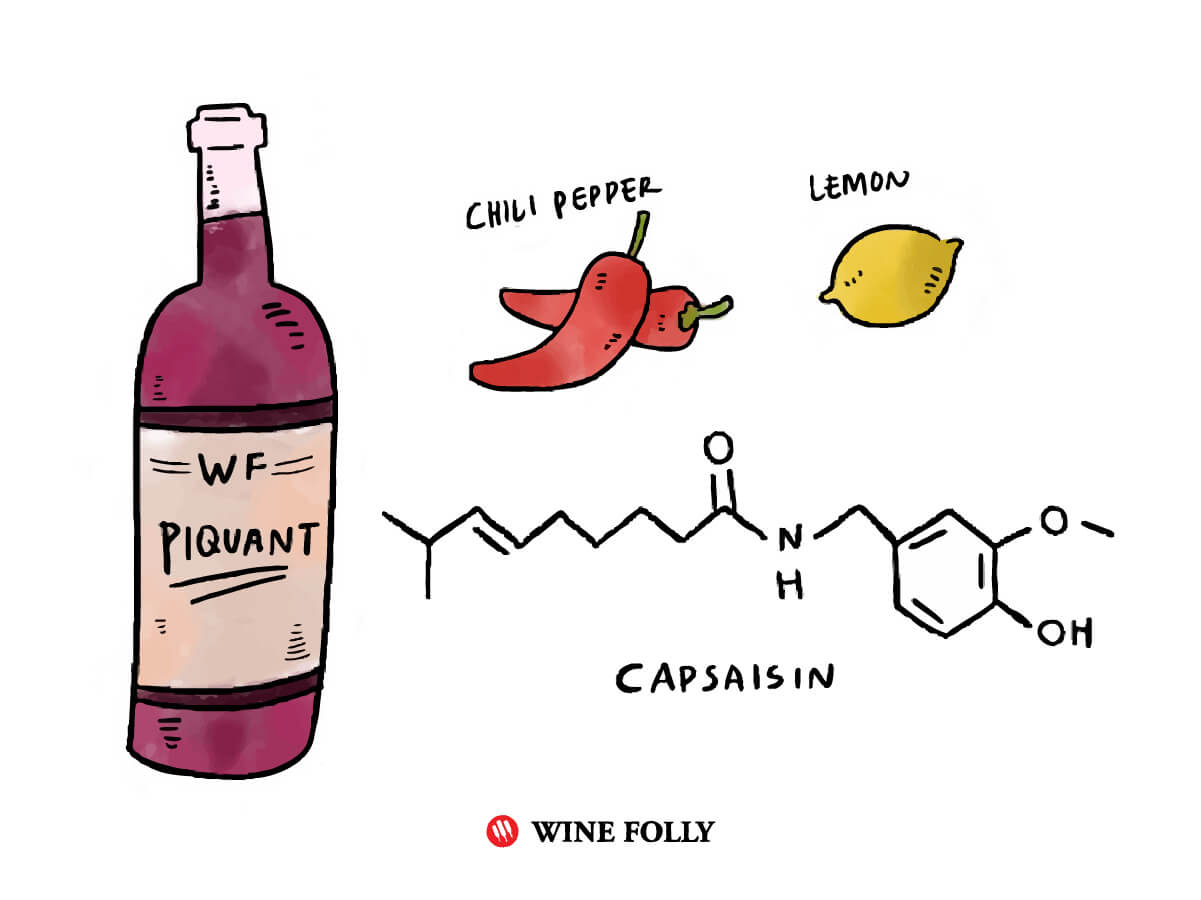
Piquant sensations, conversely, operate on touch rather than scent. Certain red wines produce a warming or burning sensation on the tongue that mirrors the experience of consuming a mildly piquant chili pepper. This sensation is not driven by capsaicin—the chemical that gives chili peppers their heat—but rather by high levels of acidity and elevated alcohol content. Italian reds such as Chianti Classico frequently deliver this warming profile due to their natural acidity, a structural component that can be balanced by pairing the wine with high-fat or salty foods like aged cheeses and richly seasoned red meats. Similarly, high-alcohol wines like Amarone della Valpolicella, which frequently reach alcohol levels of 15% to 16%, trigger a robust piquant sensation.
The biological mechanism behind this phenomenon involves the transient receptor potential vanilloid 1 (TRPV1) channels on the tongue. Normally activated by temperatures of 107°F (42°C) or higher, these sensory receptors also respond to noxious or irritating stimuli, including capsaicin, ethanol (alcohol), and high concentrations of organic acids. When these elements interact with TRPV1 receptors, the brain registers a sensation of physical warmth or piquancy.
The Chronology of Winemaking and Oak-Derived Spice
The third category of wine spice—spiced characteristics—develops primarily during the maturation phase of winemaking. While the vineyard dictates a grape’s foundational chemistry, the cellar transforms structural profiles through aging, a practice that evolved over centuries of commercial winemaking.
Historically, storage vessels transitioned from porous clay amphorae to wooden casks during the Roman Empire, as merchants discovered that wood was structurally durable and imparted favorable softening effects to wine. Over the subsequent centuries, winemakers refined coopering techniques, learning that the species of oak, the geographic origin of the timber, and the level of toast applied to the interior of the barrel fundamentally alter a wine’s chemical composition.
During barrel aging, which can last anywhere from several months to multiple years, the wood releases specific volatile compounds into the wine. American white oak (Quercus alba) is renowned for releasing oak lactones, which contribute distinct coconut aromas. Both American oak and French oak (Quercus robur and Quercus petraea) release vanillin, imparting the classic baking-spice aroma of vanilla. Additionally, compounds such as eugenol and guaiacol migrate from the toasted wood into the liquid, contributing clove-like and smoky, toasty notes.
In certain wine styles, microbial influences further enhance this spicy matrix. The yeast Brettanomyces, when present in low concentrations within oak barrels, can synthesize volatile phenols that add secondary layers of clove and earthy spice. While some traditionalists view Brettanomyces as a wine fault that masks pure fruit expression, many modern and Old World producers embrace it as a source of complex, rustic character.
Supporting Data and Global Varieties
Geographic diversity plays a profound role in determining which spicy profile a wine will ultimately express. Cool-climate viticulture often promotes the development of rotundone in grape skins, making regions like the Rhône Valley in France, the cool coastal pockets of California, and various wine-producing zones in Australia prime sources for intensely peppered Syrah.
For those seeking the warming, piquant structure of high acid or high alcohol, Tuscany remains the benchmark for Chianti Classico, while the Veneto region produces the monumental, high-ABV Amarone. Meanwhile, regions characterized by warm continental climates—such as Lodi, California, known for its old-vine Zinfandel, and South Africa, celebrated for its unique Pinotage heritage—excel in producing deeply spiced, oak-aged red wines redolent of vanilla, nutmeg, and cloves.
The phenomenon of wine spice is not strictly limited to red varieties. White wine enthusiasts can experience similar botanical compounds in specific cool-climate offerings. Gewürztraminer, particularly classic expressions from Alsace in France, contains high levels of 4-vinylguaiacol, a volatile phenol that delivers an unmistakable spicy edge reminiscent of ginger and baking spices. Furthermore, Austrian Grüner Veltliner shares the same rotundone compound found in Syrah, lending its signature white-pepper finish to the palate.
Broader Impact and Industry Implications
The growing consumer appreciation for complex, terroir-driven flavor profiles has shifted marketing and production strategies across the global wine industry. Winemakers increasingly experiment with barrel toast levels, micro-oxygenation, and specific harvesting windows to either accentuate or temper spicy characteristics depending on market demand.
As climate patterns shift globally, viticulturists monitor how rising temperatures impact the concentration of compounds like rotundone and the accumulation of natural sugars that lead to high alcohol levels. Warmer growing seasons can alter the delicate balance of acidity and alcohol, potentially modifying the piquant structural sensations that define classic regional styles.
For consumers, navigating these variations relies on understanding the underlying science of the bottle. By recognizing the roles played by grape genetics, geographical climate, barrel chemistry, and receptor biology, wine enthusiasts can more accurately select bottles that match their precise flavor preferences. Ultimately, the world of spicy red wine remains a testament to the intricate interplay between natural science and human craftsmanship, offering an endless array of sensory experiences for those willing to explore.