The Growing Competition for Cropland Balancing the Rise of Solar Power with the Promise of Regenerative Agriculture

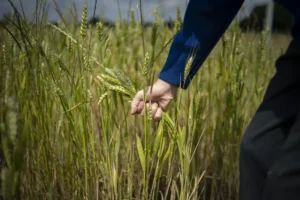
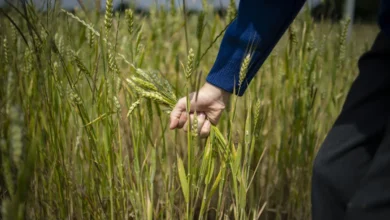
In the heart of central Texas, Jonathan Cobb and his wife, Kaylyn, set out in 2011 with a vision to transform their family’s multi-generational farmland. Their goal was to move away from the traditional row-cropping of corn and cotton that had defined the region for decades and instead restore the land to its ancestral state. By planting a robust mixture of native tallgrasses—such as silver bluestem, yellow Indian grass, and Maximilian sunflowers—Cobb aimed to cultivate deep root systems in the heavy clay soil. This approach, known as regenerative agriculture, was designed to build soil carbon, increase water-holding capacity, and restore nutrient cycling, essentially turning the farm into a carbon sink while maintaining its productivity through managed livestock grazing.
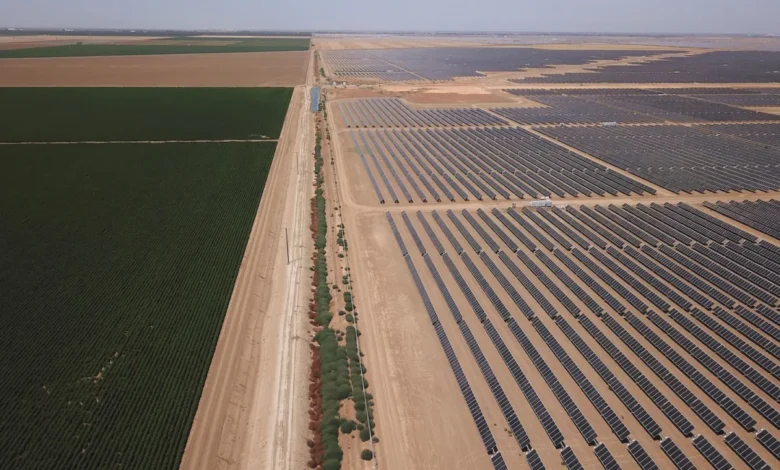
However, a decade later, the Cobbs’ vision is facing an unexpected competitor. It is not urban sprawl or industrial pollution that threatens their regenerative mission, but another pillar of the green energy movement: solar power. Throughout the United States, and particularly in regions like the Central Valley of California and the prairies of Texas, a quiet but intense struggle is unfolding between two critical climate change solutions. As the nation rushes to decarbonize its energy grid, utility-scale solar developers are increasingly eyeing fertile cropland for massive panel arrays, often offering lease rates that far exceed what a farmer can earn from growing food.
The Promise and Complexity of Regenerative Agriculture
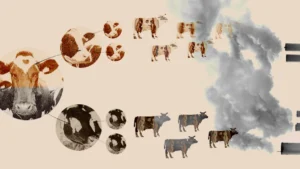
Regenerative agriculture has emerged as a primary strategy for mitigating the environmental impact of the global food system. According to the U.S. Department of Agriculture (USDA) and various environmental nonprofits, conventional agriculture is a significant contributor to greenhouse gas emissions, releasing an estimated 698 million metric tons of carbon dioxide equivalent annually in the U.S. alone. Regenerative practices—which include no-till farming, cover cropping, diverse crop rotations, and the integration of livestock—seek to reverse this trend.
The scientific potential is immense. Some estimates suggest that increasing the carbon content of the world’s soils by just 2% could return atmospheric greenhouse gas concentrations to "safe" levels. Beyond carbon sequestration, these practices improve soil resilience against extreme weather. Healthy, carbon-rich soil acts like a sponge, absorbing water during heavy rainfall to prevent erosion and retaining moisture during prolonged droughts.
Despite these benefits, the transition to regenerative farming is fraught with challenges. For Jonathan Cobb, the "simple game plan" of 2011 met with resistance from family members and landlords accustomed to the aesthetics of "clean" farming—fields that are black, plowed, and free of "weeds." Furthermore, the financial barrier to entry is high. Farmers often need specialized equipment, such as no-till seeders that can cost upwards of $30,000, and must navigate a steep learning curve while forgoing the immediate, albeit lower, returns of conventional commodity farming.
The Solar Gold Rush on American Farmland
While regenerative farmers work to heal the soil, the solar industry is expanding at a record pace. Utility-scale solar capacity in the U.S. increased by 26% between 2019 and 2020. This growth is essential for meeting national climate goals, yet it requires vast amounts of land. According to the American Farmland Trust (AFT), the U.S. lost 11 million acres of farmland to development between 2001 and 2016. The current trend of converting active cropland into solar farms adds a new layer of complexity to this land-use crisis.
For many landowners, the choice is purely economic. In Texas, for example, a landowner might be offered $50,000 a year to lease 80 acres for solar panels—a guaranteed income that far outstrips the volatile profits of farming, especially for those on fixed incomes or facing retirement. "It’s much simpler for a lot of farmers to just sign on the dotted line and get a paycheck for leasing their land for solar, compared with all the complexities of trying to farm regeneratively," notes Mitch Hunter, research director at AFT.
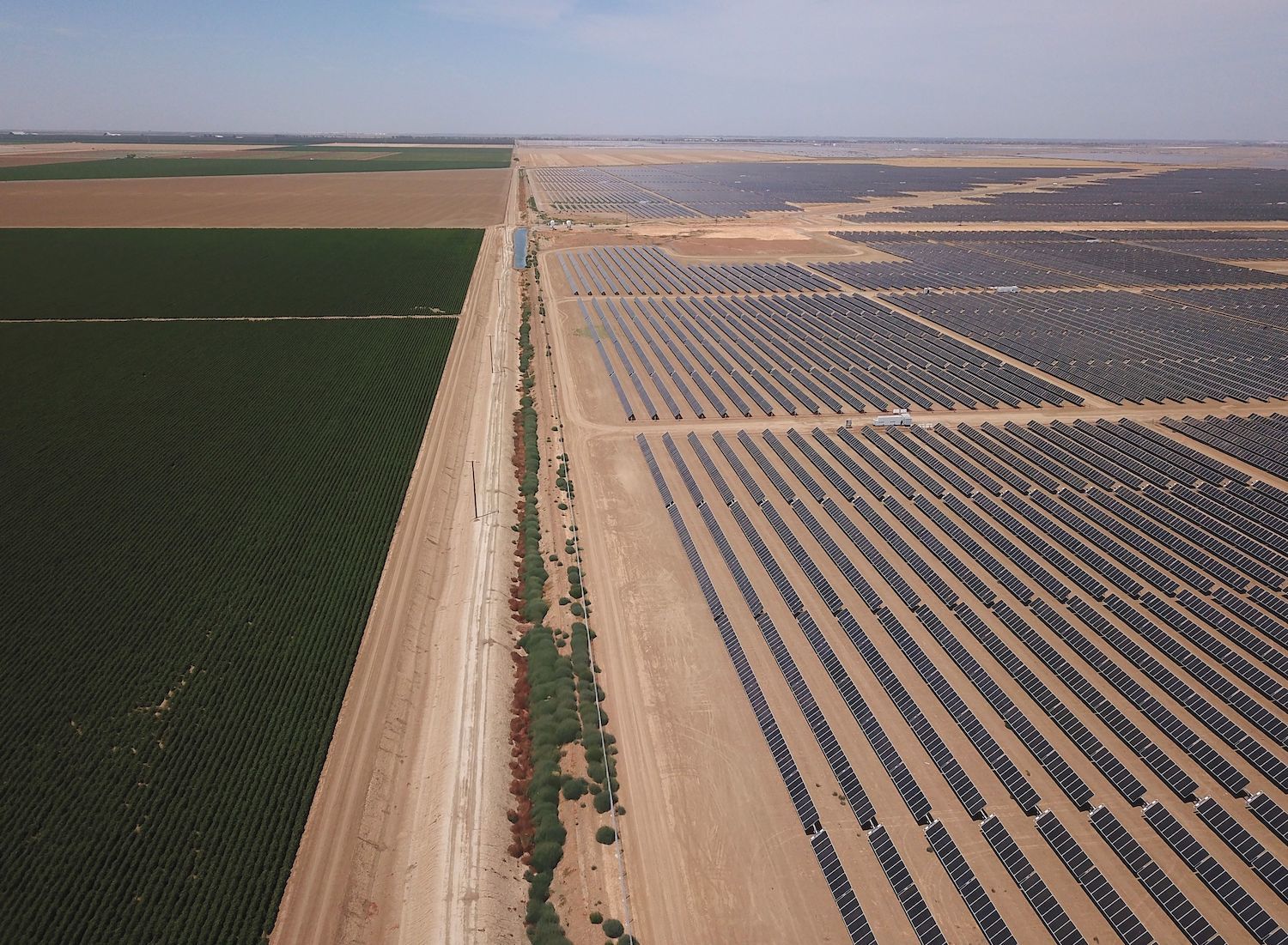
This economic reality creates a "green-on-green" conflict. While the solar panels provide carbon-free electricity, their installation often involves stripping the land of its agricultural potential for 25 to 30 years. In some cases, the soil is packed down or treated with herbicides to prevent vegetation from interfering with the panels, effectively halting any regenerative progress.
Agrivoltaics: A Potential Path to Coexistence
The emerging field of agrivoltaics—the dual use of land for both solar energy production and agriculture—offers a potential solution to this zero-sum game. The concept involves installing solar panels in a way that allows for continued agricultural activity underneath or between the rows.
In the U.S., the National Renewable Energy Laboratory (NREL) is leading the charge through its InSPIRE project. Funded by the Department of Energy, InSPIRE is currently researching agrivoltaic applications at 25 sites across the country. These projects look at how solar arrays affect soil moisture, erosion, and crop yields. Jordan Macknick, a lead analyst at NREL, suggests that solar panels can actually benefit certain crops by providing shade, which reduces heat stress and water evaporation.
However, scaling agrivoltaics remains an engineering and financial challenge. Most standard solar arrays are built low to the ground to minimize steel costs. To allow for cattle grazing or the passage of large farm machinery, panels must be raised significantly higher, requiring more robust support structures and driving up installation costs.
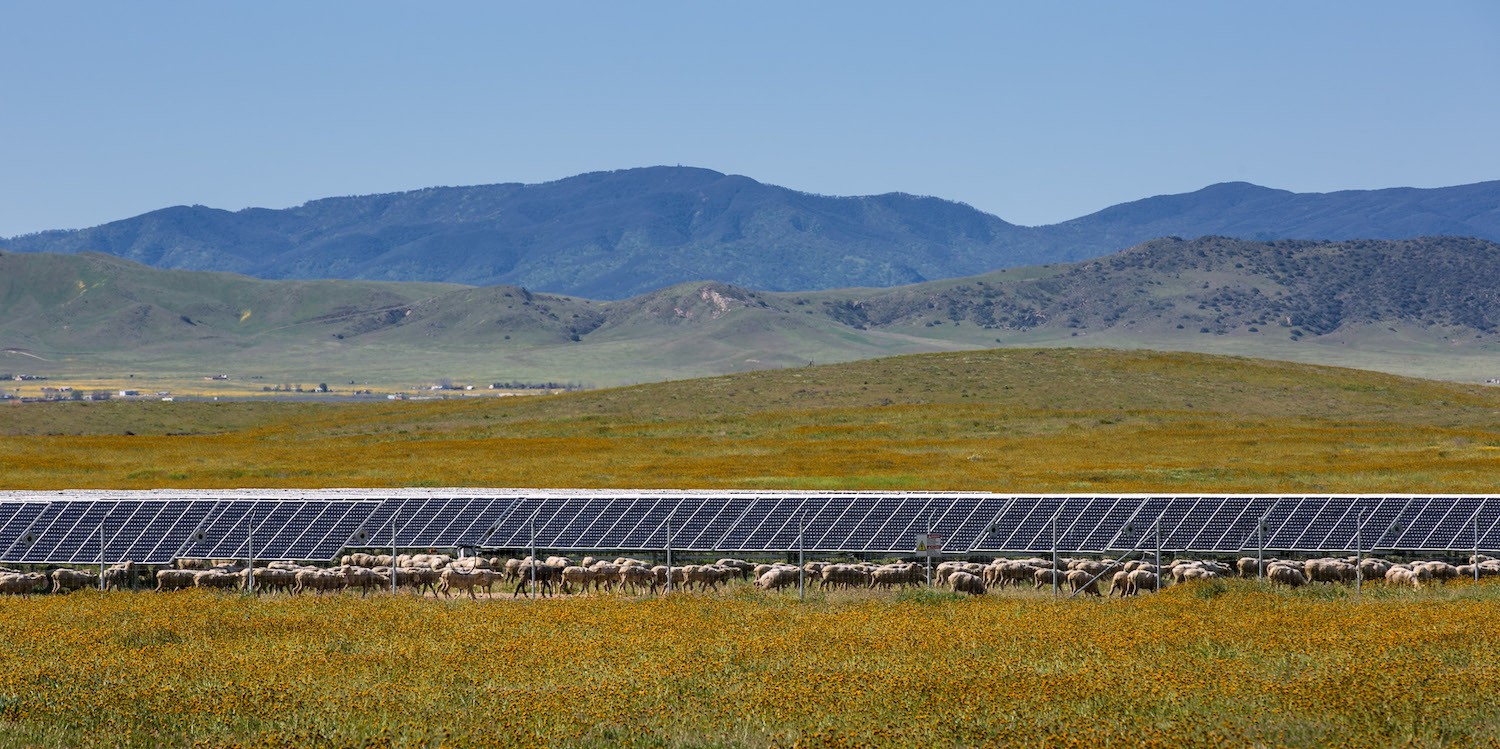
Currently, the most successful agrivoltaic models in the U.S. involve "solar grazing" with sheep. Because sheep are smaller and less prone to damaging equipment than cattle, they can graze under standard-height panels, providing a natural "mowing" service for the solar operator while allowing the farmer to produce wool or meat.
International Precedents: Lessons from Germany and Japan
While the U.S. is still in the early stages of navigating this conflict, other nations have begun to implement legislative frameworks to ensure that solar expansion does not come at the expense of food security.
Japan has been a pioneer in "solar sharing" since 2013. The Japanese government requires that solar projects on farmland maintain a certain level of agricultural productivity. This has led to innovative designs where thin, spaced-out panels allow enough sunlight to reach crops like tea, grapes, and leafy greens. Japan is also utilizing agrivoltaics to bring abandoned farmland back into production.
In Europe, Germany recently passed legislation to encourage the "parallel use" of land for food and energy. The German government provides subsidies for farmers to install solar panels on up to 15% of their land, acknowledging that while these dual-use systems are more expensive than traditional solar farms, they are vital for maintaining domestic food production. German ministers have emphasized that keeping agricultural land in production is a matter of national security, especially in light of global supply chain disruptions.
The Human Cost and the Loss of Agricultural Knowledge
The conversion of farmland to solar arrays has implications that extend beyond soil health and energy metrics. It affects the social fabric of rural communities. When a farmer like Jonathan Cobb loses grazing land to a neighbor’s solar lease, it isn’t just the acreage that disappears; it is the viability of the local agricultural infrastructure.
"A farmer who retires from farming, that’s a lot of knowledge that one person holds that’s no longer available to agriculture," Mitch Hunter explains. If a significant percentage of a community’s land is converted to solar, local grain elevators, equipment dealers, and processors may go out of business, making it nearly impossible for the remaining farmers to operate.
Furthermore, there is the question of permanence. While solar developers often claim that panels can be removed and the land returned to farming after several decades, the loss of a farming generation and the degradation of local agricultural networks may make that transition difficult, if not impossible.
Analysis of Implications and Future Outlook
The tension between solar development and regenerative agriculture highlights a critical need for integrated land-use planning. If the U.S. is to meet its climate goals, it cannot afford to treat energy and food production as mutually exclusive.
Several strategies are being proposed to bridge the gap:
- Incentivizing Agrivoltaics: Federal and state governments could offer higher renewable energy credits or tax incentives for solar projects that incorporate agricultural production.
- Siting Priorities: Policy frameworks could encourage solar development on "brownfields," marginal lands, or rooftops before allowing the conversion of "prime" or "unique" farmland.
- Agricultural Conservation Easements: Organizations like the American Farmland Trust and the Marin Agricultural Land Trust (MALT) use easements to buy development rights from farmers. This provides the farmer with a cash infusion to invest in regenerative practices while ensuring the land remains in agricultural use forever.
- Standardizing Dual-Use Design: Research from institutions like NREL could lead to standardized, cost-effective solar racking systems designed specifically for agricultural compatibility.
As Jonathan Cobb navigates the changing landscape of central Texas, his experience serves as a microcosm of a national debate. The transition to a sustainable future requires more than just clean energy; it requires a healthy, resilient food system. Finding the "fortuitous balance" between the two is perhaps one of the greatest logistical challenges of the modern climate era. Without careful intervention, the rush to save the planet through solar power could inadvertently undermine the very soil needed to sustain it.