Urban Farming Revolution: How Tani Hijaponik Proves Limited Space Is No Barrier to Agricultural Success in Depok

The modern landscape of urban environments is increasingly defined by dense populations, towering concrete structures, and rapidly shrinking green spaces. Amidst this architectural expansion, the challenge of food security and agricultural sustainability has taken center stage for metropolitan planners and local communities alike. Addressing this paradigm, the innovative agricultural initiative known as Tani Hijaponik, situated in Cinangka, Sawangan, Depok, West Java, has emerged as a compelling blueprint for urban agriculture. By utilizing advanced hydroponic cultivation techniques, workers and local farmers at Tani Hijaponik have demonstrated that limited land availability is no longer a deterrent to producing fresh, high-quality, and commercially viable vegetables.
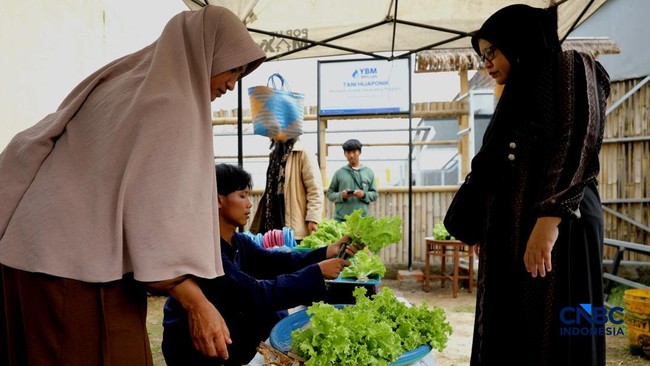
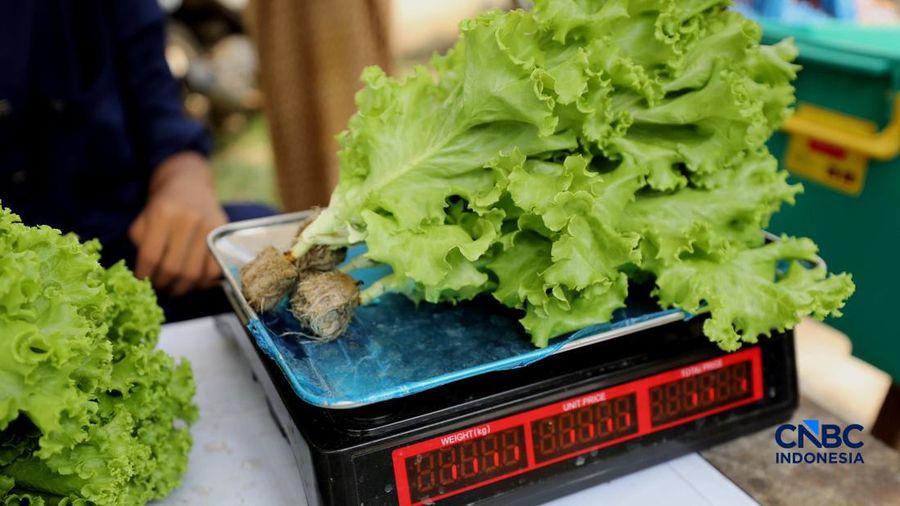
On a routine Wednesday morning, workers at the Tani Hijaponik facility in Sawangan were observed meticulously harvesting a vibrant yield of leafy greens. This snapshot of urban agriculture highlights a growing shift away from conventional, soil-dependent farming methods toward high-efficiency, space-saving technological alternatives. As urban centers continue to expand across Indonesia, initiatives like Tani Hijaponik offer vital insights into how cities can cultivate self-reliance, promote green economies, and integrate sustainable practices directly into densely populated neighborhoods.
Understanding the Mechanics of Hydroponic Urban Agriculture
At its core, hydroponics is a subset of hydroculture that involves growing plants without soil, using mineral nutrient solutions in a water solvent. Unlike traditional farming, where roots anchor themselves in earth to absorb water and nutrients, hydroponic systems deliver a precisely measured cocktail of elements directly to the plant’s root system. This method eliminates the need for extensive agricultural land, making it uniquely suited for urban settings such as Depok, where horizontal space is scarce and expensive.
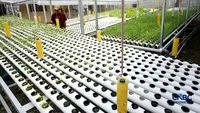
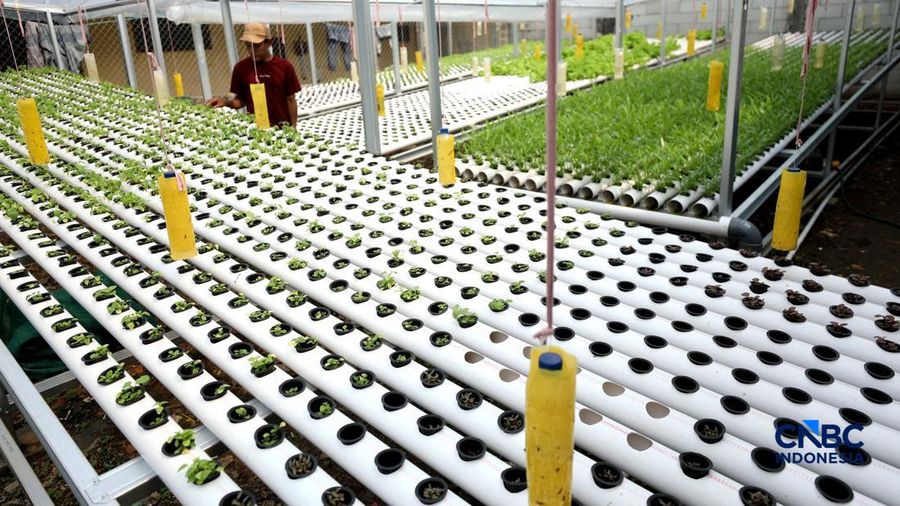
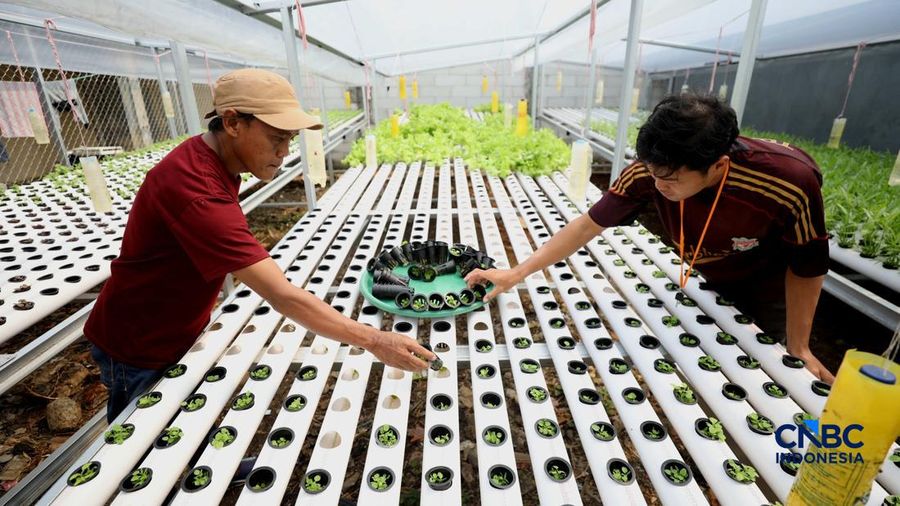
Tani Hijaponik employs the Deep Flow Technique (DFT), a sophisticated hydroponic method where a continuous, shallow stream of nutrient-rich water flows through troughs or channels housing the plant roots. Driven by reliable electric pumps, the system ensures that plants have constant access to oxygen, water, and essential nutrients. This continuous circulation prevents water stagnation and promotes rapid root development.
Crucial to the success of this operation is the precise regulation of the growing environment. Workers monitor and adjust the acidity levels—measured by pH—and the concentration of total dissolved solids, measured in parts per million (PPM). Because different crops have unique physiological requirements, maintaining exact pH and PPM thresholds is essential for maximizing yield and preventing nutrient deficiencies. For instance, leafy greens like lettuce and pakcoy require specific nutrient profiles that differ from those needed by spinach or water spinach (kangkung). By fine-tuning these parameters daily, Tani Hijaponik ensures that every harvest meets stringent standards of freshness and visual appeal.
A Diverse Harvest Tailored for Urban Consumption
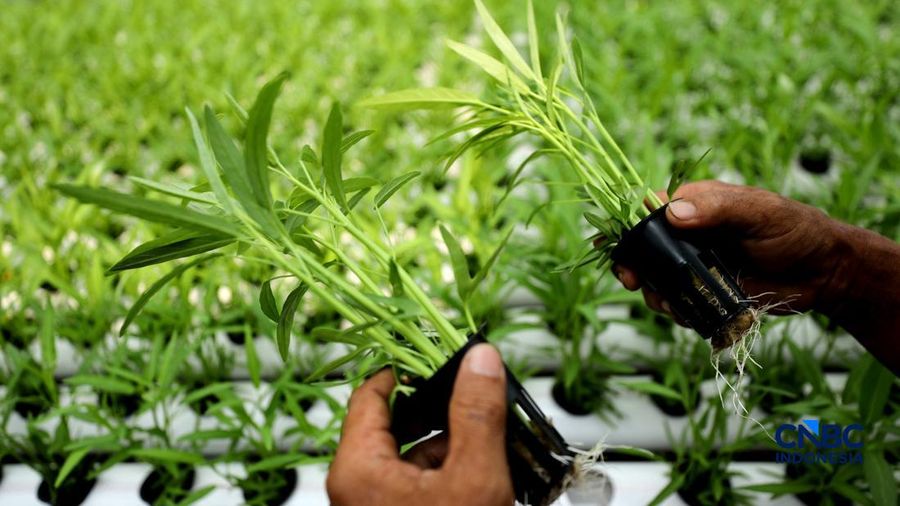
The commercial viability of urban farming heavily relies on selecting crops that have a short harvest cycle, high market demand, and steady local consumption. Tani Hijaponik has strategically curated its production line to focus on several popular and fast-growing leafy vegetables. The facility regularly cultivates and harvests crisp lettuce, versatile pakcoy, tender kangkung, as well as both red and green spinach.
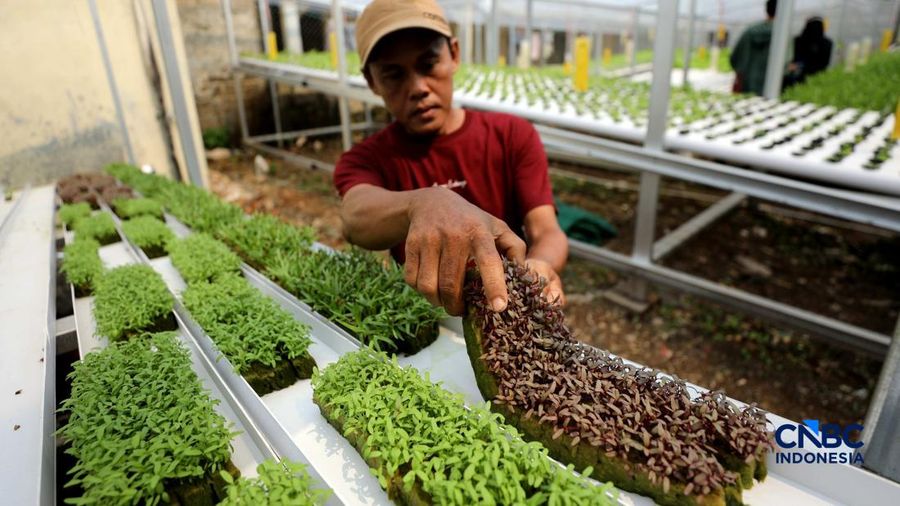
These crops are favored not only for their adaptability to hydroponic systems but also for their rapid growth rates. Under optimal DFT conditions, many of these varieties can transition from seedlings to harvestable produce in a fraction of the time required by conventional farming. This rapid turnover allows urban farmers to maximize their output per square meter, significantly increasing their economic return.
Furthermore, the proximity of these urban farms to consumer markets drastically reduces the supply chain footprint. Traditional agriculture often requires transporting produce over hundreds of kilometers from rural farming regions to urban distribution hubs, resulting in post-harvest loss, carbon emissions, and diminished freshness. In contrast, Tani Hijaponik’s harvest can move from the greenhouse to local markets and neighborhood kitchens within hours, ensuring maximum nutritional retention and unmatched crispness.
Sustainable Pest Management and Ecosystem Control
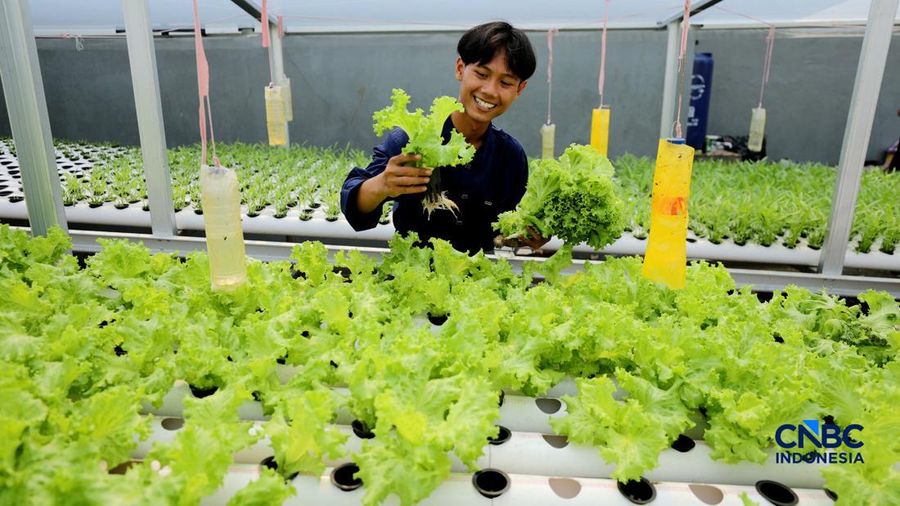
Operating an intensive agricultural enterprise in a densely populated suburban area presents unique ecological challenges, particularly regarding pest control. In conventional farming, large-scale chemical pesticides are frequently deployed to manage insect infestations, raising concerns about environmental runoff and consumer health. Tani Hijaponik addresses this challenge by implementing eco-friendly, targeted pest management strategies.
Instead of broad-spectrum chemical sprays, workers utilize innovative, low-impact solutions such as homemade traps for fruit flies. By repurposing plastic bottles filled with petrogenol—a specific attractant—the farm effectively manages insect populations without introducing harmful toxins into the growing environment. This disciplined approach aligns with the growing consumer demand for pesticide-free, residue-safe produce, reinforcing the health benefits of urban-grown hydroponic vegetables.
Economic Dimensions and Market Pricing
Beyond its ecological and spatial advantages, Tani Hijaponik operates as a functioning commercial enterprise that contributes to the local economy. The high quality and consistent supply of its produce have established a reliable market presence in Depok and surrounding areas.
To remain competitive while reflecting the labor-intensive care required for hydroponic management, the farm has structured an accessible pricing model for its consumer base. Premium crops such as hydroponic lettuce and pakcoy are typically marketed at approximately Rp25,000 per kilogram. Meanwhile, fast-growing varieties like kangkung are priced around Rp15,000 per kilogram, and both red and green spinach command roughly Rp20,000 per kilogram.
These price points allow the enterprise to cover operational costs—including electricity for water pumps, nutrient solutions, seeds, and maintenance—while remaining attractive to local households, traditional wet markets, and regional culinary businesses seeking reliable, locally sourced ingredients.
The Broader Implications of Urban Hydroponics for Indonesian Cities
The success of initiatives like Tani Hijaponik in Sawangan, Depok, carries profound implications for the broader discourse on urban resilience and food security in Indonesia. As metropolitan areas expand and arable land is progressively converted into residential and commercial zones, relying exclusively on rural food supply chains exposes cities to supply vulnerabilities, price volatility, and logistical bottlenecks.
Urban farming acts as a decentralized buffer against these systemic risks. By transforming rooftops, vacant lots, and small plots within housing complexes into productive agricultural nodes, cities can decentralize food production. This shift not only empowers local communities to engage directly with agriculture but also fosters educational awareness regarding sustainable resource management, water conservation, and nutritional self-sufficiency.
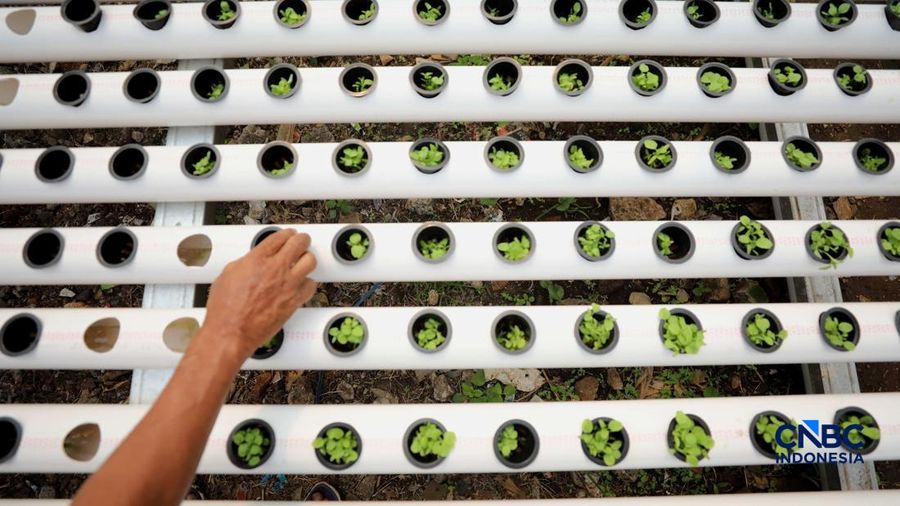
Moreover, hydroponic systems use significantly less water than conventional soil-based farming—often up to 90% less—because the water is continuously recycled within a closed or semi-closed loop system. In an era marked by climate uncertainty and fluctuating water resources, this high water-use efficiency is a critical asset for sustainable urban planning.
Future Outlook and Scaling Urban Agriculture
As urban centers continue to navigate the complexities of population density and environmental preservation, the model pioneered by Tani Hijaponik serves as a scalable template for other communities. The integration of modern horticulture techniques with community-based entrepreneurship demonstrates that urban farming is no longer merely a hobbyist pursuit, but a viable economic sector capable of contributing to national food security goals.
Looking ahead, the expansion of urban hydroponics will likely depend on supportive municipal policies, technological advancements in automated nutrient dosing, and increased access to micro-financing for urban farmers. By lowering the barriers to entry and providing technical training, local governments and agricultural cooperatives can encourage wider adoption of rooftop and backyard hydroponic systems.
Ultimately, the vibrant rows of green vegetables harvested in Cinangka, Sawangan, stand as a testament to human ingenuity in the face of spatial constraints. Tani Hijaponik has shown that with the right combination of technology, environmental stewardship, and market strategy, limited land is merely a design challenge rather than an insurmountable barrier to agricultural abundance.
Related posts: