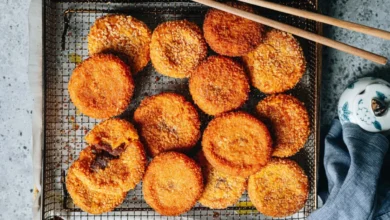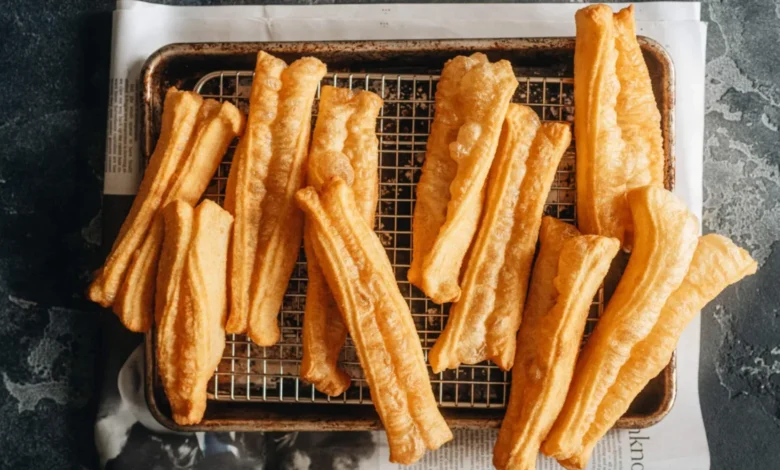
In a culinary landscape often dominated by fleeting food trends, the enduring appeal of You Tiao, a traditional Chinese fried dough stick, remains a potent symbol of comfort and nostalgia. Once a ubiquitous street food, a familiar sight for schoolchildren in China, the classic You Tiao is experiencing a renaissance. This article delves into a refined home recipe that recaptures the authentic crispy, airy texture of this beloved breakfast staple, moving away from the historically used, but now concerning, chemical additives like alum and ammonia, towards a method that relies on pantry staples and patient preparation.
The allure of You Tiao is deeply intertwined with cherished memories of a specific kind of Chinese breakfast. For many, particularly those with roots in Beijing, the ideal morning began with a warm paper bag of You Tiao, its satisfying crunch giving way to a tender interior, ready to be plunged into a steaming bowl of freshly made soy milk or a savory bowl of Dou Fu Nao, the city’s distinct style of tofu pudding often adorned with a rich, savory gravy. This sensory experience, a cornerstone of a bygone era, has inspired a dedicated quest to replicate it in modern kitchens, far from the bustling street carts of the past.
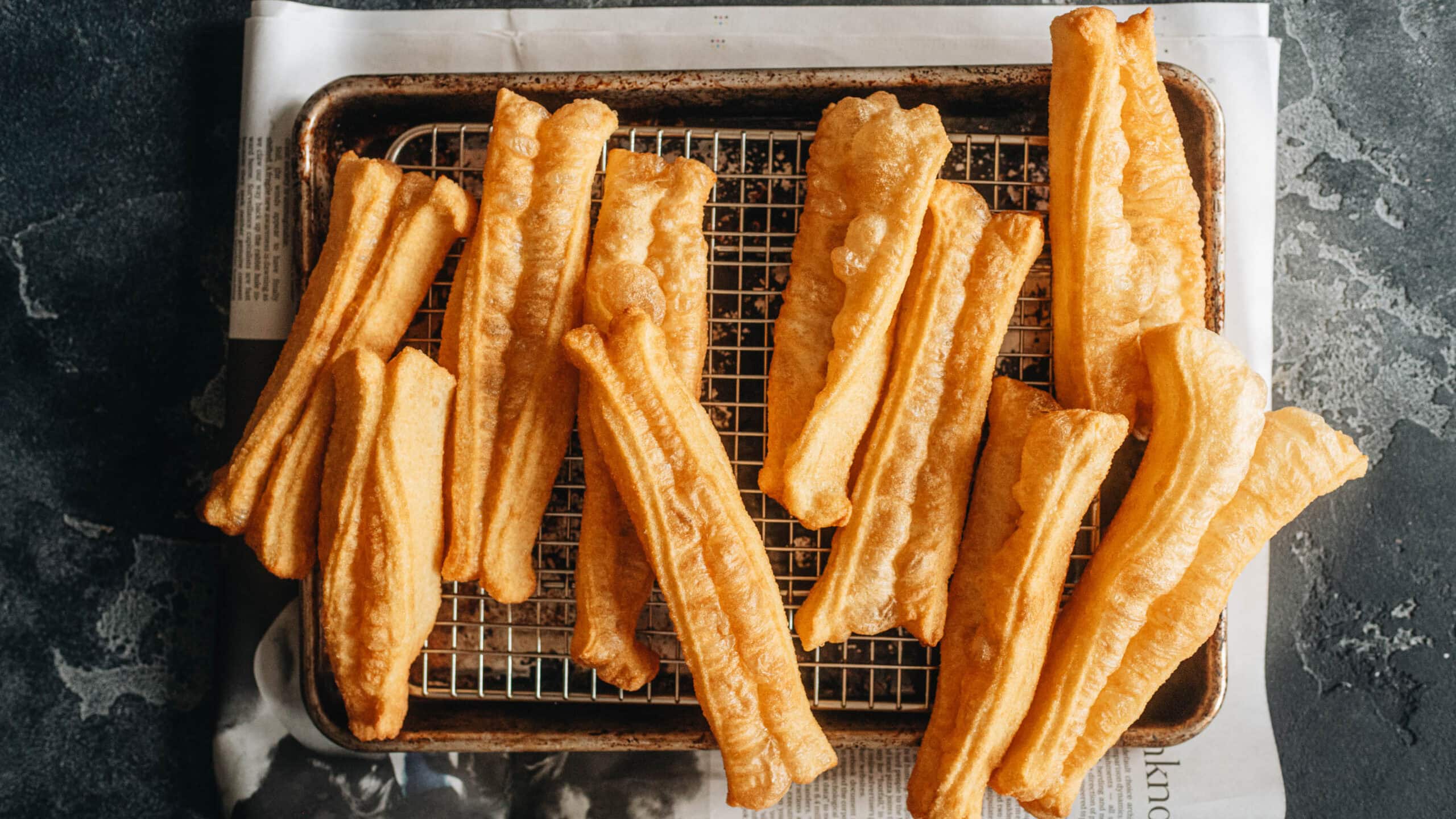
Historically, the distinctive puffiness and airy texture of You Tiao were achieved through the judicious use of ingredients like alum. While effective in creating the desired lightness, concerns over the potential health implications of such additives have led to their gradual phasing out in many regions. Consequently, the street food carts that once lined pathways to schools have largely disappeared, and even restaurant versions often fail to capture the ethereal lightness of freshly fried, perfectly puffed You Tiao. This culinary void has spurred innovation, leading to the development of home-friendly recipes that prioritize both authenticity and health.
A Modern Approach to an Ancient Treat
The challenge for home cooks has been to recreate that signature texture without resorting to the chemical leaveners of the past. This new wave of recipes centers on a carefully calibrated dough and a crucial resting period. The key to achieving the characteristic hollow interior and crisp exterior lies in a combination of simple ingredients and a thoughtful preparation process. Central to this approach is the use of egg whites, which contribute to a lighter, airier crumb compared to whole eggs, and a prolonged refrigeration period for the dough. This extended chill allows the dough to develop its structure and flavor, ensuring a superior final product.
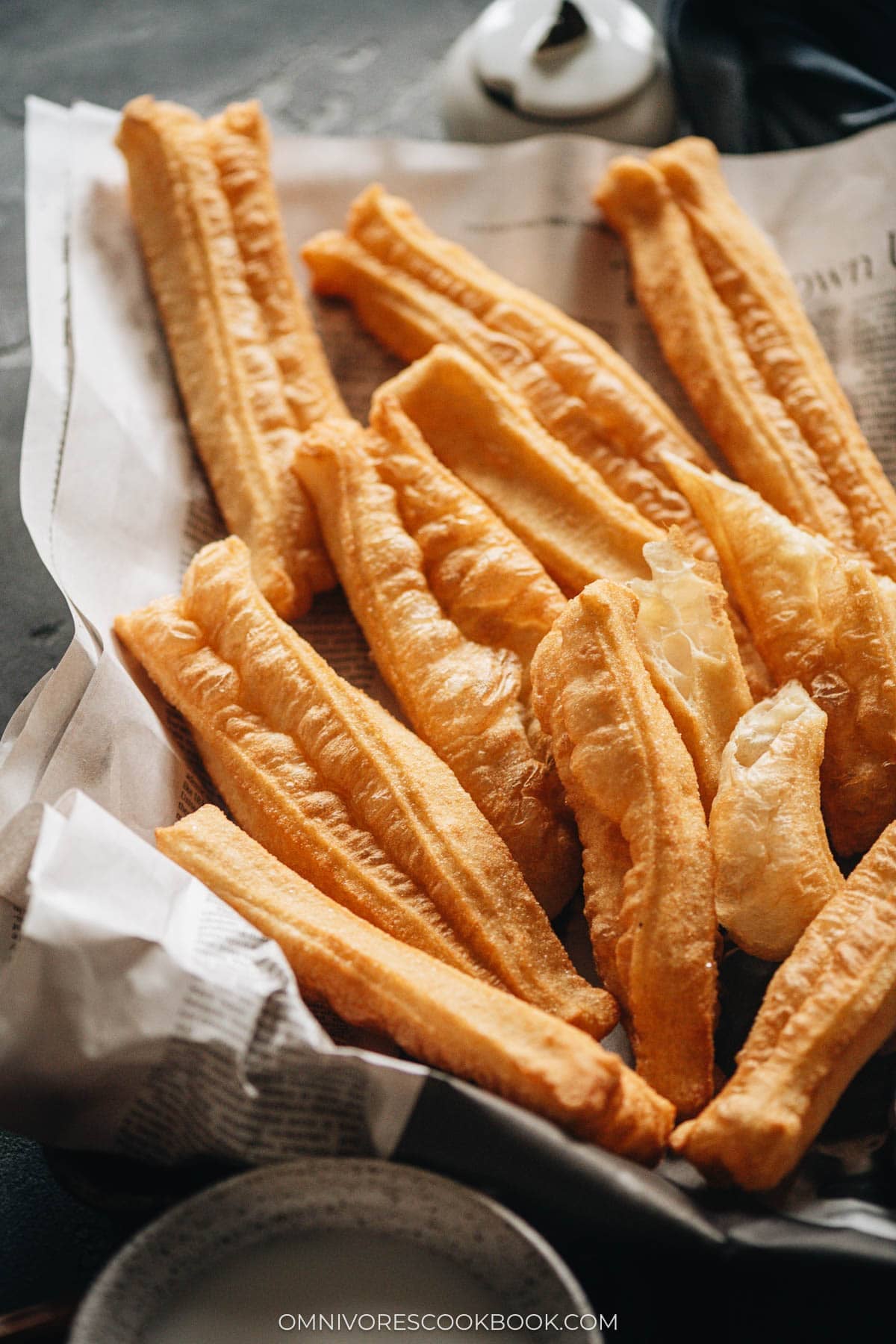
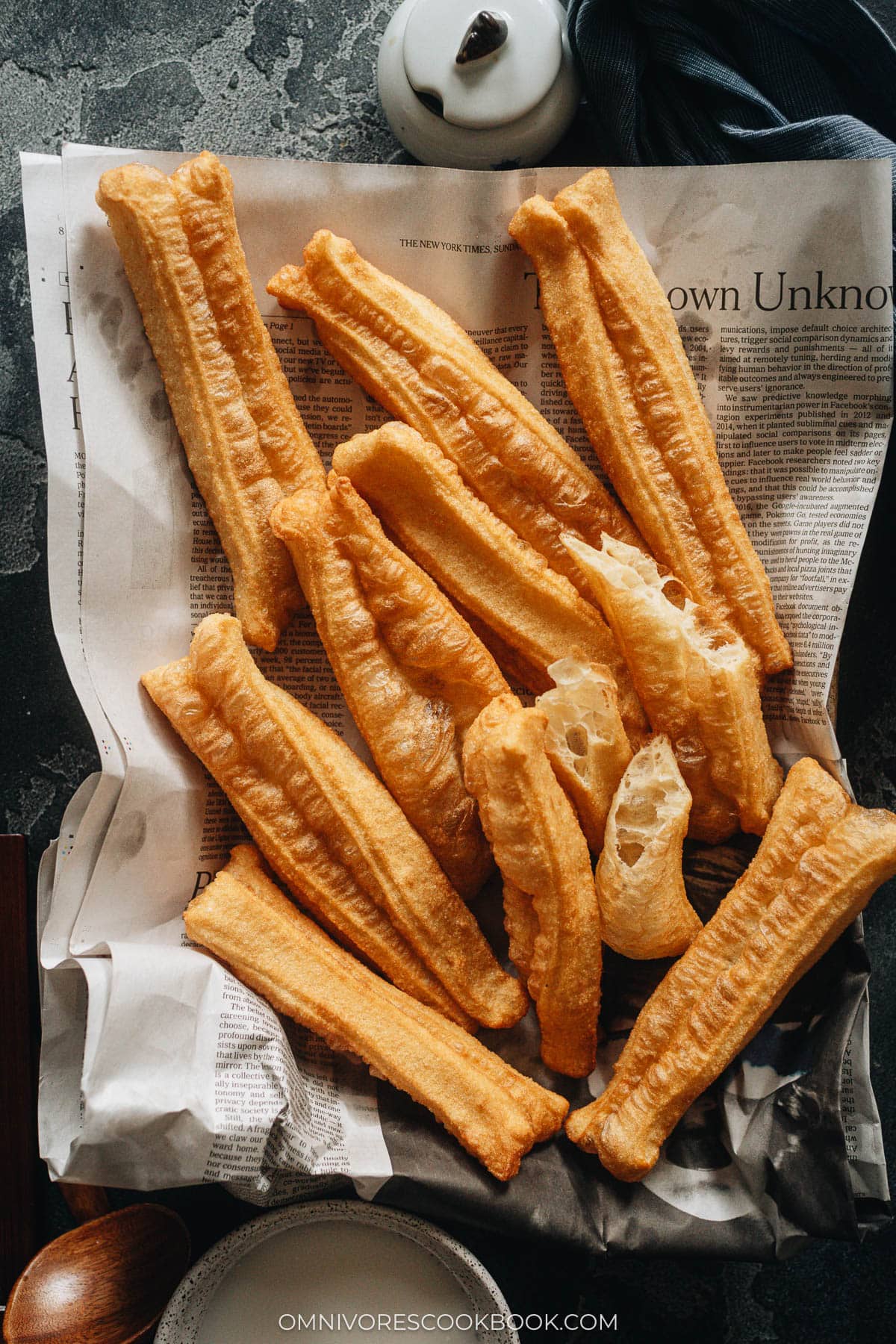
The recipe advocates for a make-ahead strategy, where the dough is mixed and kneaded one evening, followed by an initial short rest. A second, more thorough kneading session precedes an overnight stay in the refrigerator. This slow, cold fermentation is the secret weapon, transforming a potentially dense dough into one that promises to puff up beautifully when introduced to hot oil. The next morning, the dough is rolled, cut, and then expertly fried, emerging from the oil with the desired hollow, crispy texture that evokes the nostalgic flavors of traditional Chinese breakfasts.
The Science Behind the Puff: Ingredients and Techniques
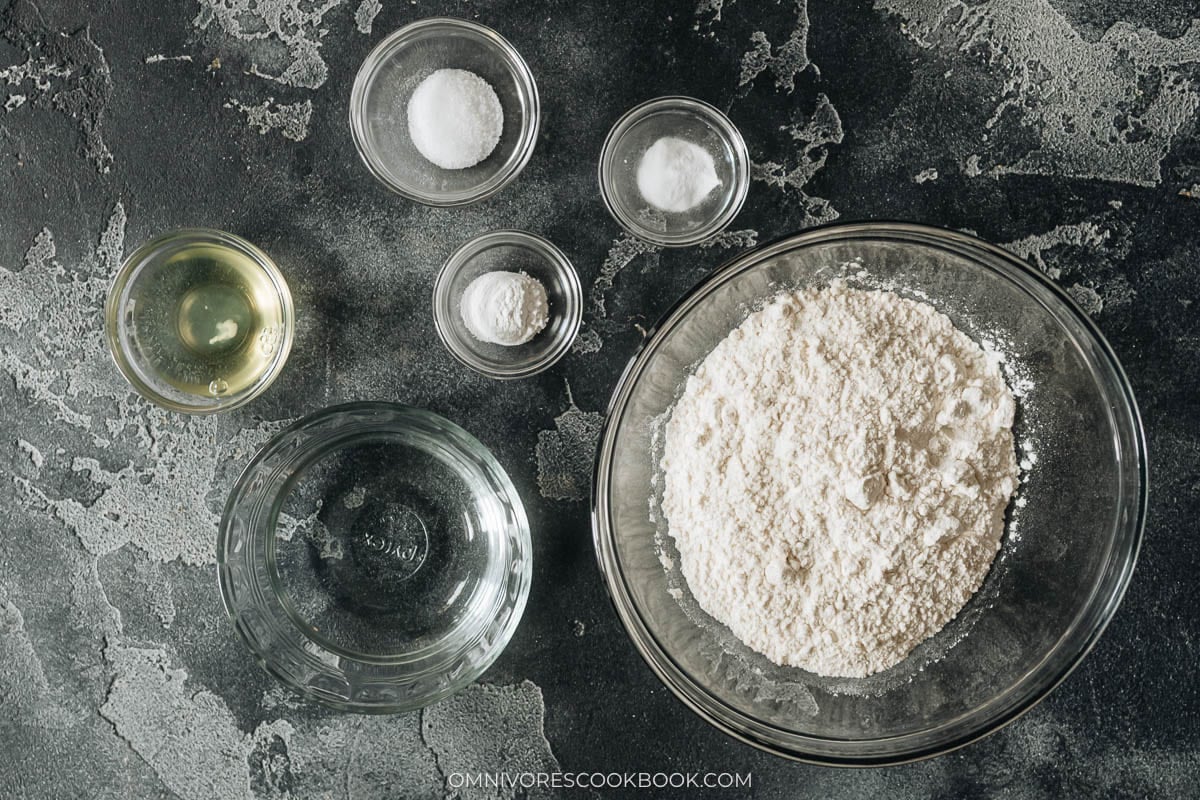
The simplicity of the ingredients list for this You Tiao recipe belies the sophistication of the outcome. At its core, the dough relies on common pantry staples, making it accessible to anyone looking to recreate this culinary classic.
Dough Composition
The foundation of the dough is all-purpose flour. For optimal results, precision in measurement is advised, with weighing the flour recommended whenever possible. This ensures consistency, as the density of flour can vary significantly when measured by volume. Room-temperature water is crucial, as it avoids shocking the leavening agents and allows for even hydration of the flour. The dough is intentionally mixed to be on the wetter, stickier side. This seemingly counterintuitive approach is key; a wetter dough is known to puff up more hollowly and lightly during the frying process than a firmer, drier dough.
Leavening Agents: The Power of Baking Powder and Soda
The lift and airiness of the You Tiao are primarily achieved through a precise blend of baking powder and baking soda. These leaveners are dissolved in the water before being incorporated into the flour. This ensures they are evenly dispersed, allowing for uniform activation and lift during both the resting period and the frying stage. The controlled release of gases from these agents is fundamental to creating the characteristic porous structure.
The Role of Egg White and Salt
The recipe specifically calls for only the egg white, omitting the yolk. This choice is deliberate. Egg whites contribute significantly to the desired fluffy and crispy texture, promoting a lighter crumb. In contrast, using a whole egg can result in a denser, more bread-like texture, deviating from the classic street-food ideal. Salt is incorporated alongside the egg white. Kosher salt is a preferred choice due to its easily portionable crystals, though sea salt can be used as an alternative, albeit in smaller volumes.
The Frying Medium: Selecting the Right Oil and Pot
A neutral vegetable oil is the recommended choice for deep frying. To minimize the amount of oil required and simplify cleanup, a tall, smaller pot is suggested. A pot approximately nine inches in diameter and 4.5 inches in height is ideal. This depth is sufficient to fry the stretched dough without excessive splashing, while its smaller diameter conserves oil and streamlines the post-frying process.
Step-by-Step Guide to Crafting Authentic You Tiao
The process of making You Tiao at home, while requiring some advance planning, is remarkably straightforward when following these detailed steps:
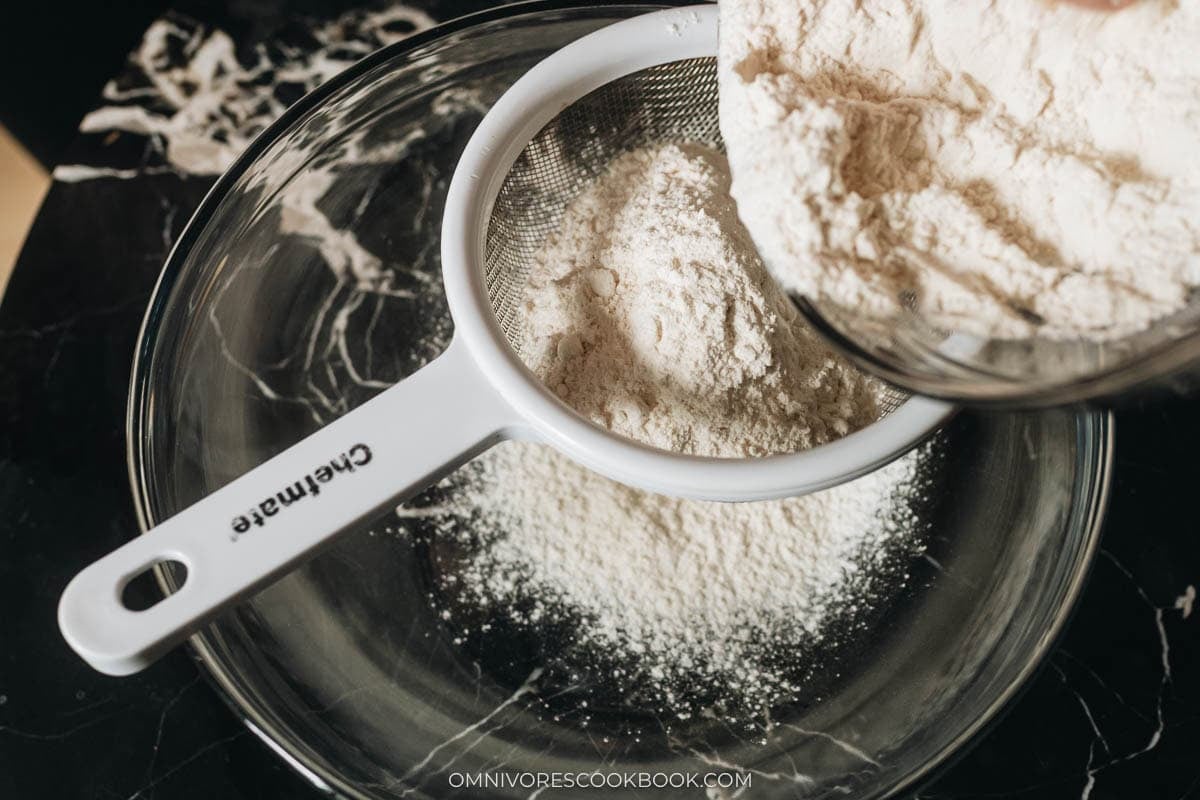
1. Sift the Flour: Begin by sifting the all-purpose flour into a large bowl using a mesh strainer. This essential step breaks up any clumps, ensuring that the flour hydrates completely and evenly when the wet ingredients are added, leading to a smoother dough.
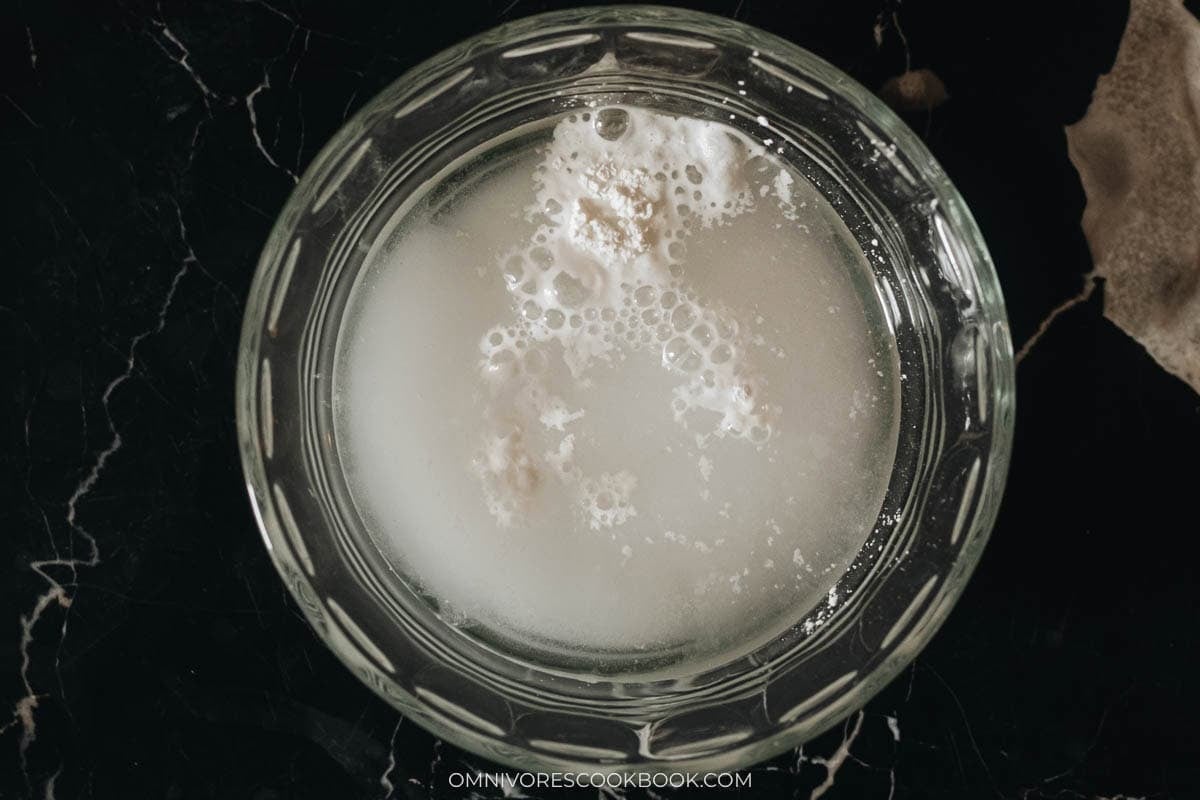
2. Dissolve the Leaveners: In a small bowl, combine the room-temperature water with the baking powder and baking soda. Stir until both leavening agents are fully dissolved. Proper dissolution is critical for uniform distribution and effective leavening.
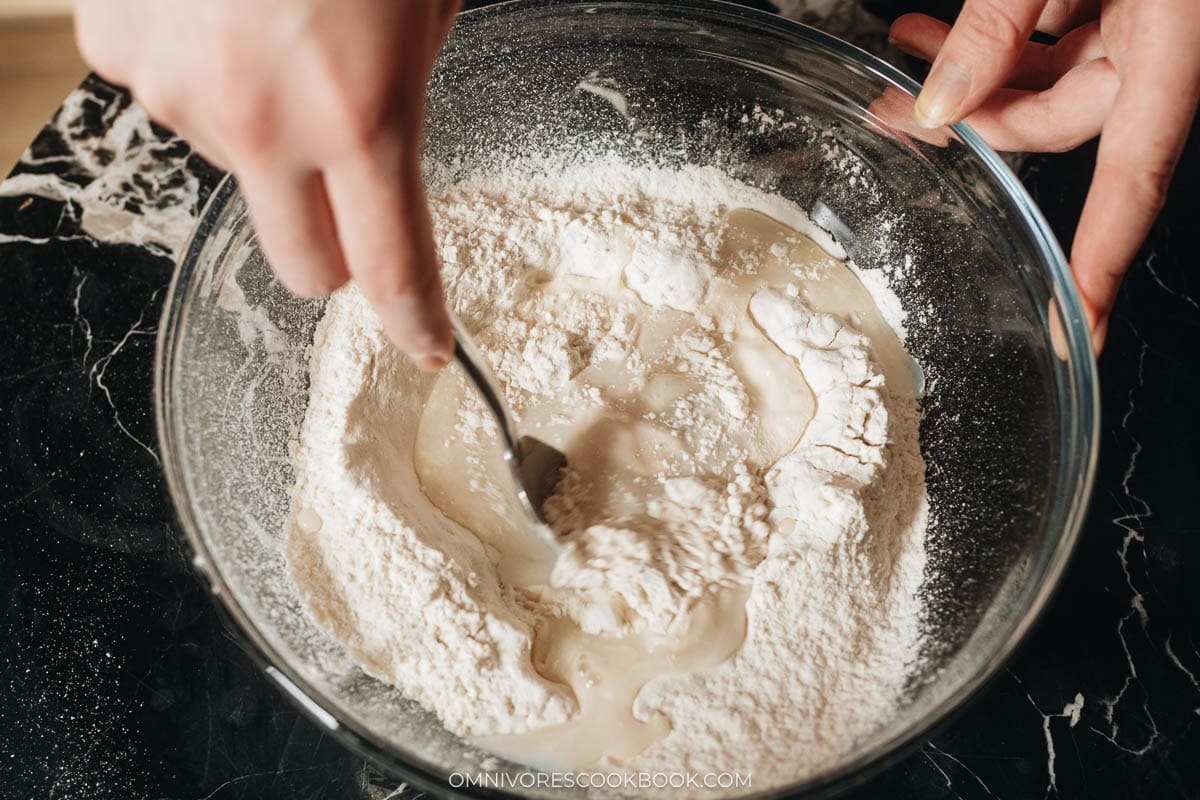
3. Mix the Dough: Add the dissolved leavener mixture, the egg white, and the salt to the sifted flour. Stir with a fork until a coarse, shaggy dough begins to form. At this stage, the dough will appear quite wet and sticky, which is precisely the desired consistency.
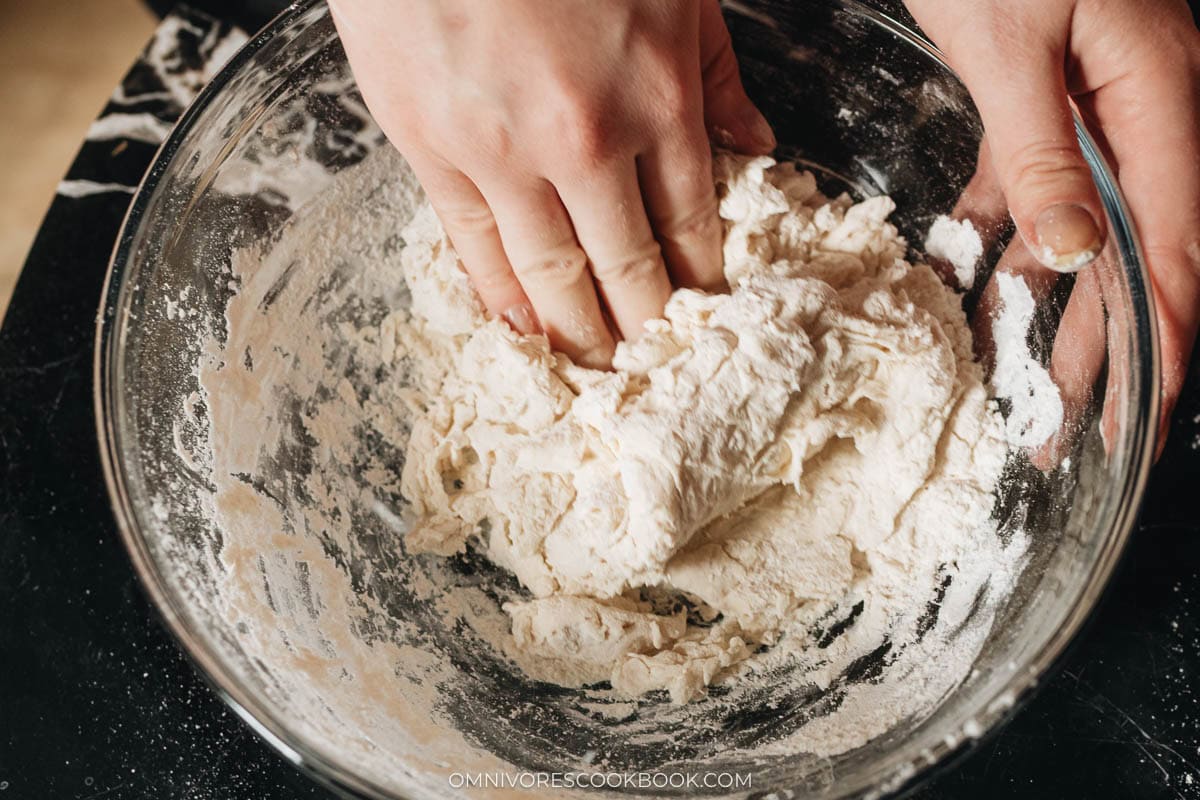
4. First Knead and Rest: Knead the dough within the bowl for approximately five minutes. The dough will initially pull away from the sides, forming a rough mass. Cover the bowl with plastic wrap and allow it to rest at room temperature for 30 minutes. This brief rest allows the gluten to relax, making the dough more pliable.
5. Second Knead and Long Rest: Transfer the dough to a clean work surface and knead it for an additional two minutes. The dough should feel noticeably smoother after this second kneading. Re-cover the dough with plastic wrap and let it rest for at least two hours at room temperature. For the optimal texture, an overnight rest in the refrigerator is highly recommended. This extended cold fermentation is the cornerstone of achieving a truly airy crumb.
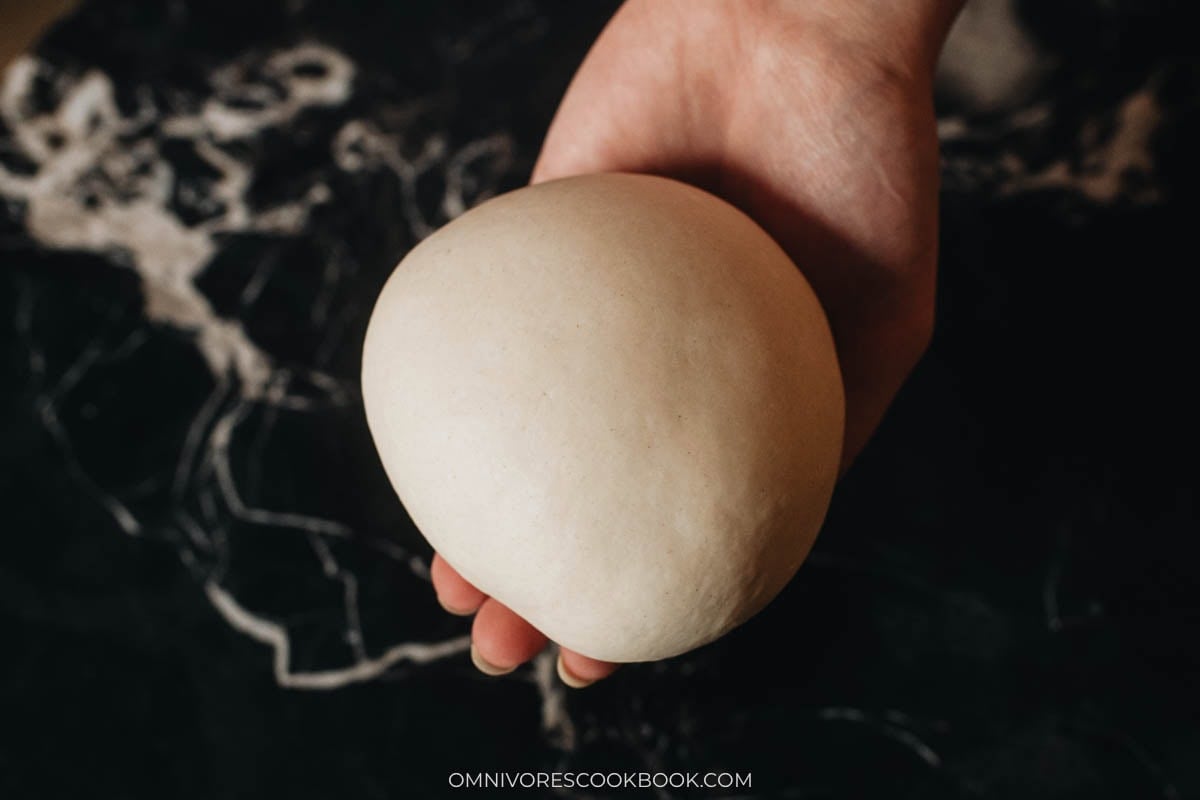
6. Shape the Strips: On a lightly oiled surface, divide the rested dough into two equal portions. Work with one portion at a time, keeping the other covered to prevent it from drying out.
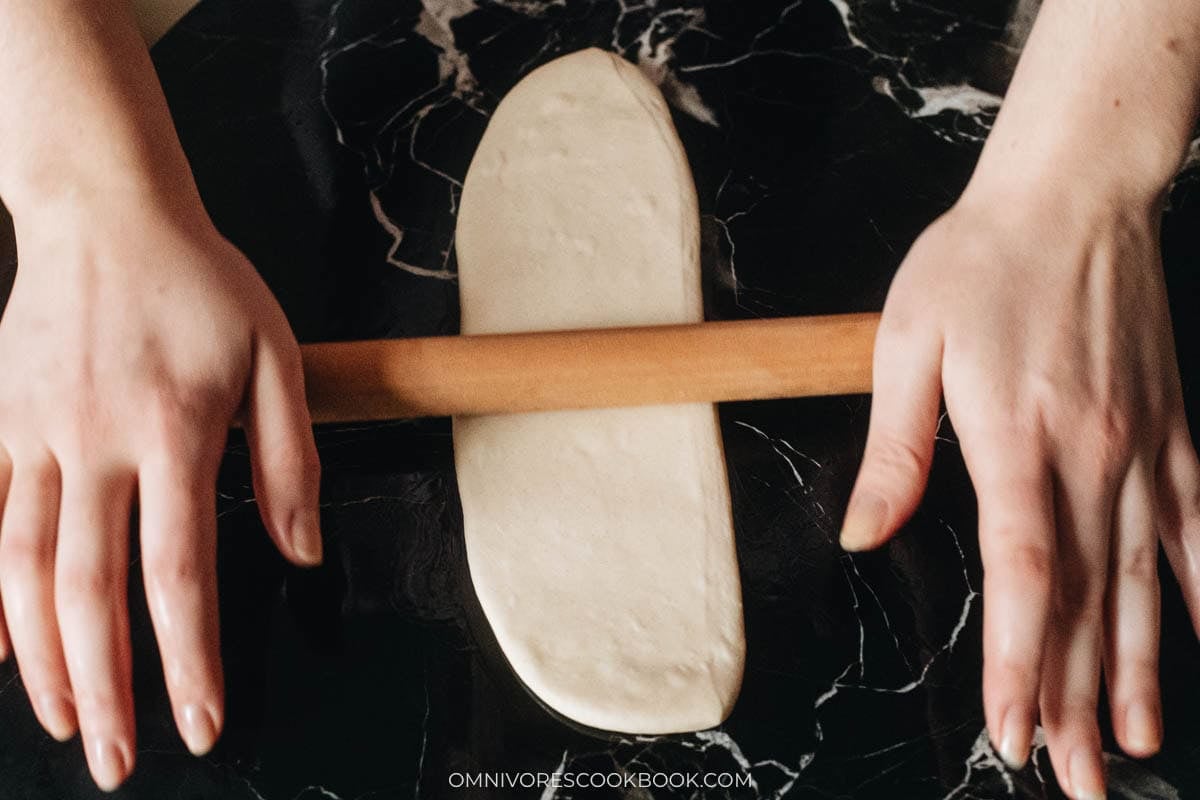
7. Roll and Stretch: Gently roll and stretch one portion of the dough by hand into a long, rectangular strip. Aim for a thickness of about 1/4 inch and a width of approximately four inches.
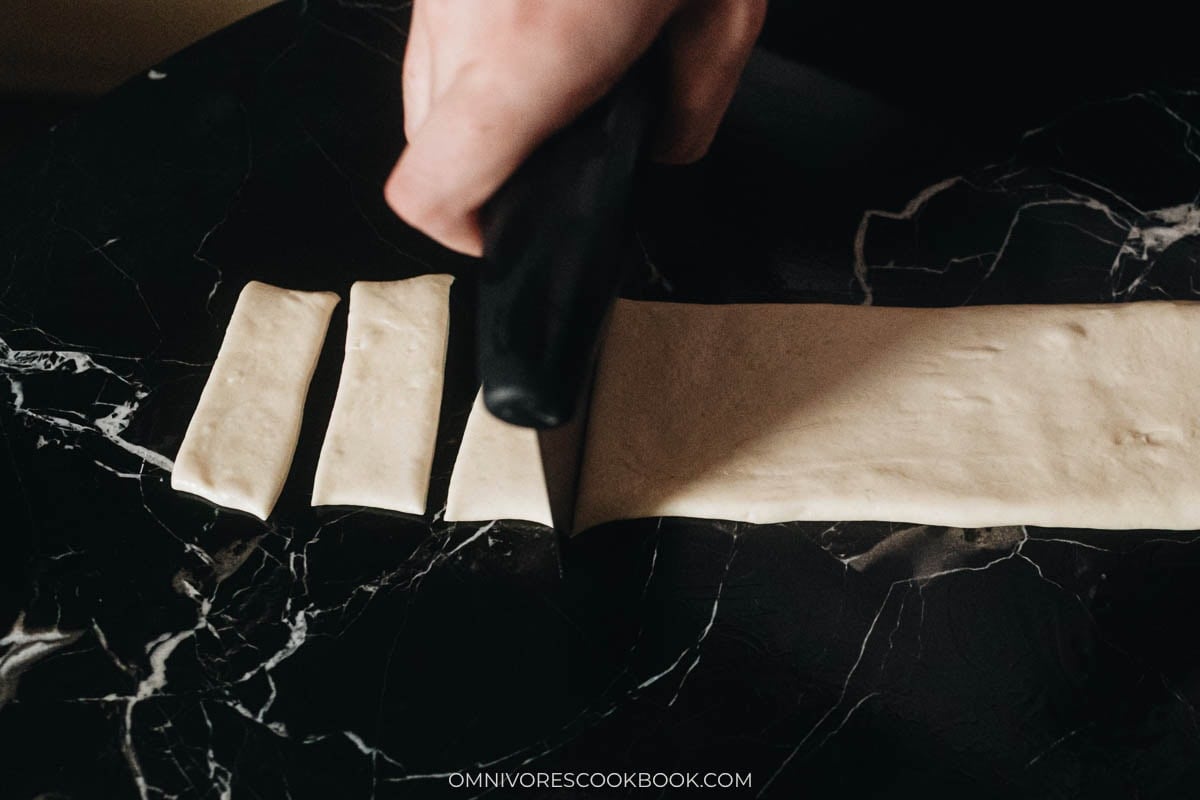
8. Divide into Rectangles: Trim the uneven ends of the strip to create clean edges. Then, cut the strip crosswise into smaller rectangles, each measuring about one inch wide and four inches long.
9. Stack and Press: Lightly moisten a skewer or the back of a knife with water. Press this moistened tool lengthwise into the center of half of the dough rectangles, creating a shallow groove. This indentation is crucial for shaping the You Tiao.
10. Topping and Sealing: Place an un-grooved strip of dough directly on top of a grooved strip.
11. Final Press: Using the same skewer or knife, press firmly down through the center of both stacked strips. This action adheres the two pieces of dough together, ensuring they fry as a single unit. The pressure should be sufficient to bond them but not so firm as to prevent them from separating easily after frying.
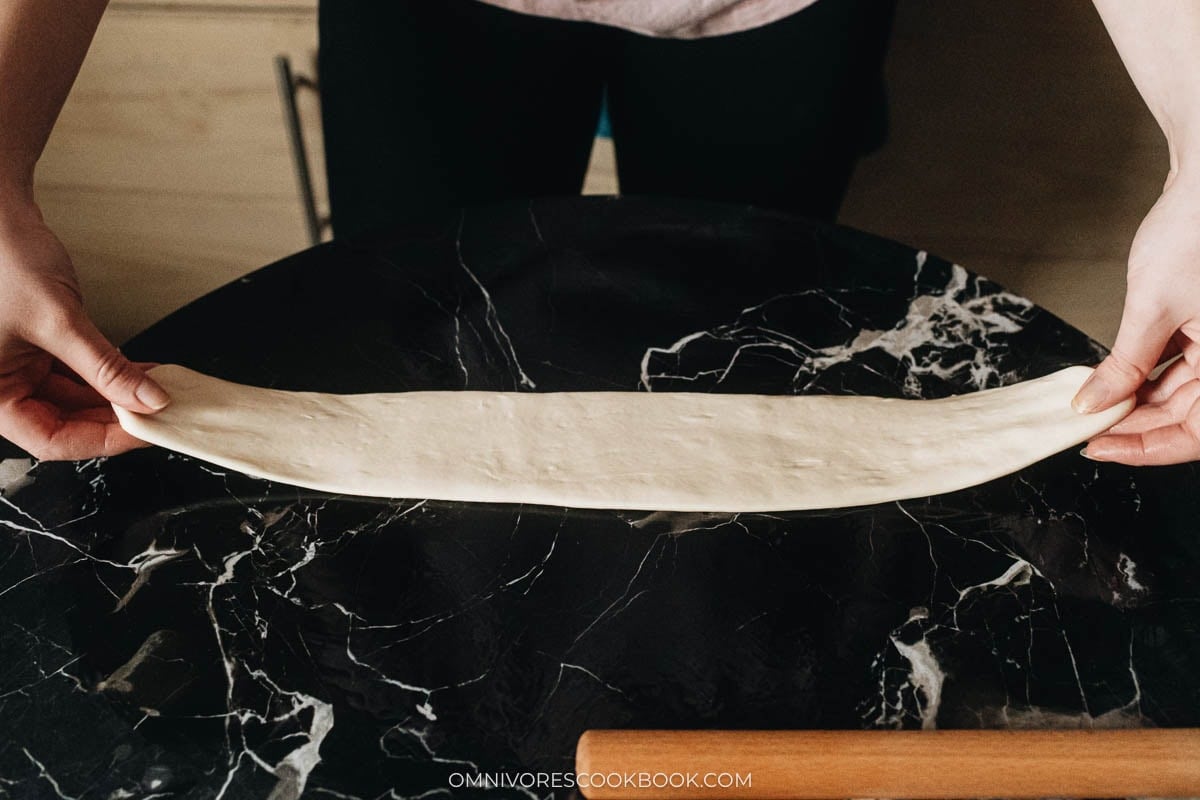
12. Stretch and Prepare for Frying: Carefully pick up one shaped You Tiao. Pinch both ends and gently pull the dough into a longer, thinner strip, approximately eight inches in length. This stretching further elongates the dough, contributing to its airy puff.
13. Time to Fry: Heat a neutral vegetable oil in a tall, narrow pot to approximately 350-375°F (175-190°C). Carefully lower two to three You Tiao strips into the hot oil at a time, depending on the pot’s capacity. Fry each side for about two minutes. For a soft-crispy texture, aim for a light golden hue. For an extra-crispy finish, allow them to fry until golden brown. It is crucial to avoid over-frying, which can lead to a tough and chewy texture instead of the desired lightness.
14. Drain and Serve: Once fried to perfection, lift the You Tiao out of the oil using tongs, allowing excess oil to drip back into the pot. Transfer the fried donuts to a wire rack set over a baking sheet to cool slightly. Serve hot or warm for the best experience.
My Cooking Tips for Perfect You Tiao
Achieving the perfect You Tiao at home involves a few key considerations:
- Embrace the Wet Dough: Do not be tempted to add extra flour if the dough feels too wet. A sticky dough is essential for achieving a hollow, light interior. Over-flouring will result in a dense, chewy product.
- The Overnight Fridge Rest is Paramount: While a two-hour room-temperature rest is a viable option, the overnight refrigeration is transformative. It allows the leaveners more time to work, resulting in a noticeably lighter and airier crumb.
- Weigh Your Flour: For consistent results, especially when aiming for that delicate texture, using a kitchen scale to weigh the flour is highly recommended. Even a slight variation in flour quantity can impact the final outcome.
- Gentle Pressing is Key: When joining the two dough strips, the goal is to create a bond, not to seal them tightly. Press just enough for them to stick together during frying; they should separate easily when eaten.
- Monitor Oil Temperature Diligently: Maintaining the correct oil temperature is critical. Too cool, and the You Tiao will absorb excess oil, becoming greasy. Too hot, and the exterior will brown too quickly before the interior can puff, resulting in a less desirable texture. A thermometer is an invaluable tool here.
Serving Suggestions: A Versatile Breakfast Companion
You Tiao are a quintessential breakfast item, best enjoyed with complementary dishes that enhance their flavor and texture.
The most classic way to enjoy You Tiao is by tearing off a piece by hand and dipping one end into a warm bowl of soy milk. The soft crust, upon absorbing the liquid, offers a delightful contrast to the crispy exterior. For a more substantial meal, You Tiao can be broken into pieces and floated atop a steaming bowl of chicken congee or century egg congee. The porous texture of the fried dough readily soaks up the flavors of the porridge, softening into a delightful accompaniment.
A traditional Beijing breakfast spread featuring You Tiao often includes a variety of dishes. Alongside the fried dough, one might find a bowl of savory tofu pudding with warm gravy, a stack of freshly made Chinese scallion pancakes, and a small bowl of savory Chinese oatmeal. While assembling such a spread requires effort, the reward is a deeply satisfying and authentic Chinese breakfast experience.
Frequently Asked Questions
-
Can I use a whole egg instead of just the egg white?
While it’s possible to use a whole egg, the resulting texture will differ. The egg white alone contributes to the desired fluffy, crispy texture reminiscent of street-style You Tiao. A whole egg tends to create a heavier, more bread-like crumb. For the closest replication of the classic street-cart You Tiao, the egg white is strongly recommended. -
Can I make You Tiao in an air fryer?
An air fryer is not recommended for this recipe. The signature airy, hollow texture of You Tiao is dependent on the rapid and even distribution of heat from hot oil surrounding the dough from all sides. An air fryer cannot replicate this crucial cooking environment. For this particular dish, traditional deep-frying in a pot is the most effective method. -
How long do these keep in the fridge and freezer?
Once cooled, You Tiao can be stored in an airtight container or ziplock bag in the refrigerator for two to three days. For longer storage, freezing is the superior option. Frozen You Tiao can be kept for up to one month and reheat remarkably well, often retaining more of their original crispness than refrigerated leftovers. To reheat, bake in a preheated oven at 400°F (200°C) for approximately five minutes from the refrigerator or eight minutes from the freezer, until the crust is re-crisped and the interior is heated through.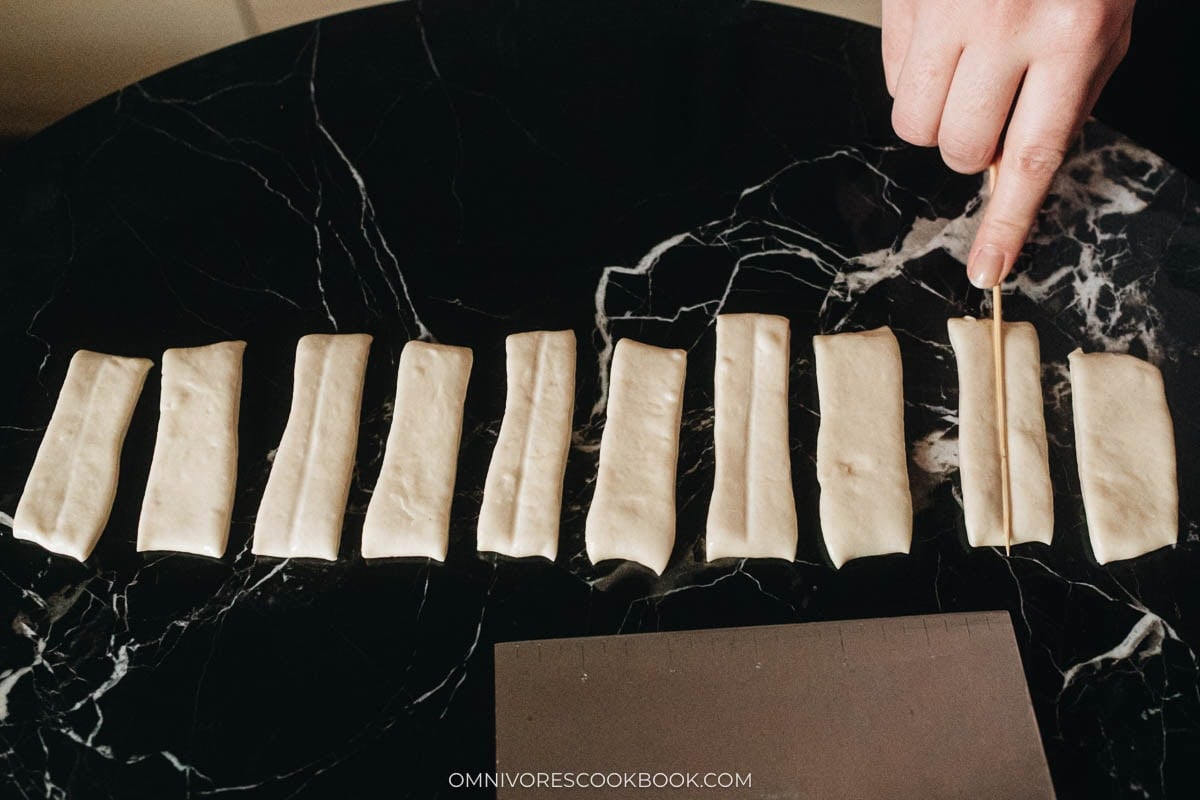
The quest for authentic flavors and textures has led to the refinement of traditional recipes, making beloved dishes like You Tiao accessible to home cooks worldwide. By understanding the science behind the puff and embracing patient preparation, one can recreate this iconic Chinese breakfast treat, connecting with a rich culinary heritage one crispy, airy bite at a time.