Mastering the Traditional Craft of Homemade Artisan Bread through Simplified Fermentation and Baking Techniques

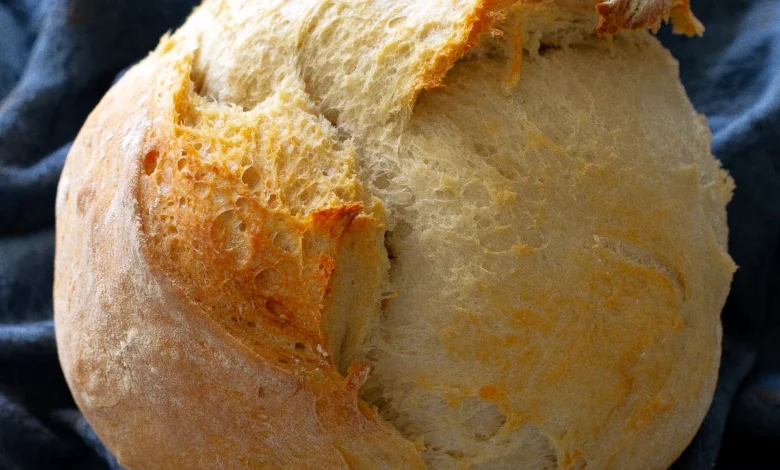
The resurgence of traditional baking methods has transformed the domestic kitchen into a site of culinary craftsmanship, characterized by a shift away from mass-produced, additive-heavy loaves toward the minimalist elegance of artisan bread. Defined by its rustic appearance, crackly crust, and irregular crumb, artisan bread relies on a foundational quartet of ingredients: high-quality flour, water, salt, and yeast. Unlike industrial bread production, which emphasizes speed and uniformity through chemical conditioners and intensive mechanical mixing, the artisan approach prioritizes time and temperature to develop flavor and structure. This methodology, often referred to as the "no-knead" or "low-intervention" technique, has democratized high-quality bread making, allowing amateur bakers to achieve professional-grade results without specialized commercial equipment.
The Foundations of Artisan Bread Chemistry
At its core, artisan bread is a product of biological and chemical synergy. The process begins with the selection of flour, where the protein content plays a pivotal role in the final texture. While all-purpose flour is frequently used for its versatility, bread flour—containing approximately 12% to 14% protein—is often preferred by experts for its ability to form a stronger gluten network. When water is introduced to the flour, two proteins, glutenin and gliadin, bond to form gluten. In traditional artisan recipes, this network is developed not through physical labor, but through a long, slow fermentation process.
The role of yeast, typically Saccharomyces cerevisiae, is to convert the sugars found in the flour into carbon dioxide and ethanol. In a "shaggy dough" state—where ingredients are just combined—the yeast begins its work. Because the dough has a high hydration level, the molecules are mobile enough to align and strengthen the gluten structure over several hours. This biological development creates the "chewy" texture and "irregular air pockets" (alveoli) that distinguish artisan loaves from the tight, uniform crumb of sandwich bread.
Chronology of the Baking Process: From Mixing to Maturation
The production of a standard artisan loaf follows a precise timeline that can span from several hours to multiple days, depending on the desired flavor profile.
Phase 1: Integration and Initial Fermentation
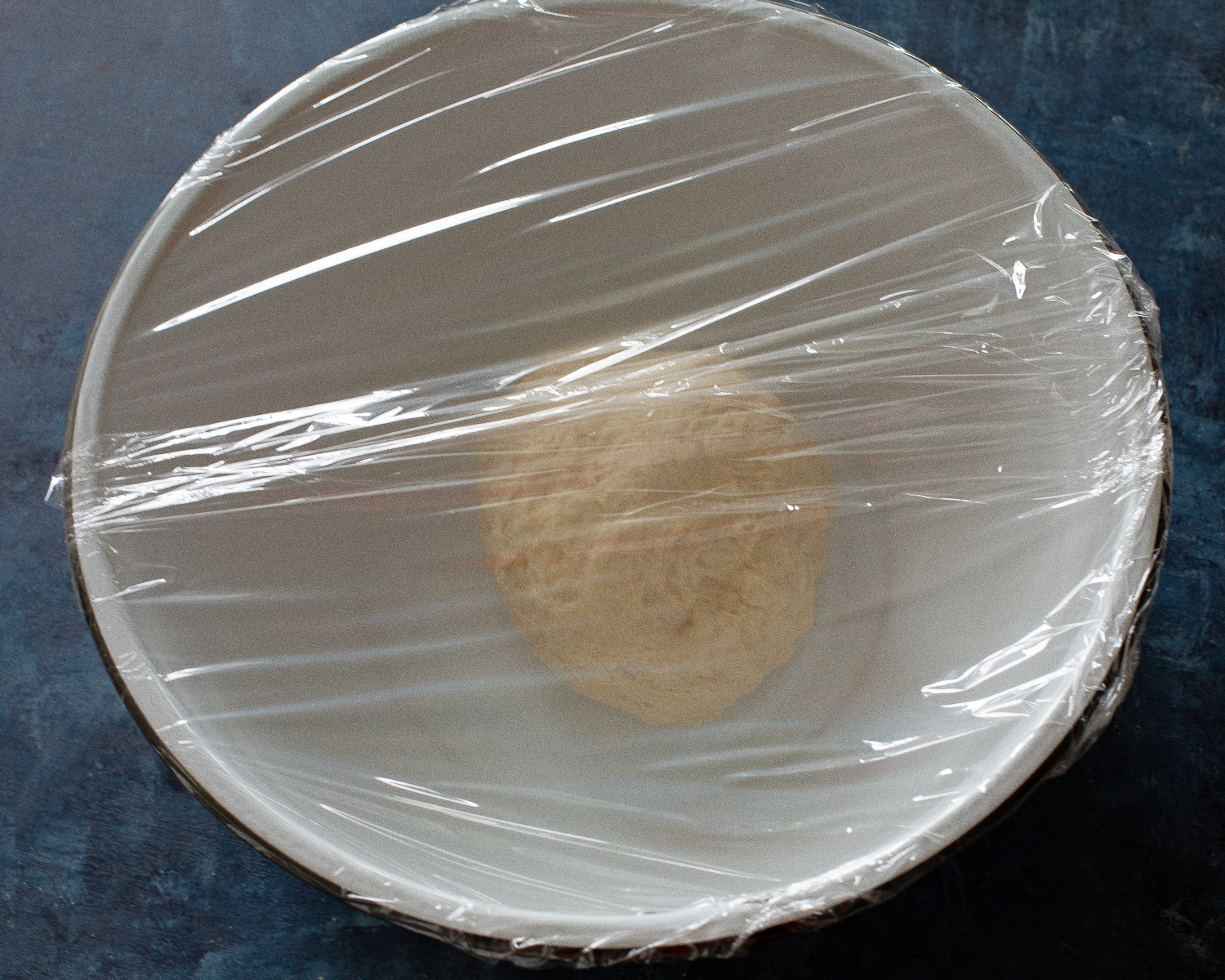
The process commences with the mixing of dry ingredients—flour, salt, and yeast—followed by the addition of warm water. The objective is to reach a "shaggy" consistency where no dry flour remains. Once integrated, the dough enters the bulk fermentation stage. At room temperature (approximately 68°F to 72°F), the dough requires a minimum of two to three hours to double in size. However, culinary data suggests that extended fermentation—up to 72 hours in a refrigerated environment—significantly enhances the organoleptic properties of the bread. Cold fermentation slows yeast activity while allowing enzymes to break down starches into complex sugars, resulting in a deeper, more "nutty" flavor and a superior crust color.
Phase 2: Shaping and Tensioning
Following fermentation, the dough is turned onto a floured surface. The goal of shaping is not to remove the gas produced by the yeast, but to create surface tension. By folding the edges toward the center and forming a round boule, the baker creates a "skin" on the dough. This tension ensures that the bread expands upward rather than outward during the baking process, a phenomenon known as "oven spring."
Phase 3: The Thermal Shock and Steam Injection
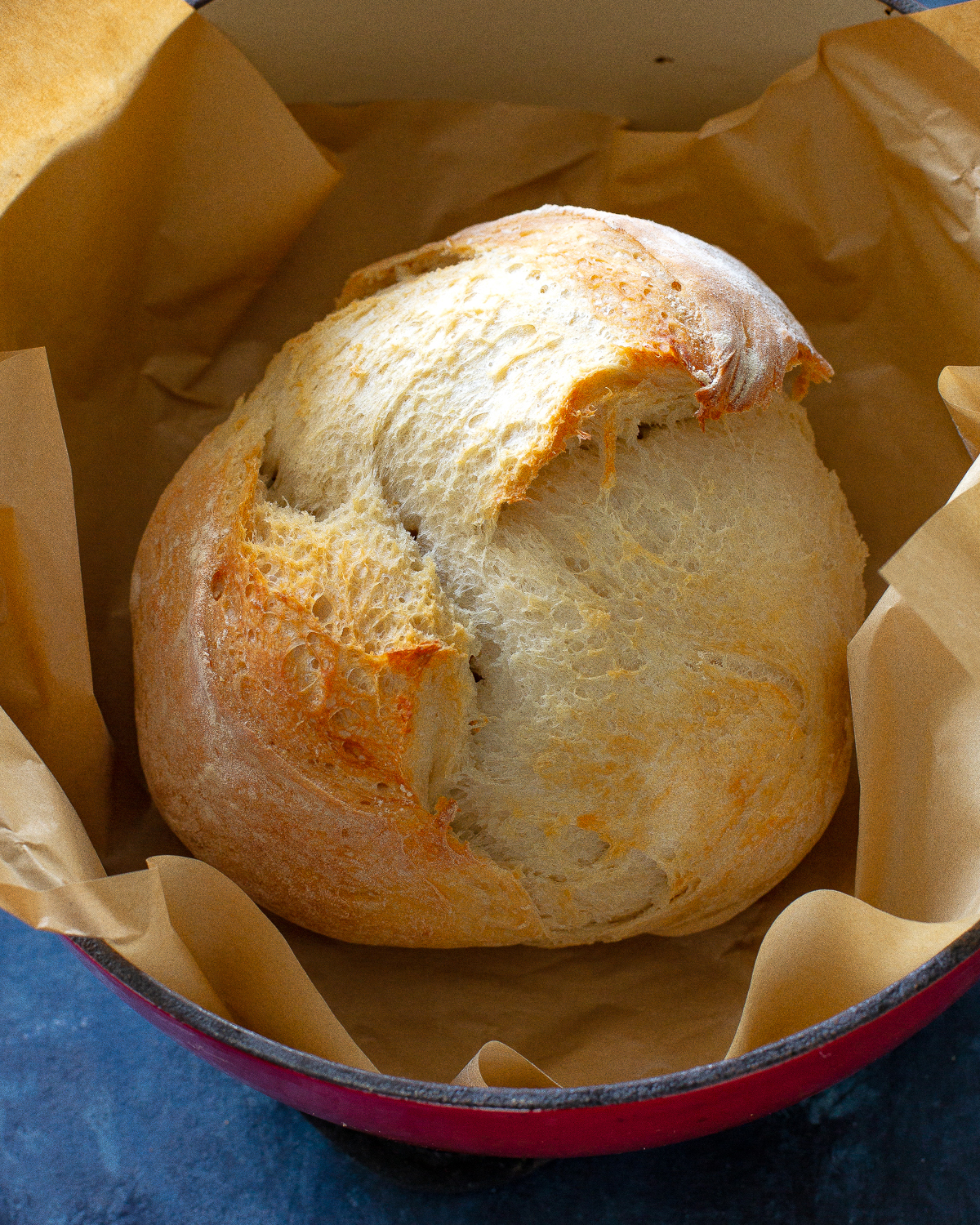
Preheating is perhaps the most critical technical step. The oven is typically set to 450°F (232°C), with a heavy vessel—usually a cast-iron Dutch oven—placed inside to absorb heat. When the cold dough is placed into the searingly hot pot, the moisture in the dough rapidly turns to steam. The lid of the Dutch oven traps this steam, keeping the surface of the loaf moist and pliable. This prevents the crust from setting too early, allowing the internal gases to expand fully. After approximately 30 minutes, the lid is removed, exposing the loaf to dry heat, which facilitates the Maillard reaction and caramelization, producing the signature golden-brown, crackly exterior.
Supporting Data and Technical Specifications
Market research and culinary science provide insights into why this specific method has gained global traction. According to data from the home-baking sector, the "no-knead" artisan method saw a 400% increase in digital search interest over the last five years, largely due to its accessibility.
Technical specifications for a successful loaf include:
- Hydration Levels: Most artisan recipes operate at 70% to 80% hydration (the weight of water relative to flour). High hydration is the primary driver of the large, open crumb structure.
- Temperature Control: Yeast activity peaks between 75°F and 95°F. However, baking at 450°F is necessary to achieve the "crust shatter" effect.
- Sodium Content: Salt is not merely for flavor; it regulates yeast activity and strengthens the gluten. A standard ratio is 2% of the flour weight.
Socio-Economic Context and the "Slow Food" Movement
The rise of homemade artisan bread is deeply embedded in the broader "Slow Food" movement, which emerged as a protest against the fast-food industry and the industrialization of the global food supply. In the mid-20th century, the Chorleywood Bread Process revolutionized commercial baking by using high-speed mixers and chemical oxidants to produce a loaf in under three hours from flour to bag. While efficient, this process was criticized for stripping bread of its nutritional complexity and flavor.
The modern artisan movement represents a return to pre-industrial values. By utilizing only four ingredients, bakers are able to bypass the preservatives, emulsifiers, and sugars found in supermarket varieties. This shift has also had an economic impact; sales of enameled cast-iron cookware and specialty flours have reached record highs as consumers reinvest in durable kitchen goods that facilitate traditional cooking.
Expert Analysis and Troubleshooting
Despite the simplicity of the ingredients, the process is sensitive to environmental variables. Culinary experts point to several common failure points that can result in a dense or "gummy" loaf.
- Water Temperature: If the water is too hot (above 120°F), it can kill the yeast cells instantly. If it is too cold, fermentation will be sluggish, leading to an under-proofed, heavy loaf.
- Oven Recovery Time: Many domestic ovens lose significant heat when the door is opened. Using a Dutch oven acts as a heat sink, mitigating these fluctuations and ensuring a consistent bake.
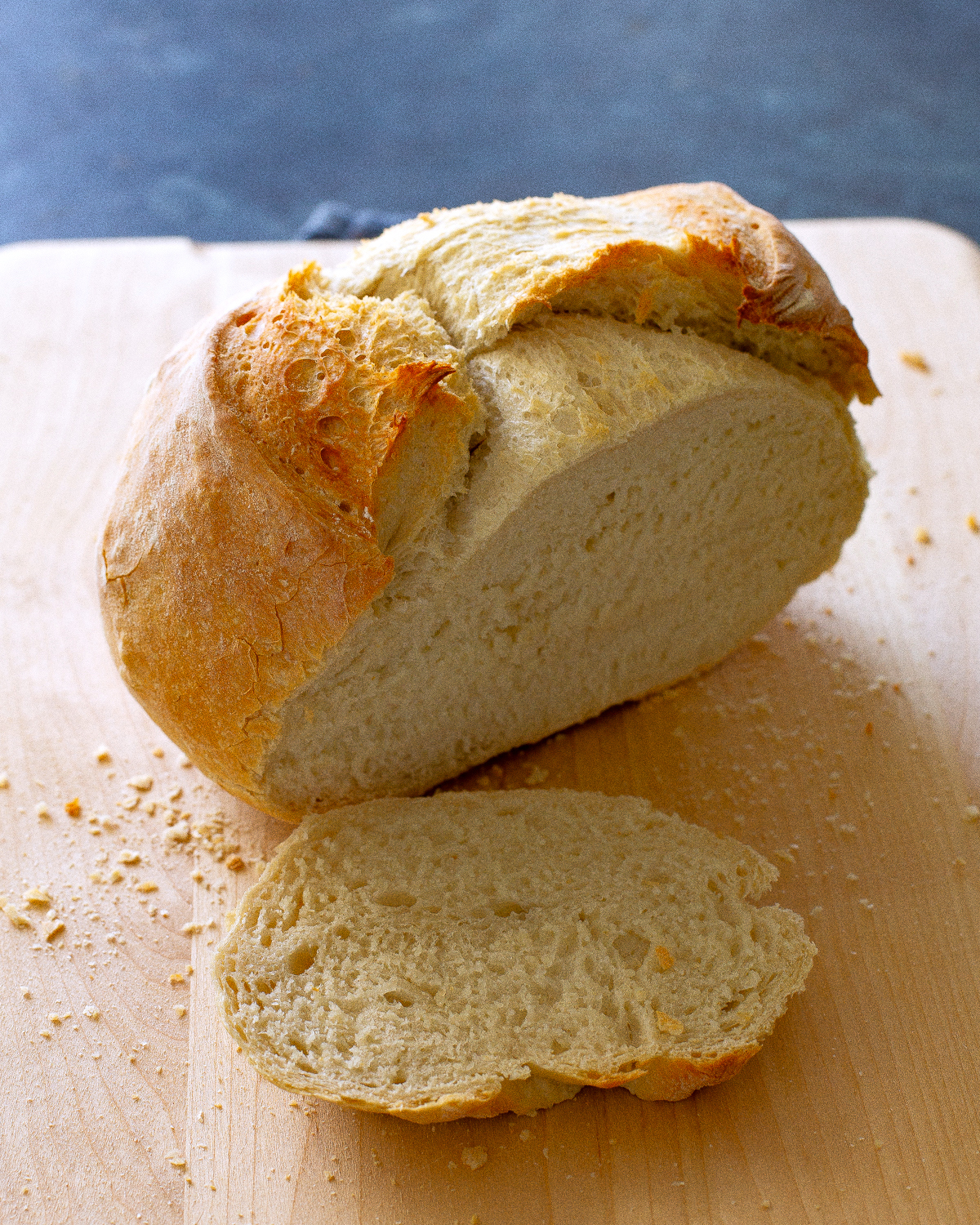
- The Cooling Requirement: A critical, yet often ignored, stage is the cooling period. Bread continues to cook internally after being removed from the oven. Slicing into a hot loaf allows steam to escape prematurely, which can cause the starch to collapse and create a rubbery texture. Experts recommend a minimum cooling time of one hour.
Broader Implications for Health and Sustainability
Beyond the culinary appeal, artisan bread making has significant implications for public health and environmental sustainability. Long-fermentation bread is often easier to digest. The extended fermentation period allows for the partial breakdown of gluten and phytic acid, which can improve mineral absorption and glycemic response compared to rapid-rise industrial breads.
From a sustainability perspective, homemade artisan bread reduces the carbon footprint associated with industrial packaging and long-distance transport. Furthermore, the minimalist ingredient list encourages the sourcing of local, stone-ground grains, supporting smaller agricultural ecosystems.
Conclusion: The Future of Domestic Craftsmanship
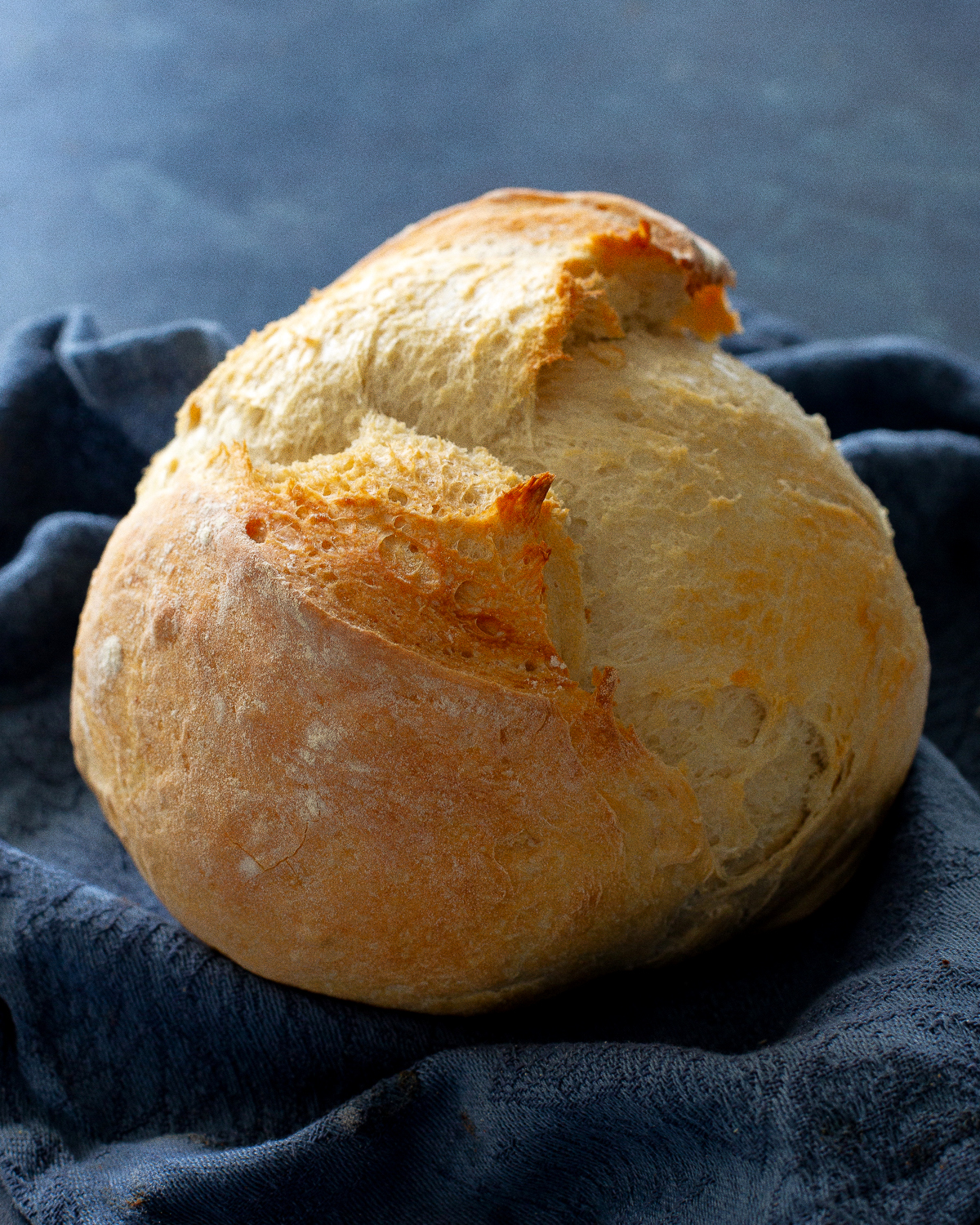
The transition of artisan bread from a specialty bakery item to a staple of the home kitchen signifies a cultural shift toward self-sufficiency and quality-focused consumption. By mastering the variables of time, temperature, and hydration, the modern home baker participates in a tradition that spans millennia, updated for the contemporary era with simplified techniques and accessible technology. As the global community continues to prioritize transparency in food sourcing and production, the humble artisan loaf stands as a testament to the enduring power of simple ingredients handled with patience and precision. The democratization of this craft ensures that the "magic" of a fresh, crackly loaf remains a permanent fixture of the modern culinary landscape.