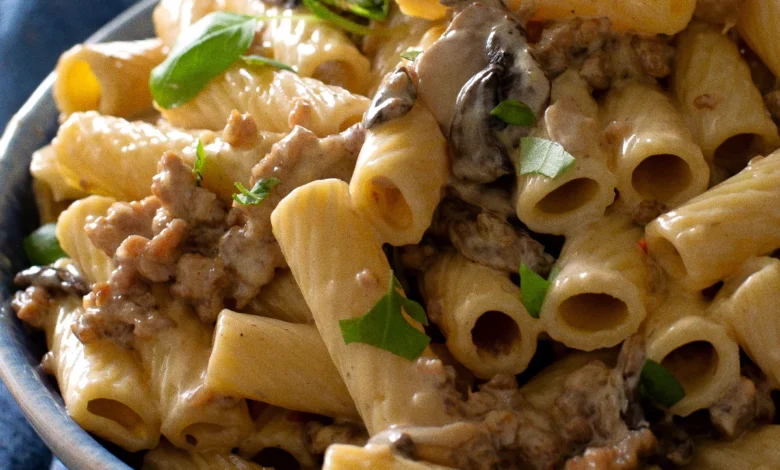
The culinary landscape of home-cooked Italian-American cuisine continues to evolve, with contemporary recipes increasingly bridging the gap between domestic convenience and professional restaurant standards. A prominent example of this trend is the Creamy Sausage Rigatoni with Mushrooms, a dish characterized by its rich flavor profile and technical accessibility. Developed by culinary author Christy Denney, the recipe emphasizes the integration of savory proteins, earthy fungi, and structured pasta to create a meal that mirrors the complexity of high-end trattoria offerings. Beyond its gastronomic appeal, the dish serves as a vehicle for culinary education, illustrating fundamental cooking techniques such as moisture reduction in vegetables and the emulsification of cream-based sauces.
Technical Analysis of Ingredients and Flavor Profiles
The success of the Creamy Sausage Rigatoni with Mushrooms relies on a strategic selection of ingredients that balance fat, acidity, and umami. Rigatoni, a tube-shaped pasta with external ridges, is selected specifically for its structural integrity. Unlike thinner pastas, rigatoni is capable of capturing thick, cream-based sauces within its hollow center and along its ribbed surface, ensuring a consistent distribution of flavor in every bite.
The protein component typically involves Italian sausage, which provides a pre-seasoned base of garlic, fennel, and black pepper. When browned, the sausage undergoes the Maillard reaction, a chemical process between amino acids and reducing sugars that gives browned food its distinctive flavor. This foundational layer of taste is further enhanced by the addition of mushrooms. Mushrooms are prized in this context for their high concentration of glutamate, which provides a deep umami sensation that complements the richness of the heavy cream and the saltiness of the sausage.
The Science of Moisture Release: The "Sweating" Process
A critical technical phase in the preparation of this dish involves the proper treatment of mushrooms. During the cooking process, mushrooms must be heated until they "give up their juice," a phenomenon often referred to in professional kitchens as "sweating."
Biologically, mushrooms are composed of approximately 80% to 90% water. When subjected to heat, the cell structures of the fungi begin to break down, releasing internal moisture into the pan. According to culinary science, allowing this moisture to evaporate is essential for two reasons. First, it prevents the final sauce from becoming watery or diluted. Second, once the water has evaporated, the temperature in the pan can rise above the boiling point (212°F), allowing the mushrooms to brown and develop a more concentrated, nutty flavor.
Denney utilizes a relatable analogy to explain this process to novice cooks, comparing the delayed release of moisture to a human workout. Just as an athlete does not begin to perspire immediately upon entering a gym but requires a period of sustained exertion, mushrooms require several minutes of consistent heat before they begin to release their liquid content. This pedagogical approach highlights the importance of patience and observation in achieving professional-grade results at home.
The Role of Intergenerational Culinary Education
The development and preparation of the Creamy Sausage Rigatoni with Mushrooms also highlight a growing social trend: the involvement of children in the domestic kitchen as a form of practical education. Denney notes that her ten-year-old son has transitioned into a "sous chef" role, assisting with the technical aspects of meal preparation.
Educational experts suggest that involving children in cooking provides multifaceted benefits. It reinforces mathematical concepts through measurement, introduces basic chemistry through heat application, and expands linguistic capabilities. The interaction described between Denney and her six-year-old son regarding the definition of a "lawn" underscores the kitchen’s role as a space for vocabulary development and cognitive growth. By explaining technical terms like "sweating" or "reducing," parents provide children with a tangible understanding of cause-and-effect relationships.
Historical Context and the Evolution of Italian-American Comfort Food
The Creamy Sausage Rigatoni with Mushrooms sits firmly within the tradition of Italian-American comfort food, a genre that emerged in the late 19th and early 20th centuries as Italian immigrants adapted their native recipes to the ingredients available in the United States. While traditional Italian pasta dishes often focus on simplicity and the purity of a few ingredients, the American iteration frequently incorporates more substantial amounts of protein and dairy.
The use of heavy cream in pasta sauces became particularly popularized in the United States during the mid-20th century. While classic Italian recipes like Fettuccine Alfredo originally relied solely on butter and pasta water to create an emulsion, American versions began incorporating cream to ensure stability and a more decadent mouthfeel. The Creamy Sausage Rigatoni follows this lineage, prioritizing a "rich and decadent" profile that has become a hallmark of modern American "restaurant-style" home cooking.
Economic Implications of Restaurant-Quality Home Dining
The rise in popularity of recipes like the Creamy Sausage Rigatoni with Mushrooms can be linked to broader economic shifts in consumer behavior. As the cost of dining out at mid-to-high-tier Italian restaurants continues to rise due to inflation and increased labor costs, consumers are increasingly seeking ways to replicate professional experiences in their own kitchens.
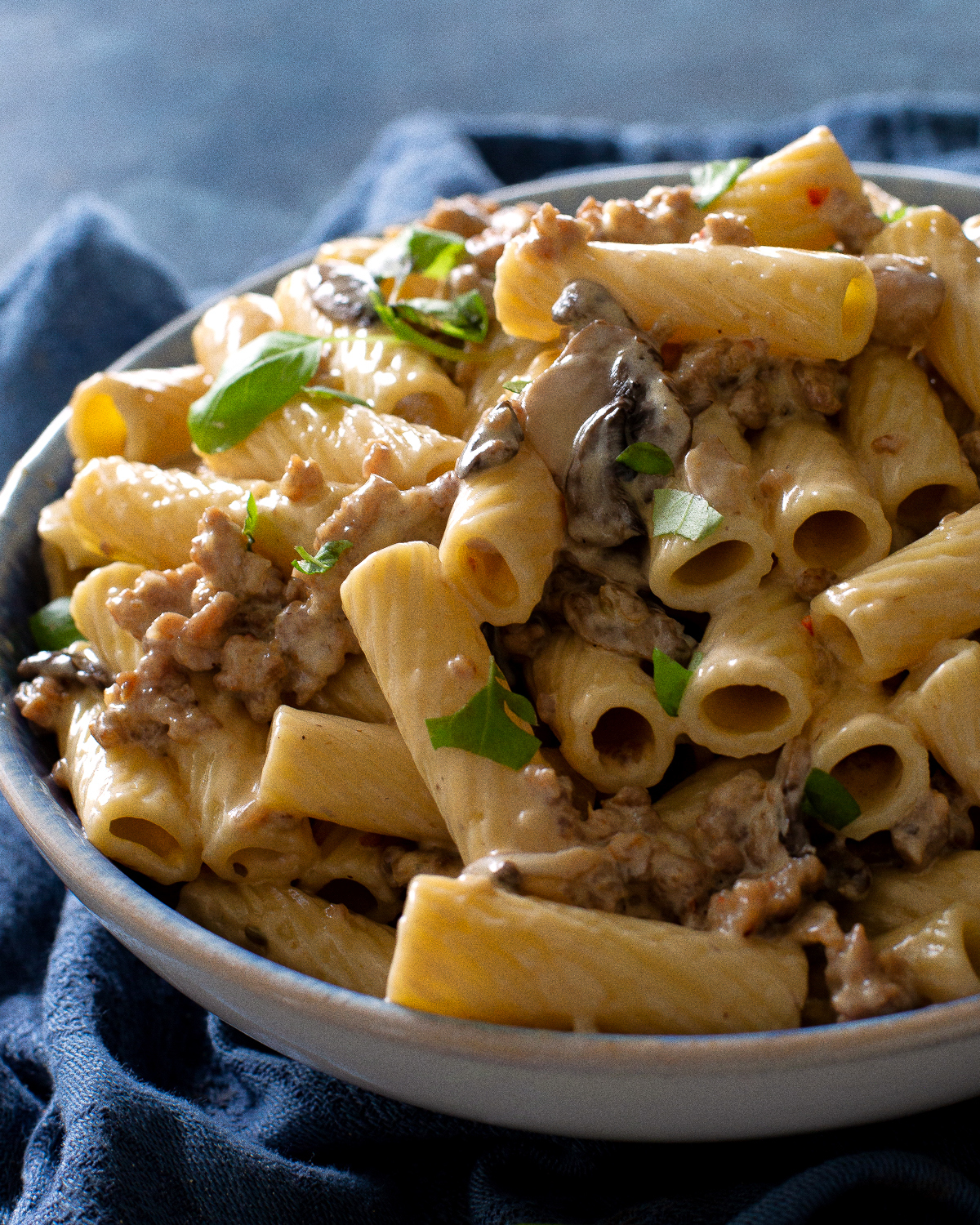
Market analysis indicates that the "premiumization" of home cooking is a significant driver in the grocery sector. Consumers are more willing to invest in high-quality dry pasta, artisanal sausages, and fresh produce if it results in a meal that rivals a $25-per-plate restaurant dish. By pairing the rigatoni with simple additions such as a green salad and garlic bread, home cooks can create a multi-course dining experience at a fraction of the commercial cost, reinforcing the value proposition of sophisticated home-cooked meals.
Chronological Preparation Guide
To achieve the desired "restaurant-worthy" result, the preparation of Creamy Sausage Rigatoni with Mushrooms follows a specific technical chronology:
- Pasta Preparation: The rigatoni is boiled in heavily salted water. Professional standards dictate that the pasta should be cooked "al dente," or firm to the bite, as it will continue to cook slightly when tossed with the hot sauce.
- Protein Searing: The Italian sausage is removed from its casing and browned in a large skillet. The fat rendered from the sausage serves as the cooking medium for the subsequent vegetables.
- Mushroom Reduction: Sliced mushrooms are added to the pan. This stage requires several minutes of sautéing to ensure the moisture is fully released and evaporated, allowing for the Maillard reaction to occur.
- Aromatic Integration: Garlic and onions are typically introduced at this stage, cooked until translucent to provide a fragrant base without burning.
- Sauce Emulsification: Heavy cream is added to the skillet, often deglazing the pan to incorporate the "fond" (the browned bits of meat and mushrooms stuck to the bottom). The sauce is simmered until it reaches a consistency that coats the back of a spoon.
- Final Assembly: The cooked rigatoni is folded into the sauce, ensuring each tube is thoroughly coated. Freshly grated cheese, such as Parmesan or Pecorino Romano, is often added at the end to provide sharpness and further thicken the emulsion.
Health and Nutritional Considerations
While the dish is categorized as "decadent," it offers a balanced profile of macronutrients. The sausage provides essential proteins and fats, while the mushrooms contribute vitamins such as B12 and D, along with minerals like selenium and potassium. Rigatoni serves as a primary carbohydrate source, providing the energy required for daily activity.
Nutritionists often recommend balancing such rich dishes with high-fiber sides. The suggestion to serve the rigatoni with a green salad aligns with contemporary dietary guidelines that emphasize the inclusion of raw leafy greens to aid digestion and provide essential phytonutrients. This holistic approach to meal planning ensures that the richness of the pasta is tempered by the freshness of the accompanying vegetables.
Conclusion and Broader Impact
The Creamy Sausage Rigatoni with Mushrooms represents more than just a convenient dinner option; it is a reflection of the modern domestic kitchen’s role as a center for culinary experimentation, education, and economic efficiency. By mastering the "sweating" of mushrooms and the balance of a cream-based sauce, home cooks are able to elevate their repertoire and provide restaurant-quality experiences for their families.
As culinary influencers like Christy Denney continue to share these refined yet accessible recipes, the barrier between professional and domestic cooking continues to thin. The result is a more gastronomically literate public and a renewed appreciation for the science and craft behind the meals that define the contemporary American table. The enduring appeal of this dish lies in its ability to satisfy the palate while fostering a deeper connection to the ingredients and techniques that constitute the art of cooking.