
Chef Johns Smothered Pork Chops

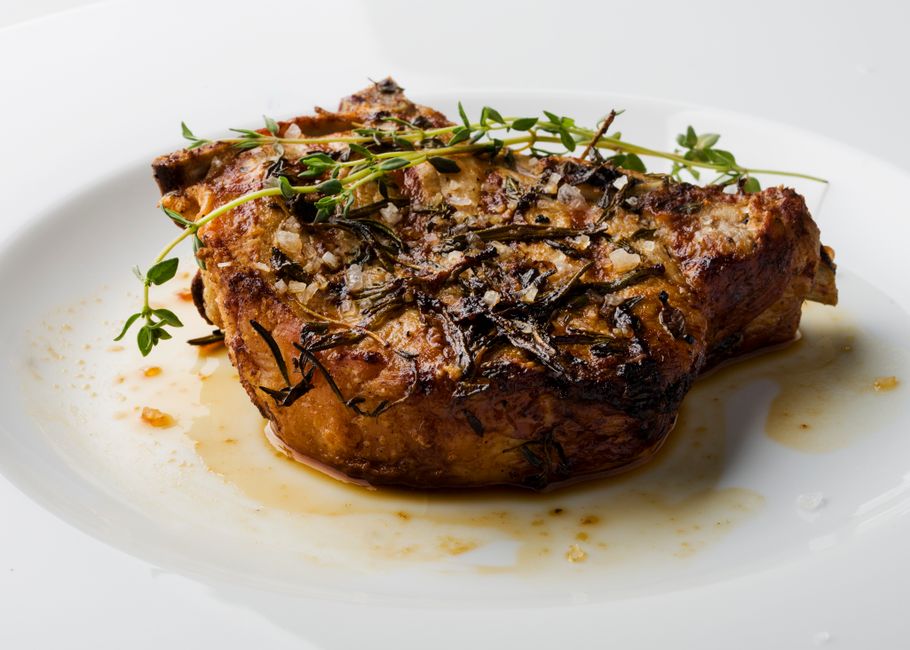
Chef John’s Smothered Pork Chops: A Culinary Masterclass in Flavor and Technique
Chef John’s Smothered Pork Chops represent a triumph of simple ingredients elevated by precise technique and a deep understanding of flavor development. This dish, far from being merely a weeknight meal, stands as a testament to the enduring appeal of comfort food executed with culinary finesse. The "smothered" aspect is key, implying a rich, savory sauce that not only complements but enhances the inherent sweetness and savory notes of the pork. Achieving this perfect balance requires attention to detail at every stage, from selecting the right cut of pork to mastering the art of creating a velvety, flavorful gravy. This article will delve into the nuances of Chef John’s approach, dissecting the critical components that make his smothered pork chops a standout recipe, offering a comprehensive guide for home cooks seeking to replicate this exceptional dish.
The Foundation: Selecting the Ideal Pork Chop
The success of Chef John’s Smothered Pork Chops begins with the selection of the pork. While many recipes might suggest any cut, Chef John’s preference often leans towards thicker-cut bone-in pork chops, typically ranging from 1 to 1.5 inches in thickness. The bone, while not strictly edible, imparts additional flavor and moisture to the meat during cooking. Its presence also helps to insulate the chop, preventing it from drying out too quickly. Bone-in cuts, such as the rib chop or loin chop, tend to be more tender and juicy. The marbling within the pork is another crucial factor. Visible flecks of fat dispersed throughout the muscle tissue will render down during cooking, basting the meat from within and contributing significantly to its succulence and overall flavor. Avoid lean cuts, as they are more prone to becoming dry and tough when pan-seared and then braised. Opting for fresh, good-quality pork from a reputable butcher or grocery store will invariably lead to a superior final product. The color of the pork should be a healthy pink, with no signs of grayness or excessive moisture on the packaging.
The Searing Technique: Building the Flavor Base
The searing of the pork chops is arguably the most critical step in developing the deep, complex flavors that define Chef John’s Smothered Pork Chops. This process, often referred to as the Maillard reaction, is responsible for creating the delicious brown crust on the surface of the meat. It’s not just about aesthetics; this browning is where a significant portion of the savory, umami-rich flavor originates. Chef John advocates for a screaming hot skillet, typically cast iron or a heavy-bottomed stainless steel pan. A high smoke point oil, such as vegetable oil, canola oil, or grapeseed oil, is essential to achieve the necessary heat without burning. The pork chops should be thoroughly patted dry with paper towels before being introduced to the hot oil. Moisture on the surface of the meat will steam it rather than sear it, preventing the formation of that coveted brown crust. Season the pork chops generously with salt and black pepper just before they hit the pan. This draws out some surface moisture, aiding in the searing process. Sear the chops for several minutes per side, undisturbed, until a deep golden-brown crust has formed. Resist the urge to overcrowd the pan; searing in batches if necessary ensures that the temperature of the pan remains high, promoting optimal browning rather than steaming. The rendered fat from the pork, along with the browned bits (fond) left behind in the pan, form the crucial flavor base for the subsequent gravy.
The Aromatics and Deglazing: Infusing Depth and Complexity
Once the pork chops are beautifully seared and removed from the skillet to rest, the focus shifts to building the sauce. This is where the magic of deglazing comes into play. The browned bits clinging to the bottom of the pan are packed with flavor and should not be wasted. Chef John’s recipes typically call for aromatics such as finely chopped onion, garlic, and sometimes bell pepper or celery, depending on the desired flavor profile. These vegetables are added to the hot skillet, using the residual heat and rendered pork fat to sauté them until softened and translucent. The sautéed aromatics begin to absorb the flavors from the fond, further deepening the taste of the dish. The next crucial step is deglazing, which involves adding a liquid to the hot pan to lift and dissolve the browned bits. A dry white wine is a common and effective choice, offering a touch of acidity that cuts through the richness of the pork and helps to balance the flavors. Broth (chicken or vegetable) is another excellent option, or a combination of both. Pour the liquid into the hot pan and, using a wooden spoon or spatula, vigorously scrape the bottom to release all the flavorful fond. This process not only incorporates those savory notes into the sauce but also prevents them from burning. Allow the liquid to simmer and reduce slightly, concentrating its flavor.
The Gravy Creation: Achieving Velvety Perfection
The heart of "smothered" pork chops lies in the gravy. Chef John’s approach emphasizes creating a rich, velvety sauce that clings to the meat. After deglazing and sautéing the aromatics, a thickening agent is typically incorporated. A roux, made by cooking equal parts butter and flour together until golden brown, is a classic and reliable method. The roux is whisked into the sautéed aromatics and deglazing liquid, and then cooked for a few minutes to eliminate the raw flour taste. Alternatively, for a gluten-free option or a slightly different texture, cornstarch or arrowroot slurry can be used. This is made by whisking the starch with a small amount of cold water or broth until smooth, then gradually adding it to the simmering sauce, stirring constantly until thickened. The liquid used for the gravy is typically a combination of broth (chicken or beef, depending on desired richness) and sometimes a splash of cream or milk for added luxuriousness and a creamier texture. The goal is to achieve a consistency that coats the back of a spoon but is not overly thick or gloopy. Seasoning at this stage is paramount. Salt, freshly ground black pepper, and often a pinch of dried herbs like thyme or sage are crucial for enhancing the overall flavor profile of the gravy. Tasting and adjusting the seasoning throughout the gravy-making process is essential to achieving the perfect balance.
The Braising Process: Tenderizing and Infusing Flavor
With the gravy base established, the seared pork chops are returned to the skillet. They should be nestled into the sauce, ensuring that they are at least partially submerged. The skillet is then typically covered tightly, and the pork chops are allowed to braise. Braising is a slow-cooking method that involves simmering food in a flavorful liquid over low heat, either on the stovetop or in the oven. This gentle cooking process breaks down the connective tissues in the pork, rendering it incredibly tender and moist. The low and slow cooking also allows the flavors of the gravy to deeply penetrate the meat, further enhancing its deliciousness. Chef John’s recipes often suggest a cooking time of 20-40 minutes, depending on the thickness of the chops and the desired level of tenderness. The key is to cook until the pork is fork-tender, meaning it can be easily pierced with a fork with little resistance. It’s important to check periodically to ensure the liquid hasn’t evaporated too much; if necessary, a little more broth or water can be added to maintain the braising environment. The lid of the skillet plays a vital role in trapping steam, which is essential for the braising process.
Finishing Touches and Serving Suggestions
Once the pork chops have reached peak tenderness, the final touches elevate the dish from excellent to exceptional. Chef John often emphasizes the importance of allowing the sauce to simmer and reduce slightly after the pork is cooked, if it’s too thin, to achieve the desired consistency. A final adjustment of seasonings might be necessary. Some recipes might call for a finishing touch of fresh herbs, such as chopped parsley or chives, for a burst of freshness and visual appeal. The smothered pork chops are best served immediately, while piping hot. The rich, savory gravy is meant to be spooned generously over the chops.
Traditional accompaniments for Chef John’s Smothered Pork Chops include creamy mashed potatoes, which are ideal for soaking up the delicious gravy. Another classic pairing is rice, particularly white rice, which provides a neutral base for the robust flavors of the dish. Steamed or roasted vegetables, such as green beans, broccoli, or asparagus, offer a welcome contrast in texture and color, and a healthy element to the meal. A simple side salad can also provide a refreshing counterpoint. The beauty of this dish lies in its versatility; while these are classic pairings, experiment with your favorite side dishes to create a complete and satisfying meal.
Troubleshooting Common Issues
Even with a well-written recipe, home cooks can encounter challenges. One common issue is dry pork chops. This can be attributed to overcooking or using too lean a cut of pork. Ensuring you use thick-cut, bone-in chops and adhering to the braising times are critical. If the chops are cooked and still not tender, they can continue to braise for a longer period; the connective tissue needs time to break down. Another potential problem is a lumpy gravy. This is often a result of not whisking the roux thoroughly or adding the liquid too quickly to the roux. For cornstarch or arrowroot thickened sauces, adding the slurry too fast or to a boiling liquid can also cause lumpiness. Straining the gravy through a fine-mesh sieve can rescue a lumpy sauce. If the gravy is too thin, allowing it to simmer and reduce further, or adding a little more thickening agent (roux or slurry) can resolve this. Conversely, if it’s too thick, a splash of broth or water can thin it out. Flavor can also be an issue. Insufficient seasoning at each stage, especially during the initial searing of the pork and the creation of the gravy, can lead to a bland final product. Don’t be afraid to taste and adjust salt, pepper, and other seasonings throughout the cooking process.
Variations and Adaptations
While Chef John’s core recipe is exemplary, there is room for creative adaptation to suit individual preferences and dietary needs. For those seeking a spicier kick, incorporating red pepper flakes into the aromatics or a dash of hot sauce into the gravy can add a delightful warmth. Mushroom lovers might enjoy sautéing sliced mushrooms along with the onions and garlic, adding an earthy depth to the sauce. For a richer, more decadent gravy, a splash of heavy cream or even a dollop of sour cream stirred in at the end of cooking can be incorporated. For a smoky undertone, a bit of smoked paprika or even a small amount of crumbled cooked bacon added to the aromatics can be transformative. In terms of dietary restrictions, gluten-free flour can be substituted for all-purpose flour in the roux, or cornstarch can be used as a gluten-free thickener. For those avoiding pork, a similar braising and smothering technique can be applied to chicken thighs or even thick-cut lamb chops, though cooking times and flavor profiles will vary. The fundamental principles of searing, deglazing, braising, and creating a flavorful sauce remain the same, making this a highly adaptable culinary technique.
The Enduring Appeal of Chef John’s Smothered Pork Chops
Chef John’s Smothered Pork Chops are more than just a recipe; they are an experience. They represent the comforting embrace of a home-cooked meal, elevated by a masterful understanding of flavor and technique. The dish’s enduring popularity stems from its ability to deliver profound satisfaction through relatively humble ingredients. The perfect sear, the aromatic foundation, the velvety gravy, and the tender, succulent pork all converge to create a symphony of taste and texture. By meticulously following Chef John’s principles, home cooks can unlock the secrets to this beloved dish, transforming simple pork chops into a culinary masterpiece that will undoubtedly become a regular feature on their dinner table. The SEO-friendly keywords woven throughout this comprehensive guide—including "smothered pork chops," "Chef John recipe," "how to cook pork chops," "pork chop gravy," "braised pork chops," "comfort food recipes," "pan-seared pork chops," and "easy pork chop dinner"—ensure that this detailed exploration of a culinary classic is discoverable by those seeking to master this exceptional dish.


