
Article How To Make Lemon Blueberry Blondies

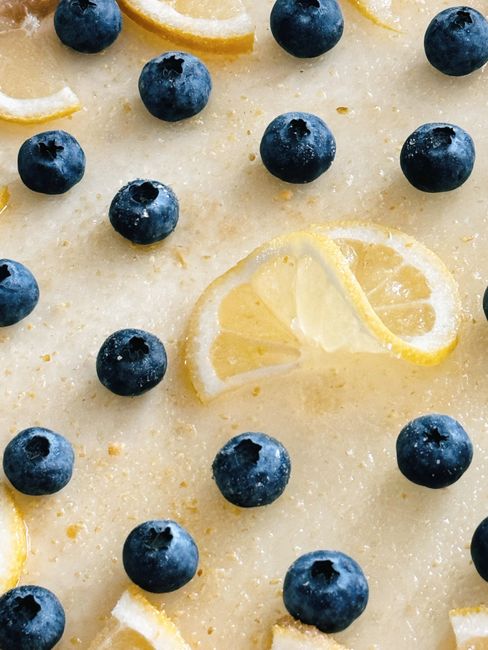
The Ultimate Guide to Crafting Irresistible Lemon Blueberry Blondies
Creating truly exceptional lemon blueberry blondies involves a delicate balance of sweet, tart, and rich flavors, with textures that range from slightly chewy to delightfully cakey. This comprehensive guide will walk you through every step, from ingredient selection to baking perfection, ensuring your blondies are a guaranteed crowd-pleaser. We’ll delve into the science behind achieving the ideal blondie texture, explore variations, and offer troubleshooting tips to overcome common baking hurdles. Forget dry, crumbly failures; these instructions will equip you to bake blondies that are moist, bursting with flavor, and aesthetically pleasing.
The foundation of any great blondie lies in its fat source. Unsalted butter is the undisputed champion for blondies, contributing a rich, nutty depth that granulated sugar alone cannot replicate. Opt for high-quality butter, as its flavor will significantly impact the final product. For these lemon blueberry blondies, we’ll be using melted butter. Melting the butter allows the sugar to dissolve more readily, contributing to a chewier texture and a more pronounced caramelization, which is crucial for that characteristic blondie chew. The amount of butter is also critical. Too little will result in a dry, cake-like blondie, while too much can lead to greasiness. The recipe will call for a specific quantity, but understand that this is a carefully calibrated ratio. When melting the butter, do so gently over low heat or in the microwave in short intervals. Avoid browning the butter at this stage; we’re aiming for liquid gold, not browned butter, though browned butter is a delicious variation for a different flavor profile.
Sugar plays a dual role in blondies: it provides sweetness and contributes to texture. A combination of granulated sugar and packed light brown sugar is ideal. Granulated sugar promotes crisp edges and a slightly chewy interior, while brown sugar, with its molasses content, adds moisture, a subtle caramel note, and further enhances chewiness. The ratio of these sugars is a key factor in achieving the desired texture. More brown sugar generally leads to a chewier blondie. For lemon blueberry blondies, the interplay between the sweet sugars and the tartness of the lemon is paramount. Ensure your brown sugar is fresh and moist; hard, clumped brown sugar can negatively impact moisture content. When measuring brown sugar, pack it firmly into the measuring cup to ensure an accurate amount.
Eggs are the binding agents and leavening agents in blondies. For this recipe, we’ll use whole eggs and an extra egg yolk. The whole egg provides structure and richness, while the additional yolk contributes extra fat and emulsification, leading to a denser, fudgier, and more tender blondie. Room temperature eggs are preferable as they incorporate more easily into the batter, creating a smoother, more cohesive mixture. If you forget to take your eggs out of the fridge in advance, you can quickly bring them to room temperature by placing them in a bowl of warm (not hot) water for 5-10 minutes. The number of eggs is also important; too few will result in a crumbly texture, while too many can make them rubbery.
Vanilla extract is essential for rounding out the flavors in any baked good, and blondies are no exception. Use pure vanilla extract for the best flavor. A good quality vanilla will add warmth and complexity, complementing both the sweetness of the sugar and the tartness of the lemon. The quantity of vanilla can be adjusted slightly based on personal preference, but the recipe will provide a standard recommendation.
The star of this blondie is, of course, the blueberry. Fresh blueberries are ideal for their vibrant flavor and texture. They will soften and release some of their juices as they bake, infusing the blondie with bursts of tartness and beautiful purple streaks. If using frozen blueberries, do not thaw them before adding them to the batter. Frozen blueberries can bleed more color into the batter, potentially turning the blondies a grayish hue, but their flavor is still excellent. Coating the blueberries in a tablespoon of the flour from the dry ingredients before folding them into the batter can help prevent them from sinking to the bottom. This is a common blondie issue, and this simple step significantly improves the distribution of the fruit.
Lemon is the other key flavor component. We’ll be incorporating both lemon zest and lemon juice. Lemon zest, the yellow outer layer of the lemon peel, contains essential oils that impart a bright, floral aroma and intense citrus flavor without the tartness of the juice. Always zest the lemon before juicing it. Use a fine grater or a microplane for best results. Lemon juice adds the characteristic tartness that balances the sweetness of the blondies. Freshly squeezed lemon juice is always superior to bottled. The amount of lemon juice can be adjusted based on how pronounced you want the lemon flavor to be, but start with the recommended amount.
All-purpose flour provides the structure for the blondies. It’s important to measure your flour correctly to avoid dry, dense blondies. Spoon the flour into your dry measuring cup and level it off with a straight edge, rather than scooping directly from the flour bag, which can compact the flour and lead to an excess. The amount of flour is carefully balanced with the wet ingredients to achieve the right consistency.
Leavening is crucial for achieving the desired texture. Baking powder is the primary leavening agent in this recipe, providing lift and a slightly cakey interior. The amount of baking powder is critical; too much can lead to a bitter taste and an overly airy texture, while too little will result in dense, flat blondies.
Salt is a flavor enhancer that balances sweetness and brings out the nuances of other ingredients. Don’t skip the salt; it’s a crucial component for delicious baked goods. Use fine sea salt or table salt.
Now, let’s move on to the method. The process for making lemon blueberry blondies is relatively straightforward and relies on a specific order of operations to achieve optimal results.
Step 1: Preparation
Preheat your oven to 350°F (175°C). Grease and line an 8×8 inch baking pan with parchment paper, leaving an overhang on two sides. This overhang will act as handles to easily lift the blondies out of the pan once baked.
Step 2: Wet Ingredients
In a medium heatproof bowl, melt the unsalted butter. You can do this over a double boiler or in the microwave in 30-second intervals, stirring in between. Once melted, remove from heat and whisk in the granulated sugar and packed light brown sugar until well combined. The mixture should look somewhat glossy.
Step 3: Eggs and Flavorings
Whisk in the eggs, one at a time, ensuring each is fully incorporated before adding the next. Then, whisk in the extra egg yolk, vanilla extract, lemon zest, and lemon juice until the mixture is smooth and emulsified. This is where the base of your blondie flavor is established.
Step 4: Dry Ingredients
In a separate bowl, whisk together the all-purpose flour, baking powder, and salt. This ensures the leavening agents and salt are evenly distributed throughout the flour, preventing pockets of bitterness or uneven baking.
Step 5: Combining Wet and Dry
Gradually add the dry ingredients to the wet ingredients. Mix on low speed or by hand with a spatula until just combined. It’s crucial not to overmix at this stage. Overmixing develops gluten, which can lead to tough, rubbery blondies. Stop mixing as soon as you no longer see streaks of dry flour. A few small lumps are perfectly acceptable.
Step 6: Incorporating the Blueberries
If using fresh blueberries, gently fold them into the batter. If using frozen, toss them with 1 tablespoon of the dry ingredients (measured from the flour allotment) before folding them in. Be gentle to avoid crushing the berries too much, which can release excess juice and color.
Step 7: Baking
Pour the batter into the prepared baking pan and spread it evenly with a spatula. The batter will be thick. Bake for 25-30 minutes, or until the edges are set and golden brown, and a toothpick inserted into the center comes out with moist crumbs attached. Be careful not to overbake, as this is a common cause of dry blondies. The residual heat will continue to cook the blondies as they cool.
Step 8: Cooling
Let the blondies cool in the pan on a wire rack for at least 15-20 minutes before attempting to lift them out. This allows them to set properly. Once slightly cooled, use the parchment paper overhang to lift the entire slab out of the pan. Let them cool completely on the wire rack before cutting into squares. Patience is key here; cutting warm blondies will result in a messier cut and potential breakage.
Troubleshooting Common Issues:
- Dry Blondies: This is often due to overbaking or too much flour. Ensure you are measuring your flour accurately and baking until just set, not dry. The toothpick test is crucial.
- Gummy Blondies: Too much fat or liquid, or underbaking can lead to a gummy texture. Ensure your measurements are accurate and that you bake long enough for the center to set.
- Blueberries Sinking: As mentioned, tossing blueberries in a tablespoon of flour can prevent this. Ensure your batter isn’t too thin.
- Crumbly Blondies: Insufficient fat, eggs, or overmixing can cause this. Double-check your ingredient ratios and mixing technique.
Variations to Elevate Your Blondies:
- Lemon Glaze: Whisk together powdered sugar with a few tablespoons of fresh lemon juice until a drizzleable consistency is achieved. Drizzle over cooled blondies for an extra burst of lemon flavor and visual appeal.
- White Chocolate Chips: Add 1/2 cup of white chocolate chips to the batter along with the blueberries for a sweet, creamy contrast.
- Almond Extract: For a more complex nutty flavor, substitute 1/4 teaspoon of almond extract for 1/4 teaspoon of vanilla extract.
- Lemon Poppy Seed: Add 1-2 tablespoons of poppy seeds to the dry ingredients for a classic lemon poppy seed flavor profile.
SEO Considerations:
Throughout this article, we’ve incorporated keywords such as "lemon blueberry blondies," "how to make blondies," "blondie recipe," "easy blondies," "chewy blondies," "moist blondies," and "fruit blondies." The detailed instructions, troubleshooting tips, and variations provide ample content for search engine crawlers to index, making this article discoverable for users searching for these specific terms. The inclusion of specific ingredient names and baking techniques further enhances SEO. The emphasis on texture ("chewy," "moist," "fudgy") and flavor ("lemon," "blueberry," "tart," "sweet") also targets relevant search queries. The structured format with clear headings and step-by-step instructions contributes to readability and user experience, which are also important SEO factors. The comprehensive nature of the article, covering all aspects from ingredients to variations and troubleshooting, aims to establish it as a definitive resource, encouraging longer dwell times and further engagement.
By understanding the role of each ingredient and mastering the baking process, you can consistently create perfect lemon blueberry blondies. This guide provides the knowledge and techniques to achieve bakery-quality results in your own kitchen. Experiment with the variations, and don’t be afraid to adapt the recipe to your personal taste. Happy baking!


