Old Fashioned Creamy Rice Pudding
Old Fashioned Creamy Rice Pudding: A Timeless Comfort Food Recipe
The allure of old-fashioned creamy rice pudding lies in its exquisite simplicity and profoundly satisfying texture. This classic dessert, often associated with childhood memories and grandmother’s kitchens, is a testament to how a few humble ingredients can transform into a dish of unparalleled comfort and deliciousness. Unlike its more elaborate dessert counterparts, rice pudding relies on the patient transformation of rice, milk, and sugar into a smooth, luscious, and subtly sweet confection. Its creamy consistency is achieved through slow simmering, allowing the rice grains to swell and release their starches, creating a natural thickening agent that eschews the need for artificial stabilizers. The subtle sweetness, often enhanced by a touch of vanilla or cinnamon, provides a gentle counterpoint to the richness of the milk and cream, making it a dessert that is both comforting and refined. This article will delve into the core elements of creating authentic old-fashioned creamy rice pudding, exploring the best rice varieties, the optimal milk and cream ratios, the art of slow cooking, and the myriad of delightful variations that have cemented its place as a beloved, enduring dessert across generations.
The foundation of exceptional creamy rice pudding is the rice itself. While many types of rice can be used, short-grain or medium-grain varieties are unequivocally superior for achieving that coveted creamy texture. Arborio rice, famously used in risotto, is an excellent choice due to its high starch content. As it cooks, Arborio rice releases a significant amount of amylopectin, a type of starch that emulsifies with the liquid, creating a naturally thick and velvety pudding. Similarly, Calrose rice, a medium-grain variety, is also a strong contender. Its plump grains absorb liquid beautifully and break down sufficiently to contribute to the pudding’s luxurious consistency. Even common white rice, when cooked patiently, can yield a satisfying result, though it may require a slightly longer cooking time or a touch more stirring. Long-grain rice, such as Basmati or Jasmine, is generally not recommended for traditional rice pudding. These varieties tend to remain distinct and separate during cooking, resulting in a less creamy and more granular texture. The goal is for the rice grains to become tender and almost dissolve into the milk, forming a cohesive, creamy mass. Therefore, selecting the right type of rice is the crucial first step in replicating that authentic old-fashioned creamy rice pudding experience. Understanding the starch profile of different rice grains is key; more starch equals more creaminess.
The liquid base is where the richness and ultimate creaminess of old-fashioned rice pudding are truly born. A harmonious balance of milk and cream is essential. Whole milk, with its inherent fat content, provides a good starting point for richness and flavor. However, to elevate the pudding to truly luxurious heights, the addition of heavy cream is indispensable. Heavy cream contributes a decadent mouthfeel and a depth of flavor that cannot be replicated with milk alone. The ideal ratio often leans towards more milk than cream, ensuring the pudding remains tender and not overly heavy, but with enough cream to impart that signature silky smooth texture. A common starting point might be four cups of whole milk to one cup of heavy cream. Some recipes might even incorporate evaporated milk for an added layer of concentrated dairy flavor and a slightly different textural element. The fats in the cream coat the rice grains, preventing them from clumping and contributing to the overall smoothness. The lactose in the milk, when slowly heated, caramelizes subtly, adding a natural sweetness and a more complex flavor profile to the pudding. The choice of dairy also impacts the cooking process. Higher fat content means a more forgiving pudding, less likely to scorch.
The cooking method for old-fashioned creamy rice pudding is not a race against time; it’s a gentle, patient dance of heat and hydration. Slow simmering on the stovetop is the most traditional and effective approach. This low and slow method allows the rice to gradually absorb the milk and cream, releasing its starches evenly. Scorching is a primary concern when cooking rice pudding, and it’s best avoided by using a heavy-bottomed saucepan, such as a Dutch oven, which distributes heat more evenly. Stirring is paramount, especially in the initial stages and as the pudding thickens. Regular stirring prevents the rice from sticking to the bottom of the pan and ensures uniform cooking. The heat should be kept at a gentle simmer, just enough to produce small bubbles, not a rolling boil. A rolling boil can cause the milk to curdle or boil over, and it can also cook the rice too quickly, resulting in an uneven texture. Some cooks advocate for starting the pudding in a cold pot, adding the rice to the milk before heating. This method can further aid in preventing sticking and promote a more gradual starch release. The total cooking time can vary, typically ranging from 45 minutes to over an hour, depending on the heat and the type of rice used. The pudding is ready when the rice is tender and the mixture has thickened to a luscious, spoonable consistency. It should still be pourable, as it will continue to thicken considerably upon cooling.
Flavorings are where personal preference and regional variations of old-fashioned creamy rice pudding truly shine. The most classic and widely beloved flavoring is vanilla. A generous splash of pure vanilla extract, added towards the end of the cooking process, imparts a warm, fragrant aroma and a subtle sweetness that complements the dairy base beautifully. For an added layer of spice, a cinnamon stick can be simmered along with the rice and milk. The cinnamon infuses the pudding with its characteristic warmth and aroma, creating a comforting and aromatic dessert. Upon serving, a sprinkle of ground cinnamon or nutmeg is a common and delicious addition. Nutmeg, with its slightly pungent and nutty notes, offers a more complex spice profile that pairs wonderfully with the creamy sweetness. Lemon zest is another delightful addition, providing a bright, citrusy counterpoint that cuts through the richness of the pudding, offering a more refreshing experience. For those who enjoy a richer, more decadent flavor, a touch of almond extract can be used, either in place of or in conjunction with vanilla. The key is to use flavorings judiciously, ensuring they enhance rather than overpower the delicate flavors of the rice and dairy.
The sugar element in old-fashioned creamy rice pudding requires careful consideration. The sweetness should be balanced, allowing the natural flavors of the rice and dairy to remain prominent. Granulated sugar is the most common sweetener, added incrementally throughout the cooking process or towards the end. Some recipes call for a portion of the sugar to be added early on, allowing it to dissolve and meld with the milk, while others prefer to add it later to control the sweetness more precisely. Brown sugar can also be used for a deeper, caramel-like sweetness, though it can impart a slightly darker hue to the pudding. For a more nuanced sweetness, honey or maple syrup can be introduced, though these liquid sweeteners can alter the texture slightly and may require a slight adjustment in the overall liquid balance. The amount of sugar will ultimately depend on individual taste preferences and the sweetness of the other ingredients. It’s often best to taste and adjust as you go. Remember that the pudding will taste less sweet when chilled, so it’s often advisable to err on the slightly sweeter side during cooking.
Once cooked, the transformation of old-fashioned creamy rice pudding continues as it cools. The pudding will thicken considerably as it loses heat. This is a crucial stage for achieving that signature creamy, spoonable texture. While it can be enjoyed warm, it’s at room temperature or chilled that the flavors truly meld and the pudding reaches its peak creamy consistency. It’s important to cover the pudding as it cools to prevent a skin from forming on the surface. If a skin does form, it can be gently whisked back into the pudding before serving for a perfectly smooth finish. Alternatively, some embrace the skin as a characteristic element of old-fashioned rice pudding. Serving temperatures can vary; some prefer it warm, while others enjoy it chilled, finding the coolness particularly refreshing. The storage of cooked rice pudding is also straightforward. It should be refrigerated in an airtight container and will typically keep well for 3-4 days.
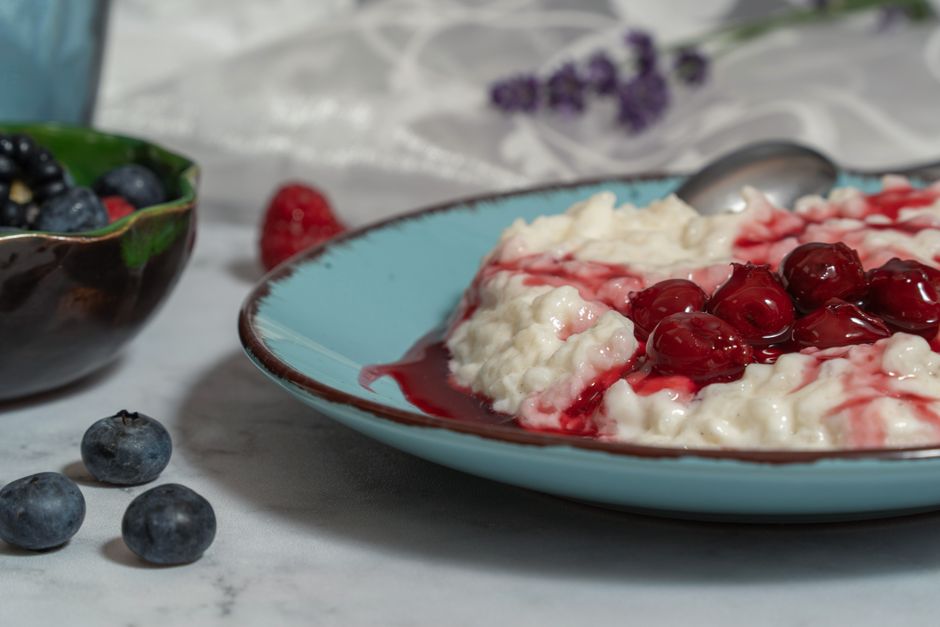
The beauty of old-fashioned creamy rice pudding lies in its versatility and the endless possibilities for customization. While the basic recipe is a masterpiece in itself, several variations can elevate this classic dessert. Adding a handful of raisins, plumped in warm water or rum, during the last stages of cooking introduces bursts of sweet, chewy texture. Some recipes incorporate dried cranberries for a tart counterpoint. For a truly decadent experience, a swirl of fruit compote or a dollop of jam can be added as a topping or mixed in. Baked rice pudding, a slightly different but equally beloved preparation, involves baking the rice and milk mixture in the oven, often in a water bath, which results in a different, often richer and slightly caramelized, texture. The introduction of spices like cardamom or a pinch of cloves can lend an exotic twist. For a vegan iteration, plant-based milks such as almond, soy, or oat milk, along with a plant-based cream, can be used, though achieving the same level of creaminess might require the addition of a starch like cornstarch or tapioca starch to aid in thickening. The fundamental principles of slow cooking and proper ingredient ratios remain, even when adapting for dietary needs.
In conclusion, old-fashioned creamy rice pudding is more than just a dessert; it’s a culinary experience rooted in tradition and comfort. Its creation is a process of patient alchemy, transforming simple ingredients into a luscious, velvety delight. By understanding the nuances of rice selection, the art of liquid proportions, the necessity of slow cooking, and the subtle power of flavorings, anyone can master the creation of this timeless comfort food. Whether enjoyed warm on a chilly evening or chilled on a summer’s day, old-fashioned creamy rice pudding continues to warm hearts and satisfy cravings, proving that some of the most profound pleasures in life come from the simplest of preparations. Its enduring popularity speaks volumes about its ability to evoke nostalgia, provide comfort, and deliver pure, unadulterated deliciousness. The quest for the perfect creamy rice pudding is a rewarding journey, leading to a dessert that is both deeply satisfying and endlessly adaptable. Mastering this classic dish is a gateway to understanding the beauty of slow cooking and the magic that can be achieved with a few well-chosen, high-quality ingredients.