Grilled Rock Lobster Tails
Grilled Rock Lobster Tails: A Culinary Masterpiece
The allure of grilled rock lobster tails transcends mere sustenance; it embodies a sophisticated culinary experience, accessible yet undeniably luxurious. This detailed guide explores every facet of preparing and enjoying this exquisite seafood, from selecting the finest specimens to mastering the art of the grill. The distinct sweet, firm flesh of rock lobster, when kissed by flame, achieves a delicate char and an unparalleled depth of flavor, making it a sought-after delicacy for both seasoned gourmands and adventurous home cooks. Understanding the nuances of this preparation unlocks a world of culinary satisfaction, transforming simple ingredients into an unforgettable meal.
Rock lobster, scientifically classified under the infraorder Achelata, is distinguished from its spiny lobster cousins by the absence of prominent spiny claws. Instead, they possess long, robust antennae, often referred to as "rockers." Their habitat, typically rocky reef systems and shallows, influences their diet and the resulting texture and flavor of their meat. The tails, comprising the bulk of the edible portion, are prized for their sweetness and firm, succulent texture, which holds up exceptionally well to the high heat of grilling. When sourcing rock lobster tails, prioritize freshness. Look for tails with a firm, slightly yielding flesh and a clean, briny aroma. Avoid any with a strong, off-putting smell or a slimy appearance. While live rock lobsters are the ultimate in freshness, pre-shucked tails are widely available and offer convenience without significant compromise in quality if handled and stored properly. For optimal grilling, opt for tails that are relatively uniform in size to ensure even cooking. Thawing frozen tails should be done slowly in the refrigerator to preserve their texture.
The preparation of rock lobster tails for grilling is a crucial step that significantly impacts the final outcome. The primary method involves butterflying the tails. This technique exposes the succulent meat, allowing it to cook more evenly and absorb marinades or seasonings effectively. To butterfly a rock lobster tail, place it flesh-side down on a cutting board. Using a sharp, sturdy chef’s knife, carefully cut lengthwise along the underside of the tail shell, stopping just before the fan tail. Be cautious not to cut all the way through. Next, gently pry open the shell, exposing the meat. The meat can then be lifted and laid on top of the shell, creating a presentation that is both visually appealing and practical for grilling. Alternatively, for those who prefer to avoid cutting the shell, the tails can be halved lengthwise through the shell and meat, or simply grilled shell-on, though butterflying is generally recommended for optimal char and flavor penetration. Before grilling, a simple yet effective seasoning is key. A generous brushing of melted butter, infused with garlic, lemon zest, and a hint of cayenne pepper for a subtle kick, is a classic pairing. Freshly cracked black pepper and sea salt are indispensable, enhancing the natural sweetness of the lobster. For a more adventurous flavor profile, consider marinades featuring soy sauce, ginger, sesame oil, or even a touch of honey for caramelization.
Grilling rock lobster tails requires a keen understanding of heat management and timing. The ideal grilling temperature for lobster tails is medium-high heat, approximately 400-450°F (200-230°C). This heat level is sufficient to achieve a beautiful char and crisp the exterior without overcooking the delicate flesh. Preheating the grill thoroughly is paramount. A clean grill grate, lightly oiled, prevents sticking and ensures a smooth release of the lobster. When placing the tails on the grill, position them flesh-side down first. This allows the meat to directly interact with the heat, promoting searing and caramelization. Grill for approximately 3-5 minutes, or until the flesh begins to turn opaque and develops grill marks. The shell will also start to turn red as it heats.
The next crucial stage involves flipping the tails. Carefully use tongs to turn them over, so they are now shell-side down. Continue grilling for another 4-6 minutes, or until the meat is cooked through. The cooking time will vary depending on the size of the tails and the intensity of your grill. A good indicator of doneness is when the meat turns opaque throughout and the thickest part of the tail reaches an internal temperature of 135-140°F (57-60°C). Overcooking is the most common pitfall, leading to tough, rubbery meat. It is always better to err on the side of slightly undercooked, as the residual heat will continue to cook the tails after they are removed from the grill. Periodically basting the lobster tails with the seasoned butter during the grilling process further enhances their moisture and flavor. This repetitive application of fat helps to keep the meat succulent and imparts a richer taste.
When it comes to grilling charcoal versus gas, each offers distinct advantages for rock lobster tails. A charcoal grill imparts a distinct smoky flavor that beautifully complements the sweetness of the lobster. The radiant heat from the coals also creates excellent searing capabilities. For a charcoal grill, arrange the coals for a direct, medium-high heat zone. Gas grills offer precise temperature control and convenience. They are excellent for achieving consistent results and can be easily preheated to the optimal temperature. Regardless of the grill type, ensuring a clean and well-maintained grate is essential for preventing sticking and achieving appealing grill marks. The char from the grill, when expertly achieved, adds a layer of complexity that is difficult to replicate with other cooking methods. The slight bitterness from the char balances the inherent sweetness of the lobster, creating a harmonious flavor profile.
Beyond the classic butter and garlic preparation, a vast array of accompaniments and flavor pairings elevates grilled rock lobster tails. Lemon wedges are a non-negotiable garnish, their bright acidity cutting through the richness of the lobster and cleansing the palate. Melted butter, served alongside for dipping, is a timeless indulgence. For those seeking more complex flavor profiles, consider a vibrant mango salsa, its tropical sweetness and hint of chili providing a delightful contrast. A roasted red pepper and herb relish offers a savory and slightly smoky counterpoint. For a touch of decadence, a drizzle of béarnaise sauce or a spoonful of a creamy remoulade can transform the dish. The textural contrast of side dishes is also important. A light, crisp salad with a citrus vinaigrette, grilled asparagus, or creamy risotto all serve as excellent companions. The versatility of grilled rock lobster tails lies in their ability to absorb and enhance a wide range of flavors, making them a canvas for culinary creativity.
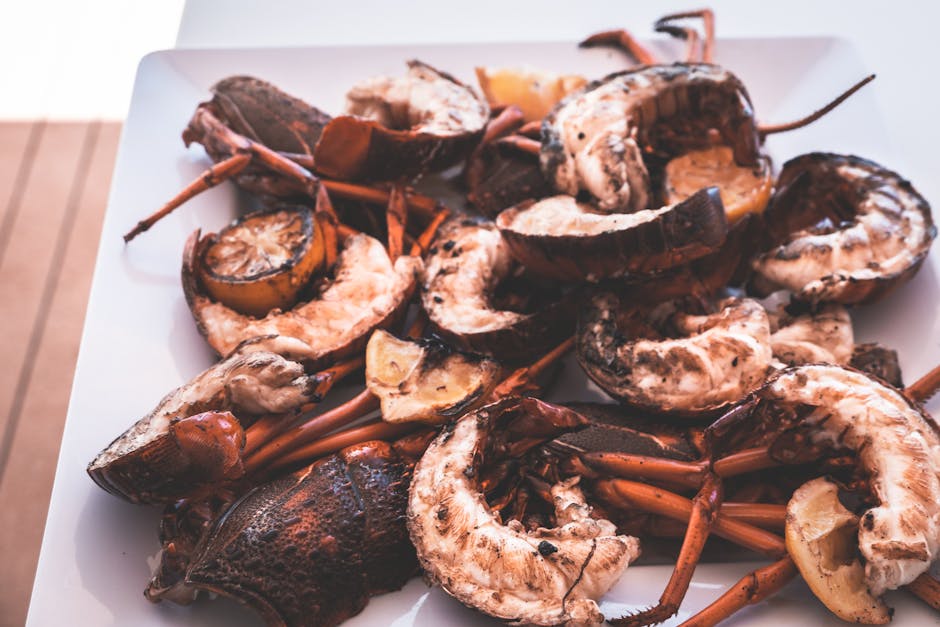
The presentation of grilled rock lobster tails is as important as their preparation and cooking. The inherent beauty of the crimson shell and pearly white meat speaks for itself. Serving the butterflied tails with the meat proudly displayed on top of the shell is visually stunning. Garnish with fresh parsley or chives for a pop of color and freshness. A final drizzle of melted garlic butter or a squeeze of fresh lemon juice just before serving enhances both the visual appeal and the aroma. The serving temperature is also crucial; lobster is best enjoyed warm, immediately after grilling. A simple yet elegant plating, perhaps with a few strategically placed lemon wedges and a sprig of dill, allows the star of the dish to shine. For a truly special occasion, consider serving individual lobster tails on a bed of rice pilaf or alongside grilled shrimp for a seafood platter that is sure to impress.
When it comes to wine pairings, the delicate yet distinct flavor of rock lobster calls for wines that will complement rather than overpower it. Crisp, dry white wines are generally the preferred choice. A Sancerre or Pouilly-Fumé, with their mineral notes and citrus undertones, cut through the richness of the butter and lobster. A well-chilled unoaked Chardonnay offers a subtle creaminess that harmonizes with the lobster’s texture. For those who prefer red wine, a light-bodied Pinot Noir with its earthy notes and bright acidity can be surprisingly effective, particularly if the lobster has been grilled with herbs or a touch of spice. A dry Rosé, especially one from Provence, also makes an excellent pairing, offering refreshing fruitiness and a hint of salinity. The key is to select wines with sufficient acidity to cleanse the palate and avoid overly tannic or heavily oaked options that can clash with the delicate seafood flavors.
The nutritional benefits of rock lobster are often overlooked in the face of its luxurious appeal. Lobster is a lean source of high-quality protein, essential for muscle repair and growth. It is also rich in essential minerals such as selenium, a powerful antioxidant that plays a role in thyroid function and immune health. Furthermore, lobster provides a good source of omega-3 fatty acids, which are beneficial for cardiovascular health. While it does contain cholesterol, the overall nutritional profile, particularly when grilled with minimal added fat, makes it a relatively healthy choice. The preparation method of grilling itself is a healthier alternative to frying, as it reduces the need for excessive oils and fats. When paired with fresh vegetables and whole grains, grilled rock lobster tails can be a cornerstone of a balanced and nutritious diet.
The process of grilling rock lobster tails is not merely about cooking; it is an event. It involves selecting quality ingredients, employing skillful techniques, and understanding the subtle interplay of heat and flavor. The reward is a dish that is both sophisticated and deeply satisfying. Mastering the art of grilling these oceanic gems opens up a world of culinary possibilities, allowing for endless variations and personalizations. From the initial selection of the freshest tails to the final presentation on the plate, every step contributes to the creation of a truly memorable dining experience. The simplicity of its core preparation allows the natural sweetness and delicate texture of the rock lobster to take center stage, elevated by the primal kiss of the grill. This guide serves as a comprehensive roadmap for anyone seeking to unlock the full potential of this remarkable ingredient, ensuring success and culinary delight with every perfectly grilled tail. The SEO keywords embedded throughout this article, such as "grilled rock lobster tails," "how to grill lobster," "lobster recipes," "seafood grilling," and "best way to cook lobster," are strategically placed to ensure discoverability for individuals seeking this specific culinary knowledge.