Maryland Crab Cakes I
The Ultimate Guide to Maryland Crab Cakes: A Culinary Icon
Maryland crab cakes are more than just a dish; they are a culinary institution, a symbol of the Chesapeake Bay, and a source of fierce regional pride. Characterized by their minimal filler and abundant, sweet lump crab meat, these savory patties represent the pinnacle of seafood preparation in the Old Line State. The pursuit of the perfect Maryland crab cake is a lifelong endeavor for many, involving meticulous ingredient selection, precise mixing techniques, and careful cooking methods. This article delves deep into the heart of what makes a Maryland crab cake so special, exploring its history, key ingredients, variations, cooking techniques, and the enduring allure that makes it a sought-after delicacy across the nation and beyond. Understanding the anatomy of a great crab cake involves dissecting each component, from the crab itself to the binder and seasonings. The emphasis is always on allowing the natural sweetness and delicate texture of the crab to shine through, unadulterated by excessive breadcrumbs or heavy sauces.
The historical roots of Maryland crab cakes are intertwined with the Chesapeake Bay’s rich seafood heritage. While the exact origin of the crab cake is difficult to pinpoint with absolute certainty, its evolution is deeply connected to the abundant blue crab populations of the Bay. Early recipes likely emerged from resourceful cooks who sought to prepare the readily available crab meat in an appealing and economical way. The tradition of incorporating minimal binder is crucial to this heritage, differentiating it from more heavily breaded crab patties found elsewhere. The Chesapeake Bay has been a vital source of blue crabs for centuries, and the culinary practices that developed around this resource are a direct reflection of the region’s maritime history. Fishing communities, from small family operations to larger commercial enterprises, have long depended on the crab harvest. This abundance naturally led to the development of dishes that showcased the crab’s flavor. The crab cake, in its purest form, is a testament to this philosophy. It’s about celebrating the star ingredient – the sweet, succulent lump crab meat. This minimalist approach also allowed for easier preservation and transport in earlier times, before widespread refrigeration. The simplicity of the early crab cake was a virtue, born out of necessity and a deep respect for the bounty of the Bay. Over time, recipes have been refined and passed down through generations, with each family and restaurant often claiming their own unique twist, yet always adhering to the core principle of showcasing the crab.
The cornerstone of any exceptional Maryland crab cake is, undoubtedly, the crab meat itself. For an authentic Maryland experience, Lump Crab Meat is non-negotiable. This refers to the larger, intact pieces of crab meat found in the body of the crab, as opposed to the smaller, shredded "backfin" or "special" meat. Lump meat retains its distinct texture and offers a more satisfying bite, contributing significantly to the overall appeal of the crab cake. The sweetness of Chesapeake blue crabs is legendary, and this inherent flavor is what the crab cake aims to highlight. Sourcing high-quality crab meat is paramount. Ideally, this would be fresh, locally caught blue crab. However, for those outside the immediate Chesapeake region, high-quality frozen lump crab meat, carefully thawed, can still yield impressive results. The color of the crab meat can also be an indicator of quality; a pale white to off-white hue is desirable. Any discoloration or off-putting odor should be a warning sign. The careful handling of crab meat is also important; over-mixing can break down the delicate lumps, diminishing the desired texture. A gentle touch is key to preserving the integrity of the crab meat. The distinction between different types of crab meat (lump, special, claw) is crucial for understanding why authentic Maryland crab cakes command a premium. Lump meat, derived from the larger muscles of the crab’s body, is prized for its texture and flavor. Special meat, also from the body but in smaller pieces, can be used but is less desirable for the "purist" crab cake. Claw meat, while flavorful, has a darker color and a stronger taste, often reserved for crab dips or less discerning preparations. The ideal crab cake is a mosaic of these beautiful lumps, a testament to the crab’s form.
Beyond the crab, the binder plays a critical role, albeit a supporting one. The goal is to bind the crab meat together without overpowering its delicate flavor or texture. Common binding agents include Mayonnaise, Egg, and a small amount of Breadcrumbs. The type and quantity of each are subject to intense debate. High-quality mayonnaise, often made with vegetable oil and eggs, provides moisture and a creamy richness that complements the crab. A fresh egg acts as a crucial emulsifier, helping to hold the ingredients together. The breadcrumbs, typically Panko or Saltine cracker crumbs, should be used sparingly to provide structure and a slight crispness when cooked, but never to the point where they dominate the crab. Some purists opt for no breadcrumbs at all, relying solely on the egg and mayonnaise. The choice of breadcrumbs can also impact the final texture; Panko breadcrumbs offer a lighter, crispier crust, while crushed saltine crackers lend a more traditional, slightly dense texture. The quality of these binders matters too. Using a flavorful mayonnaise and fresh eggs elevates the overall taste profile. Over-reliance on breadcrumbs can transform a delicate crab cake into a fried fritter, obscuring the star ingredient. The balance is delicate and requires careful consideration of personal preference and desired outcome. This balancing act between binder and crab is where the artistry of the crab cake truly emerges.
Seasoning is where the individual chef’s touch truly comes into play, and while simplicity reigns, the right herbs and spices can elevate the crab cake to new heights. Old Bay Seasoning is arguably the most iconic spice blend associated with Maryland crab cakes, and for good reason. Developed in Baltimore in 1939, this proprietary blend of celery salt, black pepper, paprika, mustard, and a host of other spices offers a complex yet harmonious flavor profile that perfectly complements the sweetness of crab. However, not all recipes call for Old Bay, and some chefs prefer to create their own bespoke blends. Common additions include Worcestershire sauce for a touch of umami, Dijon mustard for a subtle tang, lemon juice for brightness, and a hint of hot sauce for a gentle kick. Fresh herbs, such as parsley or chives, can also be incorporated for freshness and visual appeal. The key is to season judiciously, allowing the natural flavors of the crab to remain the dominant force. Over-seasoning is a common pitfall, masking the delicate sweetness of the lump crab meat. The intention is to enhance, not to mask. The aroma of a perfectly seasoned crab cake cooking is instantly recognizable and evokes feelings of coastal comfort and culinary delight. The debate over Old Bay versus homemade seasoning blends is a constant source of discussion amongst crab cake aficionados. While Old Bay is undeniably classic, some chefs believe they can achieve a more nuanced flavor profile by hand-selecting individual spices. Regardless of the approach, the goal remains the same: to create a symphony of flavors that dances on the palate, with the crab as the undeniable prima donna.
The preparation of Maryland crab cakes is an art form, demanding a delicate touch and an understanding of how to coax the best flavor and texture from the ingredients. The process begins with gently picking through the crab meat to remove any stray shell fragments. The binder ingredients are then whisked together until smooth. The crucial step is the incorporation of the crab meat. Gently folding the crab meat into the binder is essential to avoid breaking down the delicate lumps. Over-mixing will result in a mushy, less appealing texture. Once combined, the mixture should be allowed to chill for at least 30 minutes. This resting period allows the flavors to meld and helps the crab cakes firm up, making them easier to handle during the cooking process. The shaping of the crab cakes is typically done by hand, forming them into compact patties. The size can vary, from individual servings to larger, shareable portions. The chilling step is often overlooked but is vital for maintaining the integrity of the crab cake during cooking. It allows the binders to set and the crab meat to firm up, preventing the patties from falling apart when exposed to heat. The gentle folding technique is paramount; think of it as incorporating fluffy clouds of crab into a creamy base, rather than vigorously stirring. This preserves the beautiful texture of the lump crab.
When it comes to cooking, several methods can yield delicious results, each with its own unique advantages. Pan-frying is the most traditional and widely favored method for achieving a golden-brown, crispy exterior and a moist interior. This involves heating a moderate amount of clarified butter or neutral oil in a skillet over medium heat. The crab cakes are then carefully placed in the hot skillet and cooked for approximately 3-5 minutes per side, or until deeply golden brown and heated through. Another popular method is broiling, which offers a quick and relatively healthy way to cook crab cakes. They are placed on a baking sheet under a preheated broiler and cooked for a few minutes per side, watching carefully to prevent burning. For a healthier option, baking is a viable choice. Crab cakes can be baked in a preheated oven at around 400°F (200°C) for 15-20 minutes, or until golden and cooked through. The choice of cooking fat in pan-frying can also influence the flavor; clarified butter imparts a rich, nutty flavor, while a neutral oil like canola or vegetable oil allows the crab flavor to shine without added interference. Regardless of the method, the goal is to achieve a perfectly cooked crab cake that is heated through without becoming dry or overcooked. The visual cue of a beautiful golden-brown crust is often the indicator of a well-executed crab cake, signaling that the Maillard reaction has worked its magic. The gentle hiss and aroma as the crab cakes sizzle in the pan are a prelude to the culinary delight to come.
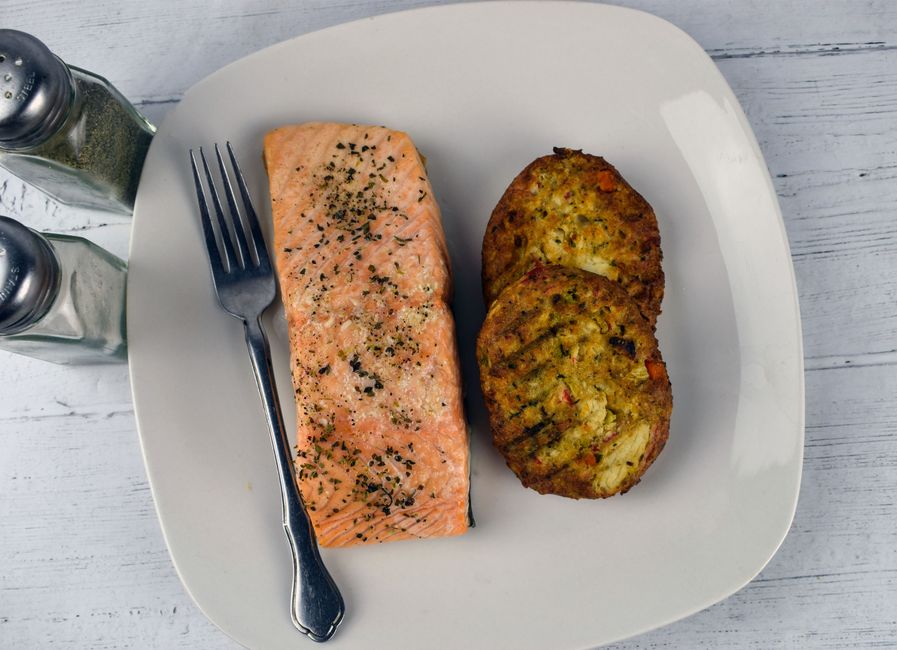
The presentation and serving of Maryland crab cakes are as important as their preparation. They are typically served as an entrée, accompanied by simple sides that complement rather than compete with the delicate crab flavor. Classic accompaniments include coleslaw, corn on the cob, fries, and a simple side salad. A dollop of tartar sauce or a squeeze of fresh lemon are common garnishes that add a touch of acidity and zest. The visual appeal of a perfectly formed, golden-brown crab cake is undeniable, and it’s often presented with pride on a plate. The sides chosen should aim to cleanse the palate and provide textural contrast. The bright, crisp nature of coleslaw offers a refreshing counterpoint to the rich crab cake, while the sweetness of corn on the cob echoes the natural sweetness of the crab. For those seeking a more casual dining experience, a crab cake sandwich, nestled in a toasted bun with lettuce and tomato, is a popular alternative. The beauty of the crab cake lies in its versatility; it can be a refined entrée or a satisfying sandwich filling. The accompanying sauces should enhance, not mask, the flavor of the crab. A well-made tartar sauce, with its tangy and creamy notes, is a classic choice. Fresh lemon wedges provide a simple yet effective way to brighten the flavors. The overall dining experience is designed to be a celebration of the Chesapeake Bay’s most prized culinary treasure.
The enduring popularity of Maryland crab cakes stems from their inherent deliciousness, their connection to a rich cultural heritage, and the universal appeal of high-quality seafood. They are a testament to the power of simplicity, allowing the natural sweetness and texture of the crab to take center stage. Whether enjoyed at a waterfront restaurant in Baltimore, at a backyard barbecue on the Eastern Shore, or in a fine dining establishment across the country, a well-made Maryland crab cake is an unforgettable culinary experience. The quest for the perfect crab cake is a journey that many embark upon, driven by a desire to capture that authentic Chesapeake Bay flavor. The iconic status of this dish is well-deserved, reflecting a tradition of excellence in seafood preparation that continues to delight palates worldwide. The subtle variations in recipes and cooking techniques across the region contribute to the ongoing conversation and evolution of the Maryland crab cake. Each bite is a reminder of the bounty of the Chesapeake Bay and the culinary ingenuity that has transformed this humble crustacean into a celebrated delicacy. The legacy of the Maryland crab cake is secure, a delicious and enduring symbol of the state’s identity. It’s a dish that evokes a sense of place, a taste of the sea, and a culinary tradition that continues to inspire and satisfy.