
Quick And Easy Grilled Potatoes

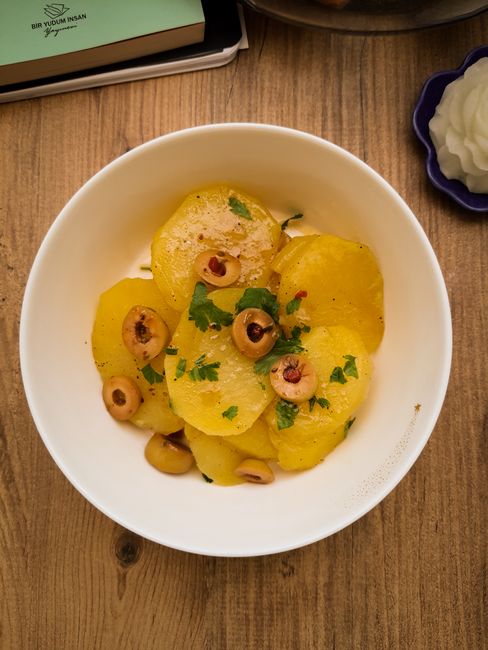
Mastering Quick & Easy Grilled Potatoes: A Flavorful Summer Staple
Grilling potatoes offers a delightful departure from traditional boiling or baking, infusing them with a smoky char and tender, yielding interior that is both satisfying and remarkably simple to achieve. This method bypasses lengthy cooking times, making it an ideal choice for weeknight meals or spontaneous backyard gatherings. The inherent starchiness of potatoes lends itself beautifully to the high heat of the grill, promoting caramelization and developing a complex flavor profile that pairs exceptionally well with a wide range of seasonings and toppings. The key to quick and easy grilled potatoes lies in preparation – selecting the right potato varietal, ensuring uniform cuts, and mastering the pre-cooking techniques that guarantee tenderness without sacrificing crispness. This guide will delve into the most efficient and flavorful ways to grill potatoes, transforming them from a humble side dish into a star attraction.
The selection of potato varietals significantly impacts the outcome of your grilled potatoes. For speed and ease, smaller, waxier potatoes are generally preferred. Varieties like Yukon Gold, Red Bliss, or fingerlings cook relatively quickly and hold their shape well on the grill, preventing them from falling through the grates. Their lower starch content contributes to a creamier texture after grilling, which is often more appealing than the sometimes-crumbly nature of starchy potatoes like Russets. However, Russets can also be grilled successfully, particularly if cut into larger wedges or chunks to ensure they have adequate time to cook through. The thin skins of waxier potatoes are also ideal for grilling, as they become wonderfully tender and slightly crispy without requiring peeling. If you opt for starchier potatoes, consider parboiling them for a few minutes before grilling to reduce overall cooking time and ensure even doneness. This pre-cooking step softens the potato, allowing the grill to focus on developing its exterior char and flavor. The size of the potato pieces is another crucial factor. Uniformity is paramount for even cooking. Whether you choose to cut them into wedges, thick slices, or cubes, ensure all pieces are roughly the same size. This prevents some potatoes from becoming burnt while others remain undercooked. For quick grilling, aim for pieces no thicker than ½ inch to ¾ inch. Smaller, bite-sized cubes will cook even faster, making them ideal for skewers.
Pre-treating your potatoes before they hit the grill is a critical step for achieving optimal texture and flavor. Boiling or steaming them for a short period, known as parboiling, is a highly effective technique for quick and easy grilled potatoes. This partially cooks the potatoes, significantly reducing the time they need on the hot grill. For most potato varieties, parboiling for 5-8 minutes is sufficient. The goal is to tenderize them, not cook them through. They should still offer some resistance when pierced with a fork. After parboiling, it’s essential to drain them thoroughly and allow them to steam dry for a few minutes. This step helps to create a drier surface, which is crucial for developing a good sear and preventing sticking on the grill grates. Excess moisture will steam the potatoes, hindering the formation of a desirable crust. Alternatively, if you’re short on time and want to skip parboiling, you can par-steam them. This method uses less water and can be done directly in a steamer basket over boiling water. The principle remains the same: partially cook the potatoes to expedite grilling. For those seeking an even simpler approach, some individuals have had success with microwaving potatoes for a few minutes before grilling, though the texture might be slightly different than with boiling or steaming. Regardless of the pre-cooking method, the subsequent step of oiling and seasoning is non-negotiable for flavor and preventing sticking.
Generously coat your parboiled or prepared potato pieces with a high-smoke-point oil, such as canola, grapeseed, or avocado oil. Olive oil can also be used, but be mindful of its lower smoke point, which can lead to burning at very high grill temperatures. The oil not only prevents the potatoes from sticking to the grill but also acts as a vehicle for seasonings, helping them adhere to the potato surface and develop a delicious crust. Don’t be shy with the oil; a light coating is insufficient. Think of it as a marinade. Once oiled, it’s time to season. The beauty of grilled potatoes lies in their versatility, allowing for endless flavor combinations. A simple but effective seasoning base includes salt and freshly ground black pepper. However, the possibilities extend far beyond. For a classic, smoky flavor, consider paprika, garlic powder, onion powder, and a pinch of cayenne pepper for a touch of heat. Smoked paprika is particularly effective in enhancing the grilled essence. Herb lovers can incorporate dried herbs like rosemary, thyme, or oregano. Fresh herbs are best added towards the end of grilling or after the potatoes have been removed from the heat to preserve their vibrant flavor and color. For a spicier kick, red pepper flakes or a dash of your favorite hot sauce can be mixed into the oil before coating the potatoes. Consider experimenting with pre-made spice blends like barbecue seasoning or a Cajun rub for an instant flavor boost. The key is to season liberally and ensure the seasonings are evenly distributed across all potato pieces.
Preheating your grill to a medium-high heat (around 400-450°F or 200-230°C) is paramount for achieving that perfect grilled potato. A hot grill sears the exterior quickly, creating desirable char marks and a crispy crust while allowing the interior to finish cooking and become tender. Before placing the potatoes on the grill, it’s essential to clean and oil the grates. This prevents sticking and ensures clean grill marks. You can use a grill brush to scrape off any debris, followed by oiling the grates with a paper towel dipped in oil and held with tongs. Once the grill is at the desired temperature and the grates are clean and oiled, carefully arrange the seasoned potato pieces in a single layer. Avoid overcrowding the grill, as this will steam the potatoes rather than grill them, leading to a softer, less desirable texture. Allow ample space between each piece for proper heat circulation and searing. The cooking time will vary depending on the size of your potato pieces and the intensity of your grill. For parboiled, ½-inch thick potato wedges, expect them to take approximately 8-12 minutes per side. Thicker pieces or unparboiled potatoes will require longer cooking times.
The art of grilling potatoes involves strategic flipping and monitoring to ensure even cooking and prevent burning. After the initial 8-12 minutes on one side, inspect the potatoes for developing char marks. Using a sturdy pair of tongs or a spatula, carefully flip each potato piece to expose the ungrilled side to the heat. Continue grilling, flipping periodically, until the potatoes are tender when pierced with a fork and have achieved a desirable level of charring on all sides. This typically takes another 8-12 minutes. The total grilling time will likely range from 16 to 24 minutes for parboiled potatoes. If you notice any spots developing excessive charring before the potatoes are tender, you can move those pieces to a cooler section of the grill or tent them loosely with foil. For unparboiled potatoes, the grilling time will be significantly longer, potentially 30-45 minutes or more, depending on the size and density of the potato. Regular checking is crucial to avoid burning. A good rule of thumb is to check every 5-10 minutes after the initial searing period and flip as needed. Don’t be afraid of some charring; it contributes to the smoky, delicious flavor profile. The key is to achieve a balance between tender interior and crispy, charred exterior.
Beyond basic salt and pepper, a multitude of flavor boosters can elevate your quick and easy grilled potatoes to culinary masterpieces. After the potatoes have finished grilling and are still hot, consider tossing them with a compound butter. A garlic-herb butter, made by softening butter and mixing in minced garlic, chopped fresh herbs like parsley, chives, or rosemary, and a pinch of salt, will melt into the warm potatoes, infusing them with rich flavor. Lemon zest and a squeeze of fresh lemon juice can add a bright, zesty counterpoint to the smoky char. For a creamy, decadent finish, a dollop of sour cream or Greek yogurt, perhaps mixed with some chopped dill and chives, makes for a delightful topping. Crispy bacon bits offer a salty crunch that complements the tender potatoes perfectly. Grated Parmesan cheese, sprinkled over the hot potatoes, will melt and add a nutty, savory dimension. A drizzle of balsamic glaze provides a sweet and tangy finish. For those who enjoy a bit of heat, a sprinkle of red pepper flakes or a few dashes of your favorite hot sauce can be applied post-grilling. Consider experimenting with different cheese varieties, such as crumbled feta for a Mediterranean flair or shredded cheddar for a classic comfort food experience. Even a simple drizzle of high-quality extra virgin olive oil, a sprinkle of flaky sea salt, and a grind of black pepper can transform basic grilled potatoes into something extraordinary. The final garnishes are where you can truly personalize your dish and cater to diverse palates.
To enhance the "quick and easy" aspect of grilled potatoes, consider utilizing grilling baskets or foil packets. Grilling baskets, particularly mesh ones designed for vegetables, are excellent for smaller potato pieces like cubes or fingerlings. They allow for easy flipping and prevent smaller items from falling through the grates. Simply toss your oiled and seasoned potatoes in the basket, close it, and place it on the preheated grill. You’ll still need to flip the basket periodically to ensure even cooking. Foil packets offer another convenient method. Place your parboiled, oiled, and seasoned potato pieces on a large sheet of heavy-duty aluminum foil. Gather the edges of the foil to create a sealed packet, ensuring no steam can escape. Place the packet directly on the grill grates. The foil will trap steam and cook the potatoes, while the high heat of the grill will still impart some charring and smoky flavor. This method is particularly useful for larger quantities or when you want minimal cleanup. For foil packets, the cooking time might be slightly longer than directly on the grates, as the steam cooks them from the inside out. You may want to open the packet for the last few minutes of cooking to allow for some browning and charring. Both grilling baskets and foil packets simplify the process of handling and flipping, making them ideal for busy cooks.
The versatility of quick and easy grilled potatoes extends to their role in a complete meal. They serve as an excellent accompaniment to a variety of grilled meats, poultry, and seafood. Imagine perfectly grilled chicken breasts alongside smoky, tender potato wedges. Or perhaps flaky grilled salmon with lemon-herb seasoned potato slices. For a vegetarian or vegan option, grilled portobello mushrooms or hearty vegetable skewers pair wonderfully with these grilled potatoes. They can also be incorporated into larger dishes. Consider chopping them after grilling and adding them to a fresh green salad for added substance and flavor. They make a fantastic base for loaded potato salads, where they are tossed with a creamy dressing, chopped vegetables, and perhaps some crispy bits of tempeh or plant-based bacon. For a more substantial meal, grilled potato wedges can be served with a side of black beans and salsa for a Southwest-inspired dish. The possibilities are truly endless, making grilled potatoes a cornerstone of any summer menu. Their ability to adapt to various flavor profiles and culinary applications solidifies their status as a go-to side dish that’s both convenient and delicious.
When it comes to storing and reheating quick and easy grilled potatoes, proper handling ensures they retain their appeal. Once cooked and cooled completely, store them in an airtight container in the refrigerator for up to 3-4 days. To reheat, the best methods aim to restore some of their original crispness. Gently warming them in a dry skillet over medium heat, flipping occasionally, can help re-crisp the exterior. A few minutes in a preheated oven at around 350°F (175°C) also works well, particularly if you’ve placed them on a baking sheet. For a very quick reheat, a short stint in the microwave can be used, but be aware that this may result in a softer texture. If you’re planning to use leftover grilled potatoes in another dish, like a salad or hash, their slightly softer texture after refrigeration may be perfectly acceptable. The key is to avoid over-reheating, which can lead to dryness. Always ensure that reheated potatoes are heated through to a safe internal temperature.


