
Famous Japanese Restaurant Style Salad Dressing

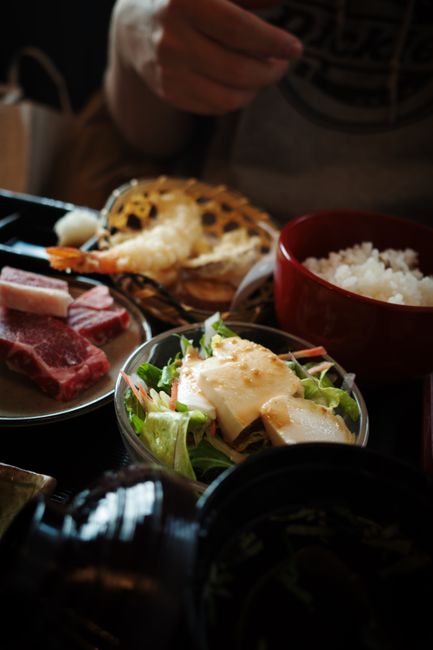
The Irresistible Allure of Japanese Restaurant Style Salad Dressing: A Culinary Deep Dive
Japanese restaurant style salad dressing transcends mere accompaniment; it’s a cornerstone of the dining experience, a delicate balance of umami, sweetness, and tang that elevates simple greens to an art form. Unlike its Western counterparts, which often rely on heavy dairy or a dominant acidity, Japanese dressings are characterized by their lightness, complexity, and a profound understanding of flavor integration. The versatility of these dressings is astonishing, finding their way onto everything from crisp iceberg lettuce and delicate spinach to hearty seaweed salads and even as a marinade for grilled meats and seafood. Their popularity stems not only from their exquisite taste but also from their perceived health benefits, often featuring ingredients rich in antioxidants and low in saturated fats. Understanding the fundamental components and regional variations of these dressings unlocks a world of culinary possibilities, allowing home cooks to replicate the authentic flavors of their favorite Japanese eateries. This article will delve into the most iconic and beloved Japanese restaurant style salad dressings, exploring their ingredients, flavor profiles, preparation methods, and the cultural significance that makes them so enduringly popular.
The undisputed king of Japanese restaurant style salad dressings is the Ginger-Sesame Dressing, often referred to as "Goma Dressing" (sesame dressing) or "Shoga Dressing" (ginger dressing) depending on its primary flavor accent. This dressing is a ubiquitous presence on menus across the globe, instantly recognizable by its creamy, pale-tan hue and its distinctive aroma. The base is typically a blend of toasted sesame oil and rice vinegar, providing a nutty depth and a bright, clean acidity. To this foundation, grated fresh ginger is added, imbuing the dressing with a warm, zesty spice that cuts through richness and adds a refreshing counterpoint. Sweetness is usually introduced through sugar or honey, carefully balanced to prevent cloyingness. Soy sauce contributes the essential umami, that savory fifth taste that is so fundamental to Japanese cuisine, adding complexity and depth. Some variations may include a touch of mirin, a sweet rice wine that adds a subtle sweetness and gloss. The texture is often emulsified, creating a smooth, luxurious mouthfeel. This emulsification can be achieved through vigorous whisking or, for a creamier result, by incorporating ingredients like mayonnaise, tahini (sesame paste), or even silken tofu. The tahini in particular amplifies the sesame flavor and lends a richer, more viscous texture. The beauty of Ginger-Sesame dressing lies in its adaptability. For a spicier kick, a pinch of red pepper flakes or a small amount of wasabi can be added. For a more pronounced ginger flavor, increase the quantity of grated ginger. A squeeze of fresh lemon or lime juice can further brighten the profile. This dressing is exceptionally versatile, pairing wonderfully with a wide array of salads, including mixed greens, shredded cabbage, avocado salads, and even as a dip for spring rolls. Its rich flavor also makes it an excellent marinade for chicken or tofu before grilling or pan-frying, infusing them with a delightful sweet and savory essence.
Another highly esteemed and distinctively Japanese salad dressing is the Miso-Ginger Dressing. This dressing harnesses the profound umami and fermentation complexities of miso paste, creating a dressing that is both deeply savory and wonderfully nuanced. Miso, a staple in Japanese kitchens, is a paste made from fermented soybeans, barley, or rice, and its flavor profile can range from mild and sweet (shiro miso) to intensely savory and robust (aka miso). For salad dressings, a milder white miso (shiro miso) is often preferred to avoid overwhelming the other flavors, though red miso can be used sparingly for a more assertive taste. The combination of miso and ginger creates a powerful synergy. The miso provides a salty, savory depth, while the ginger offers its characteristic warmth and zest. Rice vinegar is crucial for acidity, balancing the richness of the miso and adding a refreshing tang. A touch of sweetness, often from mirin or honey, is essential to round out the flavors and prevent the dressing from becoming too sharp. Soy sauce may be added to further enhance the umami, though with miso, it’s often used judiciously to avoid excessive saltiness. Like the Ginger-Sesame dressing, this one also benefits from emulsification for a smooth texture. Tahini can be incorporated for added creaminess and nutty notes, or a neutral oil like vegetable oil or grapeseed oil can be whisked in. Some recipes might include a small amount of sesame oil for its distinct aroma and flavor. The Miso-Ginger dressing is particularly well-suited for heartier salads, such as those featuring roasted vegetables, grains like quinoa or farro, or protein sources like grilled salmon or chicken. Its savory depth also makes it an excellent marinade for pork or beef, imparting a complex, umami-rich flavor. The probiotic qualities of miso are an added bonus, contributing to its appeal as a healthy and flavorful choice.
The Soy-Ginger Dressing, while seemingly simpler, is a foundational element in Japanese salad dressing culture. This dressing embodies the principle of "less is more," showcasing the pure, clean flavors of its core ingredients. The base is a straightforward combination of soy sauce and rice vinegar, providing the essential savory and acidic components. Freshly grated ginger is the star here, delivering its bright, pungent kick that is both invigorating and palate-cleansing. Sweetness is typically introduced through sugar, often granulated white sugar or a touch of honey. The balance between the saltiness of the soy sauce, the tartness of the vinegar, and the sweetness is paramount. Some variations might include a small amount of mirin for added sweetness and a smoother texture. A touch of sesame oil can be added for its aromatic qualities, but it’s often omitted to allow the ginger and soy sauce to shine. The texture is typically light and liquid, perfect for lightly coating delicate greens. This dressing is incredibly versatile and pairs exceptionally well with a wide range of vegetables, from crisp lettuce and cucumbers to shredded carrots and daikon. It is a staple for simple side salads that accompany sushi, sashimi, or tempura. Its clean flavor profile makes it an ideal marinade for lighter proteins like white fish or chicken breast, and it can also be used as a dipping sauce for grilled skewers. The beauty of the Soy-Ginger dressing lies in its clarity of flavor. It doesn’t mask the natural taste of the ingredients it accompanies; rather, it enhances them with a harmonious blend of savory, tangy, and spicy notes.
Beyond these widely recognized stars, other Japanese restaurant style salad dressings deserve attention for their unique contributions to the culinary landscape. The Ponzu Dressing is a citrus-infused soy sauce that offers a delightful tang and a bright, refreshing zest. Ponzu itself is a condiment made from soy sauce, citrus juice (typically yuzu, sudachi, or lemon), mirin, and dashi (a Japanese soup stock). When used as a salad dressing, it’s often thinned with a little water or rice vinegar and sometimes enhanced with a touch of sesame oil. Its inherent citrus notes make it a perfect complement to seafood and light, crisp salads. The flavor is sharp, savory, and incredibly refreshing. Another noteworthy dressing, though less common in Western Japanese restaurants, is the Wasabi Dressing. This dressing utilizes the pungent, sinus-clearing heat of wasabi, often blended with mayonnaise, soy sauce, rice vinegar, and a touch of sweetener. The result is a creamy, spicy dressing that adds a sophisticated kick to any salad. It’s particularly good with heartier greens and dishes containing avocado or grilled meats. The Sesame Vinaigrette, without the prominent ginger, focuses solely on the nutty, toasted flavor of sesame oil and tahini, balanced with rice vinegar and a touch of sweetener. This dressing offers a richer, creamier sesame experience than the Ginger-Sesame version and pairs well with salads that feature more robust vegetables or grains.
The preparation of these dressings is generally straightforward, emphasizing fresh ingredients and precise balance. For most, the process involves combining the liquid ingredients – rice vinegar, soy sauce, mirin, and any added oils – in a bowl. The aromatics, such as grated ginger or minced garlic, are then incorporated. Sweeteners are added to taste, and then the mixture is whisked vigorously to emulsify the dressing, creating a smooth, cohesive texture. For dressings utilizing miso or tahini, these pasty ingredients are typically blended with the liquids first to ensure a lump-free consistency. The key to achieving that authentic restaurant-style flavor lies in the quality of the ingredients. Using freshly grated ginger, good quality rice vinegar, and toasted sesame oil makes a significant difference. The balance of sweet, salty, sour, and umami is crucial, and this often requires tasting and adjusting as you go. Many Japanese home cooks and restaurant chefs make their dressings fresh daily to ensure optimal flavor and aroma.
The cultural significance of these dressings in Japan is profound. Salads, while not always the central focus of a meal in the same way they might be in Western cultures, are nonetheless an important component, providing freshness and a counterpoint to richer dishes. These dressings elevate the humble salad, transforming it into a flavorful and satisfying part of the dining experience. They reflect a broader culinary philosophy that values balance, harmony, and the subtle interplay of flavors. The emphasis on fresh, seasonal ingredients and the meticulous attention to detail in preparation are hallmarks of Japanese cuisine, and this extends to their salad dressings. Furthermore, the perceived health benefits of many of these dressings, with their reliance on ingredients like ginger, soy, and vinegar, align with a general cultural appreciation for healthful eating.
In conclusion, Japanese restaurant style salad dressings offer a complex and captivating world of flavor. From the universally beloved Ginger-Sesame and Miso-Ginger dressings to the bright citrus notes of Ponzu and the pungent kick of Wasabi, these culinary creations are more than just condiments; they are integral components of a sophisticated and balanced cuisine. Their versatility, deliciousness, and the emphasis on fresh, wholesome ingredients have cemented their place not only in Japanese restaurants worldwide but also in home kitchens, allowing enthusiasts to recreate those signature flavors and elevate their own culinary endeavors. The art of Japanese salad dressing is a testament to the power of simple ingredients, skillfully combined to achieve extraordinary taste and a truly unforgettable dining experience.


