
Sweet Hot Mustard Slaw

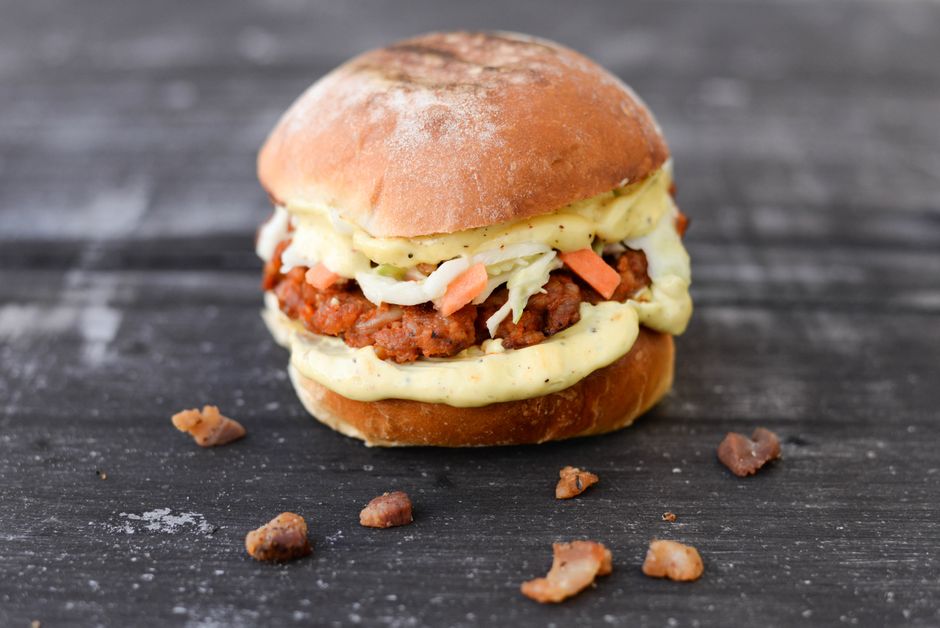
Sweet Hot Mustard Slaw: A Comprehensive Guide to Flavor, Texture, and Culinary Application
Sweet hot mustard slaw represents a dynamic flavor profile that transcends the typical side dish, offering a sophisticated yet approachable condiment that elevates a multitude of culinary creations. This slaw is characterized by its harmonious interplay of sweet, tangy, and pungent notes, underscored by a creamy, emulsified dressing. The foundational elements of any exceptional sweet hot mustard slaw lie in the quality and freshness of its ingredients. A base of finely shredded cabbage, typically a mix of green and red for visual appeal and subtle textural variations, is paramount. Napa cabbage or savoy cabbage can also be incorporated for a more delicate crunch. The ideal shred size is fine enough to allow the dressing to coat each strand evenly, yet substantial enough to retain a satisfying bite. Beyond cabbage, shredded carrots add sweetness and color, while thinly sliced red onion or shallots introduce a sharp counterpoint. The "hot" in hot mustard refers not necessarily to a fiery chili heat, but to the pungent, sinus-clearing kick of prepared mustard, often a Dijon or a coarse-grain variety. The "sweet" element is typically achieved through a combination of sugar (granulated or brown sugar for a richer molasses note) and a sweet vinegar, such as apple cider vinegar or white wine vinegar. The emulsification of the dressing is crucial, binding the oil and acidic components into a smooth, cohesive sauce that clings beautifully to the slaw vegetables. This involves a careful ratio of oil to vinegar, and the presence of an emulsifying agent, commonly egg yolk, though mayonnaise or even a well-whipped mustard itself can serve this purpose. Understanding these core components is the first step in mastering this versatile slaw.
The critical distinction in sweet hot mustard slaw lies within its dressing, a complex emulsion designed to deliver a layered flavor experience. The pungency originates from high-quality mustard, with Dijon offering a refined, peppery bite, and coarse-grain mustard providing delightful textural pops and a more robust flavor. A touch of horseradish, fresh or prepared, can amplify the "hot" element without introducing capsaicin heat, offering a different kind of piquant sensation. The sweetness is a carefully calibrated counterpoint, preventing the mustard’s intensity from becoming overwhelming. Granulated sugar is a straightforward choice, but brown sugar, particularly light brown sugar, imparts a subtle caramel undertone that complements the tanginess. Honey or maple syrup can also be employed, introducing their own unique flavor profiles and liquid sweetener properties, requiring slight adjustments to the liquid balance of the dressing. The acidity, essential for both flavor balance and preservation, is typically derived from vinegars. Apple cider vinegar, with its fruity notes, is a popular choice, as is white wine vinegar for a cleaner, brighter tang. Rice vinegar can also be utilized for a milder, more subtle acidity. The fat component, crucial for a rich, creamy texture and to carry fat-soluble flavors, is usually a neutral-flavored oil such as canola, vegetable, or a light olive oil. For an even richer dressing, a combination of oil and mayonnaise can be used. The emulsification process, the art of blending oil and vinegar, is achieved through vigorous whisking and the introduction of an emulsifying agent. Traditionally, egg yolk is a powerful emulsifier, creating a thick, stable dressing. However, for those concerned about raw egg, mayonnaise provides a ready-made emulsion and a creamy base. Mustard itself, with its natural emulsifying properties, can also contribute to the dressing’s stability, especially when used in larger quantities. Achieving the perfect balance of sweet, hot, tangy, and creamy requires meticulous attention to ratios and ingredient quality, allowing each component to shine without overpowering the others.
The textural interplay within a superior sweet hot mustard slaw is as vital to its success as its flavor profile. The base vegetables are meticulously prepared to ensure a pleasing crunch. Finely shredded cabbage, as previously mentioned, forms the backbone, offering a crisp, slightly fibrous foundation. The shredding technique is paramount; a mandoline slicer provides uniform, thin strands, ideal for even coating and a delicate bite. Conversely, a knife-cut slaw, while potentially more rustic, can offer varying thicknesses and a more artisanal feel, provided the cuts are consistent. The addition of shredded carrots introduces a different kind of sweetness and a softer crunch, complementing the cabbage without competing. Thinly sliced red onion or shallots, often finely minced or very thinly sliced into half-moons, provide a sharp, crisp contrast. For a more complex textural experience, consider incorporating other elements. Finely diced celery can add a refreshing watery crunch. Green or red bell peppers, julienned or finely diced, contribute a mild sweetness and a firmer texture. For a nutty depth and an additional textural element, toasted sunflower seeds, poppy seeds, or even slivered almonds can be folded in just before serving. The dressing, too, contributes to the overall texture. A well-emulsified dressing coats each strand of vegetable, creating a cohesive, slightly creamy mouthfeel. Over-dressing can lead to a soggy slaw, diminishing the crispness of the ingredients. Conversely, under-dressing leaves the slaw dry and uninspired. The goal is a vibrant, glistening slaw where each bite offers a delightful balance of tender crispness and a rich, creamy coating. The dressing should bind the ingredients without drowning them, allowing the inherent textures of the vegetables to remain prominent and enjoyable.
The culinary applications of sweet hot mustard slaw are remarkably extensive, extending far beyond its role as a mere accompaniment. Its robust flavor profile makes it an indispensable partner to a wide array of proteins. Pulled pork sandwiches, a classic pairing, benefit immensely from the slaw’s tangy sweetness cutting through the richness of the slow-cooked meat. The slaw acts as a palate cleanser and a textural counterpoint, preventing the sandwich from becoming monotonous. Similarly, barbecued ribs, whether pork or beef, find a perfect foil in sweet hot mustard slaw, its acidity and pungency balancing the smoky, savory notes of the meat. Fried chicken, with its crispy exterior and succulent interior, is another ideal candidate. The slaw adds a bright, refreshing element that contrasts with the richness of the fried coating. For a lighter protein, grilled chicken or fish, particularly salmon or trout, pairs wonderfully. The slaw’s vibrant flavors can elevate simple grilled preparations, adding a gourmet touch. Beyond sandwiches and grilled items, consider its use in more elaborate dishes. It can serve as a topping for gourmet hot dogs or sausages, adding a sophisticated twist. For a vegetarian or vegan option, sweet hot mustard slaw is a fantastic accompaniment to black bean burgers or grilled portobello mushrooms, offering a flavorful and texturally interesting component. It can also be incorporated into grain bowls or salads, adding a punch of flavor and crunch. Furthermore, its versatility extends to appetizers. Small servings of the slaw can be presented alongside crab cakes or even as a topping for mini quiches, offering an unexpected burst of flavor. The key is to recognize that sweet hot mustard slaw is not just a side dish; it’s a flavor enhancer, a textural balancer, and a culinary bridge that can elevate almost any savory creation.
Mastering the art of sweet hot mustard slaw involves understanding the nuances of ingredient selection and preparation. For the cabbage base, choosing fresh, crisp heads is paramount. Green cabbage offers a neutral, slightly peppery flavor and excellent crunch. Red cabbage, while visually striking, can be slightly tougher and has a more pronounced, earthy flavor. A combination of both often yields the most desirable results. Napa cabbage, with its tender, ruffled leaves, can introduce a softer texture and a subtle sweetness, suitable for those who prefer a less assertive crunch. Savoy cabbage, with its deeply crinkled leaves, offers a more robust texture and a slightly nutty flavor. When shredding, aim for a fine, consistent cut. A mandoline slicer is the ideal tool for achieving uniform strands that are easily coated with dressing. If using a knife, ensure the cuts are thin and even to avoid large, unwieldy pieces. For carrots, a medium shred is usually sufficient, providing sweetness and a contrasting texture without being too soft. Red onion or shallots should be sliced as thinly as possible, or even finely minced, to avoid an overpowering raw onion flavor. If a milder onion flavor is desired, soaking the sliced onions in cold water for 10-15 minutes before adding them to the slaw can help reduce their bite. The mustard is a critical component. High-quality Dijon mustard provides a complex, peppery flavor. Coarse-grain or whole-grain mustard adds interesting textural elements and a more robust, pungent taste. A blend of different mustards can also be explored for a more nuanced flavor profile. For sweetness, granulated sugar is a standard choice, but light brown sugar offers a richer, caramel-like sweetness. Honey or maple syrup can be used, but be mindful of their liquid content and adjust other liquid ingredients accordingly. For the vinegar, apple cider vinegar is a popular choice for its fruity tang, while white wine vinegar offers a cleaner, brighter acidity. Whisking the dressing ingredients until well combined and emulsified is crucial. For a traditional emulsified dressing, whisking the egg yolk with the vinegar and mustard before slowly drizzling in the oil is the best method. If using mayonnaise, ensure it is fully incorporated into the other dressing ingredients. Seasoning with salt and freshly ground black pepper is essential to enhance all the flavors. Taste and adjust the seasoning as needed, aiming for a balance of sweet, tangy, and pungent.
The shelf life and optimal serving temperature of sweet hot mustard slaw are important considerations for both culinary professionals and home cooks. When prepared with a traditional oil and vinegar based dressing, and without raw egg, the slaw can typically be stored in an airtight container in the refrigerator for 3 to 5 days. The acidity of the vinegar acts as a natural preservative, and the oil helps to prevent the vegetables from drying out. However, the texture will begin to degrade over time; the crispness will diminish, and the vegetables may become softer. If the slaw contains mayonnaise or egg yolk, its refrigerated shelf life is generally shorter, often around 2 to 3 days, due to the increased risk of bacterial growth. It is always advisable to err on the side of caution and discard any slaw that appears or smells questionable. For the best textural experience, sweet hot mustard slaw is generally served chilled or at cool room temperature. Serving it directly from the refrigerator provides the crispest, most refreshing bite. As the slaw sits at room temperature, the vegetables will begin to soften slightly, and the flavors will meld further. Some prefer a slaw that has had a little time to marinate, as this allows the dressing to penetrate the vegetables more deeply, intensifying the flavors. However, prolonged exposure to room temperature should be avoided to maintain food safety. If serving for an extended period, it is best to keep the slaw chilled in a serving bowl set on ice. The vibrant colors and appealing textures of sweet hot mustard slaw make it visually inviting, and its balanced flavor profile ensures it complements a wide range of dishes. Its ability to be prepared ahead of time makes it a convenient option for gatherings and meal preparation. Understanding these storage and serving guidelines ensures both the safety and optimal enjoyment of this versatile culinary creation.
The nutritional profile of sweet hot mustard slaw, while primarily a condiment, can be influenced by ingredient choices and preparation methods. The base vegetables, cabbage and carrots, are rich sources of vitamins and dietary fiber. Cabbage, in particular, is a good source of Vitamin C and Vitamin K, and contains beneficial antioxidants. Carrots are renowned for their beta-carotene content, which the body converts to Vitamin A, essential for vision and immune function. The fiber content in these vegetables contributes to digestive health and satiety. The dressing’s nutritional impact is more varied. Traditional oil-based dressings contribute healthy fats, particularly if olive oil is used. The type of oil selected will influence the fatty acid profile. Mayonnaise-based dressings will increase the fat and calorie content, and depending on the type of mayonnaise, can also introduce saturated fats. Sugars, whether granulated, brown, honey, or maple syrup, contribute to the carbohydrate content and caloric density of the slaw. Opting for natural sweeteners like honey or maple syrup in moderation can offer trace minerals, but they are still forms of sugar. Mustard itself is generally low in calories and can provide small amounts of minerals like selenium. When considering the "hot" element, prepared mustard is typically low in calories. If fresh horseradish is used, it offers a small amount of fiber and vitamins. To create a more nutrient-dense version of sweet hot mustard slaw, focus on maximizing the vegetable components and minding the dressing. Increasing the variety of vegetables, such as adding finely chopped broccoli florets or bell peppers, will further enhance the vitamin and mineral content. When preparing the dressing, consider using a lighter mayonnaise or reducing the overall amount of dressing used. A good quality olive oil, used in moderation, can contribute beneficial monounsaturated fats. Adjusting the sweetness by reducing the sugar or using a natural sweetener sparingly can lower the overall sugar content. For those monitoring their sodium intake, be mindful of the sodium content in prepared mustard and mayonnaise, and adjust accordingly. Ultimately, while sweet hot mustard slaw is not typically consumed in large quantities, conscious ingredient choices can optimize its nutritional contribution to a meal.
The culinary evolution of sweet hot mustard slaw demonstrates a clear progression from simple picnic fare to a more sophisticated and adaptable condiment. Early iterations likely originated from basic coleslaw recipes, with the addition of prepared mustard to introduce a sharper, more pungent flavor. The "sweet" element was probably introduced to balance this pungency and to cater to a broader palate, making it more palatable and versatile. Over time, as culinary techniques advanced and ingredient availability diversified, the recipe has been refined. The meticulous emulsification of the dressing, a hallmark of modern slaw preparation, ensures a cohesive texture and a more even distribution of flavors, a significant improvement over simply mixing ingredients. The exploration of different types of mustard – Dijon, coarse-grain, stone-ground – has added layers of complexity and texture. Similarly, the judicious use of various sweeteners, from granulated sugar to honey and maple syrup, allows for subtle flavor variations. The incorporation of a wider array of vegetables beyond cabbage and carrots, such as red onion, bell peppers, and even finely chopped celery or apples, has further enhanced its textural and flavor dimensions. The evolution also reflects a growing appreciation for the slaw’s ability to complement a broader spectrum of dishes. From its humble beginnings as a burger topping, it has ascended to become a key component in gourmet sandwiches, a vibrant accompaniment to barbecued meats, and even an unexpected element in more refined appetizers. This culinary journey highlights a continuous refinement of flavor profiles, textural experiences, and functional applications, solidifying sweet hot mustard slaw’s position as a dynamic and enduring element in the culinary landscape. Its adaptability and broad appeal suggest its continued relevance and potential for further innovation.


