
Butternut Squash With Apple And Cranberries

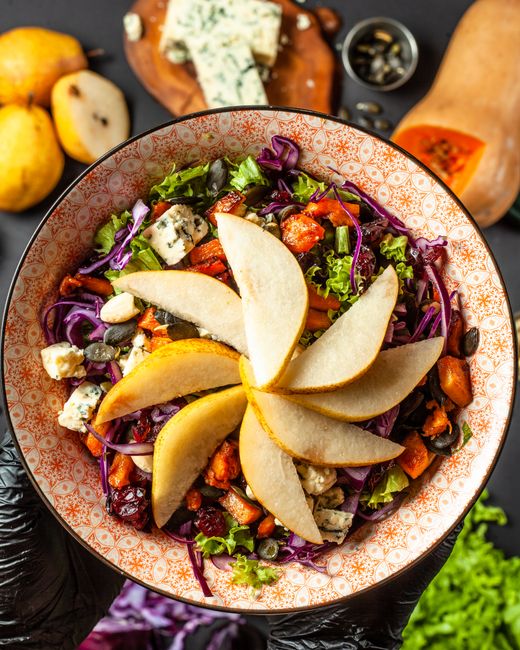
Butternut Squash, Apple, and Cranberry: A Culinary Exploration and Nutritional Powerhouse
This autumnal medley of butternut squash, apple, and cranberries represents a harmonious convergence of flavors and textures, offering a dish that is both comforting and invigorating. Butternut squash, with its subtly sweet, nutty profile and creamy consistency when cooked, forms the robust foundation. Its characteristic elongated shape and smooth, tan rind make it instantly recognizable, and its vibrant orange flesh is a testament to its rich nutritional content. Apples, in their myriad varieties, contribute a bright, often tart, and sometimes sweet counterpoint. Their crisp texture, when baked or roasted alongside the squash, softens to a tender yielding, while their natural sugars caramelize, deepening the overall sweetness of the dish. Cranberries, those ruby-red jewels of the fall season, introduce a piquant, tangy, and slightly bitter element that cuts through the richness of the squash and the sweetness of the apples. Their vibrant color not only adds visual appeal but also signals their potent antioxidant properties. Together, these three ingredients create a culinary experience that is inherently seasonal, evoking the crisp air and vibrant foliage of autumn.
The versatility of this butternut squash, apple, and cranberry combination is a significant factor in its appeal. It can be transformed into a hearty side dish, a comforting soup, a flavorful stuffing, or even a unique dessert. As a side, roasted cubes of butternut squash, interspersed with wedges of apple and whole cranberries, offer a delightful interplay of soft and slightly firm textures. The roasting process intensifies the natural sugars of each component, leading to a caramelized sweetness that is both complex and satisfying. For a soup, puréed butternut squash forms a silken base, into which stewed apples and simmered cranberries are blended, creating a smooth, vibrant, and nutrient-dense concoction. When incorporated into stuffing, the cubed squash, diced apples, and plumped cranberries provide moisture, sweetness, and a pleasant textural contrast to traditional bread-based fillings. Even in a dessert context, the inherent sweetness of the squash, amplified by the apples and balanced by the tartness of the cranberries, can be showcased in pies, crumbles, or baked dishes. The ability to adapt this core flavor profile to various culinary applications makes it a valuable addition to any home cook’s repertoire, particularly during the harvest season.
Nutritionally, the butternut squash, apple, and cranberry triumvirate is a powerhouse of essential vitamins, minerals, and antioxidants. Butternut squash is particularly lauded for its exceptionally high beta-carotene content, a potent antioxidant that the body converts into vitamin A. Vitamin A is crucial for vision health, immune function, and cell growth. It also provides a good source of vitamin C, an important antioxidant that supports the immune system and aids in collagen production, contributing to healthy skin. Potassium, found in significant amounts in butternut squash, plays a vital role in maintaining healthy blood pressure and fluid balance. The fiber content of butternut squash aids in digestion, promotes satiety, and can contribute to stable blood sugar levels. Apples contribute their own array of health benefits, including dietary fiber, particularly soluble fiber like pectin, which is known to help lower cholesterol levels. They also contain vitamin C and various antioxidants, such as quercetin, which has been linked to reduced risk of chronic diseases. Cranberries, while often consumed in processed forms, are renowned for their exceptionally high antioxidant content, particularly proanthocyanidins (PACs). These compounds are credited with their well-known urinary tract health benefits, but also possess anti-inflammatory and anti-cancer properties. Furthermore, cranberries offer vitamin C and manganese, a mineral essential for bone health and metabolism. The synergistic combination of these ingredients creates a dish that not only delights the palate but also contributes significantly to overall well-being.
The culinary history of butternut squash, apples, and cranberries is deeply rooted in the agricultural practices and traditions of North America, particularly during the autumn harvest. Butternut squash, a variety of Cucurbita moschata, is believed to have originated in Argentina and was cultivated by indigenous peoples long before European colonization. Its introduction to North America likely occurred through trade and agricultural exchange. Apples, too, have a long and storied history, with wild apples native to Central Asia. Cultivated apples were brought to North America by European colonists, and over time, a vast array of cultivars have been developed, many of which are perfectly suited to the autumnal climate. Cranberries (Vaccinium macrocarpon) are truly native to North America and were a vital food source for indigenous populations, who utilized them for sustenance and medicinal purposes. European colonists learned from indigenous peoples about the cultivation and uses of cranberries. The convergence of these three ingredients in many autumnal dishes reflects the bounty of the fall harvest and the ingenuity of early settlers and indigenous peoples in combining readily available, nutritious, and flavorful ingredients. This historical context adds another layer of appreciation to the contemporary enjoyment of dishes featuring this trio.
The preparation methods for butternut squash, apple, and cranberry dishes are as varied as their potential applications. Roasting is a particularly effective technique for bringing out the inherent sweetness and tenderizing the ingredients. Cubes of butternut squash, wedges of apple (varieties like Honeycrisp, Fuji, or Gala work well), and whole fresh cranberries can be tossed with olive oil, herbs such as rosemary or thyme, salt, and pepper, and roasted at a moderate temperature (around 400°F or 200°C) until the squash is tender and slightly caramelized, the apples are soft, and the cranberries begin to burst. For a soup, butternut squash can be roasted or simmered until tender, then puréed with vegetable or chicken broth. Sautéed apples and simmered cranberries can then be stirred into the purée, adding pockets of flavor and texture. For a stuffing, the ingredients are typically diced and combined with bread cubes, broth, and seasonings, then baked. The baking time will vary depending on the size and depth of the dish. When considering cranberries, it’s often beneficial to simmer them briefly in a little water or apple juice to soften them and release their juices, which can then be incorporated into the dish for enhanced flavor and a more uniform distribution of tartness.
The flavor profile of butternut squash, apple, and cranberry can be further enhanced and diversified through the judicious use of spices and aromatics. Warming spices like cinnamon, nutmeg, cloves, and ginger are natural complements to this autumnal blend, amplifying the inherent sweetness and adding a comforting aroma. A pinch of cayenne pepper or a dash of red pepper flakes can introduce a subtle heat that balances the sweetness and tang. Fresh herbs such as sage, thyme, or rosemary provide an earthy, herbaceous counterpoint. A drizzle of maple syrup or honey can further enhance the natural sweetness, while a splash of balsamic vinegar can add a sophisticated layer of acidity and depth. Citrus zest, particularly from orange or lemon, can provide a bright, fragrant lift that cuts through the richness. When preparing a savory dish, considerations might include adding sautéed onions, garlic, or shallots to build a more complex aromatic base before incorporating the squash, apples, and cranberries. For a sweeter application, vanilla extract or a hint of almond extract can add subtle complexity.
In terms of serving suggestions, this butternut squash, apple, and cranberry combination shines in various culinary contexts. As a side dish, it pairs exceptionally well with roasted meats such as pork tenderloin, chicken, or turkey, as well as hearty vegetarian mains like lentil loaf or mushroom Wellington. Its natural sweetness and slightly tart notes make it a perfect accompaniment to richer, savory flavors. As a soup, it is a comforting starter for a fall or winter meal, especially when garnished with a swirl of cream, toasted pumpkin seeds, or a sprinkle of fresh herbs. In a stuffing, it adds a welcome burst of flavor and moisture, complementing a wide range of holiday roasts. Beyond these traditional applications, this trio can also be incorporated into more innovative dishes. Consider using it as a filling for savory crepes or turnovers, or as a topping for crostini with a sprinkle of goat cheese. The possibilities are extensive, limited only by culinary imagination.
The health benefits derived from this specific combination are significant and far-reaching. The high fiber content in both butternut squash and apples aids in digestive health, promoting regularity and contributing to a feeling of fullness, which can be beneficial for weight management. The soluble fiber in apples, pectin, has been shown to help regulate blood sugar levels, making this dish a good option for individuals managing diabetes when portion sizes are considered. The antioxidants, particularly beta-carotene from the squash and PACs from the cranberries, work synergistically to combat oxidative stress in the body. Oxidative stress is implicated in the development of numerous chronic diseases, including heart disease, cancer, and neurodegenerative disorders. The anti-inflammatory properties of cranberries can help reduce inflammation throughout the body, which is a key factor in many chronic health conditions. Furthermore, the vitamin C present in both squash and apples supports a robust immune system, helping the body defend against infections. The potassium in butternut squash is crucial for cardiovascular health, assisting in the regulation of blood pressure.
When sourcing ingredients for this dish, the quality and freshness of the butternut squash, apples, and cranberries will significantly impact the final outcome. Look for butternut squash that feels heavy for its size, with smooth, unblemished skin. The stem should be firm and dry. Apples should be firm to the touch, with no soft spots or bruising. The color of apples varies widely by cultivar, so focus on overall firmness and aroma. Fresh cranberries are typically available in the fall and should be plump and firm. Avoid any that appear shriveled or soft. If fresh cranberries are not available, frozen cranberries can be used with excellent results; they often break down more readily during cooking, releasing their juices. When choosing apples, consider the desired flavor profile. For a sweeter dish, varieties like Honeycrisp, Fuji, or Gala are excellent choices. For a tarter, more complex flavor, consider Granny Smith or McIntosh. The combination of sweet and tart apples can create a more nuanced taste experience.
Storage and shelf life of the prepared dish are important considerations for minimizing food waste. Cooked butternut squash, apple, and cranberry dishes can typically be stored in an airtight container in the refrigerator for 3-4 days. It’s important to allow the dish to cool completely before refrigerating to prevent the growth of bacteria. Reheating can be done gently in a saucepan over low heat or in the oven at a moderate temperature. For larger batches, freezing is a viable option. Most cooked preparations of this combination freeze well for up to 2-3 months. Ensure the dish is completely cooled before transferring it to freezer-safe containers or bags. When thawing, it is best to do so in the refrigerator overnight before reheating. Certain ingredients, like very soft apples, might undergo textural changes upon freezing and thawing, but the overall flavor profile will remain largely intact.
In conclusion, the culinary fusion of butternut squash, apple, and cranberries transcends simple ingredient pairing; it represents a celebration of seasonal flavors, a testament to nutritional abundance, and a reflection of enduring culinary traditions. The inherent sweetness and creamy texture of butternut squash, complemented by the bright acidity and varied textures of apples, and punctuated by the tangy zest of cranberries, creates a flavor profile that is both comforting and invigorating. Beyond its gustatory appeal, this trio offers a rich tapestry of vitamins, minerals, and antioxidants, contributing significantly to overall health and well-being. From its historical roots to its diverse preparation methods and sophisticated flavor enhancements, the butternut squash, apple, and cranberry combination stands as a cornerstone of autumnal cuisine, offering endless possibilities for delicious and nutritious culinary exploration.


