Plum Blueberry Upside Down Cake
Plum Blueberry Upside Down Cake: A Deep Dive into a Delectable Delight
This article explores the creation, variations, and optimal presentation of a plum blueberry upside down cake, a sophisticated yet approachable dessert. We will delve into the ingredient selection, baking techniques, and flavor profiles that make this cake a standout. The inherent tartness of plums, when caramelized, perfectly complements the sweet bursts of blueberries, creating a dynamic interplay of flavors. This upside down cake format ensures a visually appealing presentation with the baked fruit forming a glossy, jewel-toned topping once inverted. Beyond the basic recipe, we will consider ingredient substitutions, enhance the flavor profile with complementary spices and extracts, and discuss perfect pairings for serving. Understanding the science behind caramelization and the role of fruit in cake structure will further enhance the appreciation for this classic dessert.
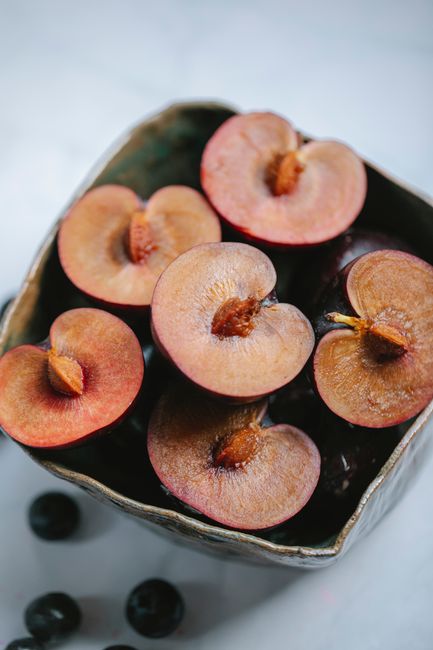
The foundation of a superior plum blueberry upside down cake lies in the quality and preparation of its fruit components. For the plums, selecting ripe but firm fruits is paramount. Overly ripe plums can become mushy during baking, diminishing their textural contribution. Varieties like Black Plums, Damsons, or even Italian Prune Plums offer a good balance of sweetness and tartness, and their skins tend to soften beautifully during the baking process. Before incorporating them into the cake, the plums should be halved, pitted, and then sliced to an appropriate thickness, typically around ¼ to ½ inch. This ensures even cooking and optimal caramelization. Uniform slicing also contributes to a more aesthetically pleasing final presentation. The blueberries, on the other hand, should be fresh or frozen. If using frozen blueberries, it’s often beneficial to toss them with a tablespoon of flour before adding them to the cake batter. This helps prevent them from bleeding excessively and creating a uniform blue hue in the batter, which is generally desirable for this type of cake. The quantity of fruit should be generous, ensuring a substantial layer when the cake is inverted. Aim for approximately 2-3 cups of sliced plums and 1-1.5 cups of blueberries, adjusting based on personal preference and the size of the cake pan. The arrangement of the fruit in the pan is crucial for the "upside down" effect. Begin by arranging the plum slices, cut-side down, in a single layer across the bottom of the prepared cake pan. This forms the visible topping. The blueberries can then be scattered evenly over the plums.
The caramel layer beneath the fruit is what elevates an upside down cake from good to exceptional. The classic approach involves melting butter and sugar directly in the cake pan before adding the fruit. However, for a more controlled and refined caramel, it’s often preferable to create the caramel in a separate saucepan. Begin by melting unsalted butter over medium heat in a saucepan. Once melted, whisk in granulated sugar, brown sugar, or a combination of both. Brown sugar adds a richer, more molasses-like flavor and contributes to a deeper caramel hue. Stir continuously until the sugar dissolves and the mixture begins to bubble and thicken. A pinch of salt added at this stage will help to balance the sweetness and enhance the caramel flavor. The color of the caramel is a critical indicator of its development. Aim for a rich amber color, but be vigilant to prevent it from burning, which would result in a bitter taste. Once the desired caramel color is achieved, carefully pour the hot caramel mixture into the prepared cake pan, ensuring it coats the bottom evenly. Immediately arrange the prepared plum slices and blueberries over the hot caramel. The heat from the caramel will begin to soften the fruit and initiate the caramelization process even before the cake batter is added. For added depth, consider infusing the caramel with aromatics. A vanilla bean scraped and its seeds added to the caramel, a cinnamon stick, or a star anise pod can impart subtle yet complex flavor notes. These aromatics should be removed before pouring the caramel into the pan.
The cake batter itself provides the structural integrity and complementary flavor to the fruity, caramelized topping. A moist and tender crumb is ideal, one that can stand up to the weight and moisture of the fruit. A common base for upside down cakes is a simple vanilla or butter cake. To ensure moisture, using a combination of butter and oil can be beneficial, or incorporating ingredients like sour cream, yogurt, or buttermilk. The ratio of dry to wet ingredients is crucial for achieving the right batter consistency. For a plum blueberry upside down cake, a slightly denser batter can be advantageous to prevent the fruit from sinking too deeply. A standard recipe typically involves creaming softened butter and sugar until light and fluffy, then incorporating eggs one at a time, followed by vanilla extract. In a separate bowl, whisk together the dry ingredients: all-purpose flour, baking powder, and salt. If you’re aiming for a richer flavor, consider using a portion of cake flour for a more tender crumb. Gradually add the dry ingredients to the wet ingredients, alternating with the liquid component (milk, buttermilk, etc.), beginning and ending with the dry ingredients. Mix only until just combined; overmixing will develop gluten and result in a tough cake. For this specific cake, incorporating a touch of spice into the batter can further enhance the fruit flavors. Ground cinnamon, nutmeg, or a hint of cardamom are excellent choices. A tablespoon or two of lemon zest can also brighten the overall flavor profile and cut through the richness of the caramel. The batter should be thick enough to gently spoon over the fruit without immediately sinking into it.
Baking the plum blueberry upside down cake requires careful temperature and timing to ensure the fruit is tender, the caramel is well-developed, and the cake is fully cooked. Preheat your oven to 350°F (175°C). A standard 9-inch round cake pan or an 8×8 inch square pan is suitable. Ensure the pan is well-greased and floured, even after applying the caramel, to prevent sticking. Pour the prepared cake batter evenly over the fruit layer in the pan. Gently spread the batter with an offset spatula to create a smooth surface. The baking time will typically range from 40 to 60 minutes, depending on the depth of the cake and your oven’s calibration. To check for doneness, insert a wooden skewer or toothpick into the center of the cake, avoiding any fruit. It should come out clean or with a few moist crumbs attached. If the top of the cake begins to brown too quickly, you can loosely tent it with aluminum foil. The caramelization process continues as the cake bakes, creating a glossy topping. It is crucial to allow the cake to cool in the pan for a short period after removing it from the oven, usually 10-15 minutes. This allows the caramel to set slightly but not harden completely, making it easier to invert without sticking. However, allowing it to cool too long can result in the caramel solidifying and adhering to the pan.
The dramatic reveal of an upside down cake is a highlight of its preparation. After the initial cooling period, place a serving plate or cake stand over the cake pan. With a firm grip on both the pan and the plate, swiftly and confidently invert the entire assembly. If the cake doesn’t release immediately, gently tap the bottom and sides of the pan. Any fruit that remains adhered to the pan can be carefully placed back onto the cake. The visual appeal of the deeply caramelized plums and glistening blueberries against the golden-brown cake is a testament to the upside down baking method. The aroma emanating from the freshly baked cake, a medley of sweet fruit and warm caramel, is incredibly inviting.
Serving and enjoying the plum blueberry upside down cake can be enhanced by thoughtful accompaniments. It is delicious served warm, allowing the flavors and textures to be at their peak. Plain or lightly sweetened whipped cream is a classic pairing, its lightness and subtle sweetness perfectly complementing the rich fruit and caramel. A dollop of crème fraîche or mascarpone cheese offers a slightly more decadent and tangy alternative. For those who enjoy a bit of contrast, a scoop of vanilla bean ice cream or a lemon sorbet can provide a refreshing counterpoint. The tartness of lemon sorbet, in particular, can cut through the sweetness of the caramel, creating a balanced flavor experience. If serving for dessert, a small drizzle of crème anglaise or a caramel sauce can further elevate the presentation and flavor. For a more sophisticated palate, consider pairing with a dessert wine. A Sauternes or a late-harvest Riesling, with their honeyed notes and balanced acidity, would be an excellent choice.
Exploring variations of the plum blueberry upside down cake allows for personalization and adaptation to seasonal availability or dietary preferences. For instance, the combination of fruits can be altered. While plums and blueberries are a delightful duo, other stone fruits like apricots or peaches could be substituted for the plums, offering a different flavor profile and texture. Cherries, either fresh or pitted, would also lend a wonderful tartness. For a more autumnal twist, incorporating pears or apples alongside the plums could create a warming, spiced cake. If a dairy-free or vegan version is desired, the butter in the caramel can be replaced with a plant-based butter alternative, and the dairy in the cake batter can be substituted with plant-based milk (almond, soy, oat) and a vegan egg replacer (applesauce, flax egg, commercial egg replacer). The baking process might require slight adjustments in time or temperature depending on the chosen substitutes. Gluten-free bakers can opt for a good quality gluten-free all-purpose flour blend, often incorporating a binder like xanthan gum, to achieve a comparable crumb structure.
Beyond the standard caramel, the flavor profile of the topping can be significantly enhanced. A pinch of ground ginger or a whisper of cloves in the caramel can add warmth and complexity, especially if using less tart plum varieties. A tablespoon of orange liqueur, such as Grand Marnier or Cointreau, added to the caramel before pouring can introduce a bright, citrusy note that beautifully complements both plums and blueberries. Alternatively, a few drops of almond extract in the cake batter can lend a subtle nutty undertone that pairs well with stone fruits. The textural contrast of the cake can also be manipulated. For a slightly crunchier topping, a sprinkle of chopped almonds or pecans can be added over the fruit before the batter is poured. These nuts will toast in the oven, adding another layer of flavor and texture to the finished cake.
The plum blueberry upside down cake, with its inherent elegance and delightful interplay of sweet and tart, is a dessert that transcends seasons and occasions. Its visual appeal, coupled with its rich, complex flavors, makes it a favorite for both casual gatherings and more formal celebrations. Understanding the nuances of fruit preparation, caramelization techniques, and batter composition allows for the creation of a truly memorable and satisfying dessert. Whether enjoyed warm with a simple dollop of cream or as part of a more elaborate dessert spread, this cake is sure to impress. Its versatility in terms of fruit substitutions and flavor enhancements ensures that it can be adapted to suit a wide range of palates and preferences, making it a truly indispensable recipe in any baker’s repertoire. The emphasis on fresh, quality ingredients and careful execution of each step of the process will undoubtedly lead to a superior plum blueberry upside down cake.