Irish Cream And Whiskey Cocktail
The Ultimate Guide to Irish Cream and Whiskey Cocktails: From Classic Ratios to Modern Innovations
Irish cream liqueur, a velvety blend of Irish whiskey, cream, and cocoa, has captivated palates worldwide. Its inherent sweetness and smooth texture make it a versatile mixer, particularly when paired with its alcoholic ancestor: Irish whiskey. This potent duo forms the foundation for a staggering array of cocktails, ranging from the universally recognized Irish Coffee to intricate, spirit-forward concoctions. This comprehensive guide delves deep into the world of Irish cream and whiskey cocktails, exploring their history, key ingredients, foundational recipes, and the creative avenues for their evolution. Understanding the interplay between these two iconic Irish spirits unlocks a universe of delicious possibilities for both home bartenders and seasoned professionals.
The genesis of Irish cream liqueur is relatively recent, with the most prominent brand, Baileys, launching in 1974. Its creation was a stroke of marketing genius, capitalizing on the global appeal of both Irish whiskey and dairy products. The original recipe, a closely guarded secret, is believed to be a sophisticated emulsification process that blends high-quality Irish whiskey, fresh cream, a hint of cocoa, and subtle flavorings. This innovation transformed a robust spirit into an approachable, decadent liqueur, paving the way for its widespread adoption in cocktails. Prior to its commercial success, simple pairings of Irish whiskey with milk or cream, often sweetened, likely existed in informal settings, but the refined consistency and flavor profile of commercial Irish cream liqueur elevated these rudimentary drinks into something far more sophisticated and appealing. The immediate success of Baileys spurred the development of numerous other Irish cream brands, each with its own subtle variations in sweetness, whiskey strength, and flavor notes, further expanding the cocktail landscape.
When constructing an Irish cream and whiskey cocktail, the quality of both primary ingredients is paramount. For the Irish whiskey, opt for something that complements the richness of the cream without being overpowered. Mid-range blended Irish whiskeys, such as Jameson, Bushmills Original, or Tullamore D.E.W., offer a balanced profile with notes of grain, malt, and subtle fruitiness that work harmoniously with the sweet liqueur. For a more robust flavor, a single pot still whiskey like Redbreast or Green Spot can add complexity, introducing spicy, herbaceous, and creamy undertones that can elevate the cocktail to a new level. The sweetness of the Irish cream liqueur itself is a crucial consideration. While most are formulated with a pleasing balance, some can lean towards overly sweet. This will influence the need for additional sweeteners or acidic components in the cocktail. Fresh, high-fat cream is essential for homemade variations or when substituting for liqueur. The emulsification process is key to achieving a smooth, non-separating texture.
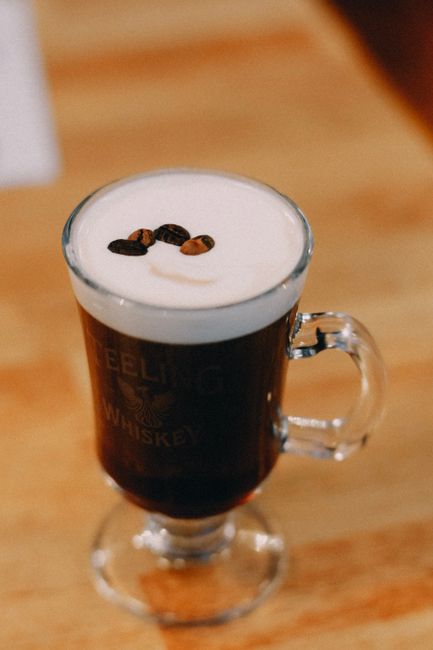
The Irish Coffee is the undisputed king of Irish cream and whiskey cocktails, a timeless classic that has graced menus for decades. Its simplicity belies its profound impact. The traditional recipe calls for hot, black coffee, a measure of Irish whiskey, a touch of sugar (often brown sugar for its caramel notes), and a generous dollop of lightly whipped cream. The magic lies in the layering: the warm coffee forms the base, followed by the whiskey and sugar, and crowned with the unwhipped or lightly whipped cream. The drinker sips through the cool cream, encountering the warm, boozy, and caffeinated liquid beneath. The ideal ratio is subjective, but a common starting point is 2 parts coffee, 1 part whiskey, and 1 teaspoon of sugar per serving. The cream should be just thick enough to float but not so stiff that it’s difficult to incorporate. The heat of the coffee is crucial for both flavor release and the proper emulsification of the cream, preventing it from dissipating too quickly into the drink.
Beyond the Irish Coffee, a plethora of variations and original creations exist, demonstrating the versatility of this potent pairing. The "Nutty Irishman" is a popular example, incorporating hazelnut liqueur (like Frangelico) alongside Irish whiskey and Irish cream. This adds a distinctly nutty aroma and flavor, complementing the creamy sweetness. Another common addition is a splash of chocolate syrup or liqueur, amplifying the cocoa notes already present in many Irish creams, resulting in a decadent "Mudslide" or a "Chocolate Irishman." For a more sophisticated palate, a dash of aromatic bitters can introduce depth and complexity. Orange bitters, for instance, can cut through the richness and add a subtle citrus note, while chocolate bitters can further enhance the dessert-like qualities of the drink. Coffee liqueurs, such as Kahlúa or Tia Maria, can also be incorporated, creating layered coffee and cream profiles, though careful attention must be paid to avoid excessive sweetness.
When venturing into original creations, consider the fundamental principles of cocktail construction: balance, texture, and aroma. The inherent sweetness of Irish cream liqueur means that many cocktails benefit from an acidic element to provide contrast. Lemon juice, though not a typical pairing, can be used judiciously in certain avant-garde recipes. More commonly, a touch of coffee liqueur or a bolder whiskey can provide the necessary counterpoint. Texture is dominated by the cream, but the addition of ice in shaken cocktails will introduce dilution and a different mouthfeel. Shaking an Irish cream cocktail vigorously can create a frothy, effervescent texture, while stirring will result in a smoother, more viscous drink. The aroma is often enhanced by garnishes. A dusting of cocoa powder, a sprinkle of cinnamon, or a coffee bean can provide a fragrant introduction to the cocktail.
Exploring different types of Irish whiskey can unlock entirely new flavor dimensions within Irish cream cocktails. A peated Irish whiskey, while less common, can introduce smoky notes that are surprisingly complex when paired with rich cream and chocolate. This might work well in a "Smoky Irishman" served neat or on the rocks with a minimal amount of cream. Similarly, a higher proof whiskey will naturally add more alcoholic warmth and intensity, requiring a potential adjustment in sweetness or other flavorings. The type of cream used also influences the final product. Heavy cream will yield a richer, more viscous texture, while half-and-half will result in a lighter, more approachable drink. For those seeking a dairy-free option, coconut cream or oat milk can be used as substitutes, though achieving the same emulsification and mouthfeel can be challenging. Experimentation with homemade Irish cream liqueurs also offers a personalized approach, allowing for precise control over the sweetness, whiskey intensity, and specific flavorings.
The serving temperature of an Irish cream and whiskey cocktail significantly impacts its perception. Hot cocktails, like the Irish Coffee, offer warmth and a comforting embrace. Chilled cocktails, often served "up" in a coupe or martini glass, are refreshing and sophisticated. Cocktails served on the rocks are best for slower sipping and allow the flavors to evolve as the ice melts. The choice of glassware also plays a role. A tall, clear glass showcases the layers of an Irish Coffee, while a chilled coupe glass highlights the elegant presentation of a shaken cream cocktail. Garnishes should be functional and contribute to the overall sensory experience. A light dusting of nutmeg can add a warm spice note, while a chocolate curl can enhance the visual appeal and the chocolate aroma.
Modern mixology has embraced Irish cream and whiskey cocktails with enthusiasm, pushing boundaries and reinterpreting classics. Techniques such as fat-washing (infusing whiskey with a fat like butter or bacon fat) can add an unexpected savory depth that can be a fascinating counterpoint to the sweetness of Irish cream. Infusions of spices, herbs, or even coffee beans into the whiskey prior to mixing can further personalize the flavor profile. The use of artisanal Irish creams with unique flavor profiles, such as salted caramel or mint chocolate, opens up even more creative avenues. Consider the "Reverse Irish Coffee," where a chilled espresso is poured over a mixture of Irish whiskey and Irish cream, creating a cold, creamy, and caffeinated treat. The "Whiskey Sour with an Irish Cream Twist" might involve incorporating a small amount of Irish cream into a classic whiskey sour, adding a subtle creamy texture and sweetness without overwhelming the tartness of the lemon.
When developing new Irish cream and whiskey cocktail recipes, it’s beneficial to consider flavor pairings that complement the existing profile of both spirits. Classic pairings include coffee, chocolate, caramel, vanilla, and various nuts like hazelnut or almond. Spices such as cinnamon, nutmeg, and cardamom also work well. For a more adventurous approach, consider fruits like cherry or raspberry, which can add a touch of tartness and acidity. Herbs like mint or rosemary can introduce an unexpected herbaceous element. The key is to maintain a balance between the sweetness of the cream, the robustness of the whiskey, and any additional flavorings. Always taste and adjust as you go, small additions can have a significant impact.
The process of creating a well-balanced Irish cream and whiskey cocktail involves careful consideration of ratios. A common starting point for spirit-forward cocktails is a 2:1 or 3:1 ratio of whiskey to liqueur. However, with Irish cream’s inherent sweetness and body, this can be adjusted. For drinks that emphasize the cream, a 1:1 ratio or even more cream might be appropriate. When adding other liqueurs or sweeteners, it’s crucial to account for their sugar content. Bitters, though used in small quantities, can significantly alter the flavor profile by adding complexity and reducing perceived sweetness. Acidity, if used, should be bright and not overwhelming, typically a smaller proportion than the primary spirits. The temperature of the ingredients, particularly the whiskey and the cream, will influence how they integrate. Chilled ingredients will result in a colder, more refreshing drink, while room-temperature ingredients might blend more readily but result in a warmer cocktail.
For the home bartender aiming to elevate their Irish cream and whiskey cocktail game, a few essential tools and techniques are recommended. A good quality shaker, jigger for accurate measurement, and a bar spoon for stirring are fundamental. A fine-mesh strainer is essential for removing ice shards and any unwanted solids from shaken drinks. For coffee-based cocktails, a French press or an espresso machine will provide the best quality coffee. Experimenting with different ice types – large cubes for slow dilution, crushed ice for rapid chilling – can also impact the final drink. Practicing the technique for whipping cream, whether by hand or with an electric mixer, is crucial for achieving the perfect topping for an Irish Coffee. Finally, a commitment to tasting and refining recipes is the most important tool of all. The vast and delicious world of Irish cream and whiskey cocktails awaits exploration.