
Air Fryer Coconut Shrimp

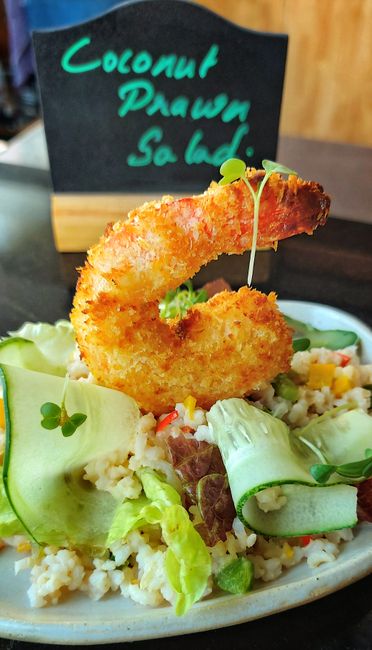
Crispy Air Fryer Coconut Shrimp: A Healthier Take on a Fried Favorite
The allure of deep-fried coconut shrimp is undeniable: a sweet, crunchy exterior giving way to succulent, tender shrimp. However, traditional deep-frying comes with a significant caloric and fat cost, often leaving home cooks feeling guilty about indulging. Enter the air fryer, a revolutionary kitchen appliance that promises all the crispy satisfaction of deep-frying with a fraction of the oil and none of the mess. This comprehensive guide will walk you through the process of creating exceptionally crispy and flavorful air fryer coconut shrimp, offering a healthier, yet equally delicious, alternative to its deep-fried counterpart. We’ll delve into ingredient selection, preparation techniques, precise cooking times and temperatures for optimal crispness, and versatile serving suggestions, all while optimizing for search engines to ensure this recipe reaches those seeking a healthier, air-fried rendition of this beloved appetizer.
The fundamental principle behind achieving a truly crispy coating on air fryer coconut shrimp lies in a multi-step breading process and the air fryer’s circulating hot air. Unlike baking, which relies on dry heat that can sometimes lead to a tough or leathery texture, the air fryer mimics the convection of a deep fryer, allowing hot air to flow around the food, creating a uniformly crisp exterior. The key to that signature coconut flavor and crunch is, of course, the coconut. Opting for unsweetened shredded coconut is crucial for controlling the sweetness of the final dish and preventing it from becoming cloying. Sweetened coconut can burn more easily at the higher temperatures required for crisping. For an even more intense coconut flavor and a slightly coarser texture, a blend of shredded and flaked coconut can be employed, but shredded coconut alone provides an excellent base.
When selecting shrimp, size matters. Medium to large shrimp, typically labeled as 21-25 or 26-30 count per pound, are ideal. Smaller shrimp tend to overcook quickly in the air fryer, resulting in a rubbery texture, while excessively large shrimp might not cook through evenly. It’s also important to ensure the shrimp are peeled and deveined. Leaving the tail on is a popular choice for presentation, creating an edible "handle," but it’s not strictly necessary for the cooking process itself. Thoroughly patting the shrimp dry before breading is a non-negotiable step. Moisture is the enemy of crispiness; any residual water on the shrimp will steam rather than crisp, hindering the formation of that desirable golden-brown crust. This drying process is paramount and should not be overlooked.
The breading process for air fryer coconut shrimp is a three-stage affair, designed to ensure maximum adherence and a robust, crispy coating. The first stage involves a light dusting of all-purpose flour seasoned generously with salt and black pepper. This flour layer acts as a primer, creating a slightly tacky surface for the next layer to adhere to. Some recipes incorporate additional spices like garlic powder, onion powder, or a pinch of cayenne pepper into the flour for an extra flavor dimension. The second stage is the egg wash. Typically, one or two large eggs are lightly beaten with a tablespoon of milk or water. This liquid binder helps the coconut adhere effectively. Ensure the shrimp are fully coated in the egg wash, allowing any excess to drip off. The final and most critical stage is the coconut coating. This is where the unsweetened shredded coconut comes into play. You can enhance the coconut layer by mixing in a tablespoon or two of panko breadcrumbs. Panko, with its airy, flaky texture, contributes significantly to the overall crispiness of the finished product, complementing the shredded coconut beautifully. Pressing the shrimp firmly into the coconut mixture ensures an even and substantial coating. For the most effective coating, consider doing this in batches to avoid overcrowding the breading station.
Preheating the air fryer is as vital for air fryer coconut shrimp as it is for any other air fryer recipe. A preheated air fryer basket ensures immediate searing and crisping upon insertion of the breaded shrimp, preventing them from sticking and promoting even cooking. Aim for a temperature of 375°F (190°C) for the initial cooking phase. This temperature is hot enough to crisp the coating quickly without burning the delicate coconut. Arrange the breaded shrimp in a single layer in the air fryer basket, ensuring they are not overlapping. Overcrowding the basket will lead to steaming, rather than crisping, and will require longer cooking times, potentially compromising texture. You may need to cook the shrimp in multiple batches depending on the size of your air fryer.
The cooking time for air fryer coconut shrimp will vary slightly depending on the size of the shrimp and the specific model of your air fryer. A good starting point is 8 to 10 minutes. Crucially, it is essential to flip the shrimp halfway through the cooking process, around the 4-5 minute mark. This ensures that both sides of the shrimp achieve an even golden-brown and crispy texture. Observing the shrimp as they cook is key. You’re looking for a deeply golden-brown coating and visible crispness. If the shrimp are not as golden or crispy as desired after the initial cooking time, you can increase the temperature slightly to 400°F (200°C) and cook for an additional 1-2 minutes, keeping a close eye to prevent burning. The internal temperature of the shrimp should reach 145°F (63°C) for safe consumption.
Once cooked, remove the air fryer coconut shrimp from the basket and let them rest for a minute or two before serving. This brief resting period allows the juices to redistribute, ensuring tender shrimp, and the coating to fully set and crisp up further. The aroma will be irresistible, a testament to the successful transformation of simple ingredients into a restaurant-quality appetizer.
The beauty of air fryer coconut shrimp lies not only in its ease of preparation and healthier profile but also in its versatility as a dish. It can be served as a standalone appetizer, a flavorful addition to salads, or even as a lighter protein option for tacos or wraps. When it comes to serving, the classic accompaniment is a sweet chili sauce. The sweet and slightly spicy notes of the sauce perfectly complement the sweetness of the coconut and the savory shrimp. Other excellent dipping sauce options include a spicy aioli, a tangy mango salsa, or a simple lime-based dipping sauce. For a more substantial meal, serve the air fryer coconut shrimp over a bed of jasmine rice, alongside a fresh green salad or some stir-fried vegetables. The textural contrast between the crispy shrimp and the fluffy rice is particularly satisfying.
To optimize for search engines and ensure this recipe is easily discoverable, consider incorporating relevant keywords naturally throughout the text. Phrases like "air fryer shrimp recipe," "healthy coconut shrimp," "crispy shrimp," "easy appetizer," "gluten-free shrimp" (if a gluten-free flour alternative is used), and "low-fat shrimp" are all valuable. Focusing on the benefits, such as "healthier alternative," "less oil," and "quick recipe," will also attract readers. Emphasizing the ease of cleanup associated with air frying is another significant selling point for home cooks.
For those with dietary restrictions, adaptations are straightforward. To make these air fryer coconut shrimp gluten-free, substitute the all-purpose flour with a gluten-free all-purpose flour blend or a mix of rice flour and almond flour. Ensure the panko breadcrumbs used are also certified gluten-free, as many are made from wheat. For a dairy-free option, use unsweetened almond milk or soy milk in the egg wash. The fundamental crisping and flavoring principles remain unchanged.
Troubleshooting common issues is also important for a comprehensive guide. If your shrimp aren’t crispy, review the steps: was the shrimp thoroughly dried? Was the air fryer preheated adequately? Were the shrimp cooked in a single layer without overcrowding? Was the cooking temperature and time appropriate? Sometimes, a slightly longer cooking time or a higher final temperature blast can salvage less-than-crispy results, but it’s always best to aim for perfection from the start. Conversely, if the coconut coating is burning, reduce the temperature by 10-15°F (5-8°C) and ensure there isn’t an excessive amount of sugar in the coconut or any added sweeteners in the breading mixture.
The storage and reheating of air fryer coconut shrimp are also important considerations. While best enjoyed fresh, any leftovers can be stored in an airtight container in the refrigerator for up to 2-3 days. Reheating is best done in the air fryer at around 350°F (175°C) for 3-5 minutes, or in a hot oven, to restore some of their crispness. Microwaving is generally not recommended as it will result in a soggy texture.
In conclusion, mastering the art of air fryer coconut shrimp unlocks a world of delicious, healthier indulgence. By paying close attention to ingredient quality, proper breading techniques, and precise air fryer settings, you can consistently achieve a dish that rivals its deep-fried counterpart in flavor and texture, all while significantly reducing fat and calories. This recipe offers a satisfying and guilt-free way to enjoy a classic favorite, making it an invaluable addition to any home cook’s repertoire and a highly searchable topic for those seeking culinary innovation. The ability to achieve such impressive crispness with minimal oil is a testament to the power of modern kitchen appliances and smart cooking techniques, making air fryer coconut shrimp a truly modern marvel of home cooking.


