Overnight Caramel Pecan Rolls
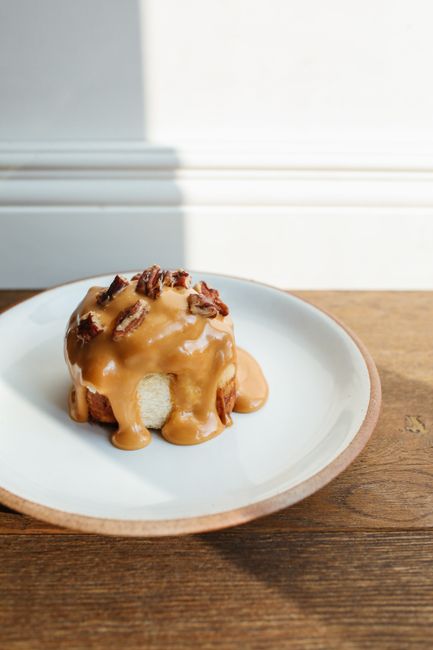
Overnight Caramel Pecan Rolls: The Ultimate Make-Ahead Breakfast & Dessert Indulgence
Overnight caramel pecan rolls represent a masterful intersection of convenience and decadent flavor, offering a truly unparalleled culinary experience. The "overnight" aspect is the key to their magic, allowing a slow, controlled rise and the development of complex flavors that are simply unattainable with a traditional, same-day preparation. This method transforms simple ingredients into extraordinarily tender, sticky, and utterly addictive pastries, perfect for a leisurely weekend brunch, a special holiday breakfast, or even as an impressive homemade dessert. The process hinges on preparing the rolls the evening before, letting them proof overnight in the refrigerator, and then baking them in the morning. This allows the yeast to work its magic slowly, developing a beautiful structure and an incredible lightness in the final product. The caramel pecan topping, a rich and gooey mixture of butter, brown sugar, and toasted pecans, caramelizes to perfection during the bake, creating a sticky, irresistible glaze that coats every fluffy roll. Understanding the science behind the overnight rise and the principles of a successful caramel topping is crucial for achieving bakery-quality results at home.
The foundation of any exceptional roll, including the overnight caramel pecan variety, lies in the dough. A well-balanced dough recipe is paramount for achieving that signature soft, pillowy texture. Typically, these doughs are enriched with ingredients that contribute to tenderness and flavor, such as milk, butter, and eggs. Milk, heated to a specific temperature, is essential for activating the yeast without killing it. Using whole milk contributes to a richer dough and a more tender crumb. Butter, softened or melted, adds richness, moisture, and helps to tenderize the gluten strands, resulting in a softer bite. Eggs provide structure, color, and contribute to the overall richness and flavor profile. The yeast, the unsung hero of bread and roll making, is responsible for leavening. Active dry yeast or instant yeast can be used, with slight variations in activation methods. Active dry yeast typically requires proofing in warm liquid (around 105-115°F or 40-46°C) with a pinch of sugar to ensure it’s alive and active. Instant yeast, on the other hand, can often be mixed directly into the dry ingredients, as it is more robust and readily disperses. The flour used is typically all-purpose flour, which provides a good balance of protein for structure without being too tough. Bread flour, with its higher protein content, could also be used for a chewier texture, but for the classic soft caramel pecan roll, all-purpose is generally preferred. The process of kneading is critical for developing the gluten network within the dough. Gluten is a protein complex formed when flour is mixed with water and worked. Proper kneading develops this network, giving the dough elasticity and strength, allowing it to trap the gases produced by the yeast and rise beautifully. Over-kneading can make the dough tough, while under-kneading will result in a dense, heavy roll. The goal is a smooth, elastic dough that springs back when gently pressed.
The "overnight" component of these rolls is where the real convenience and flavor development happen. After the initial mixing and kneading, the dough is allowed a short initial rise at room temperature. This is often referred to as the bulk fermentation. Following this, the dough is shaped into rolls and then placed in its baking pan, covered tightly, and refrigerated overnight. This cold fermentation, or retarding, slows down the yeast activity significantly. Instead of a rapid rise at room temperature, the yeast works slowly and steadily throughout the long, cold period. This slow fermentation has several crucial benefits. Firstly, it allows for the development of more complex flavor compounds. As the yeast breaks down sugars, it produces alcohols and esters, which contribute to the characteristic "yeasty" aroma and flavor of baked goods. The extended, slow fermentation allows these compounds to develop more fully. Secondly, the cold temperature strengthens the gluten structure. The gluten network becomes more robust in the cold, which helps the rolls to hold their shape during the final bake and contributes to a more even and desirable crumb structure. This process also makes the dough easier to handle in the morning. Cold dough is firmer and less sticky, making it ideal for rolling out and shaping without excessive sticking or tearing. When you retrieve the rolls from the refrigerator in the morning, they will have visibly increased in size, appearing plump and ready for their final bake. The overnight proofing is the secret weapon that elevates these rolls from good to extraordinary, offering both convenience and a superior flavor and texture.
The filling of the caramel pecan rolls is where the indulgence truly begins. A generous spread of softened butter is typically applied to the rolled-out dough first. This acts as a base for the subsequent layers of flavor and helps to keep the filling moist. The traditional filling is a mixture of brown sugar and cinnamon. Light brown sugar or dark brown sugar can be used, with dark brown sugar contributing a deeper, more molasses-rich flavor. The cinnamon provides warmth and its characteristic aroma, a quintessential pairing with caramel and pecans. Some recipes might also incorporate a touch of nutmeg or allspice for added complexity. This sugary spice mixture is then sprinkled liberally over the buttered dough. The beauty of this simple filling is its transformative power during baking, melting into a gooey, caramel-like consistency that permeates the soft dough. The key is to achieve an even distribution of the filling across the entire surface of the dough to ensure every bite is equally flavorful and sweet. This layer of sweetness is what will eventually interact with the caramel topping, creating that sticky, glorious mess that defines these rolls.
The caramel pecan topping is arguably the most iconic and irresistible element of these rolls. This topping is typically prepared while the rolls are proofing in their pan or just before they go into the oven. The base ingredients are usually butter, brown sugar, and corn syrup or honey. Butter provides richness and helps to create a smooth, emulsified sauce. Brown sugar, as mentioned, adds sweetness and depth of flavor, and crucially, contributes to the caramelization process. Corn syrup or honey serves as a liquid sweetener and also helps to prevent the sugar from crystallizing, ensuring a smooth, syrupy consistency. Many recipes also include a splash of vanilla extract for enhanced flavor. The pecans are almost always toasted before being added to the caramel mixture. Toasting brings out the nutty aroma and flavor of the pecans, making them even more delicious and providing a delightful textural contrast to the soft rolls. The pecans are usually roughly chopped or left whole, depending on preference. The mixture of butter, sugar, and liquid is heated gently until the sugar dissolves and the mixture thickens into a syrupy consistency. The toasted pecans are then stirred in. This warm, gooey caramel pecan mixture is then poured evenly over the proofed rolls in the baking pan. As the rolls bake, the caramel sauce bubbles and caramelizes, creating a sticky, luscious glaze that coats the tops and sides of the rolls. The heat of the oven transforms the sugar into that distinct caramel flavor and color. The interaction between the soft dough, the cinnamon-sugar filling, and the rich caramel pecan topping is what creates the ultimate sweet and satisfying experience. The residual heat from the oven will continue to thicken the caramel as it cools slightly.
Baking the overnight caramel pecan rolls requires careful attention to temperature and time to ensure the perfect balance of cooked dough and caramelized topping. The oven temperature is typically set to a moderate heat, often around 350°F (175°C). This moderate temperature allows the rolls to bake through evenly without the caramel burning. The baking time can vary depending on the size of the rolls and the depth of the baking pan, but it generally ranges from 25 to 35 minutes. During the baking process, the dough will puff up significantly and turn a golden brown. The caramel topping will become bubbly and luscious, and the pecans will be toasted to perfection. It is crucial to monitor the rolls closely during the final stages of baking. If the tops begin to brown too quickly, you can loosely tent the pan with aluminum foil. Conversely, if they are not browning sufficiently, a slight increase in temperature for the last few minutes might be necessary. The best indicator of doneness for the rolls themselves is a beautiful golden-brown color and a hollow sound when tapped on the bottom. The caramel topping should be visibly bubbling and have a rich, amber hue.
The cooling and serving of overnight caramel pecan rolls are as important as their preparation and baking. Immediately after removing the pan from the oven, it is crucial to allow the rolls to cool in the pan for at least 10-15 minutes. This resting period is vital for several reasons. Firstly, it allows the caramel topping to set slightly. If you attempt to remove the rolls too soon, the hot caramel will be too liquid and will likely all drip off, leaving the rolls bare. Secondly, this resting period allows the internal structure of the rolls to stabilize. Attempting to pry them apart while they are piping hot can lead to them falling apart. After this initial resting period, the rolls can be carefully inverted onto a serving platter or a wire rack. This is often done by placing the platter or rack on top of the baking pan and then, with oven mitts, quickly and confidently flipping the entire assembly. The warm caramel topping will cling to the rolls, and any excess will drip onto the platter, creating a beautiful, sticky glaze. If some rolls remain stuck in the pan, a gentle nudge with a spatula usually does the trick. For the ultimate gooey experience, it is often recommended to serve the rolls while they are still warm. The warmth further softens the caramel, making it incredibly pourable and sticky.
The SEO-friendly nature of this article is achieved through the strategic inclusion of relevant keywords and phrases that potential readers would use when searching for this recipe and related topics. These include "overnight caramel pecan rolls," "make-ahead breakfast," "homemade dessert," "sticky buns recipe," "easy brunch ideas," "pecan rolls recipe," "caramel glaze," "best cinnamon rolls," and "slow-fermented dough." The comprehensive nature of the content, covering dough preparation, overnight proofing, filling, topping, baking, and serving, ensures that users find a wealth of information, increasing the likelihood of engagement and search engine ranking. The detailed descriptions of ingredients, techniques, and the "why" behind certain steps contribute to the depth and authority of the article. For instance, explaining the benefits of cold fermentation or the role of corn syrup in the caramel topping adds significant value. The article is structured logically, guiding the reader through the entire process seamlessly. The use of clear headings and sub-topics (though not explicitly formatted as such in this text-based output, the flow implies them) allows for easy navigation and comprehension. The emphasis on the unique advantages of the "overnight" method directly addresses a key search intent for time-saving and enhanced flavor. The article avoids jargon where possible, or explains it clearly, making it accessible to home bakers of all skill levels. Finally, the inherent deliciousness and popularity of caramel pecan rolls naturally attract search interest, and this article provides the definitive guide.