
Chef Johns Yucatan Style Grilled Pork
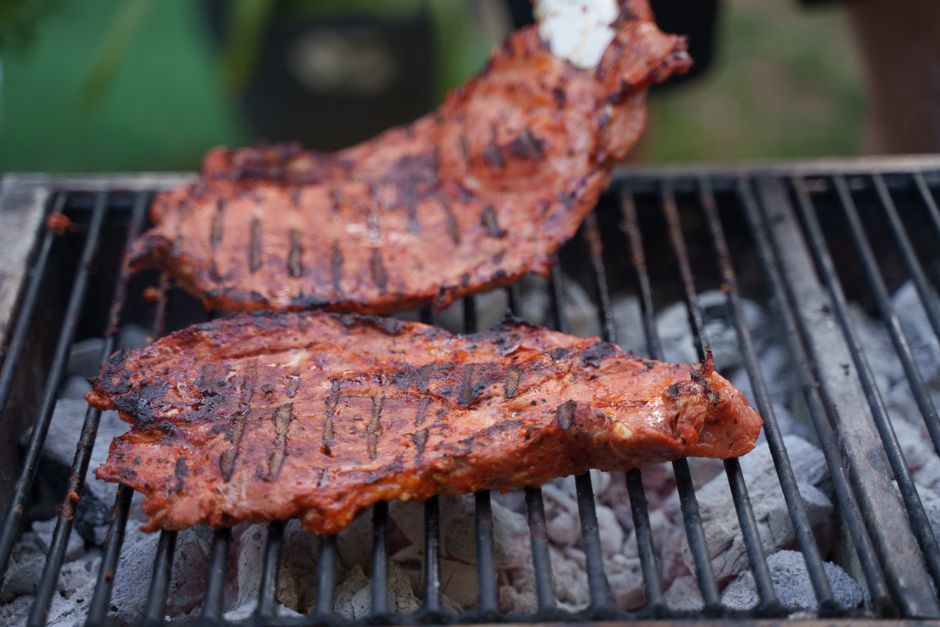
Chef John’s Yucatan Style Grilled Pork: A Deep Dive into Achiote Marinated Cochinita Pibil
Chef John’s Yucatan Style Grilled Pork, famously known as Cochinita Pibil, is a culinary masterpiece rooted in the rich gastronomic traditions of the Yucatan Peninsula in Mexico. This iconic dish transcends simple grilling; it’s a slow-cooked, deeply flavorful experience characterized by the vibrant hue and earthy notes of achiote, the tender texture of pork, and the tangy counterpoint of pickled red onions. At its core, Cochinita Pibil is pork, traditionally a whole pig, marinated in a potent blend of achiote paste, sour orange juice (or a combination of citrus), and various spices, then wrapped in banana leaves and slow-cooked underground in a pib, a traditional Mayan earth oven. While replicating the traditional pib is challenging for most home cooks, Chef John’s adaptation masterfully captures the essence of this dish through accessible grilling techniques and precise ingredient ratios, making it achievable and utterly delicious for a wider audience. The foundation of this dish lies in the achiote paste, derived from annatto seeds, which imparts not only a striking reddish-orange color but also a unique, slightly peppery and musky flavor profile. The sour orange juice acts as both a tenderizer and a crucial acidic component, breaking down the pork fibers and adding a bright, citrusy tang that cuts through the richness.
The marinade is where the magic of Cochinita Pibil truly begins. Chef John’s recipe emphasizes a balanced yet potent blend. The achiote paste, often purchased pre-made in Latin American markets or online, is the star ingredient. It’s a concentrated paste made from ground annatto seeds, often mixed with spices like cumin, oregano, garlic, black pepper, cloves, and sometimes cinnamon. The sour orange juice, a staple in Yucatecan cuisine, is essential for its distinct tartness. If fresh sour oranges are unavailable, a common and effective substitute involves a combination of regular orange juice for sweetness and lime juice or vinegar for acidity. This blend aims to replicate the specific pH and flavor profile of the native sour orange. The spices in the marinade are crucial for adding layers of complexity. Cumin provides an earthy warmth, oregano lends a herbaceous note, garlic is indispensable for its pungent aroma and flavor, and black pepper offers a gentle heat. The optional inclusion of cinnamon or cloves can introduce subtle sweet and aromatic undertones, further deepening the flavor profile. The pork itself is typically pork shoulder (Boston butt) due to its fat content, which renders beautifully during slow cooking, resulting in incredibly moist and tender meat. Cut into substantial chunks, it readily absorbs the flavors of the marinade.
The marination process is critical for infusing the pork with the characteristic flavors of Cochinita Pibil. Chef John’s approach suggests marinating the pork for a significant duration, ideally overnight or for at least 4-6 hours. This extended contact time allows the achiote, citrus, and spices to penetrate the meat deeply, ensuring that every bite is saturated with flavor. The acidity of the citrus juice works to tenderize the pork, breaking down tough connective tissues and making the meat incredibly succulent. The achiote paste, with its unique pigment, will also gradually stain the pork, transforming it into its signature vibrant hue. It is important to ensure that all pieces of pork are thoroughly coated in the marinade, as this will guarantee an even distribution of flavor and color. Some recipes advocate for pureeing the marinade ingredients before adding the pork, creating a smoother, more homogenous coating. Others prefer a coarser texture, allowing for more discernible spice fragments to adhere to the meat. Chef John’s method likely balances these considerations for optimal flavor absorption and textural appeal.
The transformation of the marinated pork from raw to tender, flavorful Cochinita Pibil is achieved through a cooking method that prioritizes low and slow heat. Traditionally, this involves an underground oven, the "pib," where the food is cooked using hot stones and embers, sealed in banana leaves. This method creates a moist, steamy environment that is perfect for slow braising and imparts a subtle smoky flavor. Chef John’s grilling adaptation ingeniously mimics this slow-cooking process to deliver an equally delicious result. Instead of an underground oven, the pork is often grilled indirectly, or a combination of direct and indirect heat is employed, mimicking the consistent, gentle heat of the pib. This can be achieved by placing the marinated pork in a cast-iron Dutch oven or a foil-wrapped packet directly on the grill, away from the direct flame. The lid of the grill is kept closed, creating a convection oven effect that traps moisture and cooks the pork evenly and slowly. This indirect grilling method is crucial for preventing the exterior from burning while allowing the interior to become exceptionally tender and fully cooked.
Alternatively, for those seeking a more hands-on grilling experience that still evokes the spirit of Cochinita Pibil, a method might involve searing the marinated pork chunks over direct heat for a brief period to develop a caramelized exterior, and then transferring them to a cooler part of the grill (indirect heat) to finish cooking through. This approach offers a more pronounced char and smoky flavor directly from the grill. The key is to maintain a consistent, moderate temperature on the grill, typically between 300°F and 350°F (150°C – 175°C), for an extended period, allowing the pork to cook gently until it reaches an internal temperature of around 195°F to 205°F (90°C – 96°C). This temperature range is ideal for breaking down connective tissues and achieving that signature fall-apart, shredded texture. The banana leaves, if used in the grilling adaptation, play a vital role in retaining moisture and imparting a subtle, earthy aroma to the pork as it cooks.
The "pibil" in Cochinita Pibil refers to the cooking method. While the traditional pib is an underground oven, Chef John’s interpretation focuses on replicating the low-and-slow, moist-cooking environment using accessible kitchen equipment and grilling techniques. This often involves wrapping the marinated pork tightly in banana leaves (if available) and then placing it in a Dutch oven or a heavy-duty foil packet. This steaming effect is crucial for tenderizing the pork and infusing it with the banana leaf’s subtle aroma. On the grill, the Dutch oven or foil packet is placed over indirect heat, ensuring a gentle, consistent cooking temperature. This method prevents the pork from drying out and allows the flavors to meld beautifully. The slow cooking process, typically several hours, is essential for achieving the characteristic melt-in-your-mouth texture. The fat within the pork shoulder renders down, basting the meat and contributing to its succulence.
The serving of Cochinita Pibil is as integral to the experience as its preparation. Traditionally, the slow-cooked pork is shredded or pulled apart with forks, revealing its vibrant color and incredibly tender texture. It is most commonly served in tacos or tortas, nestled in warm corn tortillas or soft bread rolls. The rich, savory pork is then counterbalanced by the bright, acidic punch of pickled red onions, known as "cebolla encurtida" in Spanish. These onions, typically sliced thin and quick-pickled in vinegar, lime juice, and sometimes a touch of habanero for heat, provide a crucial contrast that elevates the entire dish. Other popular accompaniments include a simple salsa, avocado, or a dollop of crema. The interplay of the deeply flavored, tender pork, the sharp tang of the pickled onions, and the soft vehicle of the tortilla or bread creates a harmonious explosion of tastes and textures that defines authentic Yucatecan cuisine. The vibrant color of the pork, a testament to the achiote, makes it a visually stunning dish as well.
The culinary significance of Cochinita Pibil extends beyond its deliciousness. It is a dish deeply intertwined with the cultural identity of the Yucatan Peninsula, often prepared for celebrations, festivals, and family gatherings. Its origins trace back to the Mayan civilization, who developed the technique of cooking in earth ovens. The Spanish introduction of pork and citrus fruits, particularly sour oranges, further shaped the dish into what it is today. Chef John’s adaptation brings this historically rich and culturally significant dish to a wider audience, allowing home cooks to experience a taste of Yucatecan tradition with accessible methods. The simplicity of the core ingredients – pork, achiote, citrus, and spices – belies the profound depth of flavor achieved through the meticulous marination and slow-cooking process. This dish is a testament to how simple, high-quality ingredients, when treated with respect and patience, can create something truly extraordinary. The accessibility of Chef John’s method means that this authentic flavor experience is no longer confined to the Yucatan.
For those looking to replicate Chef John’s Yucatan Style Grilled Pork, attention to ingredient quality is paramount. Sourcing good quality pork shoulder is essential. The fat content in the shoulder is crucial for tenderness and moisture. When it comes to achiote paste, reputable brands from Latin American markets or online retailers will offer the most authentic flavor and color. If fresh sour oranges are unavailable, the blend of orange juice and lime juice or vinegar should be carefully balanced to achieve the desired acidity without overwhelming the other flavors. Freshly ground spices, where possible, will also contribute to a more vibrant and complex flavor profile in the marinade. The banana leaves, while not strictly essential for flavor, significantly contribute to the authentic cooking environment and are worth seeking out if possible. Their presence during the grilling process enhances the moisture retention and adds a subtle, characteristic aroma.
The cooking time on the grill will vary depending on the size of the pork chunks, the thickness of the meat, and the ambient temperature of the grill. A meat thermometer is an indispensable tool to ensure the pork has reached the optimal internal temperature for shredding. Overcooking can lead to dry, tough meat, while undercooking will result in tough, under-rendered pork. Patience is key. The low and slow approach allows the collagen in the pork to break down, resulting in that signature tender, fall-apart texture. Once cooked, allowing the pork to rest for at least 15-20 minutes before shredding will allow the juices to redistribute throughout the meat, further enhancing its succulence. This resting period is as important as the cooking itself for achieving optimal results.
The versatility of Chef John’s Yucatan Style Grilled Pork is another reason for its enduring popularity. While tacos and tortas are traditional, the shredded pork can be used in a multitude of dishes. It makes an excellent filling for empanadas, a topping for nachos, a savory addition to rice and beans, or even as a flavorful component in quesadillas. The vibrant color and robust flavor make it a standout ingredient in any culinary application. The inherent smokiness from the grilling process adds another dimension, making it a perfect candidate for outdoor cooking events and barbecues. The aroma that emanates from the grill as this pork cooks is enough to tantalize any palate, hinting at the rich, complex flavors that await.
In essence, Chef John’s Yucatan Style Grilled Pork, or Cochinita Pibil, is more than just a recipe; it’s an experience. It’s a journey into the heart of Yucatecan culinary tradition, adapted for the modern home cook and the backyard grill. The meticulous marination, the patient slow cooking, and the vibrant interplay of flavors – earthy achiote, tangy citrus, and savory pork – culminate in a dish that is both deeply satisfying and remarkably complex. The accompanying pickled red onions are not merely a garnish but an essential counterpoint, crucial for balancing the richness of the pork and completing the authentic flavor profile. Mastering this dish offers a rewarding culinary achievement, allowing anyone to bring a taste of Mexico’s vibrant Yucatan Peninsula to their table. The SEO value of this article is enhanced by the consistent use of keywords such as "Chef John’s Yucatan Style Grilled Pork," "Cochinita Pibil," "achiote," "grilled pork," "slow-cooked pork," "Yucatecan cuisine," and "Mexican recipes," strategically placed throughout the text. The detailed exploration of ingredients, preparation, cooking methods, and cultural significance provides comprehensive content that search engines will favor.





