The Comprehensive Technical Guide to Mastering Oven Roasted Potatoes for Enhanced Home Culinary Standards

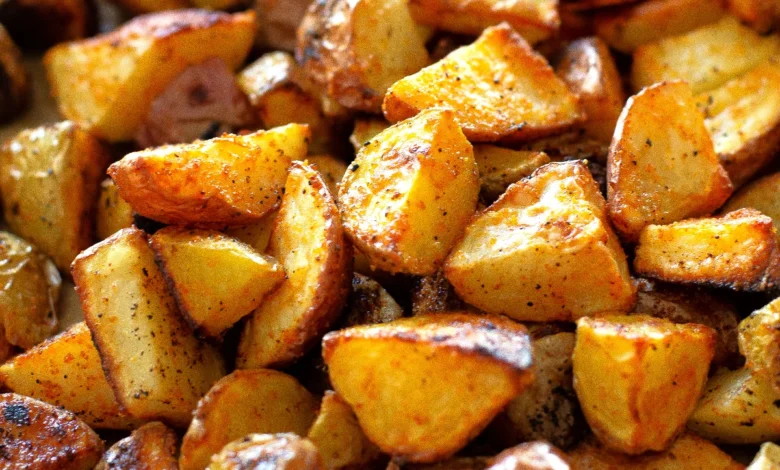
The oven-roasted potato remains a cornerstone of global side dishes, representing a fundamental intersection of simple ingredients and complex chemical reactions. While often perceived as a basic culinary task, the pursuit of the "perfect" roasted potato—characterized by a glass-like crispy exterior and a pillowy, aerated interior—requires a precise understanding of thermal dynamics, moisture control, and varietal selection. This analysis explores the methodologies necessary to achieve superior results in the home kitchen, moving beyond mere instruction into the science of the Maillard reaction and the structural integrity of the Solanum tuberosum.
The Fundamental Mechanics of the Roasted Potato
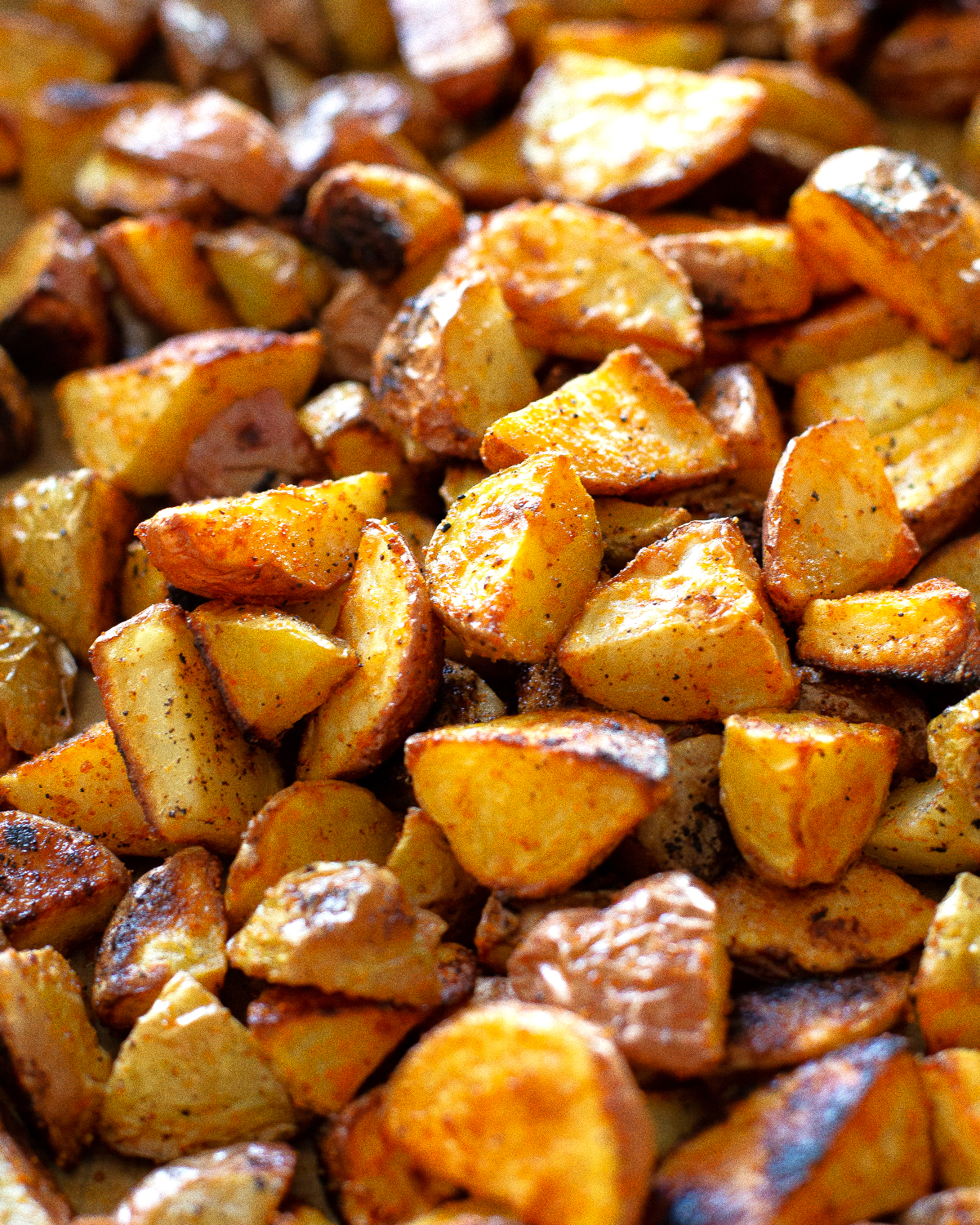
To achieve the desired golden caramelized edges and creamy centers, the cooking process must balance dehydration and gelatinization. The primary challenge identified by culinary professionals is the prevention of the "undercooked center," a common failure occurring when external browning proceeds too rapidly for the internal starch granules to fully hydrate and soften. By employing high heat—typically between 400°F and 450°F—cooks can simulate the effects of deep-frying (faux-frying) without the excessive lipid absorption associated with traditional immersion in oil.
Data from food science laboratories indicates that the ideal roasted potato should lose approximately 20% to 30% of its initial weight through evaporation during the roasting process. This concentration of solids is what intensifies the flavor and allows the surface to become rigid and crisp. The inclusion of fats, such as olive oil or avocado oil, serves as a heat-transfer medium, ensuring that the oven’s convective heat is evenly distributed across the irregular surfaces of the potato chunks.
Chronology of Preparation: A Systematic Approach
The execution of a high-standard roasted potato dish follows a strict chronological order to ensure consistency. The process begins with the selection and sanitation of the tubers, followed by mechanical reduction and thermal application.
- Selection and Sizing: The potatoes must be reduced to uniform dimensions to ensure a synchronized cooking time. Industry standards suggest chunks between 0.75 inches and 1 inch. This specific surface-area-to-volume ratio allows for maximum crispness while maintaining enough internal mass to remain moist.
- Surface Preparation: Once cut, the potatoes are often rinsed or soaked to remove excess surface starch. This prevents the potatoes from sticking together and reduces the likelihood of "scorching" before the interior is cooked.
- Seasoning and Lipid Coating: The application of oil and salt is not merely for flavor but for chemistry. Salt draws out a minute amount of moisture which, when mixed with the oil and heat, creates a thin "batter" of potato starch on the surface that eventually hardens into the desired crust.
- The Roasting Phase: The potatoes are placed in a single layer on a preheated baking sheet. The total duration typically ranges from 30 to 45 minutes, depending on the oven’s calibration and the potato variety used.
- The Agitation Interval: Halfway through the process, the potatoes must be agitated or flipped. This ensures that the side in contact with the metal pan—the area of highest heat transfer—does not over-caramelize while the top remains pale.
Varietal Selection and Starch Composition
Not all potatoes are created equal in the context of roasting. The success of the dish is heavily dependent on the starch-to-water ratio of the chosen variety. Culinary experts generally categorize potatoes into three groups: starchy, waxy, and all-purpose.
- Yukon Gold (All-Purpose): Widely considered the gold standard for roasting, Yukon Golds possess a naturally buttery flavor and a medium starch content. Their skin is thin enough that peeling is optional, and they maintain their structural integrity while developing a creamy, dense interior.
- Russet (Starchy): High in amylose starch, Russets are the traditional choice for French fries. When roasted, they produce the thickest, crunchiest crust. However, they are prone to becoming overly dry if the roasting time is not strictly monitored.
- Red Potatoes (Waxy): These contain more moisture and less starch. While they hold their shape exceptionally well, they struggle to achieve the same level of exterior "crunch" as starchy or all-purpose varieties. They are often preferred for rustic, "smashed" roasted preparations.
Thermal Dynamics: The Role of Parchment and Airflow
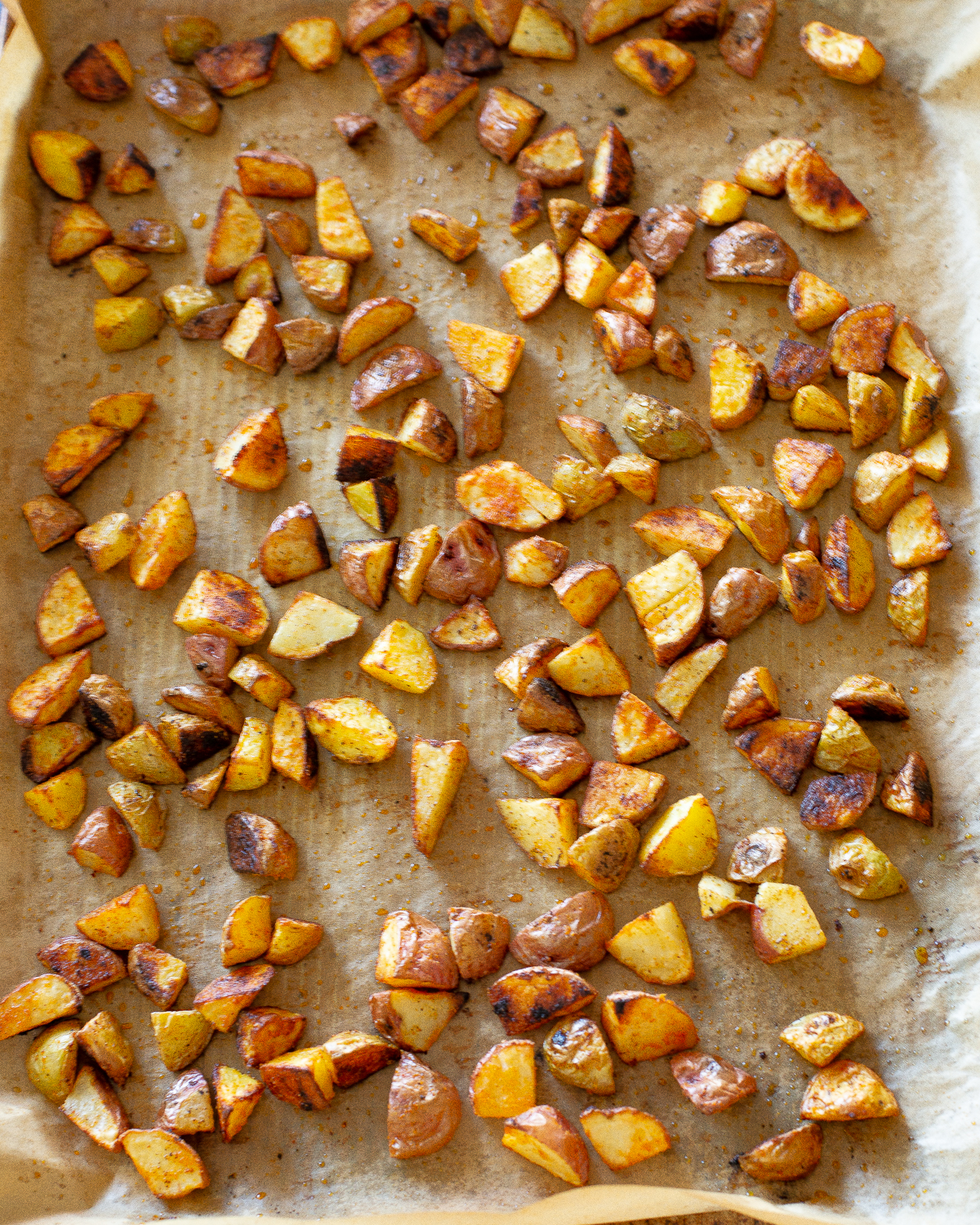
A critical factor in the success of this recipe is the avoidance of "pan crowding." When potatoes are placed too close together, the moisture escaping from each piece creates a localized steam envelope. This steam prevents the temperature from rising above 212°F (the boiling point of water), effectively boiling or steaming the potatoes rather than roasting them. To achieve the Maillard reaction—which requires temperatures above 285°F—each potato chunk must have sufficient space for air to circulate and for steam to dissipate.
The use of parchment paper is another technical recommendation that serves two purposes. First, it prevents the gelatinized starches from bonding with the metal of the baking sheet, ensuring the "golden crust" remains on the potato rather than the pan. Second, it provides a slight insulating layer that prevents the bottom of the potato from burning before the top has reached the appropriate level of dehydration.
Nutritional Analysis and Health Implications
In the context of modern dietary trends, the roasted potato is frequently positioned as a superior alternative to the deep-fried potato. A standard serving of roasted potatoes contains significantly less saturated fat than its fried counterparts while retaining higher levels of Vitamin C and Potassium, which can be degraded by the high-intensity heat of a deep fryer.
According to USDA nutritional data, a 100g serving of roasted potatoes provides approximately:
- Calories: 90-110 (depending on oil usage)
- Potassium: 400-500mg
- Vitamin C: 15-20% of the Daily Value
- Fiber: 2.2g (if skins are retained)
Furthermore, the process of roasting and then cooling potatoes (as mentioned in meal-prep scenarios) increases the content of Type 3 Resistant Starch. This form of starch acts more like fiber in the digestive system, providing prebiotic benefits and potentially improving insulin sensitivity.
Industry Perspectives and Expert Recommendations
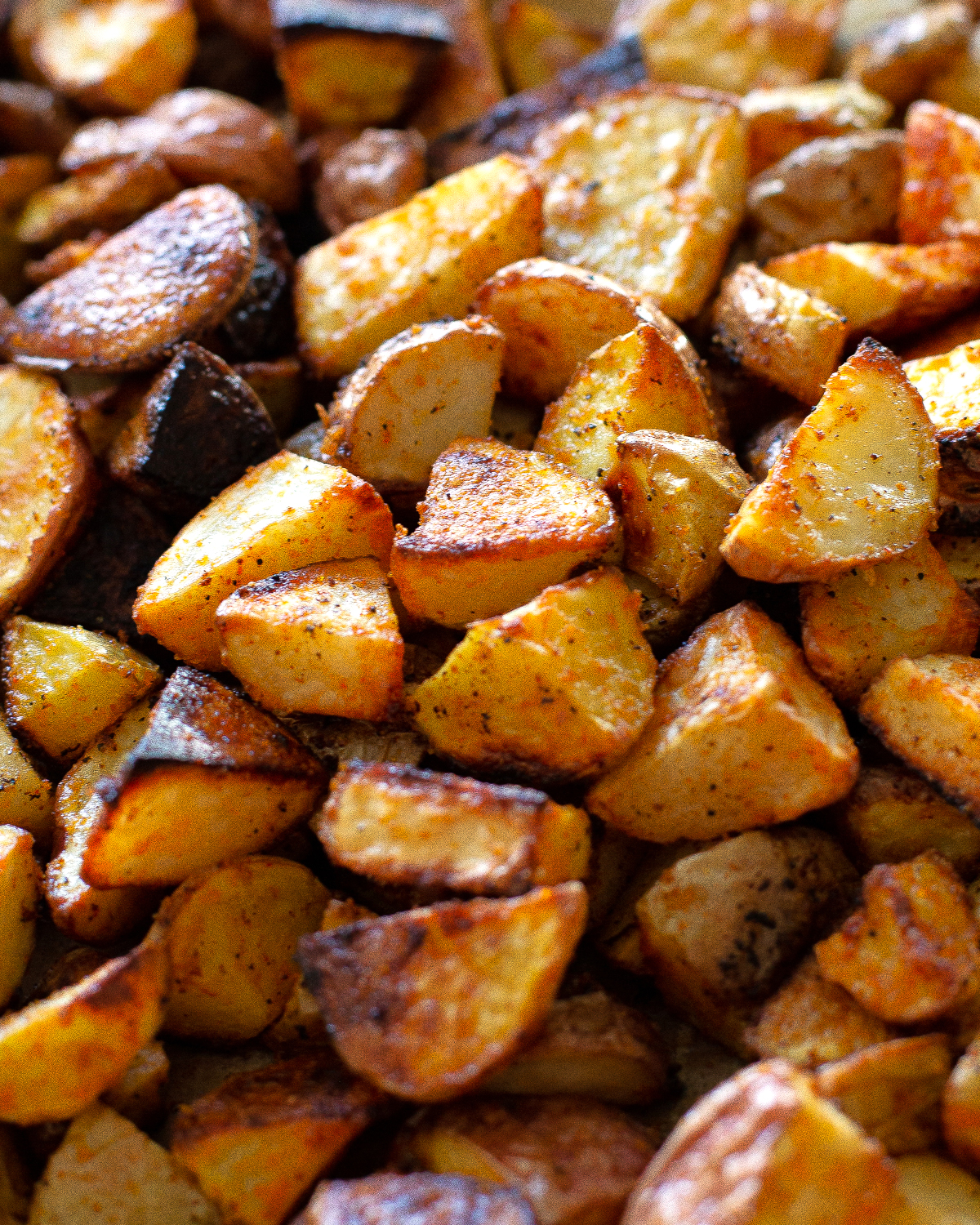
Professional chefs and culinary influencers, such as Christy Denney, emphasize that the simplicity of the roasted potato is deceptive. Denney notes that the "little tiny ends" that break off and become ultra-crispy are often the most coveted part of the dish, echoing the textural appeal of "fry bits" found in commercial fast-food settings. This observation underscores a universal culinary truth: texture is as vital as flavor.
In response to the popularity of roasted vegetables, home appliance manufacturers have seen a surge in "Air Fryer" sales, which are essentially compact convection ovens designed to optimize the roasting process. However, traditionalists argue that a heavy-gauge rimmed baking sheet in a standard oven still provides the best surface area for large-batch roasting, particularly when catering to families.
Implications for the Modern Home Kitchen
The roasted potato is more than a side dish; it is a versatile "dinner staple" that reflects broader shifts in home cooking. As consumers move away from processed, pre-packaged sides, the mastery of basic vegetable roasting techniques becomes essential. The ability to prepare these potatoes ahead of time and reheat them without loss of texture makes them an ideal component of the "meal prepping" movement, which seeks to balance busy professional schedules with the desire for whole-food nutrition.
From an economic perspective, the potato remains one of the most cost-effective sources of nutrition globally. By applying high-level culinary techniques to low-cost ingredients, home cooks can elevate the standard of daily meals without significant financial investment. The transition from "soggy, undercooked chunks" to "golden, caramelized gems" is not a matter of expensive equipment, but of adhering to the principles of heat, space, and timing.
In conclusion, the perfect roasted potato is achieved through a combination of high-heat application, proper spacing to allow for steam evaporation, and the selection of medium-to-high starch tubers. By understanding the science of the roast, the home cook transforms a humble root vegetable into a sophisticated culinary experience that satisfies the universal craving for salt, fat, and crunch. As this recipe continues to be a favorite among families, its role as a reliable, nutritious, and delicious staple in the global repertoire is firmly secured.