The Ultimate Guide to the Triple Berry Crumble: Culinary Techniques and Market Trends

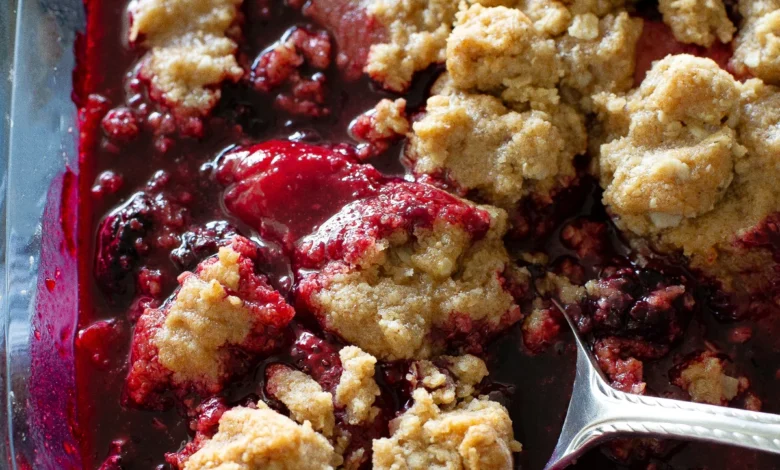
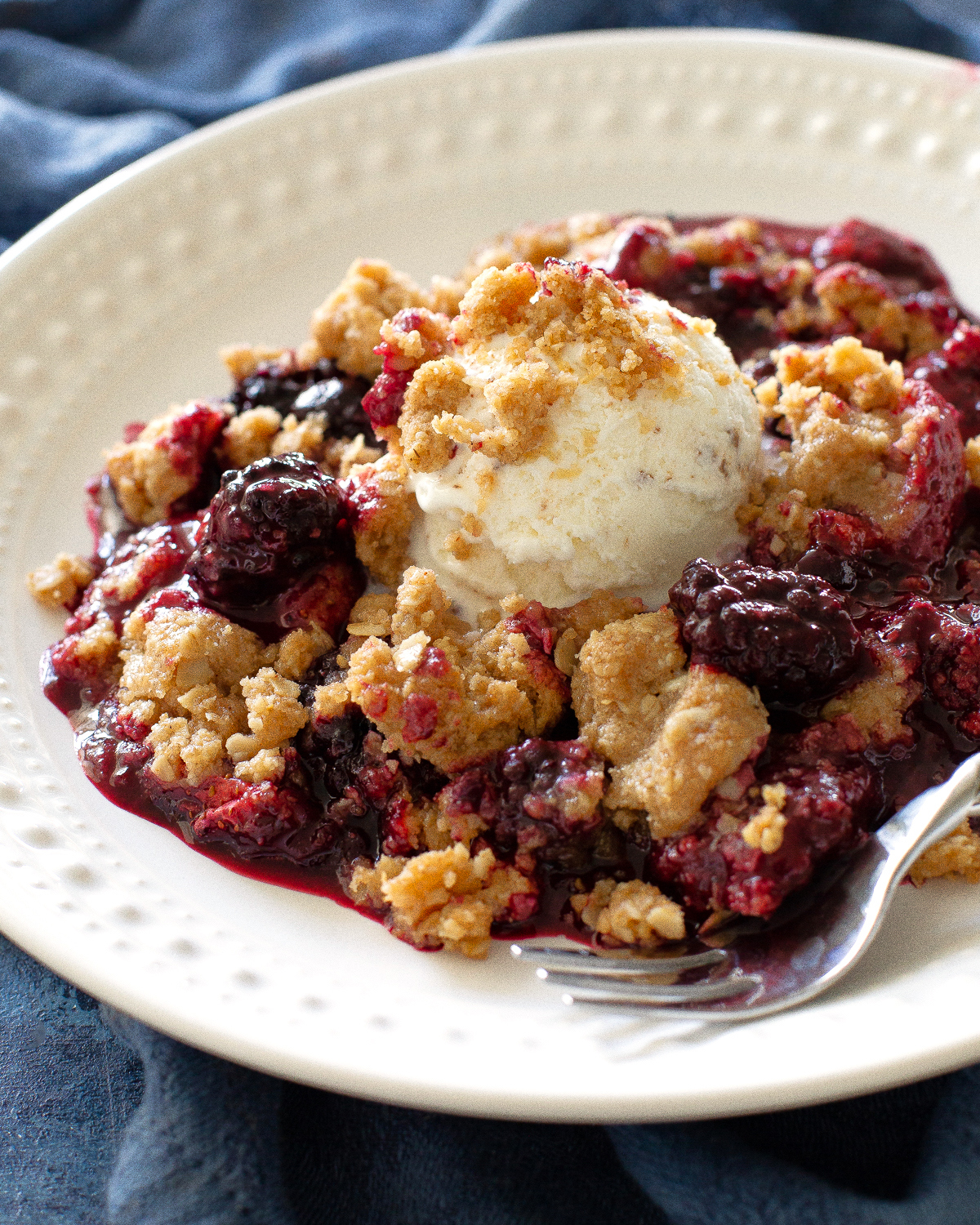
The culinary landscape of home baking has seen a significant resurgence in rustic, fruit-based desserts, with the Berry Crumble emerging as a primary focus for both amateur bakers and professional pastry consultants. Characterized by its signature brown sugar oat topping and a multi-layered fruit base, the Berry Crumble represents a intersection of traditional British dessert history and modern American convenience. This specific iteration of the dessert, popularized by culinary figures such as Christy Denney, emphasizes a "triple berry" profile—typically incorporating strawberries, blueberries, and blackberries—to create a balanced flavor profile that leverages the natural acidity and sweetness of seasonal or flash-frozen produce.
The Anatomy of the Modern Berry Crumble
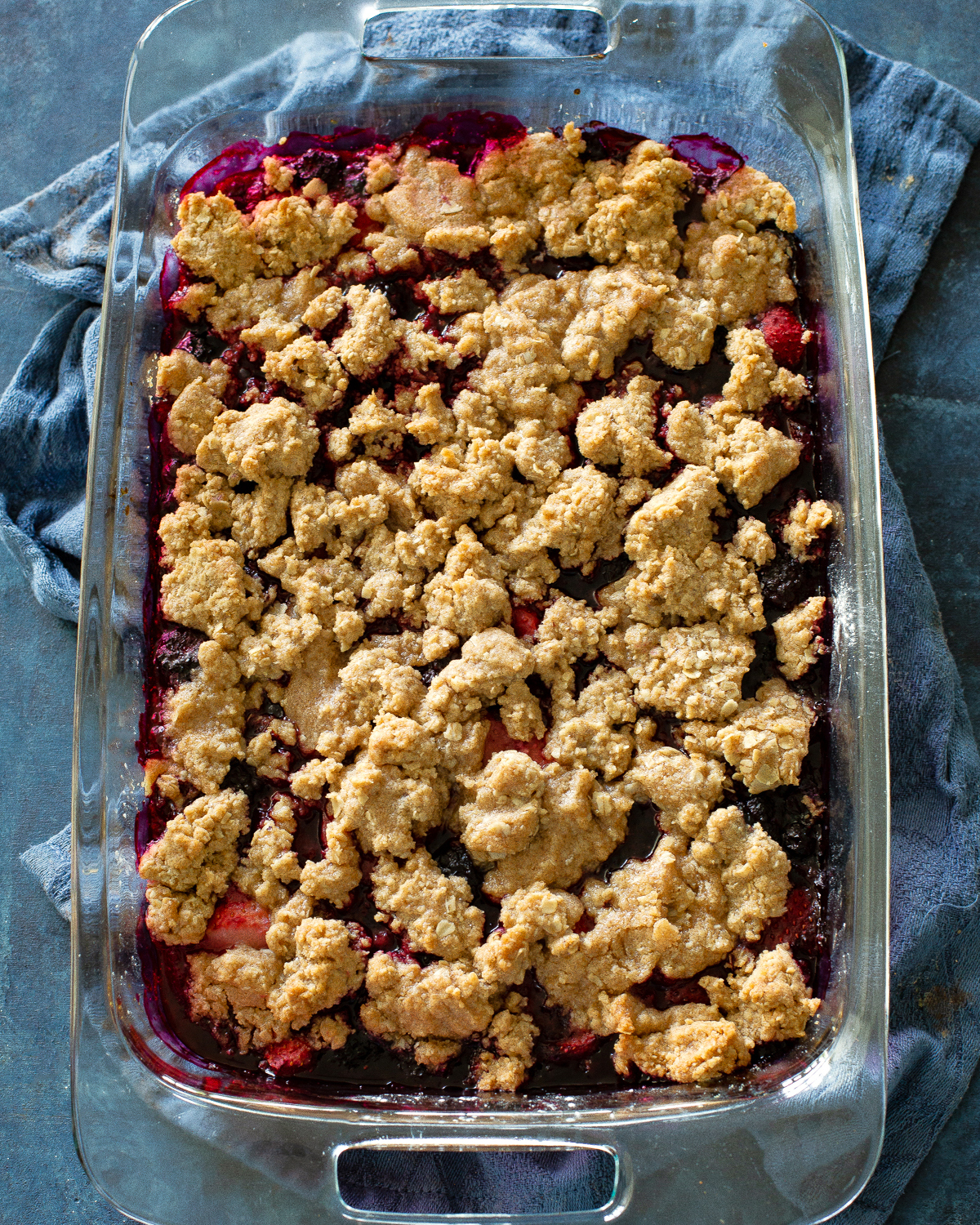
At its core, a crumble is defined by its texture and the specific composition of its topping. Unlike a traditional pie, which requires a structured pastry crust, or a cobbler, which utilizes a biscuit-style or cake-like batter, the crumble relies on a streusel-like mixture. This mixture typically consists of oats, brown sugar, flour, and a fat source, usually butter. The inclusion of oats is a critical distinction; while "crisps" and "crumbles" are often used interchangeably in modern American English, historical culinary definitions often reserved the term "crumble" for mixtures without oats and "crisp" for those including them. However, contemporary standards have largely merged these definitions, with the oat-based "crumble" becoming the preferred terminology for its superior textural contrast.
The topping’s primary function is twofold: to provide a crunchy juxtaposition to the softened fruit beneath and to act as a thermal insulator during the baking process. As the butter melts and the brown sugar caramelizes, it creates a golden-brown shell that traps the steam released by the berries. This steam is essential for breaking down the fruit’s cellular structure, releasing natural pectins that thicken the resulting juices into a jam-like consistency.
Historical Context and Evolution
The history of the crumble is deeply rooted in necessity and economic shifts. The dish rose to prominence in the United Kingdom during World War II. During this period, strict rationing of flour, butter, and sugar made traditional double-crust pies difficult to produce. The crumble offered a resourceful alternative, requiring significantly less fat and flour to create a satisfying topping. What began as a wartime substitution eventually became a staple of British comfort food, eventually migrating to North American kitchens where it was adapted to include local harvests.
In the 21st century, the crumble has undergone a digital transformation. The rise of food blogging and social media platforms has shifted the focus toward "accessible" and "fail-proof" recipes. The Triple Berry Crumble, in particular, has gained traction due to its visual appeal—the deep purples and reds of the berries provide a stark contrast to the golden oats—and its adaptability to various dietary needs, including gluten-free and vegan modifications.
Technical Analysis: Fresh vs. Frozen Produce
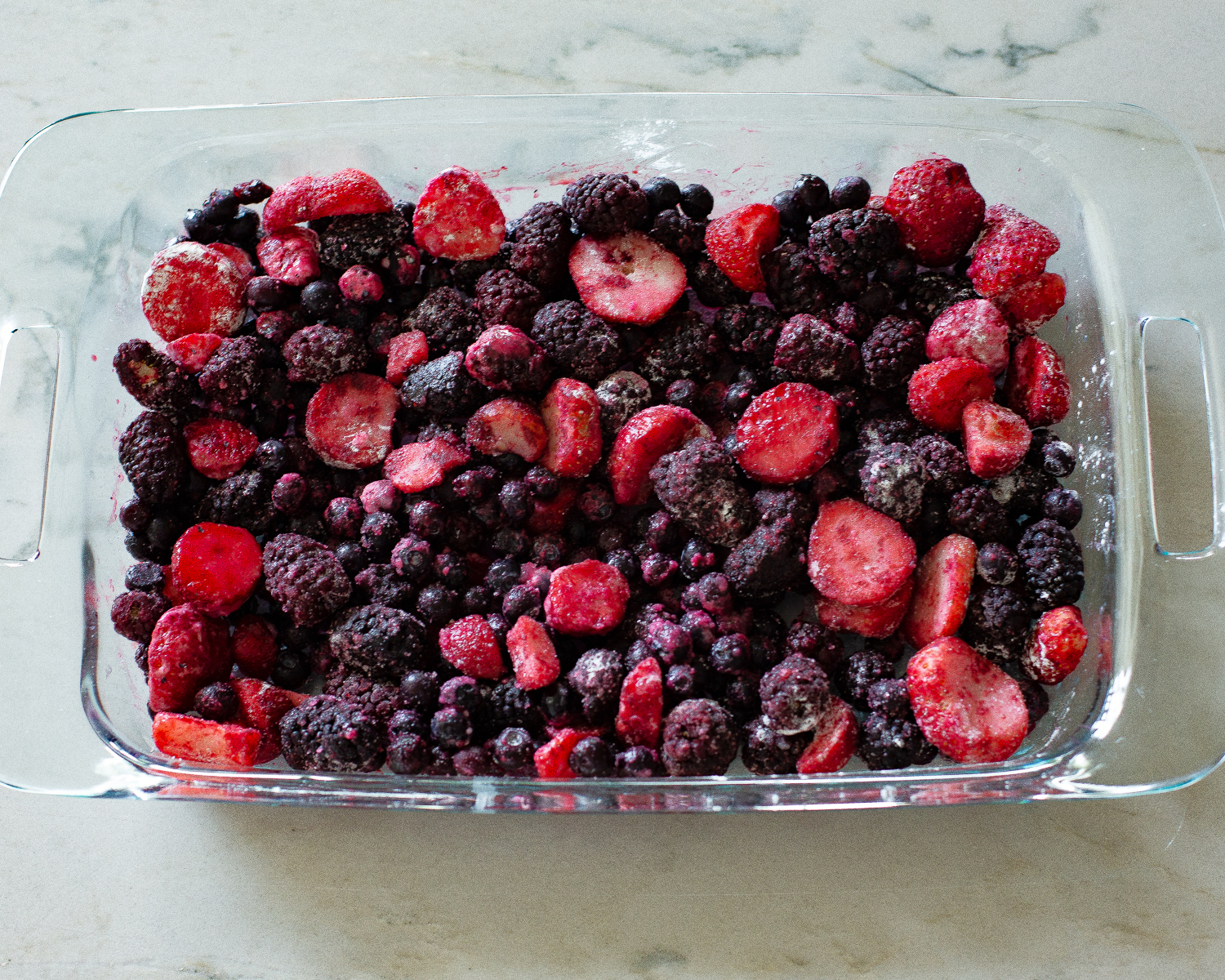
One of the most debated aspects of berry-based desserts is the state of the fruit used. Data from the frozen food industry suggests that the consumption of frozen berries has increased by over 15% in the last decade, driven by improvements in Individual Quick Freezing (IQF) technology. IQF allows berries to be frozen at the peak of their ripeness, often within hours of being harvested. This process preserves the nutritional integrity of the fruit, specifically its antioxidant content, which can degrade in fresh fruit during long-distance transport.
From a culinary standpoint, frozen berries offer a distinct advantage in a crumble: they release their juices more slowly and consistently than fresh berries. However, as noted in recent culinary guidelines, the use of frozen berries necessitates a longer baking time to ensure the center of the dish reaches the appropriate temperature for the thickening agents (such as cornstarch or flour) to activate. Conversely, fresh berries, while offering a more vibrant texture, require a shorter duration in the oven—approximately 35 minutes—to prevent the fruit from becoming overly mushy or "weeping" excessive liquid.
Market Data and Nutritional Impact
The berry industry is a multi-billion dollar sector of the global agricultural market. According to recent agricultural census data, blueberries and strawberries remain the top-performing categories in the berry segment. The "Triple Berry" combination is not merely a culinary choice but a strategic one that maximizes the diverse nutritional profiles of the ingredients:
- Blueberries: Rich in anthocyanins, which are linked to improved cardiovascular health and cognitive function.
- Strawberries: A significant source of Vitamin C and manganese, essential for immune support and metabolic health.
- Blackberries: High in dietary fiber and Vitamin K, contributing to digestive health and bone density.
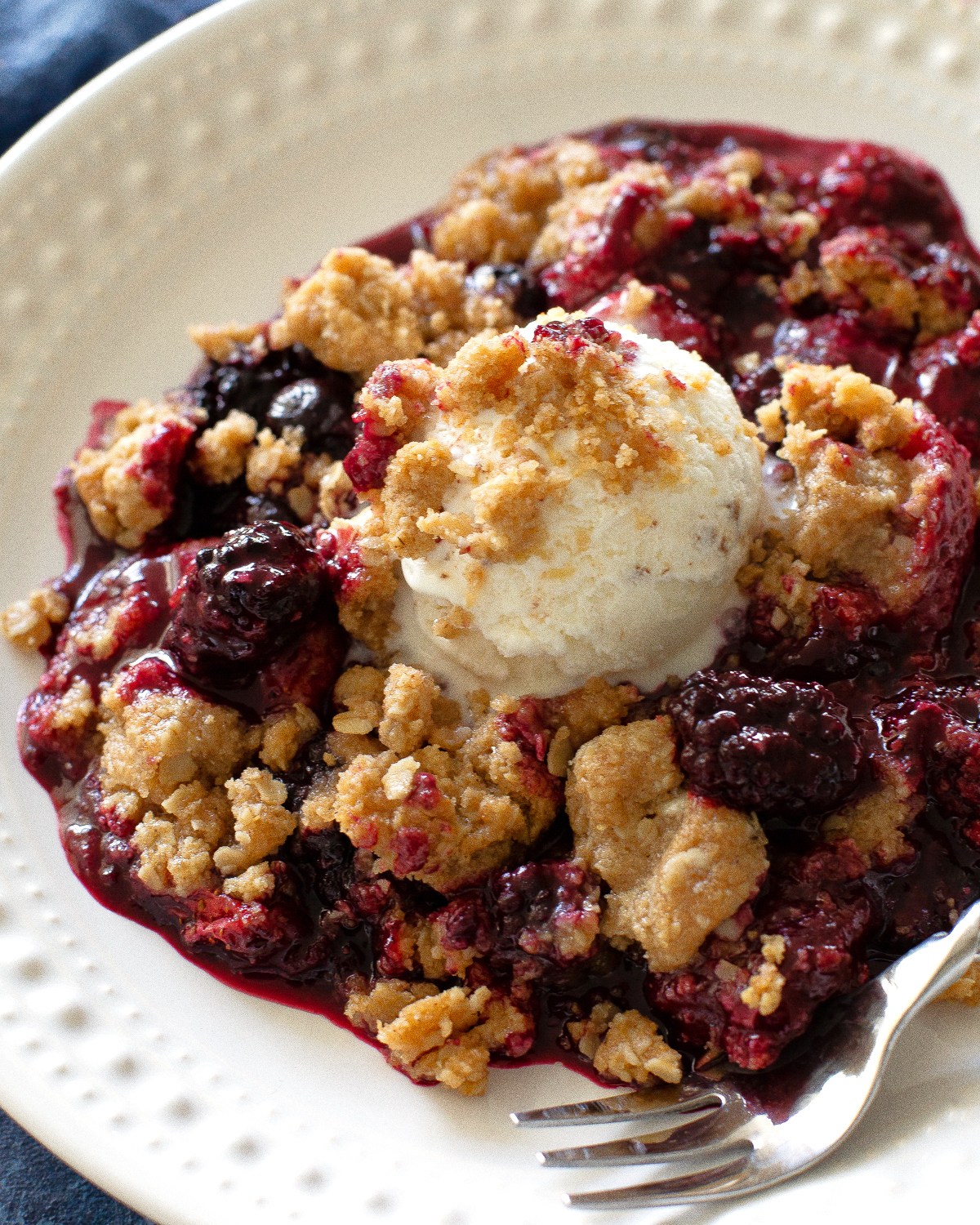
The inclusion of whole-grain oats in the topping adds a layer of complex carbohydrates and beta-glucan, a type of soluble fiber known to help regulate cholesterol levels. When served with a dairy component, such as vanilla ice cream or Greek yogurt, the dish achieves a balance of macronutrients, though it remains categorized as a high-sugar dessert.
The Role of Digital Media in Culinary Trends
The dissemination of the Triple Berry Crumble recipe through platforms like "The Girl Who Ate Everything" illustrates the power of digital authority in the modern kitchen. Christy Denney, the creator behind the brand, has built a platform centered on "approachable" home cooking. This movement responds to a consumer demand for recipes that minimize "kitchen friction"—the time and effort required to produce a high-quality result.
The "easy" nature of the crumble is its primary selling point in a fast-paced digital economy. By removing the technical barrier of pastry making, the recipe encourages a wider demographic of consumers to engage in home baking. This has broader implications for the "cottagecore" and "slow living" movements, which advocate for a return to domestic skills as a form of stress relief and creative expression.
Expert Perspectives and Culinary Reactions
Professional pastry chefs often point to the "Maillard reaction" as the secret to a successful crumble topping. This chemical reaction between amino acids and reducing sugars gives the baked oats their distinctive brown color and nutty flavor. Experts recommend using cold, cubed butter rather than melted butter to ensure a "rubbly" texture. If the butter is too warm, the topping becomes a homogenous paste; if it is cold, it creates small pockets of steam that result in a light, crisp finish.
Nutritionists, while acknowledging the caloric density of the dessert, often highlight the "health halo" of berry-based sweets. Compared to processed snack cakes or heavy chocolate tortes, a fruit crumble provides a significant dose of phytonutrients. The consensus among dietary experts is that the crumble represents a "better-for-you" indulgence, provided the sugar content is managed.
Broader Implications and Future Outlook
The popularity of the Triple Berry Crumble is indicative of a larger trend toward "seasonal flexibility." As supply chains become more sophisticated, the distinction between seasonal and non-seasonal baking is blurring. The ability to produce a "summer" dessert in the middle of winter using frozen berries has changed the way consumers plan their menus.
Looking forward, the evolution of the crumble is likely to include more ancient grains—such as quinoa flakes or buckwheat—in the topping to appeal to the growing gluten-free market. Additionally, there is an increasing interest in "savory crumbles," using tomatoes or stone fruits paired with herbs and parmesan, though the sweet berry variant remains the industry standard for comfort.
In conclusion, the Triple Berry Crumble is more than a simple dessert; it is a cultural artifact that reflects economic history, agricultural advancements, and the shifting dynamics of digital media. Its success lies in its simplicity, its nutritional density relative to other desserts, and its ability to provide a consistent sensory experience regardless of the baker’s skill level. As home baking continues to serve as a primary hobby for millions, the crumble will likely remain a cornerstone of the domestic kitchen, bridging the gap between convenience and gourmet quality.