The Ultimate Homemade Italian Dressing: A Tangy, Herby Revolution for Your Salads and Beyond

In a culinary landscape often dominated by convenience, the humble Italian dressing has become a pantry staple, synonymous with quick salads and weeknight meals. However, a closer examination reveals that many store-bought varieties fall short of delivering the vibrant, authentic flavors that truly define this beloved condiment. This article delves into a meticulously crafted homemade Italian dressing recipe that not only surpasses its mass-produced counterparts in taste and quality but also serves as a versatile ingredient for a myriad of dishes, offering a delightful journey through its origins and applications.
The Genesis of an American Classic
While its name evokes the sun-drenched landscapes of Italy, the Italian dressing as we know it today is, in fact, an American invention, born from the ingenuity of Italian-American immigrants. The mid-20th century marked a pivotal era for the popularization of this dressing, with two women, Florence Hanna and Lena Sollomi, playing significant roles. In the 1940s, Florence Hanna, whose family hailed from Italy, served a beloved oil-and-vinegar dressing at her husband’s steakhouse in Massachusetts. Its popularity surged, leading to the eventual bottling and sale of the dressing under the brand name Ken’s Salad Dressing. Simultaneously, in Kansas City, Lena Sollomi’s Sicilian family recipe laid the foundation for what would become the Wish-Bone brand, another titan in the salad dressing market. These pioneering efforts cemented Italian dressing as a cornerstone of American cuisine, transforming it from a simple vinaigrette into a distinctly flavored condiment.
Beyond the Salad Bowl: Unlocking the Versatility of Homemade Italian Dressing
The appeal of Italian dressing extends far beyond simply tossing it with lettuce. Its tangy, herby, and garlicky profile makes it an indispensable component in numerous culinary applications. It’s the perfect accompaniment to classic dishes like eggplant parmesan, providing a bright counterpoint to the rich, savory flavors. For those who appreciate a heartier meal, it offers a delightful gloss to thick Sicilian pizza.
Furthermore, this versatile dressing acts as a potent flavor enhancer for marinades. A few hours of marination in a robust Italian dressing can imbue grilled chicken breasts with an incredible depth of flavor and tenderness. Its zesty notes also cut through the richness of creamy pasta salads, adding a much-needed layer of complexity and brightness. The ability to customize the ingredients in a homemade version allows for precise control over the flavor profile, catering to individual preferences and culinary needs.
The Pitfalls of Bottled Dressing
Despite its widespread availability, the author of this recipe expresses a common sentiment of dissatisfaction with many commercially produced Italian dressings. These bottled versions often rely on low-quality oils, artificial thickeners that result in an unappealing, gloopy texture, and a cocktail of preservatives to extend shelf life. Additionally, many store-bought options tend to be overly sweet, masking the desirable tang and savory undertones that characterize a truly exceptional Italian dressing. This reliance on artificial additives and unbalanced flavor profiles often leads consumers to seek out more wholesome and flavorful alternatives.
The Art of Perfection: Crafting the Ideal Homemade Recipe
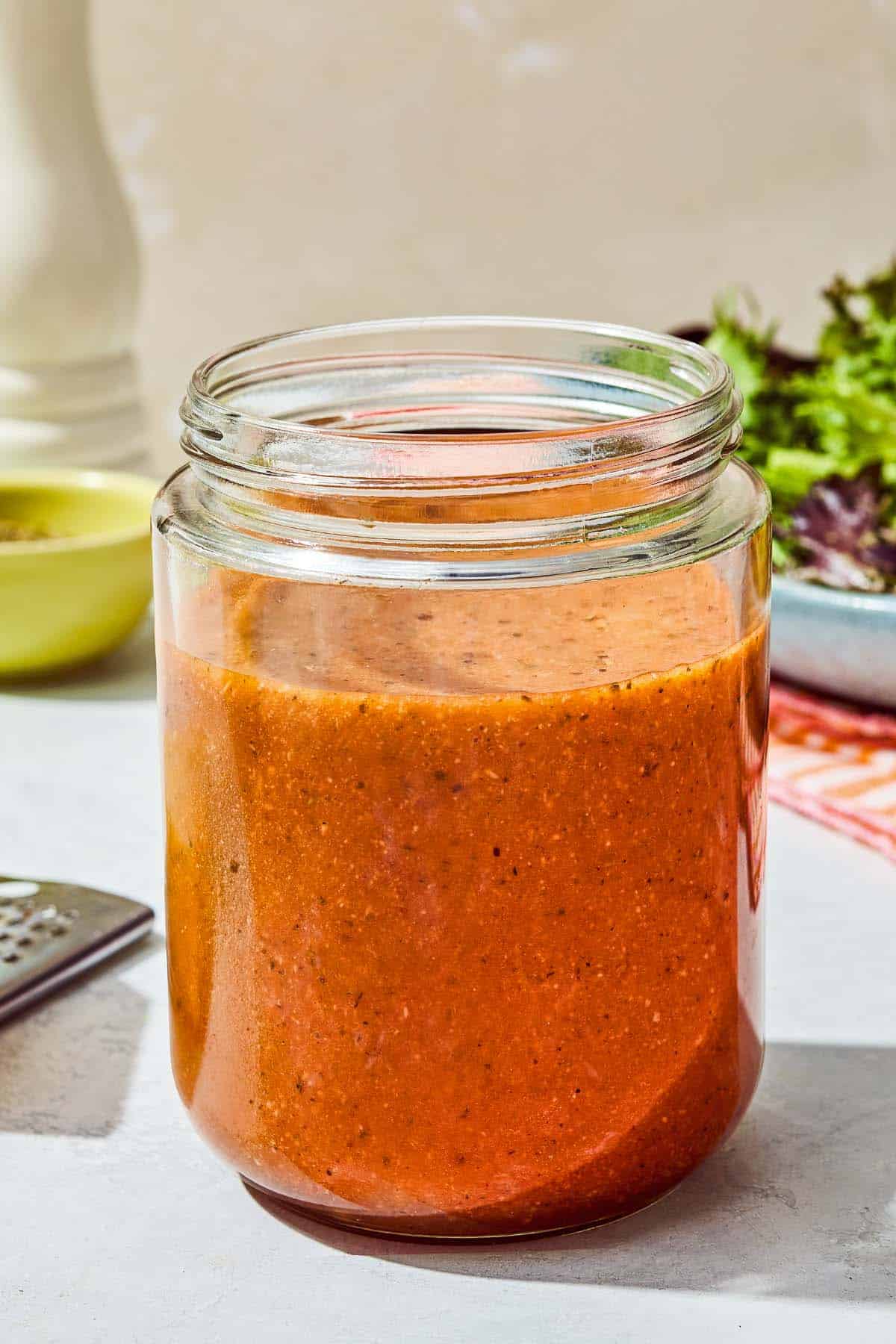
The creation of this superior homemade Italian dressing involved meticulous recipe development, with multiple iterations to achieve the perfect balance of vinegar and olive oil. The key to its exceptional flavor lies in a carefully selected ensemble of ingredients. Tomato paste, a seemingly unconventional addition, plays a crucial role. Its natural glutamates contribute a rich, savory depth, while also imparting a visually appealing orange hue to the dressing. Grated Parmesan cheese further enhances this umami richness, creating a dressing that is both complex and satisfying.
This dedication to quality ingredients and precise ratios results in a homemade Italian dressing that is not only superior in taste but also more economical and significantly quicker to prepare than its store-bought counterparts. The process itself is remarkably simple, requiring little more than a jar and a good shake.
Key Ingredients for an Authentic Flavor Profile
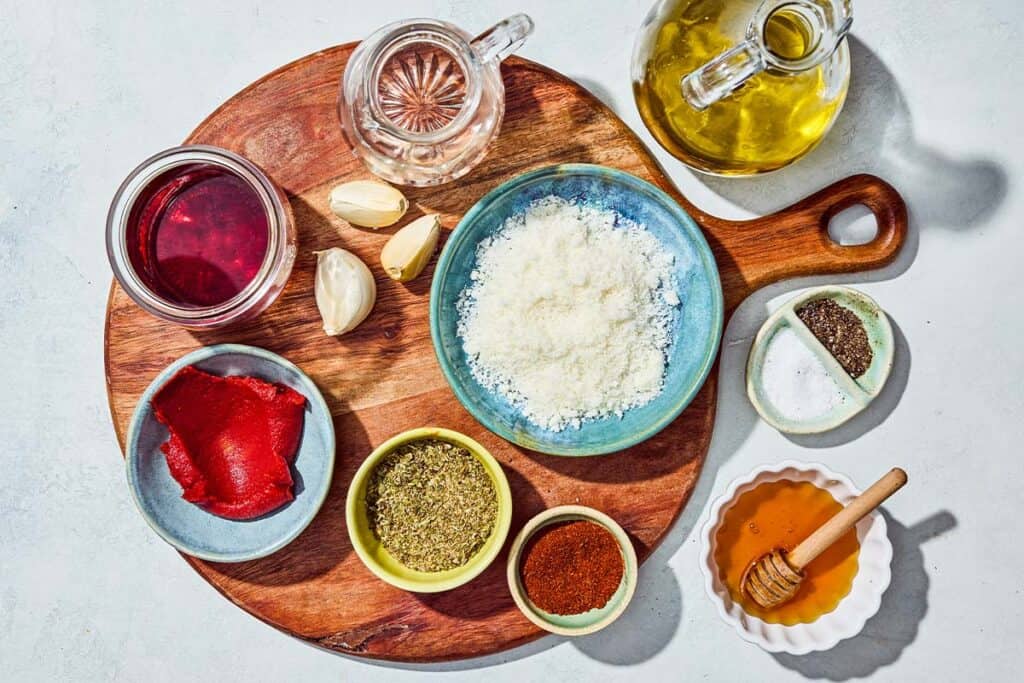
The foundation of this exceptional Italian dressing rests on a harmonious blend of high-quality components:
- Extra Virgin Olive Oil: The backbone of any classic vinaigrette, extra virgin olive oil provides a smooth, rich base with its characteristic fruity notes.
- Red Wine Vinegar: This provides the essential tang and acidity, balancing the richness of the olive oil and offering a bright, wine-like complexity.
- Distilled Vinegar: A touch of distilled vinegar can add an extra layer of sharpness and a cleaner acidic profile, complementing the red wine vinegar.
- Tomato Paste: This secret ingredient introduces a depth of savory flavor through its natural glutamates and lends a beautiful subtle color to the dressing.
- Grated Parmesan Cheese: For an added layer of umami and a hint of salty nuttiness, finely grated Parmesan cheese is incorporated.
- Dried Oregano: A quintessential herb in Italian cuisine, dried oregano provides its characteristic aromatic and slightly peppery notes.
- Dried Basil: Sweet and slightly minty, dried basil adds another layer of herbaceous fragrance that is indispensable to Italian flavors.
- Garlic Powder: A convenient way to introduce the pungent aroma and taste of garlic without the harshness of raw garlic.
- Onion Powder: Complements the garlic and adds a subtle savory depth without the moisture of fresh onions.
- Dried Parsley: Adds a touch of freshness and a mild, slightly peppery flavor.
- Paprika: A pinch of paprika can add a subtle sweetness and a touch of color.
- Honey: A small amount of honey or other sweetener balances the acidity of the vinegars and rounds out the flavors.
- Salt and Black Pepper: Essential for enhancing all the other flavors and bringing the dressing into perfect harmony.
The Simple Alchemy: How to Make Homemade Italian Dressing
The beauty of this recipe lies in its simplicity. By combining all the ingredients in a jar with a tight-fitting lid, the process becomes a straightforward shaking exercise:
- Combine Ingredients: Add all the measured ingredients – olive oil, vinegars, tomato paste, Parmesan cheese, dried herbs, garlic powder, onion powder, paprika, honey, salt, and pepper – into a clean glass jar.
- Seal and Shake: Secure the lid tightly onto the jar.
- Emulsify: Vigorously shake the jar for at least 30 seconds, or until the ingredients are thoroughly combined and the dressing appears emulsified.
- Taste and Adjust: Open the jar and taste the dressing. Adjust seasoning with additional salt, pepper, or a touch more vinegar or honey to suit your preference.
- Chill and Serve: For optimal flavor development, allow the dressing to chill in the refrigerator for at least 30 minutes before serving. This allows the flavors to meld.
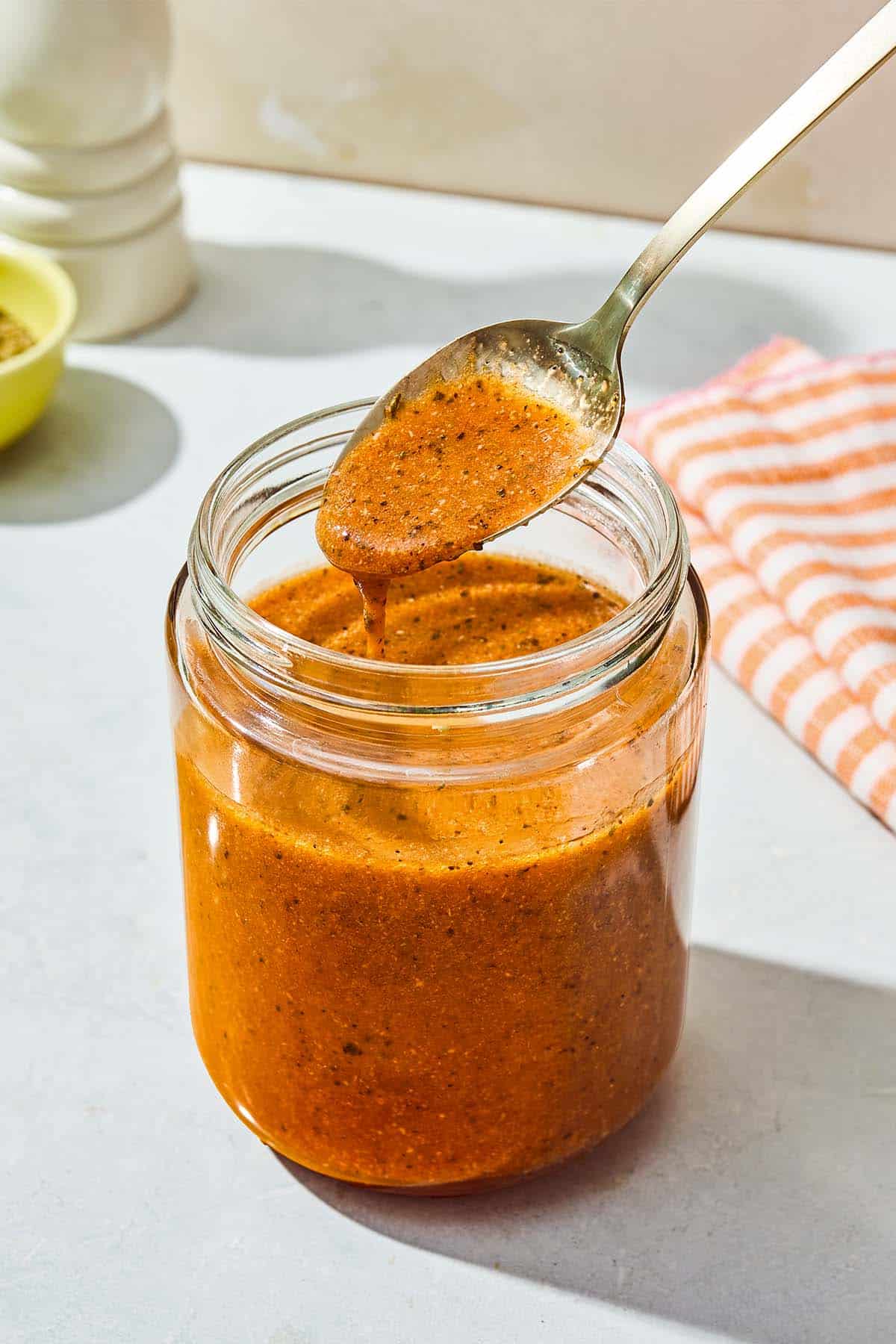
The resulting dressing will have a vibrant flavor profile, a pleasing texture, and a beautiful color, far superior to anything found on a supermarket shelf.
Elevating to Creamy Italian: A Richer Alternative
For those who crave the creamy, opaque texture often associated with certain popular Italian chain restaurant dressings, a delightful variation is achievable without resorting to artificial emulsifiers or raw egg yolks. This creamy iteration offers a luxurious mouthfeel while retaining the essential Italian flavors.
Two primary methods can achieve this desired creaminess:
- The Mayonnaise Method: Simply replace the tomato paste in the original recipe with two tablespoons of good quality mayonnaise. The emulsifiers and oil in the mayonnaise will naturally create a thicker, creamier consistency. This method is straightforward and yields a rich, satisfying dressing.
- The Secret Ingredient Method: A more nuanced approach involves incorporating a binder that contributes to creaminess without significantly altering the flavor profile. While the specific ingredient is not detailed in the provided text, the implication is that a carefully chosen pantry staple can achieve this effect, offering a safer and equally effective alternative to raw egg yolks, which can pose a risk of salmonella contamination. This method likely involves a subtle addition that binds the oil and vinegar without imparting a dominant flavor, resulting in a smooth, emulsified dressing.
Both these methods provide a delicious creamy Italian dressing that is both accessible and safe, perfect for those who prefer a richer, more decadent salad dressing.
Culinary Applications and Suggested Pairings
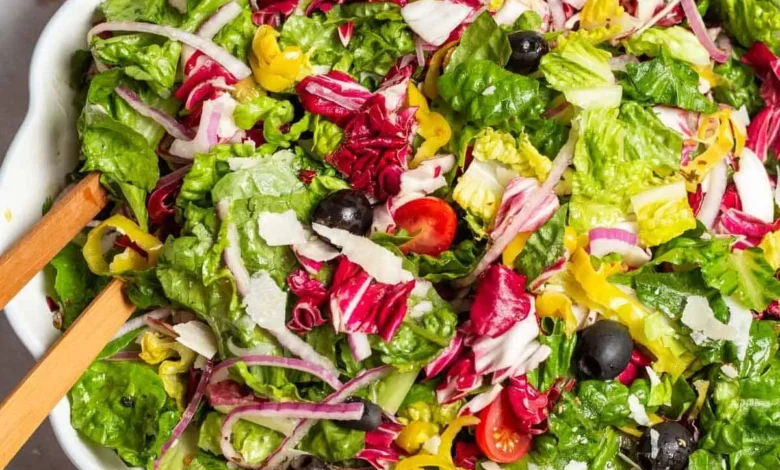
With a jar of this homemade Italian dressing ready to go, the culinary possibilities expand significantly. The author frequently uses it to dress a "Big Easy Italian Salad," a vibrant mix of romaine and radicchio, tossed with tomatoes, olives, and pepperoncini. This salad, with its crisp textures and zesty dressing, is a perfect light accompaniment to heartier Italian-American fare.
Beyond salads, consider these applications:
- Marinade for Proteins: Marinate chicken breasts, pork chops, or even firm tofu for grilling or baking. The acidity tenderizes the protein while the herbs and spices infuse it with flavor.
- Pasta Salad Base: Toss cooked pasta with chopped vegetables, cheese, and this Italian dressing for a flavorful pasta salad. It’s a refreshing alternative to mayonnaise-based dressings.
- Vegetable Roasting: Toss vegetables like broccoli, bell peppers, or zucchini with the dressing before roasting. It adds a savory, herbaceous crust.
- Dipping Sauce: Use it as a zesty dipping sauce for breadsticks, pizza crusts, or even as a spread for sandwiches.
The dressing’s versatility makes it an invaluable tool in the kitchen, capable of elevating simple ingredients into something truly special.
The Broader Impact: Homemade vs. Industrial
The trend towards homemade dressings reflects a growing consumer consciousness regarding food quality, ingredients, and cost. In an era where consumers are increasingly scrutinizing food labels, the ability to control the ingredients in their food is paramount. Homemade Italian dressing offers a tangible benefit in this regard, eliminating the need for artificial preservatives, thickeners, and excessive sugars often found in commercial products. Furthermore, the cost-effectiveness of preparing a large batch of dressing at home can lead to significant savings over time compared to purchasing pre-made bottles. This shift also fosters a greater appreciation for the culinary process and the satisfaction of creating delicious food from scratch.
The resurgence of interest in homemade condiments like Italian dressing signifies a broader movement towards more mindful eating and a desire for authentic, unadulterated flavors. As consumers become more informed and discerning, the appeal of simple, high-quality ingredients prepared with care will undoubtedly continue to grow, making recipes like this homemade Italian dressing a staple in kitchens for years to come.