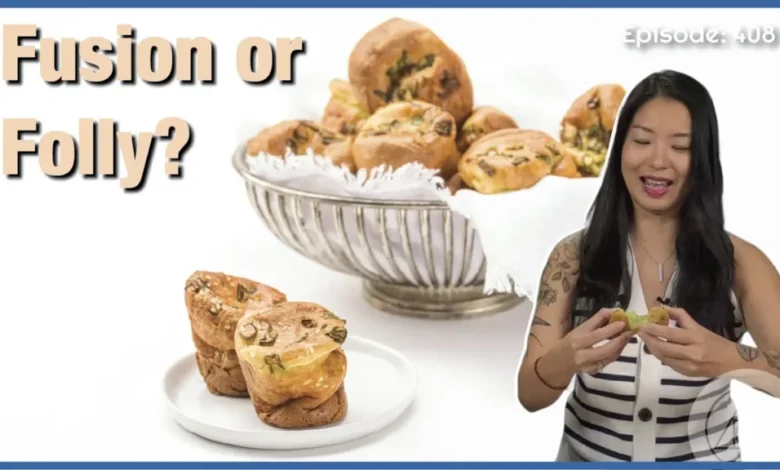
In a notable convergence of global culinary traditions, a novel creation dubbed "Scallion Popovers" has emerged, ingeniously blending the savory essence of the beloved Chinese scallion pancake with the distinctive airy texture and baking methodology of the British popover, a close relative of the Yorkshire pudding. This innovative dish, spotlighted in episode 408 of Modernist Pantry’s "We Transform Food" series, offers a compelling solution for enthusiasts seeking the crispy, aromatic satisfaction of a scallion pancake without the traditional gluten, extensive oil, or stovetop supervision typically associated with its preparation. Baked to a golden perfection, these popovers promise crisp edges and a soft, flavorful center, all achieved in the oven with zero flipping required, representing a significant "glow-up" for a classic appetizer and a testament to modern culinary innovation.
The Culinary Genesis: A Fusion of Flavors and Techniques
The Scallion Popover stands as a prime example of culinary fusion, strategically addressing common challenges associated with traditional preparations while introducing a novel textural experience. The core concept revolves around infusing a standard popover batter—typically composed of eggs, flour, and milk—with finely chopped scallions and other savory seasonings, then baking it at a high temperature in a popover or muffin tin. This method harnesses the steam generated during baking to create the characteristic hollow, puffed structure, diverging sharply from the dense, layered, and pan-fried texture of a conventional scallion pancake. The appeal is multifaceted: it offers a gluten-free alternative by utilizing gluten-free flour blends, significantly reduces the fat content by baking instead of pan-frying, and streamlines the cooking process, making it accessible to a wider range of home cooks, including those with dietary restrictions or limited time.
The Beloved Scallion Pancake: A Culinary Staple with Deep Roots
To fully appreciate the innovation of the Scallion Popover, it is essential to understand the culinary heritage it draws from. The cong you bing, or scallion pancake, is a quintessential dish in Chinese cuisine, particularly prevalent in Northern China where wheat is a staple crop. Its history dates back centuries, evolving from simple unleavened flatbreads to the flaky, savory delicacy recognized today. Traditionally, the scallion pancake is made from a dough of flour and water, often enriched with oil. The distinctive texture—crispy on the outside, chewy and flaky within—is achieved through a meticulous layering and rolling process. The dough is rolled thin, brushed with oil (often infused with five-spice powder), sprinkled generously with chopped green onions, then rolled up, coiled, and flattened before being pan-fried until golden brown and cooked through.
This intricate preparation, while yielding a deeply satisfying result, presents several challenges. The process is labor-intensive, requiring precise dough handling and multiple steps to achieve the desired flakiness. Furthermore, pan-frying necessitates a significant amount of oil, contributing to a higher fat content, and demands constant attention to prevent burning and ensure even cooking. For many contemporary cooks, particularly those navigating health-conscious trends or busy schedules, these aspects can be deterrents. The omnipresence of scallion pancakes in dim sum restaurants, street food stalls, and home kitchens across Asia and increasingly worldwide underscores its cultural significance, making any successful reinterpretation a notable culinary event.
The Humble Popover: A British Baking Marvel
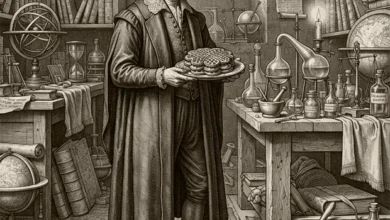
On the other side of this culinary equation lies the popover, a light, hollow roll made from an egg batter, closely related to the traditional British Yorkshire pudding. Yorkshire pudding itself has a history stretching back to at least the early 18th century, initially serving as a practical way to utilize the drippings from a roasting joint of meat. Its name is believed to have been coined in 1747 in Hannah Glasse’s "The Art of Cookery Made Easy," where it was referred to as "Dripping Pudding." The popover, while sharing the same fundamental batter, typically uses a dedicated popover pan with deep, narrow cups to encourage a dramatic rise, resulting in its characteristic tall, airy form.
The science behind the popover’s impressive rise is fascinating. A thin, wet batter, rich in eggs, is poured into a preheated, often greased, pan. The high oven temperature rapidly heats the batter, causing the water within it to convert to steam. This steam, trapped by the rapidly setting egg-and-flour matrix, expands vigorously, pushing the batter upwards and outwards, creating the signature "pop" and hollow interior. The rapid expansion and subsequent setting of the gluten (or gluten-free starch) and egg proteins create a crispy crust and a tender, moist interior. This technique, requiring minimal active involvement once the batter is in the oven, contrasts sharply with the hands-on nature of pan-frying.
The Innovation Explained: Bridging Culinary Worlds
The genius of the Scallion Popover lies in its elegant solution to the aforementioned challenges. By adopting the popover baking method, the creators effectively circumvent the need for extensive pan-frying, immediately reducing the oil content and eliminating the "stovetop babysitting." The batter can be easily adapted to be gluten-free, using a blend of alternative flours like rice flour, tapioca starch, and potato starch, which can mimic the structural properties of wheat flour while accommodating dietary needs. The popover’s inherent structure—crispy on the outside, airy and tender within—provides a delightful textural counterpoint to the traditional scallion pancake’s chewiness and flakiness. While not a direct replication of the original, it offers a distinct, equally satisfying experience that resonates with modern palates seeking lighter, more convenient, yet flavorful options.
The incorporation of scallions, garlic, and other savory notes into the popover batter ensures that the core aromatic profile of the cong you bing is retained. Some variations might also include a swirl of sesame oil or a touch of white pepper to enhance the authentic flavor. This cross-cultural culinary dialogue not only expands the repertoire of home cooks but also showcases the versatility of fundamental cooking techniques when applied across different food traditions. It’s a culinary bridge that connects the comfort food of one culture with the innovative baking methods of another, resulting in a dish that feels both familiar and excitingly new.
Modernist Pantry’s Vision: Transforming Food Experiences
The Scallion Popover, as featured in "We Transform Food," aligns perfectly with the overarching mission of Modernist Pantry. As a purveyor of "cool ingredients and gadgets," Modernist Pantry aims to empower chefs, both professional and amateur, to "transform food into more memorable experiences." The "We Transform Food" series specifically delves into culinary science, innovative techniques, and specialized ingredients that can elevate everyday cooking. Episode 408, with its focus on the Scallion Popover, exemplifies this philosophy by taking a classic dish, identifying its pain points, and then reimagining it through a modernist lens, emphasizing convenience, health, and novel texture.
The series often explores how scientific principles, such as understanding the role of steam in leavening or the properties of different flours, can be applied to create new culinary possibilities. By presenting a recipe that is "baked, golden, and gluten-free" and puffs up "with zero flipping required," Modernist Pantry demonstrates how seemingly complex transformations can be made accessible, encouraging experimentation and a deeper understanding of food science in the home kitchen. This approach not only educates but also inspires, fostering a community of innovative cooks eager to explore the boundaries of traditional cuisine.
Market Reception and Broader Implications
The introduction of dishes like the Scallion Popover taps into several significant market trends. Firstly, there is a burgeoning demand for gluten-free alternatives, driven by increasing awareness of celiac disease and gluten sensitivities, as well as a general perception of gluten-free options being healthier. Secondly, the desire for convenience in cooking remains paramount. Recipes that reduce active cooking time, minimize cleanup, or simplify complex techniques are highly sought after by busy consumers. Thirdly, the global culinary landscape is increasingly characterized by fusion and cross-cultural experimentation. Consumers are more open than ever to trying dishes that blend familiar flavors in unexpected ways.
The online food community, particularly platforms like YouTube, plays a crucial role in the dissemination and popularization of such innovations. "We Transform Food" leverages this medium to reach a broad audience, providing visual instructions and engaging content that encourages immediate replication. The "Save this. Share it. Try it." call to action embedded in the original article highlights the social, interactive nature of modern culinary trends.
From a broader perspective, the Scallion Popover signifies the ongoing evolution of comfort food. Traditional dishes, while cherished, are not static. They adapt to changing dietary needs, technological advancements in the kitchen, and evolving palates. This particular innovation could inspire other similar reinterpretations, encouraging chefs and home cooks to look at classic recipes with a fresh perspective, asking how they might be made healthier, easier, or simply different through the application of alternative techniques.
Expert Perspectives and Consumer Enthusiasm
While no explicit statements from external parties are provided in the source material, one can logically infer the reception of such a creation. Culinary experts and food critics would likely commend the ingenuity and creative spirit behind fusing two such distinct culinary traditions. They might highlight the successful adaptation of the popover’s structural mechanics to deliver a savory, aromatic experience reminiscent of the scallion pancake, praising the thoughtful consideration given to texture and flavor balance. The emphasis on gluten-free options would also be noted as a significant advantage in today’s diverse culinary landscape.
For home cooks, the enthusiasm would likely center on the practical benefits. The prospect of enjoying a beloved dish without the associated guilt of excessive oil or the frustration of a difficult frying process would be highly appealing. Social media channels and food blogs would likely see a surge in user-generated content, with individuals sharing their attempts and variations of the Scallion Popover, fostering a vibrant community around this novel recipe. The "crisp edges, soft center, all the scallion goodness" promise would resonate deeply with those seeking a convenient yet gourmet-like experience in their own kitchens.
In conclusion, the Scallion Popover represents more than just a recipe; it is a culinary statement. It underscores the boundless possibilities when traditional boundaries are respectfully challenged, and techniques from disparate cultures are brought together with a clear purpose. As documented by Modernist Pantry’s "We Transform Food" series, this inventive dish offers a healthier, more convenient, and equally delicious way to enjoy the essence of a scallion pancake, cementing its place as a significant, albeit playful, contribution to the ever-evolving world of gastronomy.