Achiote oil, known in Spanish as "aceite achiotado," stands as a foundational element in the rich tapestry of Colombian and broader Latin American culinary traditions. This vibrant, amber-hued infusion, derived from the seeds of the Bixa orellana plant, is far more than a mere coloring agent; it is a culinary cornerstone that imparts a distinctive visual appeal and subtle earthy notes to a vast array of dishes. From comforting stews and savory rice preparations to iconic street foods like empanadas and tamales, achiote oil is an indispensable ingredient that bridges generations of cooks and defines the authentic flavors of the region.
The Essence of Achiote: A Natural Colorant and Flavor Enhancer
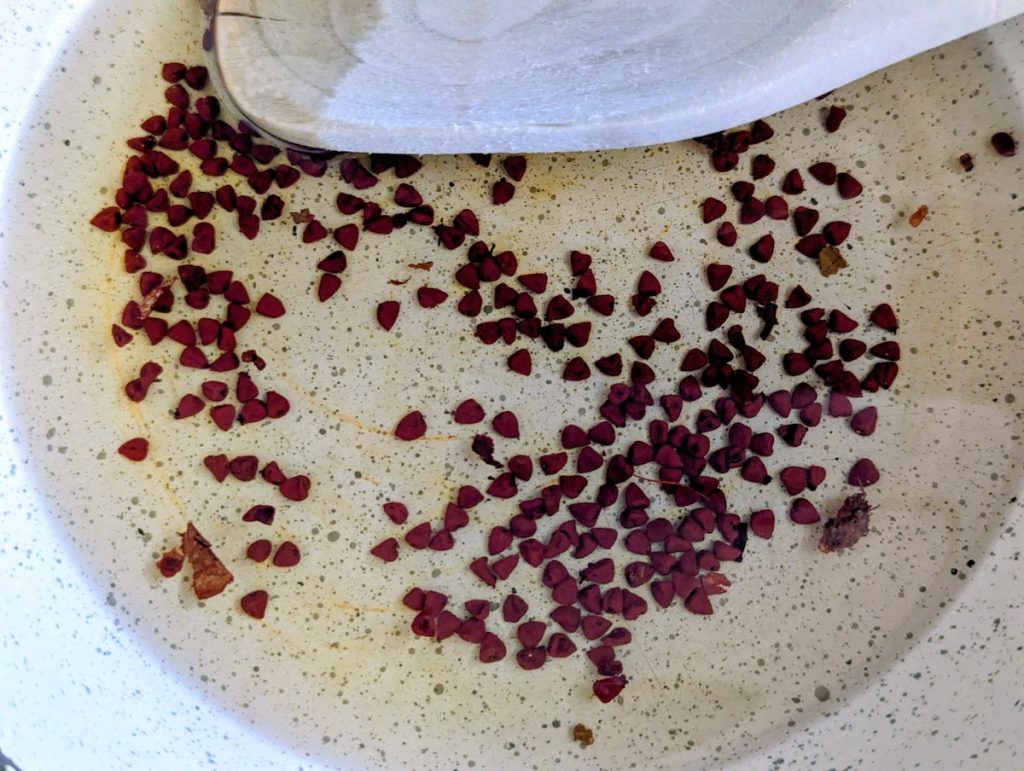
Achiote, also widely recognized as annatto, is a spice celebrated for its remarkable ability to impart a warm, yellowish-orange hue to food. Its coloring properties are so potent and naturally derived that it has historically served as a substitute for more expensive or less accessible colorants like saffron. The seeds themselves, small and reddish-brown, contain bixin and norbixin, carotenoid compounds responsible for the characteristic color. While the primary function is aesthetic, the seeds also contribute a mild, peppery, and slightly nutty undertone, adding a subtle depth to the overall flavor profile of dishes.
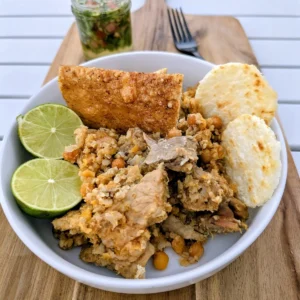
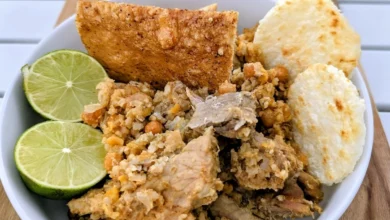
In Colombian cuisine, achiote oil is a non-negotiable starting point for many beloved recipes. Its presence is felt in the comforting warmth of tamales, the crisp delight of empanadas, the comforting aroma of arroz con pollo (chicken and rice), the hearty embrace of sopas (soups), and the slow-cooked richness of sudados (stews). The ubiquity of achiote oil underscores its cultural significance, acting as a visual and gustatory signature of Colombian home cooking. These seeds, or their ground form, are readily available in Latin American markets and increasingly found in specialty sections of international grocery stores across North America and beyond, reflecting the growing appreciation for authentic global flavors.
The Genesis of Aceite Achiotado: A Legacy of Flavor
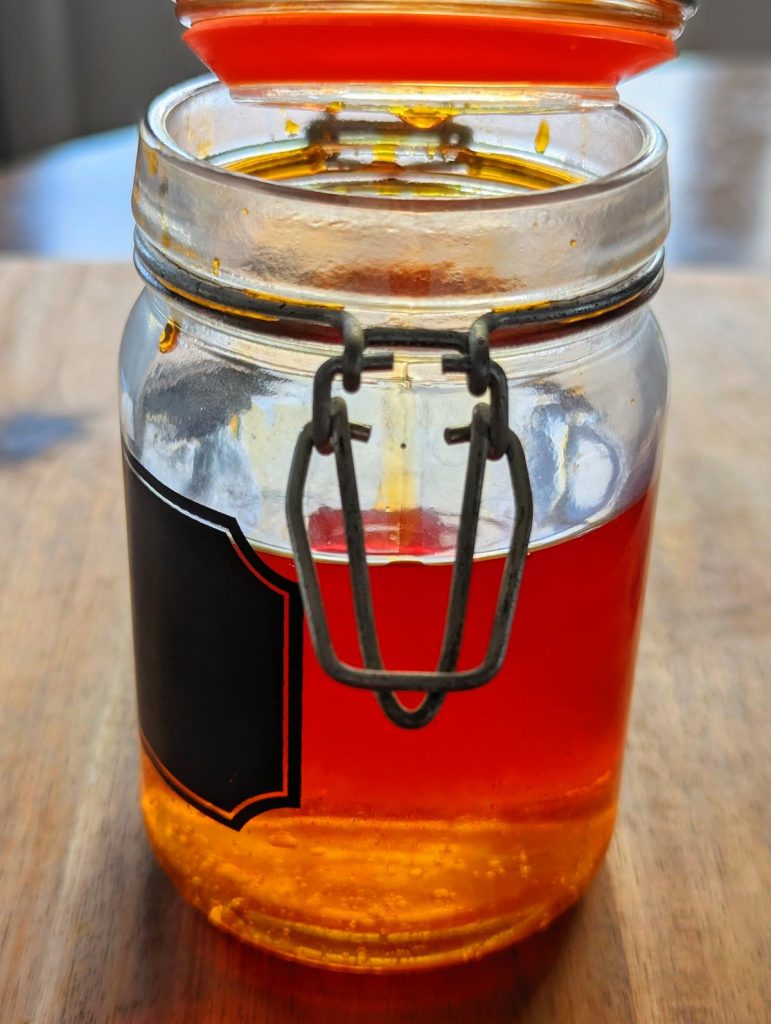
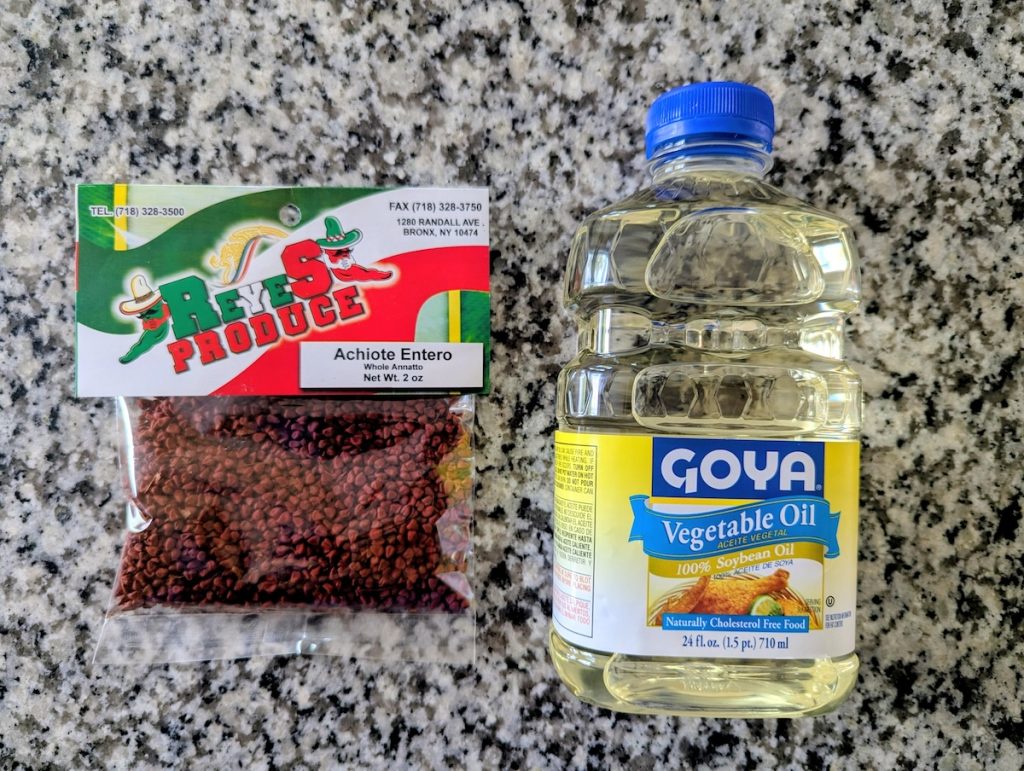
The creation of achiote oil is a testament to the ingenuity and resourcefulness of culinary traditions that prioritize fresh, natural ingredients. This particular achiote oil recipe, requiring just two primary components – a cooking oil and achiote seeds – is celebrated for its simplicity and speed of preparation. The choice of oil is flexible, with vegetable oil, canola oil, or olive oil all serving as effective mediums for extracting the vibrant color and subtle flavor from the annatto seeds.
The tradition of making achiote oil is often passed down through families, with each household potentially having its own nuanced approach or preferred oil. For many, like the grandmother of the recipe’s originator, a constant supply of this infused oil was a kitchen staple, the silent starter for countless traditional meals. This practice highlights a broader trend in food preparation: the embrace of homemade flavor bases that elevate everyday cooking. Storing achiote oil is as straightforward as storing any other cooking oil, typically in a sealed glass container in the pantry or refrigerator, ensuring its readiness for culinary endeavors.
The Art of Extraction: Crafting Achiote Oil
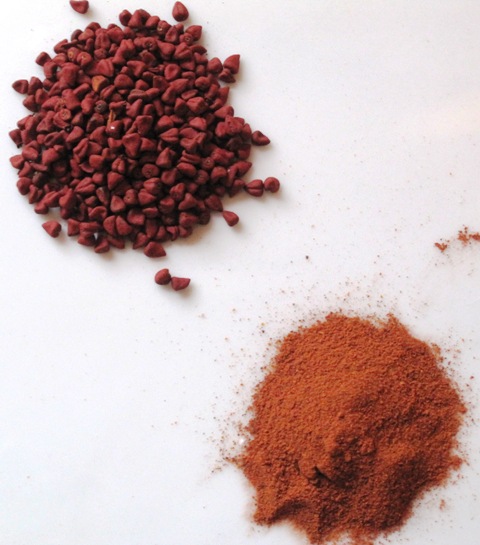
The process of making achiote oil is elegantly simple, a quick infusion that unlocks the vibrant essence of the annatto seed. The standard method involves gently heating approximately one cup of a neutral cooking oil, such as vegetable or olive oil, with about half a cup of achiote seeds. This infusion is typically carried out in a small skillet over medium heat for a brief period, usually between two to three minutes.
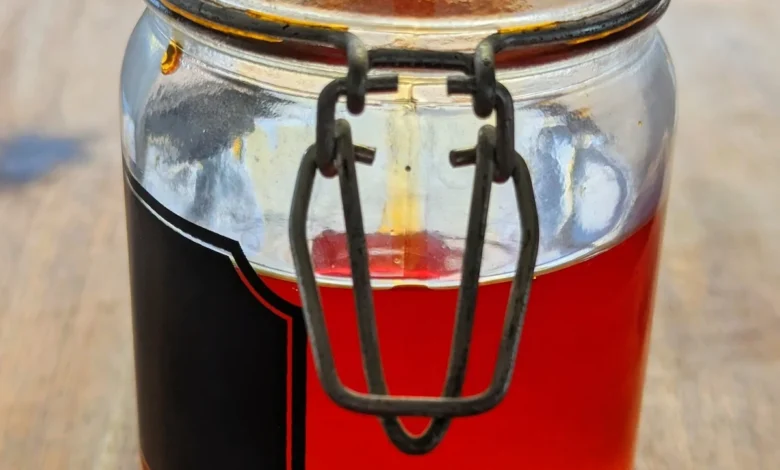
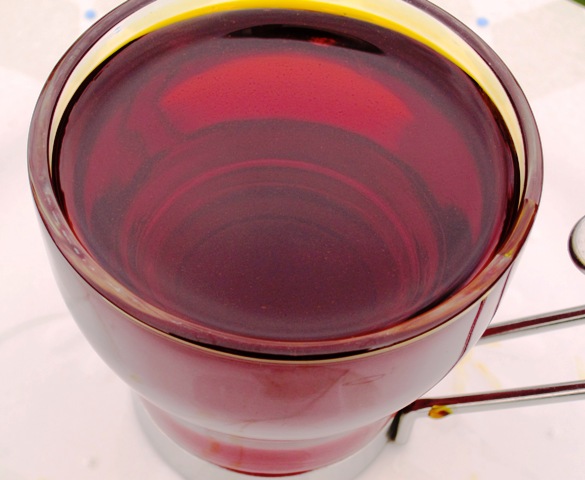
Crucially, the heat must be managed carefully to prevent the achiote seeds from burning, which would impart a bitter flavor and dark, undesirable color. The goal is to coax the pigment and flavor out of the seeds without overcooking them. As soon as the oil achieves a rich, amber hue, and the seeds begin to release their color, the skillet is removed from the heat. The mixture is then allowed to steep for an additional five minutes, enabling the oil to fully absorb the annatto’s characteristic color and subtle taste.
Following the infusion and steeping period, the oil is meticulously strained to remove the seeds, leaving behind a pure, richly colored achiote oil. This vibrant liquid is then ready to be bottled and stored. For optimal freshness and to preserve its vibrant color, it is recommended to store the oil in a clean glass jar with a tight-fitting lid. While it can be kept at room temperature for up to five days, refrigeration can extend its shelf life, ensuring a consistent supply of this culinary essential.
Data and Nutritional Insights:
While achiote oil is primarily valued for its color and flavor, understanding its nutritional profile provides further context. A typical serving of approximately two cups of achiote oil, as suggested by the recipe, contains a significant amount of calories, around 1927 kcal. This caloric density is largely due to the fat content, with a serving providing approximately 218 grams of fat. Breaking this down further, the saturated fat content is around 33 grams, while polyunsaturated fats contribute approximately 125 grams, and monounsaturated fats account for about 50 grams. The oil contains a minimal amount of trans fat (around 1 gram) and negligible iron content (0.04 mg). These figures highlight that achiote oil is a rich source of fats, predominantly unsaturated, and should be used judiciously within a balanced diet.
Broader Culinary Applications and Regional Significance:
The impact of achiote oil extends far beyond Colombian borders, playing a vital role in the cuisines of many Latin American and Caribbean nations. In Mexico, it is integral to dishes like cochinita pibil, a slow-roasted pork dish that derives its distinctive orange color and earthy flavor from annatto. In the Caribbean, it finds its way into rice dishes, marinades, and stews across islands like Puerto Rico, Cuba, and the Dominican Republic, often referred to as aceite de achiote or aceite onotado.
The versatility of achiote oil lies not only in its ability to color but also in its capacity to infuse a subtle, complex flavor. It is often used as a base for sofritos, the aromatic vegetable mixtures that form the foundation of countless savory dishes. The oil can also be used to quickly sauté vegetables, meats, and seafood, imparting its signature hue and a hint of its unique taste.
The Economics of Color: A Natural Alternative in the Food Industry
In the broader food industry, achiote extract, derived from annatto seeds, is widely utilized as a natural food coloring. Its appeal lies in its non-toxic nature and its ability to provide vibrant colors that consumers increasingly prefer over artificial alternatives. Data from market research firms indicates a growing demand for natural food colorants, driven by consumer awareness of health and wellness. Annatto is a key player in this market, used in a wide range of products including cheeses, butter, baked goods, snacks, and processed meats. The global annatto market is projected to continue its upward trajectory, underscoring the enduring appeal and economic significance of this natural coloring agent.
Conclusion: A Legacy of Flavor and Color
Achiote oil, or aceite achiotado, is more than just an ingredient; it is a culinary legacy. Its simple preparation belies its profound impact on the visual appeal and authentic flavor of countless dishes across Latin America. From the home kitchens of Colombia to the global food industry, the vibrant hue and subtle earthiness of annatto continue to captivate and nourish, ensuring its place as a cherished staple for generations to come. The enduring popularity of this natural coloring agent speaks to a broader culinary trend: a renewed appreciation for traditional techniques, natural ingredients, and the rich, diverse flavors that define regional cuisines.