The Enduring Versatility of Buttermilk: A Culinary Staple for Tender, Flavorful Baked Goods and Beyond

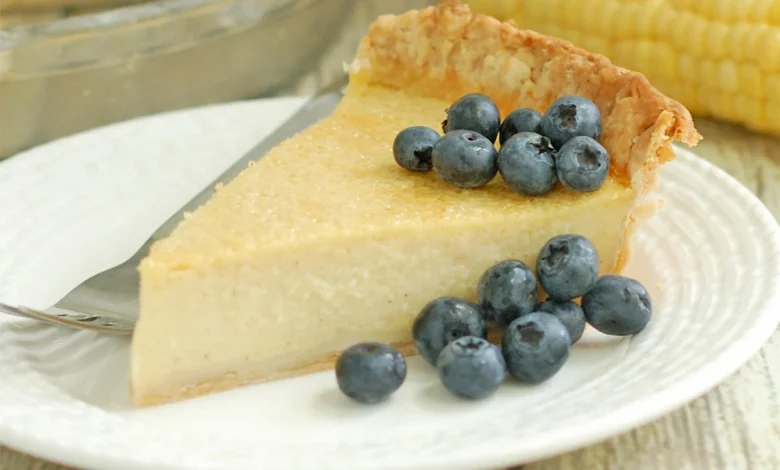
Buttermilk stands as an indispensable ingredient in the world of baking, celebrated for its remarkable ability to tenderize, moisturize, and infuse baked goods with a distinctive flavor. Far from being merely a functional component, it evokes a sense of home, tradition, and the authenticity of true scratch-baking, securing its place as a cherished element in kitchens across generations.
The Science Behind the Magic: Buttermilk’s Core Contributions
The multifaceted benefits of buttermilk are rooted in its unique biochemical composition, primarily its acidity. This characteristic acidity is the cornerstone of its power as a baking ingredient, contributing to its diverse roles:
-
Activation of Leavening Agents: Buttermilk’s acidity is crucial for activating baking soda, a common chemical leavener. When acidic buttermilk combines with alkaline baking soda, a chemical reaction occurs, producing carbon dioxide gas. These gas bubbles become trapped within the dough or batter, expanding during baking and giving the finished product its characteristic lift, airy texture, and tender, open crumb. This is precisely why buttermilk pancakes achieve their renowned fluffiness and quick breads rise with such reliable consistency. Without this acidic interaction, baking soda would not be effectively activated, leading to dense, heavy results.
-
Gluten Tenderization: Beyond its role in leavening, the lactic acid present in buttermilk plays a significant part in tenderizing gluten. Gluten, a protein network formed when flour and water are mixed, provides structure to baked goods. However, too much gluten development can lead to a tough texture. Buttermilk’s acidity works to weaken these gluten strands, resulting in a softer, more delicate crumb. This effect is particularly noticeable in items like cakes, biscuits, and muffins, which benefit from a tender, melt-in-your-mouth quality compared to those made with neutral-pH regular milk. Culinary scientists often highlight this tenderizing property as a key differentiator, making buttermilk a preferred choice for achieving optimal texture.
-
Enhanced Moisture and Richness: Despite its generally lower fat content compared to heavy cream or whole milk, buttermilk imparts a remarkable sense of moisture and richness to baked goods. Its slightly thicker viscosity helps to create a more luxurious mouthfeel, while its emulsifying properties contribute to a finer, more uniform crumb structure. This inherent moisture retention means that buttermilk cakes, for instance, tend to stay moist and flavorful for several days longer than their counterparts made with regular milk, offering extended freshness and enjoyment.
-
Distinctive Tangy Flavor Profile: Perhaps one of the most beloved attributes of buttermilk is its subtle, yet distinct, tangy flavor. This tang, primarily due to lactic acid, cannot be fully replicated by simple acid-milk substitutes. It adds a bright counterpoint that balances the sweetness in desserts, deepens savory notes in biscuits and rolls, and lends an intriguing complexity to otherwise simple preparations. This unique flavor dimension elevates ordinary baked goods, making them taste more sophisticated and memorable.
A Culinary Journey: Buttermilk Through History and Cuisine
The story of buttermilk is deeply intertwined with the history of dairy and food preservation. Historically, buttermilk was literally the liquid left behind after churning butter from cultured cream. This traditional buttermilk was naturally tart due to the fermentation process, which not only gave it a distinct flavor but also acted as a natural preservative. Its acidity allowed it to be stored for longer periods than fresh milk, making it a valuable resource in pre-refrigeration eras.
As dairy production modernized, the availability of traditional buttermilk diminished. Today, most buttermilk found in grocery stores is "cultured buttermilk," made by adding lactic acid bacteria (primarily Lactococcus lactis) to skim or low-fat milk. These bacteria ferment the lactose, producing lactic acid, which thickens the milk and gives it the characteristic tangy flavor and acidity. This modern cultured buttermilk mimics the properties of its traditional ancestor, making it widely accessible for home cooks and professional bakers alike.
Buttermilk holds significant cultural importance in various culinary traditions. In the American South, it is a cornerstone ingredient, central to iconic dishes such as flaky biscuits, tender cornbread, and the crispy coating of fried chicken. Its acidic properties are essential for achieving the desired texture and flavor in these regional staples. Similarly, in Irish baking, buttermilk is a key component of traditional soda bread, providing the necessary acidity to react with baking soda for a quick rise without yeast. This historical and cultural context underscores buttermilk’s enduring legacy as more than just an ingredient, but a symbol of culinary heritage and comfort.
Beyond the Basics: Versatile Applications in the Kitchen
The sheer versatility of buttermilk is evidenced by its presence in an extensive array of recipes, from foundational baked goods to innovative culinary creations. Its unique properties make it suitable for nearly 80 different preparations on many culinary sites, highlighting its indispensable role.
-
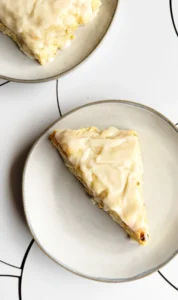
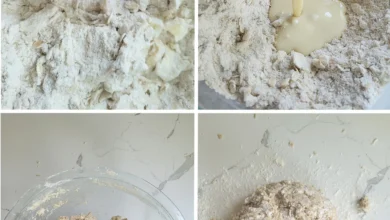
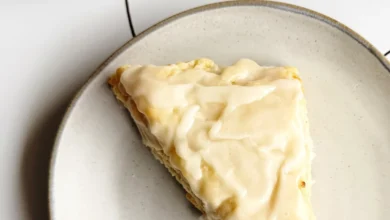
Classic Baked Goods: Buttermilk is the secret weapon behind perfectly light and fluffy breakfast and brunch items. It creates the tender crumb in beloved Flaky Buttermilk Biscuits, allowing for layers that readily absorb gravies or jams. It’s also foundational for various Scones, from traditional English scones, often enjoyed with clotted cream and jam, to more adventurous flavors like Rye & Caraway, Rhubarb, or Cheese scones. The acidity ensures a delicate rise and a moist interior. Similarly, it is a key ingredient in countless Pancakes and Waffles, contributing to their signature light texture and subtle tang.
-
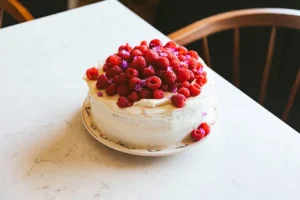
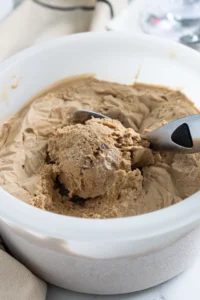
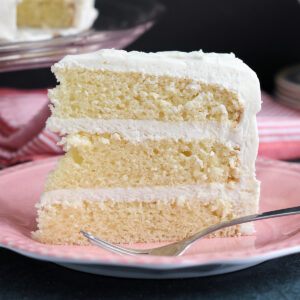
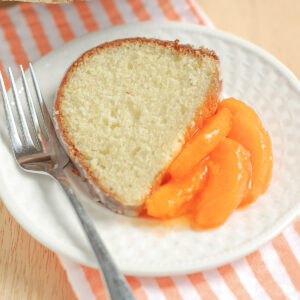
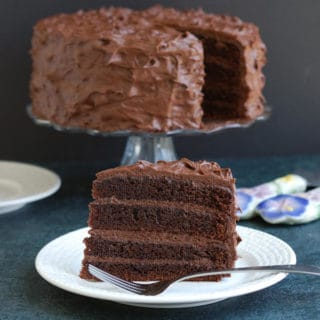
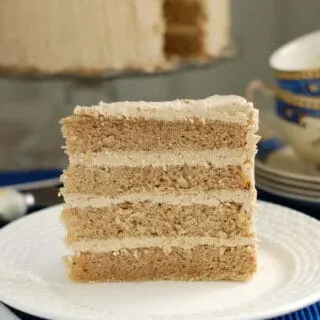
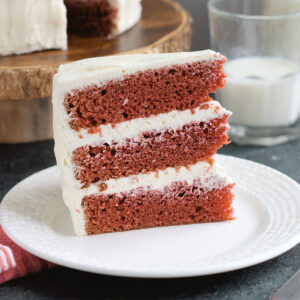
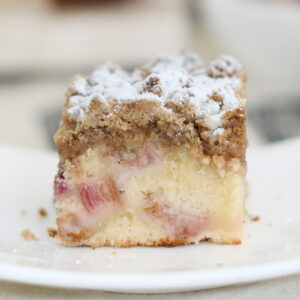
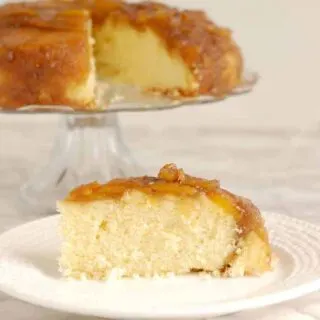
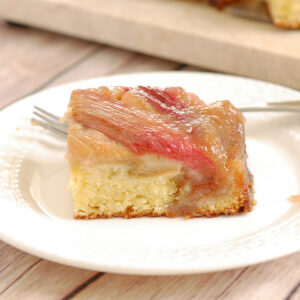
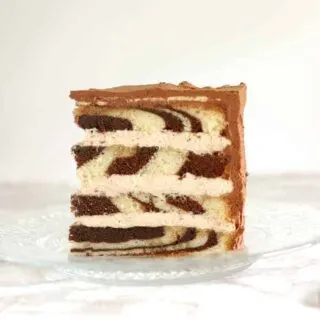
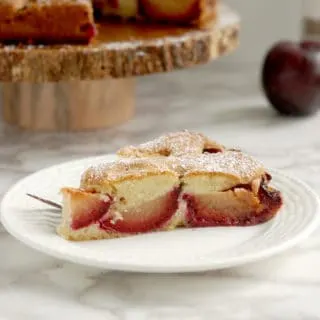
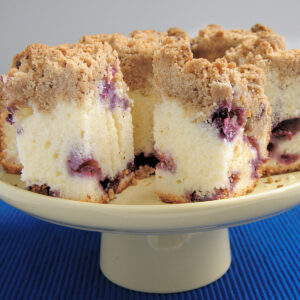
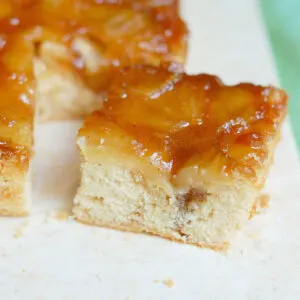
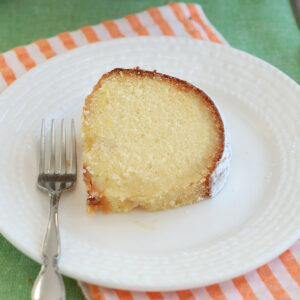
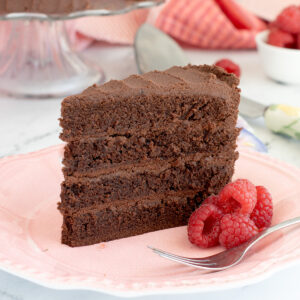
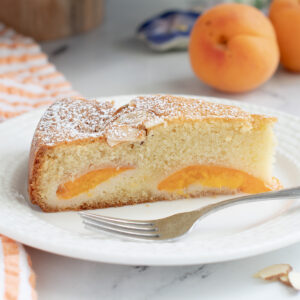
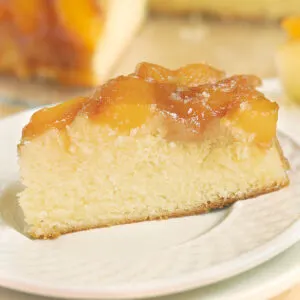
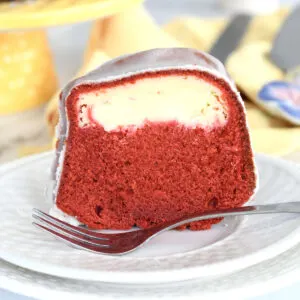
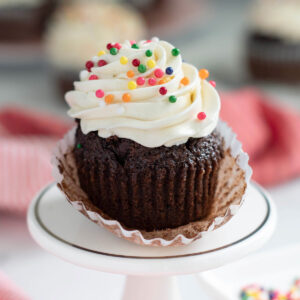
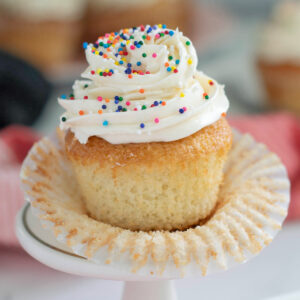
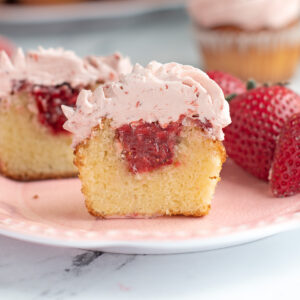
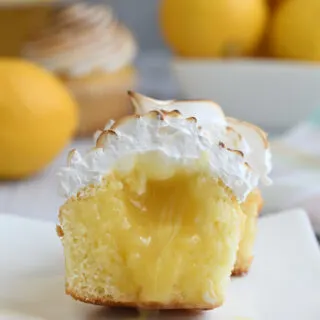
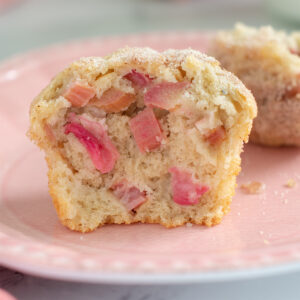
Sweet Treats: The tenderizing and moisturizing qualities of buttermilk shine brightly in desserts. It transforms ordinary Cakes into extraordinary ones, yielding fine-crumbed, moist creations such as Vanilla Buttermilk Cake, rich Chocolate Buttermilk Cake, spiced Buttermilk Spice Cake, and the classic Red Velvet Cake. Its inclusion keeps these cakes fresh for days. Beyond traditional layer cakes, it features in comforting Bundt Cakes (like the Buttermilk Bundt Cake with Buttermilk Glaze) and a variety of Crumb Cakes (Rhubarb, Sourdough). Buttermilk also elevates Upside Down Cakes, enhancing fruit-forward recipes like Mango, Rhubarb, Peach, and Apple variations with its subtle tang and tenderizing effect on the almond-flour based batters. For smaller indulgences, Cupcakes benefit immensely, including moist Chocolate, Vanilla, Strawberry Filled, and Lemon Meringue cupcakes. Even Buttermilk Ice Cream offers a uniquely tangy and luscious frozen dessert experience.
-
Savory Delights: Buttermilk’s applications extend well beyond sweet treats. It is fundamental to a wide range of Quick Breads, providing both lift and a tender crumb. Examples include hearty Irish Soda Bread (both white and brown varieties, sometimes with oats and apricots), flavorful Cornbread (plain skillet versions, Smoked Cornbread with Bacon and Chipotle Peppers, or as a topping for Chili Cornbread Cobbler and Tomato Cobbler). It even finds its way into Buttermilk Dinner Rolls, resulting in incredibly soft, buttery, and luscious bread. Savory shortcake biscuits, like those used for Zucchini Biscuits with Basil and Parmesan, demonstrate its adaptability to savory pairings.
-
Innovative Uses: Beyond these staples, buttermilk inspires creative recipes. It can be found in Black & White Cookies, lending a cake-like texture. In Fritters, such as Rhubarb or Apple, it contributes to a tender, yeasty dough. Furthermore, it plays a role in crafting wholesome items like Oatmeal Crispbreads (Knäckebröd), offering a fiber-rich, crunchy snack. The burgeoning popularity of sourdough baking has also seen buttermilk integrated into Sourdough Discard recipes, enhancing Sourdough Crumb Cake, Sourdough Blueberry Muffins, Sourdough Bundt Cake, Sourdough Biscuits, and Sourdough Scones, adding complexity to their flavor and texture.
Navigating the Dairy Aisle: Purchasing and Storage Guidelines
For optimal results, culinary experts consistently advocate for using genuine cultured buttermilk over improvised substitutes. While a splash of vinegar or lemon juice added to regular milk can provide some acidity in a pinch, it fails to replicate the thicker consistency, complex tangy flavor, and consistent culturing benefits of true buttermilk. A superior shelf-stable alternative for fresh buttermilk is powdered buttermilk, which only requires rehydration with water and retains many of the desirable properties.
When selecting buttermilk, most grocery stores primarily stock low-fat versions, which are perfectly suitable for the majority of recipes and what many recipes are developed with. However, for applications where an extra layer of richness is desired, such as in buttermilk ice cream or a special occasion cake, seeking out full-fat buttermilk can yield an even more decadent result.
One of the underrated advantages of buttermilk is its surprisingly long shelf life. The inherent acidity acts as a natural preservative, allowing an opened carton to remain fresh in the refrigerator for two to three weeks, and sometimes even longer, provided it maintains a pleasantly tangy aroma and does not show signs of spoilage. Prematurely discarding buttermilk is often unnecessary.
For longer storage, buttermilk freezes exceptionally well. To preserve it, pour leftover buttermilk into freezer-safe containers or ice cube trays. Once frozen, transfer the cubes to an airtight bag. While the texture may soften slightly after thawing, making it less ideal for drinking, frozen buttermilk performs perfectly in any recipe where it will be cooked or baked. Properly frozen buttermilk can be kept for up to three months, offering a convenient solution to prevent waste and ensure a supply is always on hand for spontaneous baking endeavors.
The Unsung Hero: Buttermilk’s Role in Modern Kitchens and Sustainability
Buttermilk’s contribution extends beyond its direct culinary applications, subtly influencing aspects of kitchen management and sustainable practices. Its longer shelf life inherently contributes to reducing food waste, as consumers are less likely to discard it compared to highly perishable fresh milk. This aligns with contemporary efforts towards more sustainable household practices.
Beyond baking, buttermilk serves as a fantastic ingredient for enhancing everyday savory dishes. A prime example, as noted by many home cooks, is stirring it into mashed potatoes. It provides the same creaminess as regular milk or cream but introduces a gentle tang that elevates a basic side dish into something noticeably more interesting and flavorful. This tang also makes it an excellent base for creamy salad dressings, marinades for poultry or fish (where its acidity helps tenderize the protein), or even as a refreshing, slightly tart beverage on its own. Nutritionally, cultured buttermilk is typically lower in fat than whole milk and contains beneficial probiotics, further adding to its appeal as a versatile and healthy ingredient.
In conclusion, buttermilk remains a powerhouse ingredient, revered for its functional benefits and its ability to impart a comforting, traditional essence to countless dishes. Its scientific properties ensure tender textures, moist crumbs, and reliable leavening, while its distinctive tang adds depth and complexity. From its historical origins to its modern applications, and its role in sustainable kitchen practices, buttermilk continues to be an invaluable staple, earning its permanent spot in the refrigerators of discerning bakers and cooks worldwide.