In the heart of Minas Gerais, a state widely regarded as the gastronomic soul of Brazil, the city of Belo Horizonte stands as a testament to the enduring power of traditional regional cuisine. Among the myriad of dishes that define this interior landscape, Feijão Tropeiro remains the most iconic—a hearty, complex assembly of beans, manioc flour, and various pork cuts that speaks to the state’s colonial history. At the center of this culinary preservation is Bar Do Careca, a humble establishment located in a quiet neighborhood of Belo Horizonte, which has garnered international attention for its uncompromising dedication to authentic "comida mineira." Managed by Mr. Orcino, a veteran of the hospitality industry with over six decades of experience, the restaurant serves as both a neighborhood staple and a destination for culinary pilgrims seeking the true flavors of the Brazilian interior.
The Historical Genesis of Feijão Tropeiro
To understand the significance of the meal served at Bar Do Careca, one must first look to the 17th and 18th centuries, during the height of the Brazilian gold rush. The term "Tropeiro" refers to the muleteers or cattle drivers who transported goods across the vast, rugged terrain of the Brazilian hinterlands. These men traveled for months at a time, necessitating a diet composed of ingredients that were calorie-dense, durable, and resistant to spoilage.
The original Feijão Tropeiro was a pragmatic invention. It relied on dry beans, salted meats, and toasted manioc flour (farinha de mandioca), which could be easily carried in saddlebags. Over centuries, this survivalist ration evolved into a sophisticated regional specialty. In the modern kitchens of Minas Gerais, the dish has been enriched with fresh kale, eggs, and various sausages, yet it retains the rustic, "dry" texture that distinguishes it from the more liquid-based Feijoada of the coast. The dish represents a chronological bridge between Brazil’s colonial past and its modern identity as a global food powerhouse.
Bar Do Careca: Thirty Years of Culinary Stewardship
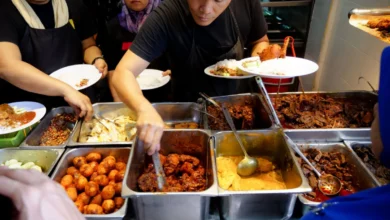
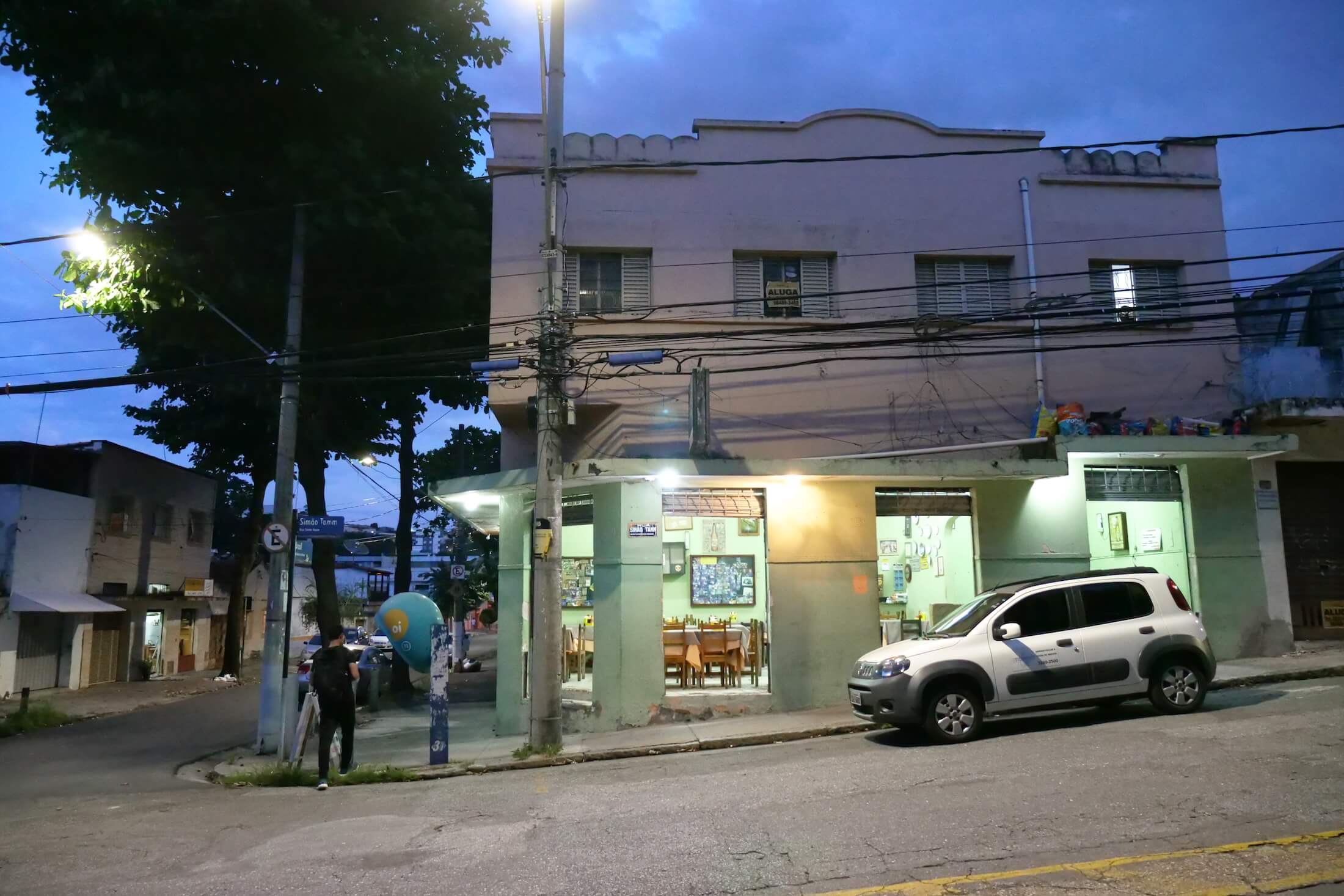
Bar Do Careca is not merely a restaurant but a living archive of Mineiro hospitality. Mr. Orcino and his wife have operated this specific location for 30 years, though Mr. Orcino’s personal history in the restaurant trade spans double that time. This longevity is reflected in the restaurant’s operational philosophy: a reliance on seasoned "aunties" (traditional female cooks) who execute recipes by instinct and memory rather than written instruction.
The establishment’s reputation was solidified on the global stage when it was visited by the late culinary explorer Anthony Bourdain. This recognition highlighted a broader trend in food journalism: the pivot away from fine dining toward "botecos"—neighborhood bars that serve high-quality, authentic food in an unpretentious setting. Despite the international fame, the restaurant has maintained a price point that remains accessible to locals, with a comprehensive meal for four people, including beverages, typically costing around R$156 (approximately US$40), demonstrating a commitment to social and economic sustainability within the community.
Technical Execution: The Four-Pan Methodology
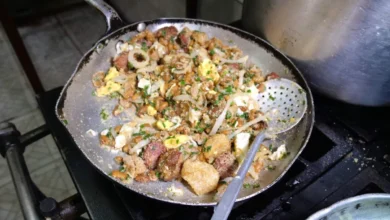
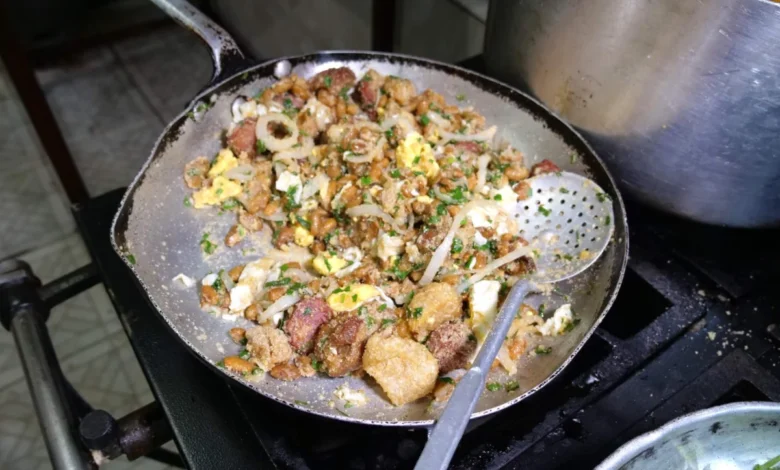
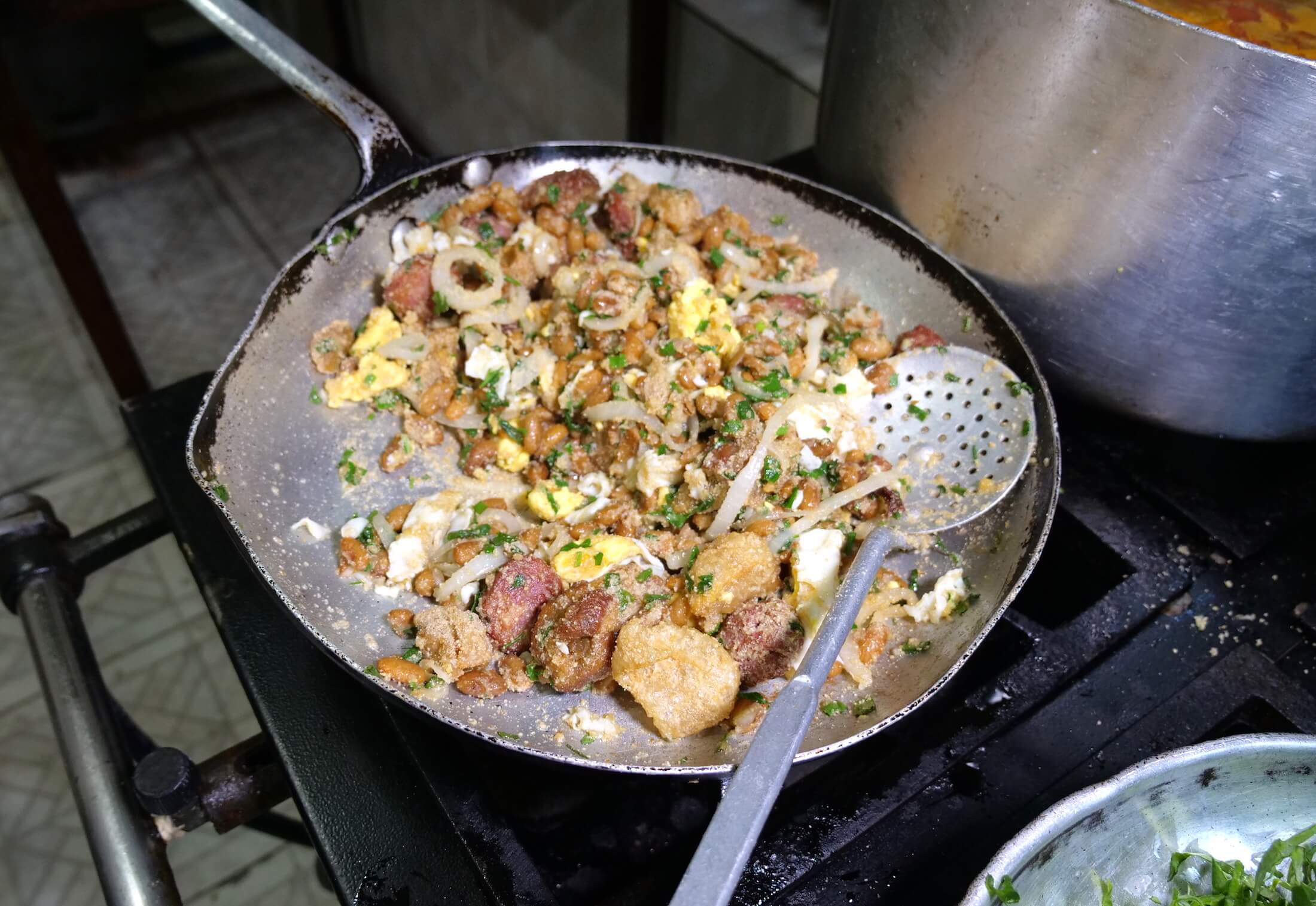
The preparation of Feijão Tropeiro at Bar Do Careca is a lesson in layered flavor development. Unlike many industrial versions of the dish, the process here involves a synchronized use of multiple cooking vessels to ensure each ingredient maintains its structural integrity and flavor profile.
- The Foundation: The process begins with the frying of large quantities of onions and brown beans. Simultaneously, a secondary pan is used to sauté garlic and onions in olive oil, which is added at the final stage to provide a "fresh" aromatic punch that is often lost in long-cooking processes.
- The Protein Matrix: A critical component is the introduction of sausage and "pork cracklings" (torresmo). At Bar Do Careca, these are not the airy, puffed skins found in commercial snacks but are essentially double-fried pork chops, broken into pieces to provide a textural contrast of crunch and succulent fat.
- The Binding Agents: Four deep-fried eggs, fresh cilantro, and green onions are integrated into the mix. This is followed by the addition of coarse manioc flour (farinha), which absorbs the rendered pork fat and vegetable stock, creating a savory crumble that binds the ingredients without turning them into a paste.
- The Finishing Touches: A mother pot of vegetable broth, infused with red beans, tomatoes, and peppers, is used to modulate the moisture levels. Finally, finely shredded kale is flash-fried to provide a bitter, vibrant green contrast to the heavy proteins.
The most distinctive feature of the Bar Do Careca service is the garnish. While most establishments serve Feijão Tropeiro as a side dish, here it is topped with four large, thin strips of griddled pork, elevating the dish from a bean accompaniment to a monumental protein-centric feast.
Beyond the Beans: Jiló and Bife de Panela
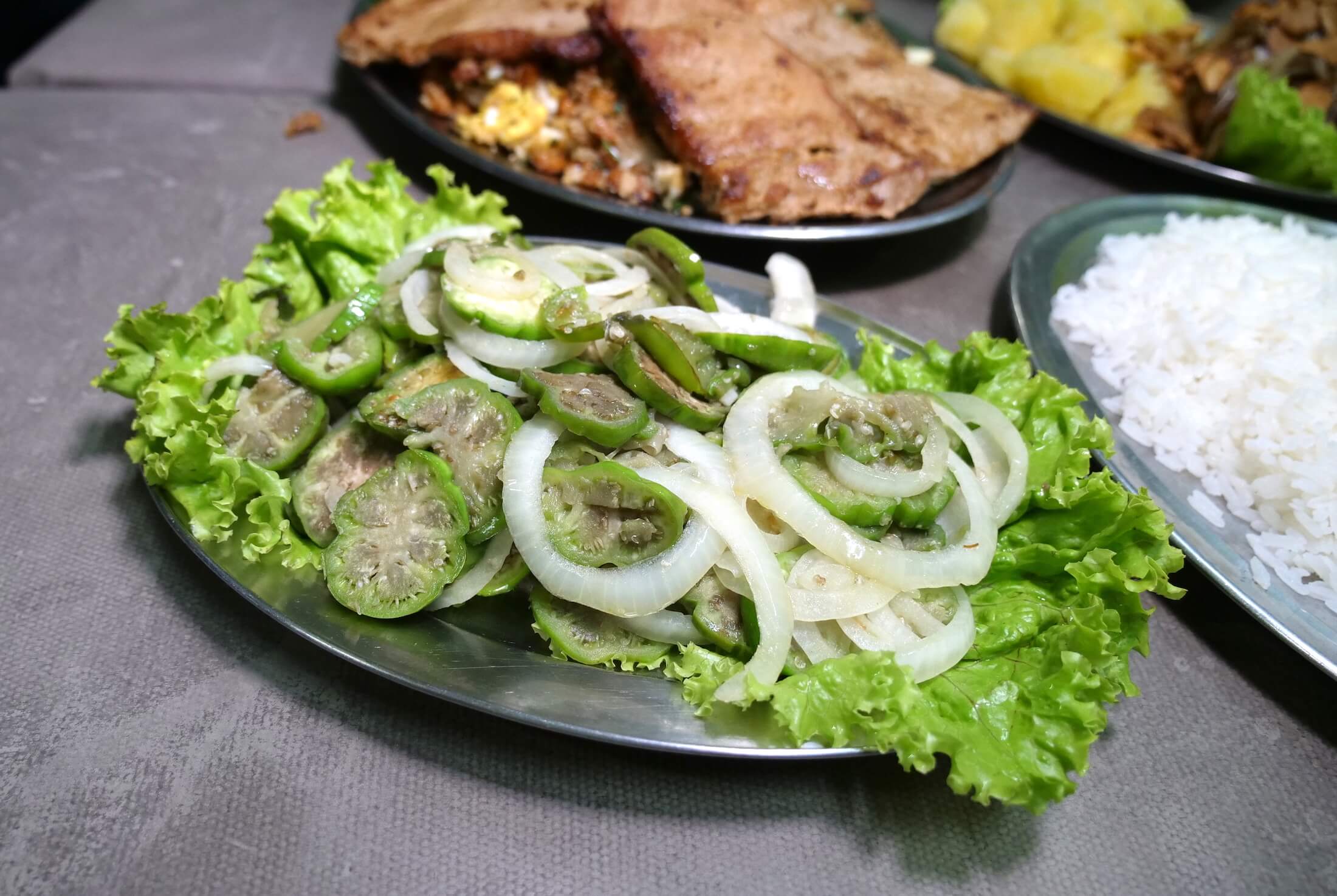
While Feijão Tropeiro is the primary draw, the restaurant’s menu serves as a broader survey of Minas Gerais staples. Two dishes, in particular, provide essential context to the local palate: Scarlet Eggplant (Jiló) and Pan-Cooked Beef (Bife de Panela).
Jiló, a fruit of the nightshade family originally brought to Brazil from West Africa during the colonial era, is a polarizing but essential element of Mineiro cuisine. At Bar Do Careca, it is fried with garlic and onions until firm. Its unique bitterness acts as a digestive aid and a palate cleanser against the richness of the pork-heavy main courses. This vegetable’s presence on the menu is a nod to the African influence that underpins much of Brazilian cooking.
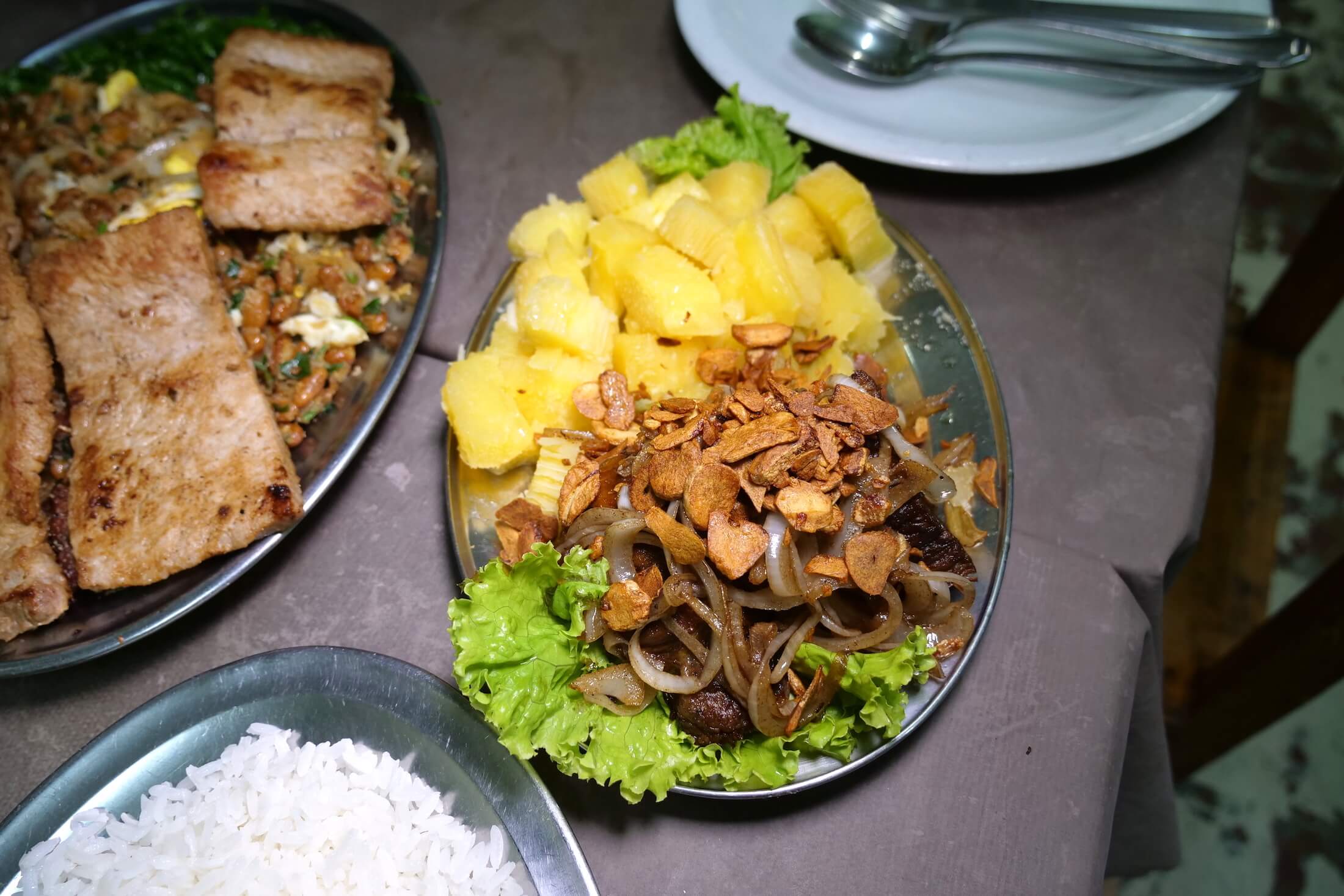
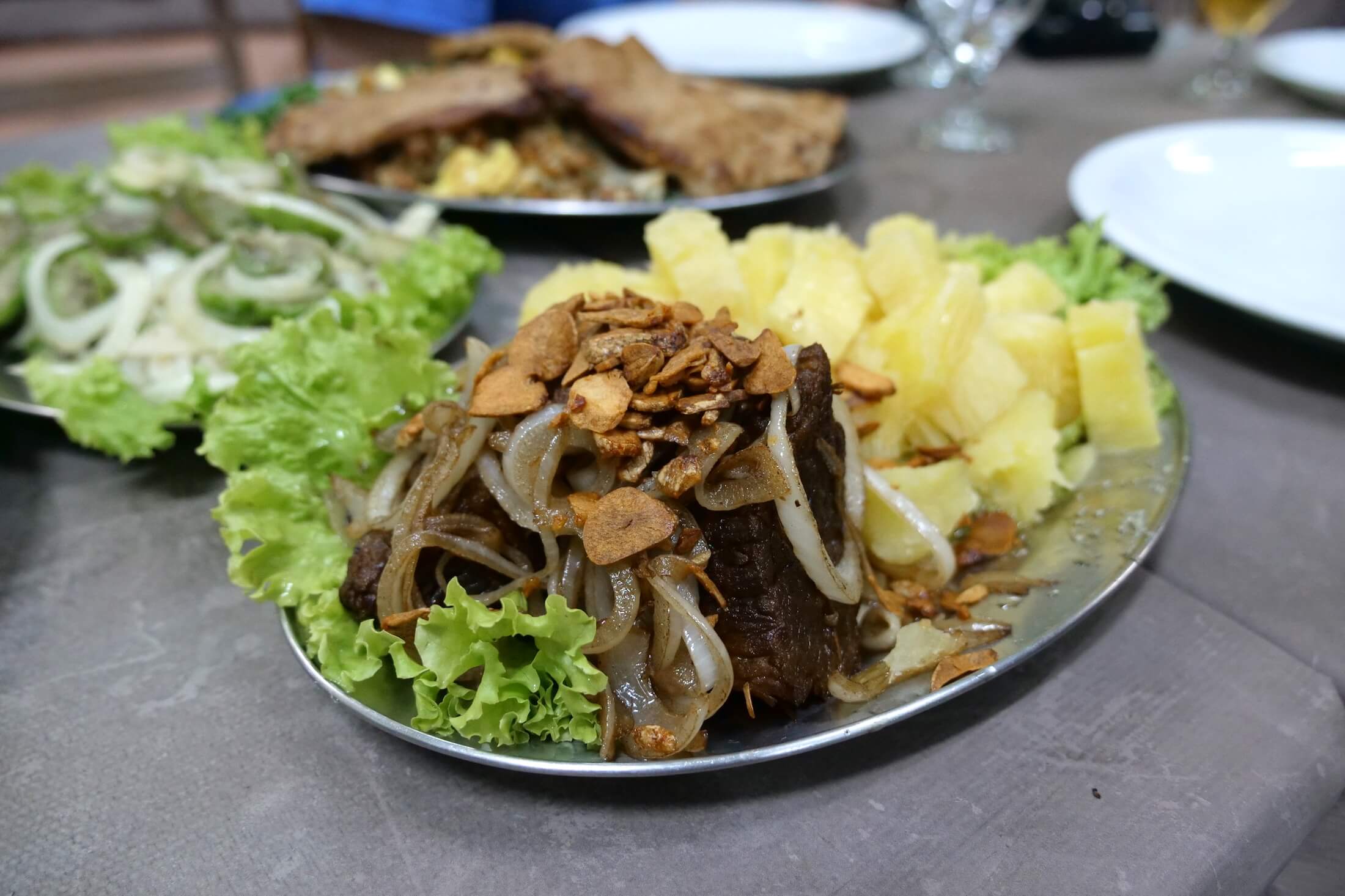
The Bife de Panela (slow-cooked beef) represents the "comfort food" aspect of the region. Served with either steamed potatoes or cassava (manioc), the meat is smothered in a double layer of fried garlic. The choice of starch is significant; cassava is a native South American tuber that predates European arrival, and its use in conjunction with European-style beef roasts symbolizes the syncretic nature of Brazilian food culture.
Economic and Cultural Implications
Belo Horizonte was designated a UNESCO Creative City of Gastronomy in 2019, a title that recognizes the city’s efforts to preserve its culinary heritage while fostering innovation. Establishments like Bar Do Careca are central to this designation. They provide a stable economic environment for traditional workers and maintain a demand for regional agricultural products like specific bean varieties and artisanal manioc flours.
The "boteco" culture, of which Bar Do Careca is a prime example, also serves a vital social function. In Brazil, these spaces are democratic hubs where social hierarchies are often blurred over shared platters of food. The hospitality of Mr. Orcino, who often interacts directly with diners to share the history of his recipes, reinforces the idea that in Minas Gerais, a meal is a form of social glue.
Analysis of the Mineiro Gastronomic Identity
The success of Bar Do Careca suggests a growing global appreciation for "slow food" and regional authenticity. In an era of increasing culinary homogenization, the specific, labor-intensive techniques used to create Feijão Tropeiro offer a unique sensory experience that cannot be replicated by industrial means.
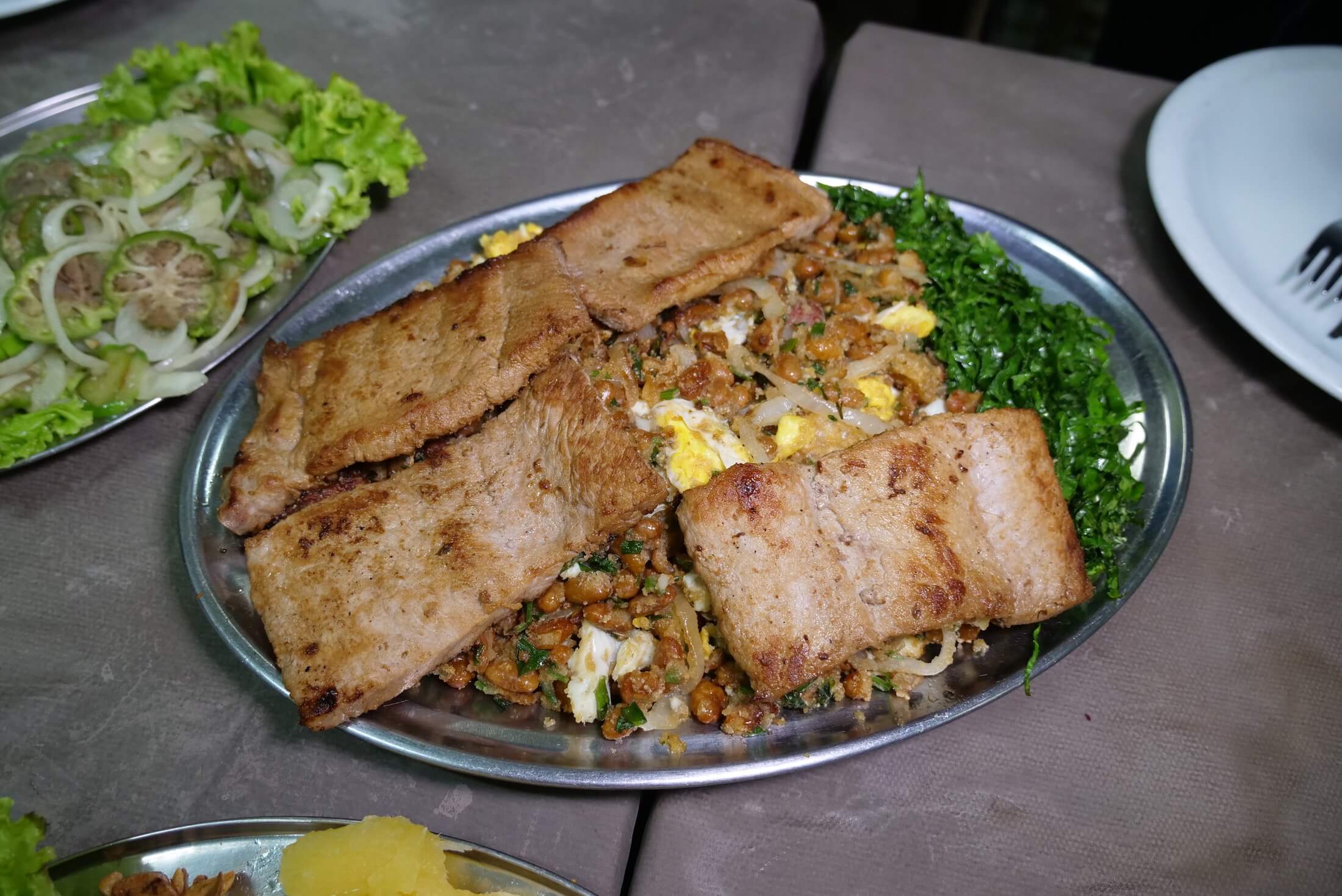
The dish itself is an exercise in balance. Despite containing five different types of meat and an array of fried components, the final product is noted for its lack of greasiness—a result of the skillful application of manioc flour and the precise timing of the vegetable additions. This technical proficiency, honed over decades, is what separates a standard neighborhood bar from a landmark institution.
Conclusion
Bar Do Careca stands as a bastion of the "Tropeiro" spirit in the 21st century. Through the stewardship of Mr. Orcino and his dedicated team, the restaurant ensures that the hearty, historical flavors of the Minas Gerais interior remain accessible to future generations. For the traveler or the local, a meal here is more than a caloric intake; it is an immersion into a timeline of Brazilian history, from the muleteers of the 1700s to the modern-day recognition of Belo Horizonte as a global capital of gastronomy. The enduring popularity of Feijão Tropeiro serves as a reminder that the most satisfying meals are often those that carry the weight of history and the warmth of a well-tended kitchen.