The Renaissance of South African Chenin Blanc From Workhorse to World-Class Winner at the 2026 Decanter World Wine Awards

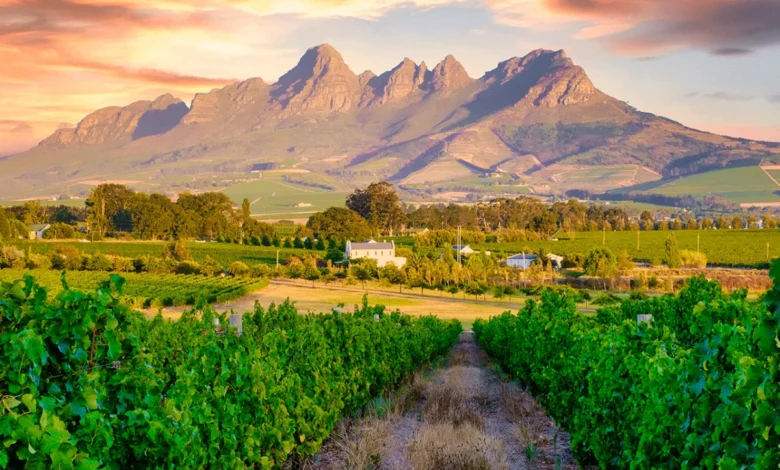
The 2026 Decanter World Wine Awards (DWWA) has solidified South Africa’s standing as a premier global producer of high-quality white wines, with Chenin Blanc serving as the undisputed protagonist of this narrative. Once relegated to the status of a high-yielding "workhorse" variety used primarily for brandy production and bulk blends, Chenin Blanc has undergone a radical transformation over the last three decades. At this year’s competition, the world’s largest and most influential wine contest, the variety emerged as the crown jewel for the South African delegation, securing the nation’s sole "Best in Show" title and anchoring a performance that saw the country earn 27 more medals than in the previous year. This resurgence is not merely a matter of improved winemaking techniques but represents a profound shift in how South African viticulturists view their land, their history, and the genetic legacy of their oldest vineyards.
The Historical Trajectory of Steen
To understand the magnitude of Chenin Blanc’s success in 2026, one must look back at its humble origins in the Cape. Historically known as "Steen," the grape was likely introduced to South Africa in the mid-17th century. For centuries, it was the backbone of the domestic industry due to its hardiness and versatility. However, this versatility was often its downfall; because it could produce massive yields in the heat of the Western Cape, it was treated as a commodity. During the 20th century, under the regulated environment of the KWV (Koöperatieve Wijnbouwers Vereniging), Chenin Blanc was the primary source for the country’s significant brandy industry and was frequently used to create inexpensive, semi-sweet table wines.
The irony of this "workhorse" status was that South Africa had quietly become the grape’s global superpower. Today, the country cultivates more Chenin Blanc than any other nation, including its ancestral home in France’s Loire Valley. While regions like Vouvray and Savennières in the Loire were producing world-renowned, age-worthy masterpieces, South African Chenin remained largely anonymous on the international stage. The transition from "Steen" to "Chenin Blanc" mirrors South Africa’s broader journey since 1994—a movement away from isolation and mass production toward artisanal excellence and global integration.
A Chronology of Transformation
The path to the 2026 DWWA triumphs can be traced through several key milestones in the South African wine industry:
- The Mid-1990s Quality Pivot: Following the end of apartheid, international markets reopened. Winemakers began to travel and realized that their old, low-yielding Chenin Blanc bush vines—many of which were being ripped out to make way for "fashionable" varieties like Chardonnay—were actually a goldmine of quality.
- The Formation of the Chenin Blanc Association (1998): This body was instrumental in rebranding the variety and encouraging producers to focus on site-specific expressions and wood-aged styles.
- The Rise of the Swartland Revolution (Early 2000s): Independent winemakers began sourcing fruit from neglected old vines in the Swartland, proving that non-irrigated, dryland farming could produce wines of immense concentration and mineral complexity.
- The Old Vine Project (2016): The formal certification of "Heritage Vineyards" (vines older than 35 years) provided a marketing and viticultural framework that protected Chenin Blanc’s most valuable assets.
- 2024–2025 Recognition: Individual accolades, such as Spier’s Johan Jordaan being named Master Winemaker for two consecutive years in Paris, signaled that the world was finally ready to view South African Chenin as a peer to the great whites of Burgundy and the Loire.
Analytical Breakdown of the 2026 DWWA Results
The 2026 competition saw South Africa reach a new zenith of consistency and excellence. The country claimed a total of 45 top-tier medals, including one Best in Show, eight Platinums, and 36 Golds. While South African red wines performed admirably at the Platinum level, it was the white wine category—and Chenin Blanc specifically—that captured the highest honor.

The "Best in Show" title awarded to the Stellenbosch Reserve, Hangbrug Chenin Blanc 2025 is particularly significant. Out of tens of thousands of entries globally, only a tiny fraction (the top 50) receive this accolade. The judges’ commentary highlighted a "spotless precision" and a "salty intrigue" that spoke directly to the wine’s authenticity. This result confirms that South African Chenin is no longer just a "good value" alternative but a top-tier contender for the world’s best white wine.
Supporting data from the competition shows a clear upward trend in regional differentiation. Judges noted that the "fingerprint" of the terroir was more visible than ever before. This suggests that South African winemakers have moved past the era of heavy-handed oak and over-extraction, opting instead for a "less is more" approach that allows the soil and climate to speak through the fruit.
Regionality: Stellenbosch vs. Swartland
A central theme of the 2026 awards was the distinct personality of South African wine regions. Stellenbosch, often considered the "prestige" hub of the industry, demonstrated a style defined by elegance, yellow fruit profiles, and a refined use of oak. Warren Granat-Mulder, commercial director for Stellenbosch Reserve, noted that the goal is to balance "texture and elegance" with a "fruit-forward yet fresh" zest. The 2025 Hangbrug winner exemplified this, using short stints in the barrel to add mouthfeel without masking the primary varietal charm.

In contrast, the Swartland region—located north of Cape Town—reaffirmed its reputation for power and intensity. The Swartland’s success is rooted in its geology, characterized by decomposed granite and shale. Because much of the farming here is "dryland" (non-irrigated), the vines are forced to root deeply to find water. Jamie Williams, head of the white wine team at Nederburg, explained that this deep rooting concentrates the fruit in smaller berries, leading to a "mid-palate depth" that is difficult to replicate in younger or irrigated vineyards. Nederburg’s Heritage Heroes The Anchor Man Old Vine Chenin Blanc 2024, which secured a Platinum medal, was praised for its "ambient riches" and "mineral backbone," a direct result of these environmental stressors.
Resilience in a Changing Climate
One of the most critical factors discussed by winemakers following the 2026 results is Chenin Blanc’s inherent adaptability. As the global wine industry grapples with rising temperatures and erratic weather patterns, Chenin Blanc’s natural high acidity has become a strategic advantage. Pierre Wahl, cellar master at Van Loveren, highlighted that the variety retains its balance even at higher levels of ripeness and alcohol.
This resilience is further bolstered by regenerative viticultural practices. Johan Jordaan of Spier emphasized that focusing on soil health and biodiversity "buffers these vines against nature’s variations." In an era where climate change threatens the viability of many traditional wine regions, South Africa’s commitment to farming old, hardy Chenin Blanc vines offers a blueprint for sustainable, high-quality production.

The Gastronomic Impact and Global Standing
The versatility of South African Chenin Blanc extends beyond the vineyard and into the culinary world. The 2026 DWWA judges and local producers alike have championed the grape as one of the world’s greatest gastronomic wines. Its ability to range from bone-dry and steely to rich, honeyed, and sweet makes it a perfect companion for South Africa’s diverse "Rainbow Cuisine." The influence of Cape Malay spices, Indian curries, and traditional French techniques in South African cooking finds a natural partner in Chenin’s vibrant acidity and fruit profile.
The success of 2026 is seen by many as a "flagbearer" moment. The variety has moved from being a local secret to an international benchmark. As South African wine continues to shed its old reputation for volume, Chenin Blanc stands at the forefront of this new identity—a variety defined by its history, its resilience, and its undeniable class.
Profiles of Excellence: The Top-Scoring Wines of 2026
The following wines represent the pinnacle of South African Chenin Blanc as recognized by the 2026 DWWA panel:

- Stellenbosch Reserve, Hangbrug Chenin Blanc, Stellenbosch 2025 (Best in Show, 97 Points): A masterclass in poise and precision. This wine offers a profile of bright citrus and yellow fruits, balanced by a subtle saline minerality and expertly integrated oak that provides texture without weight.
- Nederburg, Heritage Heroes The Anchor Man Old Vine Chenin Blanc, Swartland 2024 (Platinum, 97 Points): A wine that showcases the power of old vines. It features a complex array of orchard fruit, guava, and kaffir lime, supported by a lanolin texture and a long, herbaceous finish.
- Van Loveren, Survivor Reserve Chenin Blanc, Swartland 2023 (Gold, 95 Points): Noted for its "astounding beeswax nose" and "gunpowder tension," this wine represents the rugged, flinty side of the Swartland terroir.
- Alvi’s Drift, Albertus Viljoen Chenin Blanc, Worcester 2024 (Gold, 95 Points): A richer, "impasto" style featuring layers of baked apple and stone fruit, freshened by a zippy tangerine acidity.
- Perdeberg, The Dry Land Collection Longevity Natural Sweet Chenin Blanc, Paarl 2025 (Gold, 95 Points): A testament to the grape’s versatility in the dessert category, offering a sumptuous palate of dried pineapple, apricot, and honeyed ginger.
As the global wine community looks toward the future, the results of the 2026 Decanter World Wine Awards suggest that South Africa’s "workhorse" has finally crossed the finish line as a world champion. Through a combination of historical preservation, geological understanding, and winemaking innovation, Chenin Blanc has become the liquid soul of the South African wine industry.