Beyond the Hillside The Socioeconomic Evolution and Cultural Resilience of Rocinha Brazil’s Largest Favela

Rocinha, situated on the steep hillsides of Rio de Janeiro’s South Zone, stands as a testament to the complex urban evolution of Brazil’s informal communities, or favelas. Often misunderstood by international media as mere "slums," these areas represent a sophisticated, albeit unregulated, architectural and social response to rapid urbanization and housing shortages. Rocinha is the largest of these communities in Brazil, functioning as a city within a city, characterized by high population density, vibrant cultural expression, and a robust informal economy. While historically stigmatized by concerns regarding safety and poverty, contemporary Rocinha offers a nuanced perspective on Brazilian life, where infrastructure such as running water, electricity, banking institutions, and pharmacies coexist with the challenges of unplanned urban growth.
The Architectural and Demographic Landscape of Rocinha
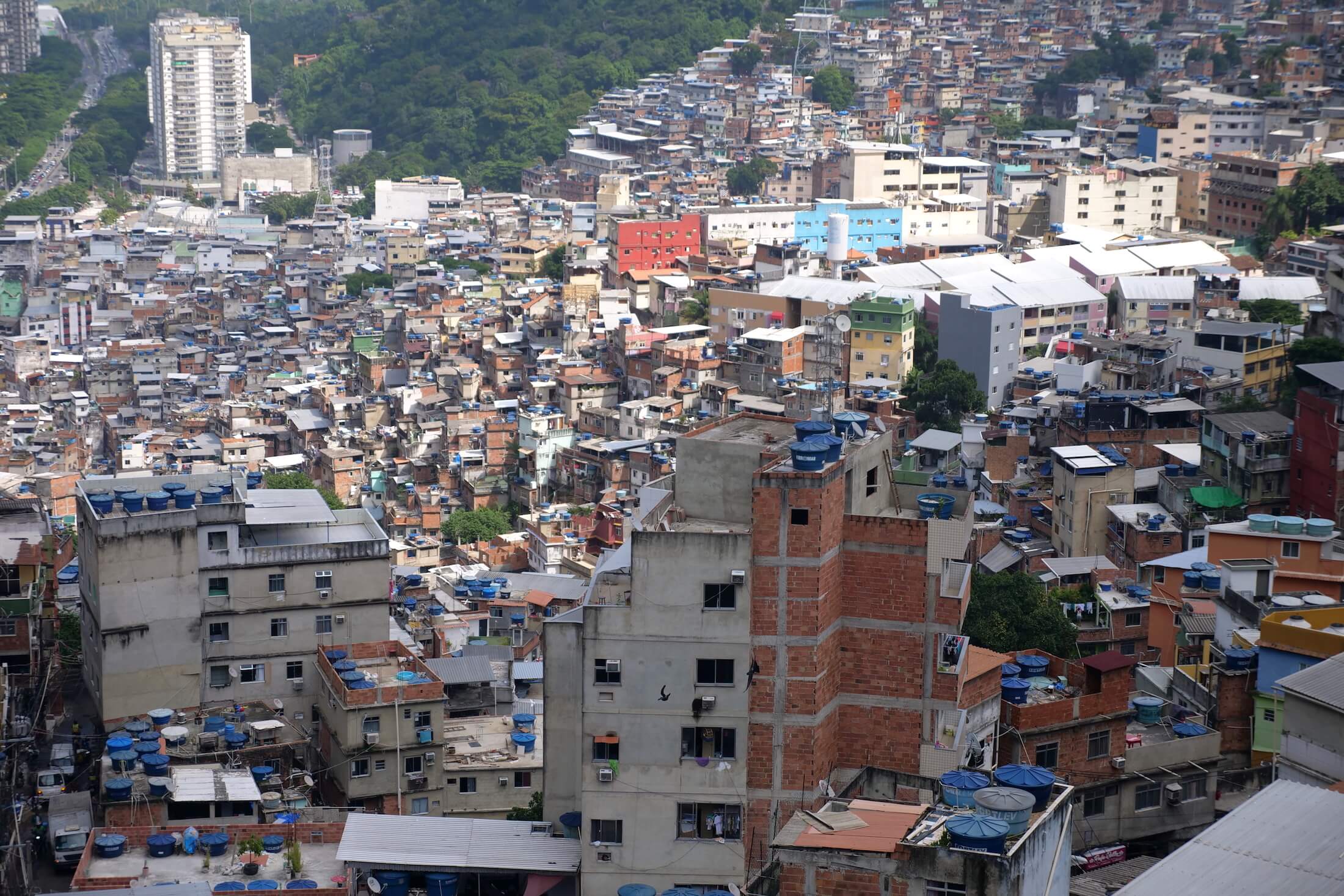
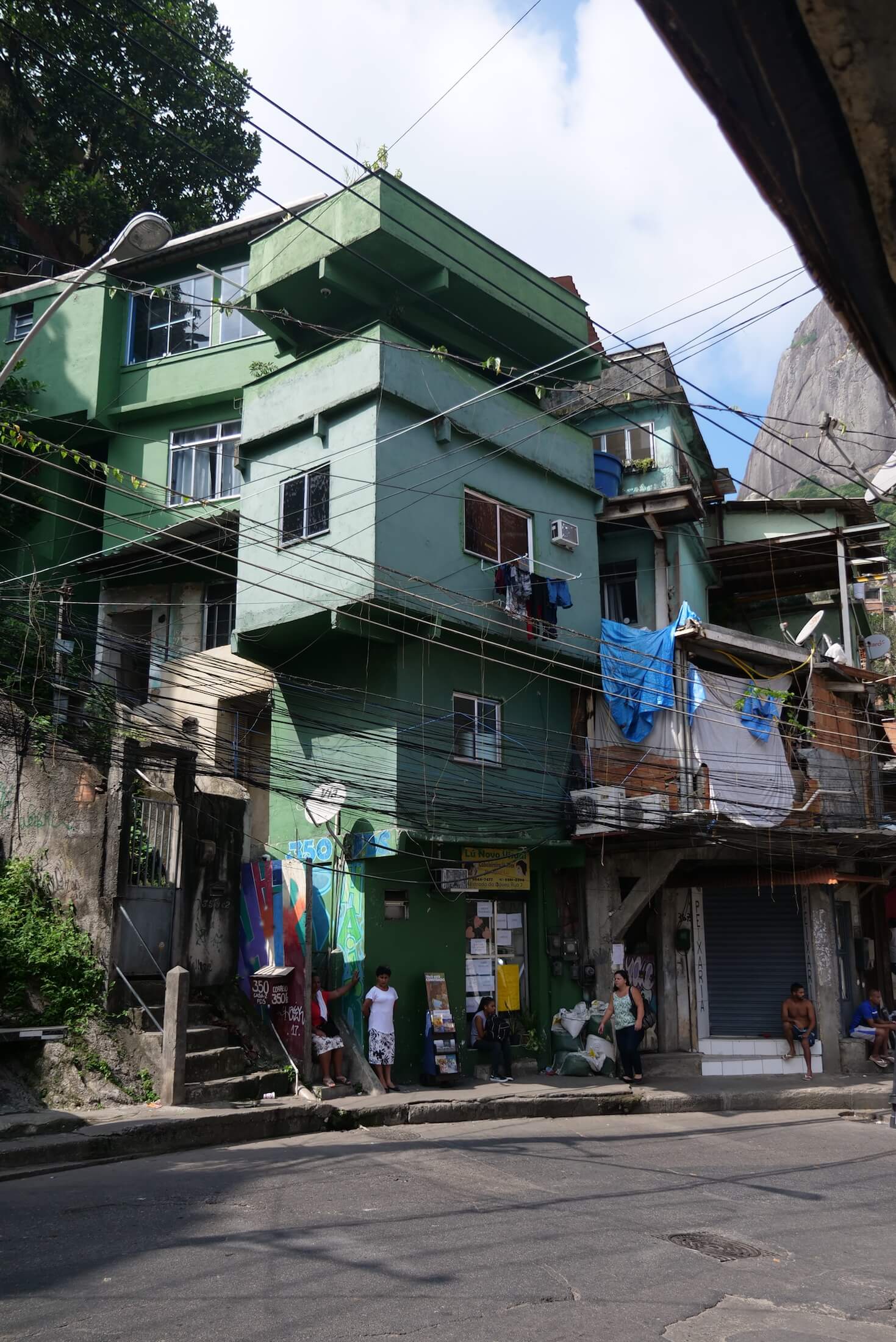
Located between the affluent districts of São Conrado and Gávea, Rocinha’s topography is its most defining feature. The community clings to the granite cliffs, with houses built vertically atop one another in a dense mosaic of brick and mortar. According to data from the Brazilian Institute of Geography and Statistics (IBGE), approximately 6% of the Brazilian population—roughly 12.5 million people—reside in favelas. Rocinha alone is estimated to house between 100,000 and 150,000 residents, though some local community leaders suggest the figure may be significantly higher due to the difficulties of conducting a census in such dense, labyrinthine environments.
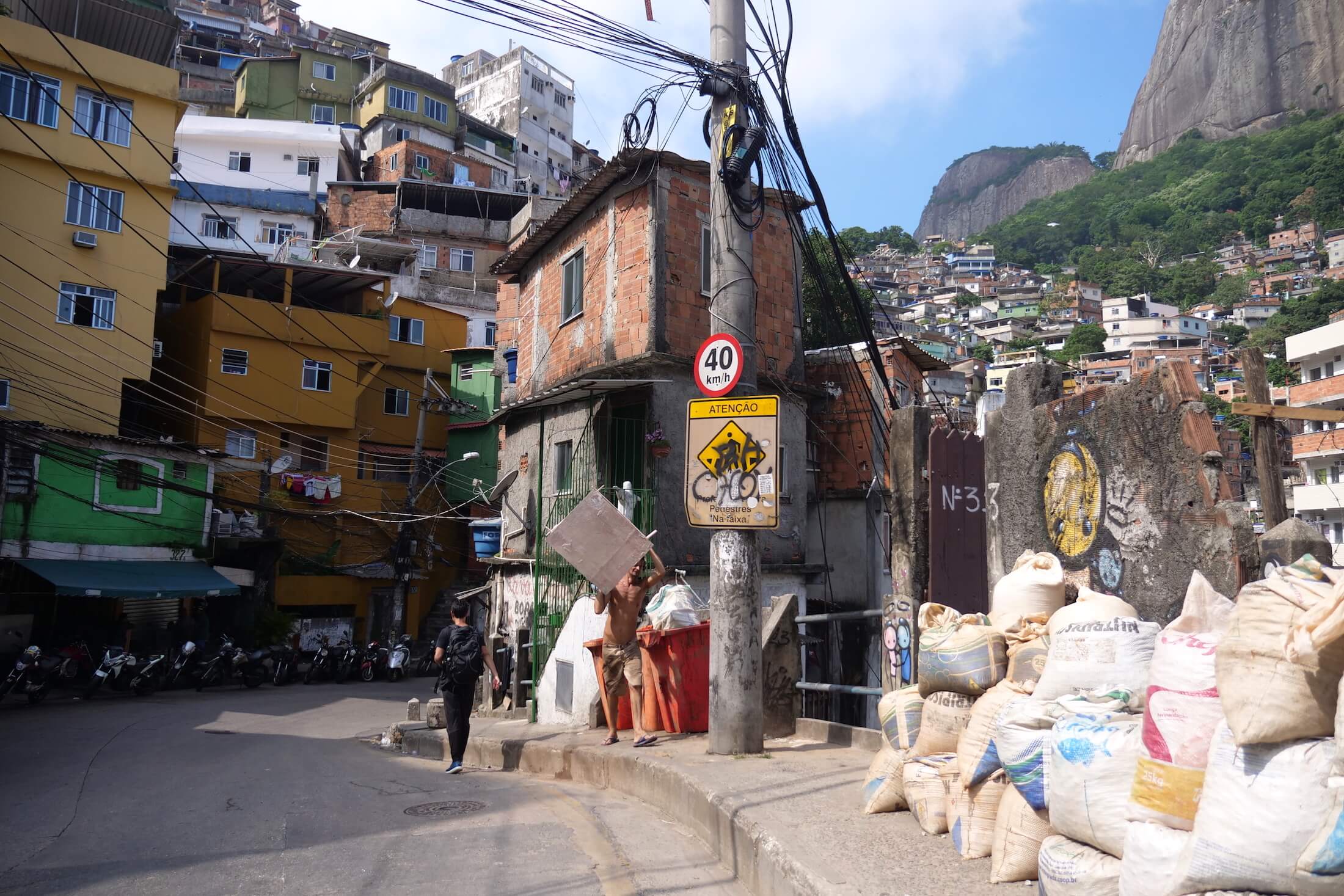
Unlike temporary shantytowns, Rocinha’s structures are permanent. Over decades, residents have transitioned from wood and corrugated iron to reinforced concrete and tile. The community has developed its own internal infrastructure, including schools, medical clinics, and a complex network of transportation. The primary artery of the community is often navigated via "moto-taxis," a specialized fleet of motorcycles that provide essential transit up the steep inclines. For a standard fee of approximately R$10 (roughly US$2.00), these taxis navigate narrow alleys that are inaccessible to conventional vehicles, highlighting the community’s adaptive ingenuity.
A Chronology of Development and Urban Integration
The history of Rocinha is inextricably linked to the broader history of Rio de Janeiro’s urban development. The first favelas emerged in the late 19th century, founded by soldiers returning from the Canudos War who were not provided the housing they were promised. Throughout the 20th century, particularly during the 1950s and 1960s, a massive wave of migration from Brazil’s impoverished Northeast brought thousands of workers to Rio in search of construction and service jobs.
- Early 20th Century: Rocinha began as a series of small farms (roças), which gave the community its name, meaning "Little Farm."
- 1950s-1970s: Rapid expansion occurred as industrialization drew workers to the city. During this period, the community began its vertical ascent up the hillside.
- 1980s-1990s: Rocinha gained recognition as a significant electoral block, leading to increased, though inconsistent, government investment in basic sanitation and electricity.
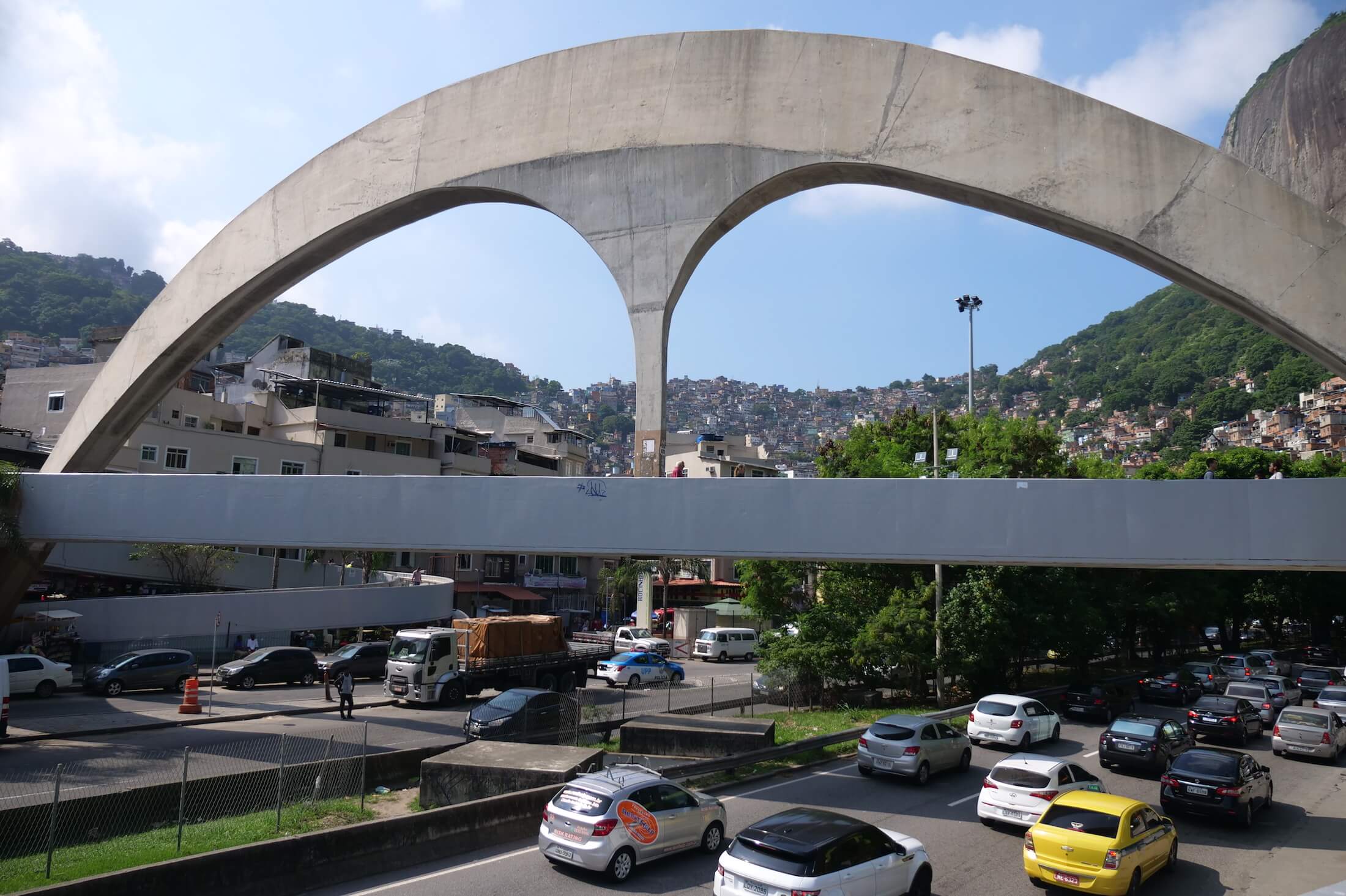
- 2011 – The Pacification Process: In preparation for the 2014 World Cup and the 2016 Olympic Games, the Rio de Janeiro state government launched the Police Pacifying Unit (UPP) program. In November 2011, a massive security operation involving the military and civil police was conducted to "pacify" Rocinha, aiming to reclaim territory from drug trafficking factions and establish a permanent police presence.
- Post-2016 Reality: Following the Olympics, the UPP program faced significant funding cuts and criticism, leading to a complex security environment where community-led initiatives have often filled the void left by state inconsistency.
The Economic Engine: Gastronomy and Entrepreneurship
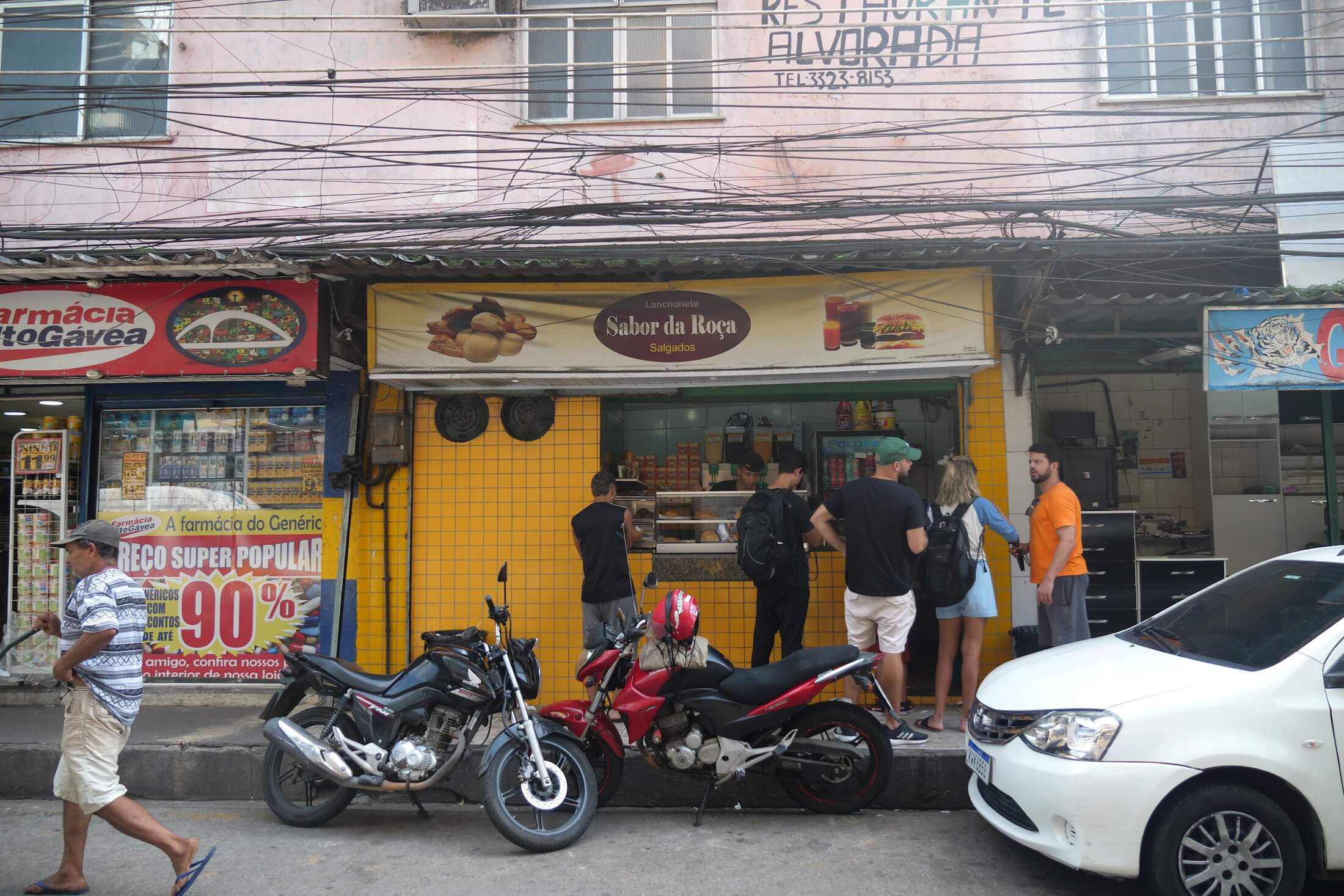
The economy of Rocinha is a bustling ecosystem of small-scale entrepreneurship. The streets are lined with "salgados" shops and small cafes that serve as the community’s social hubs. Gastronomy in the favela is not merely about sustenance; it is a vital economic driver and a point of cultural pride.
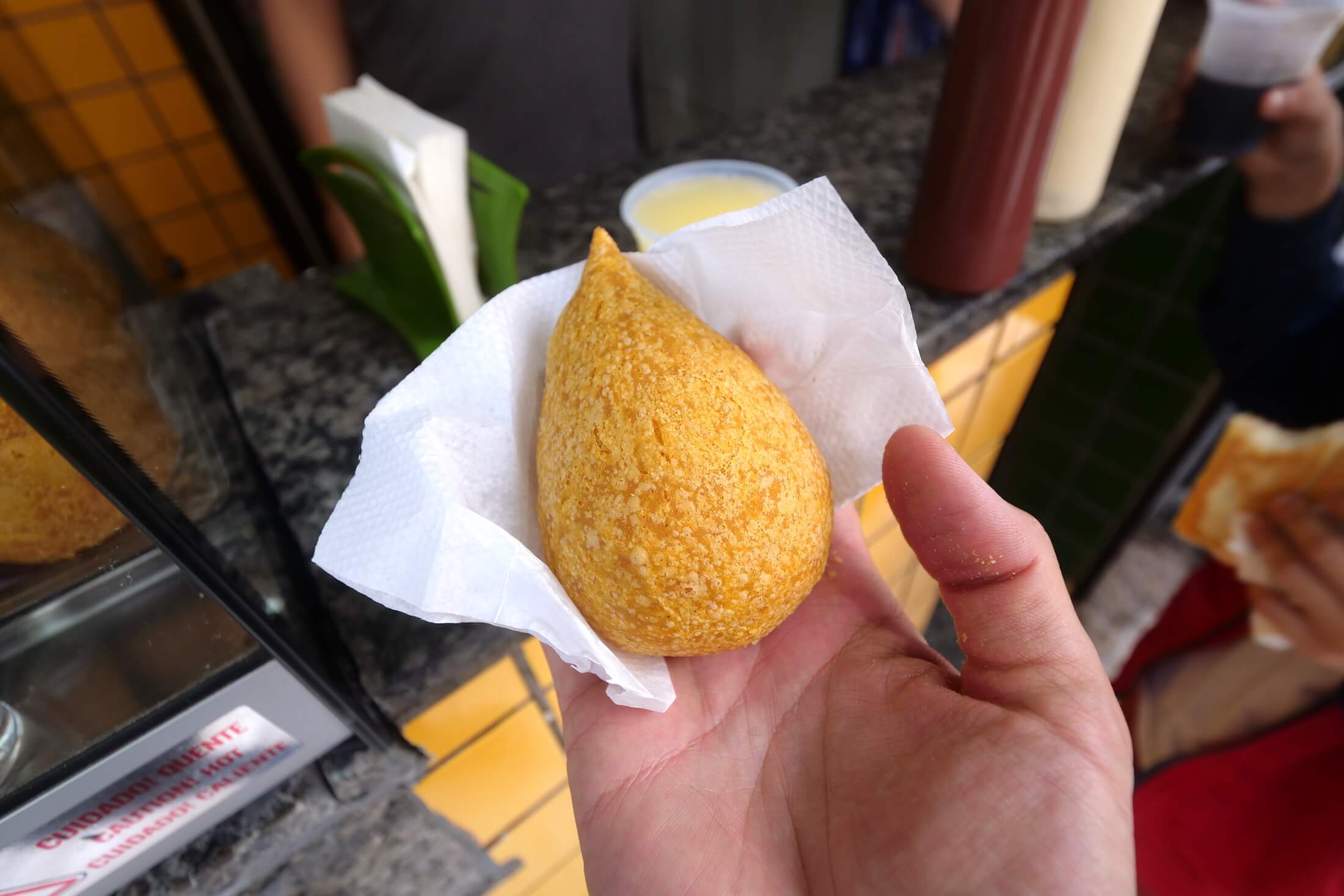
One of the most ubiquitous snacks is the coxinha—a teardrop-shaped dough filled with shredded chicken and often cream cheese (catupiry), then breaded and fried. These snacks, ranging from R$2 to R$5, represent the accessibility of the local food economy. Furthermore, the concept of the "salgado" (savory snack) is central to Brazilian daily life, often sold as a "completo" combination with fresh fruit juice or coffee.
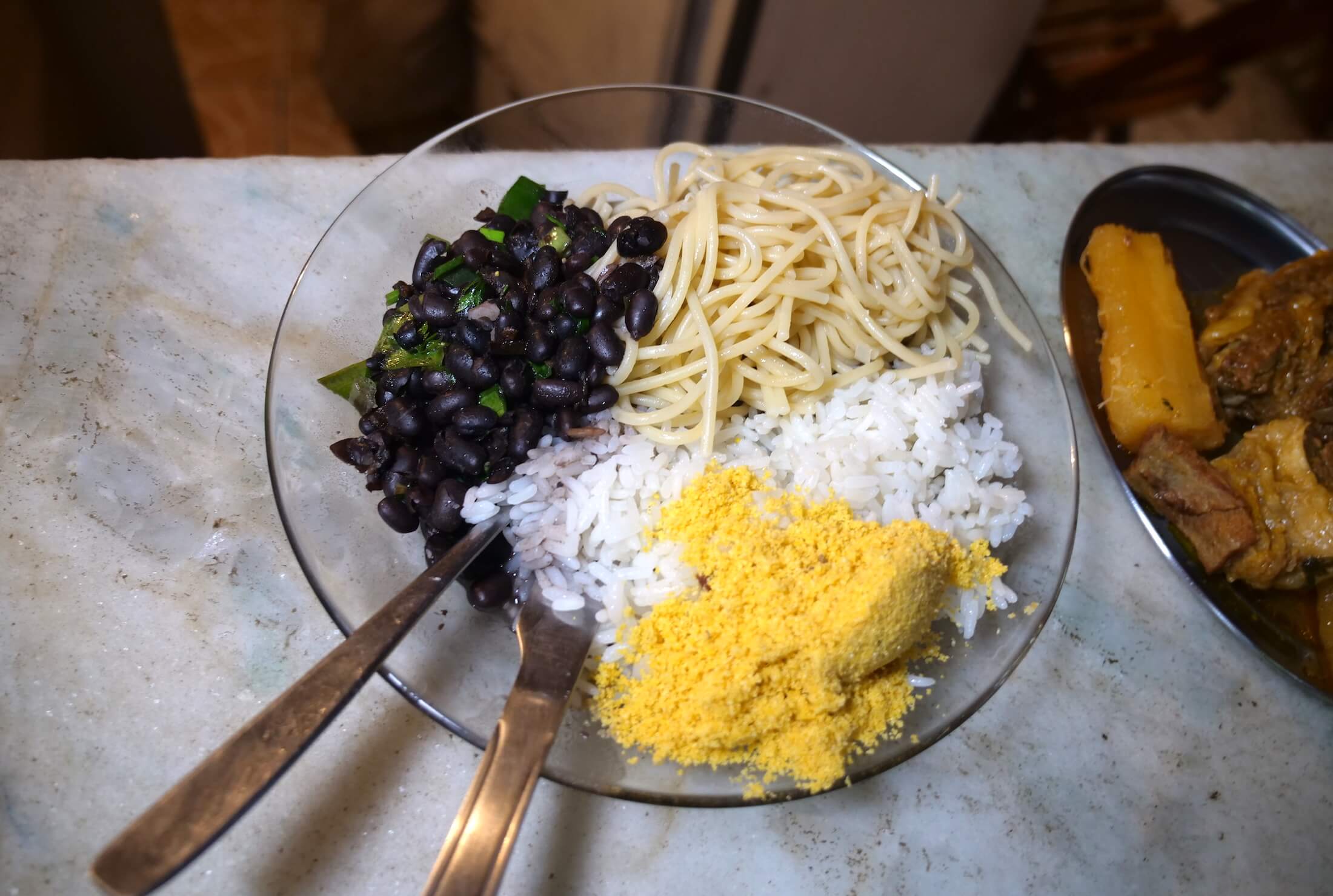
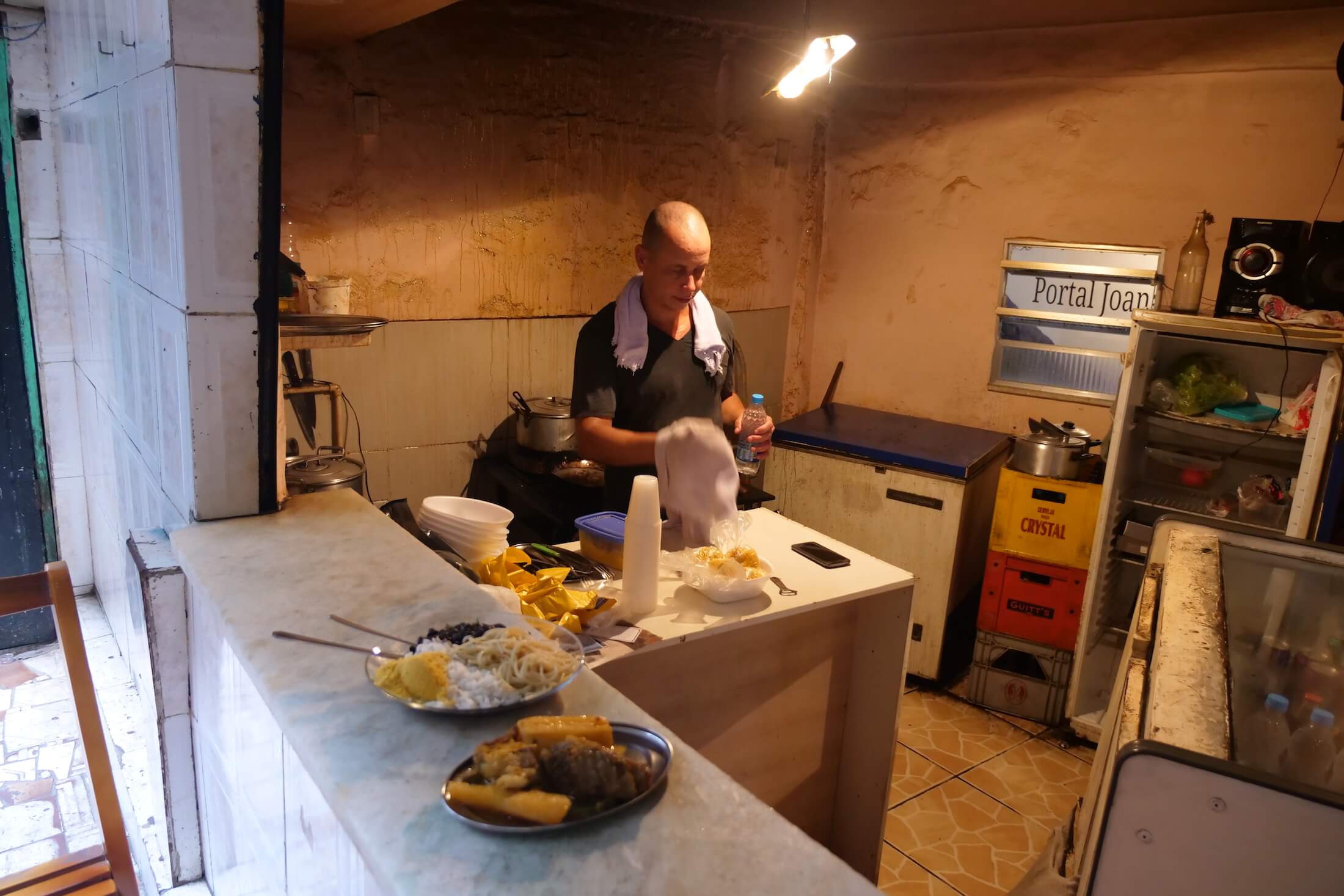
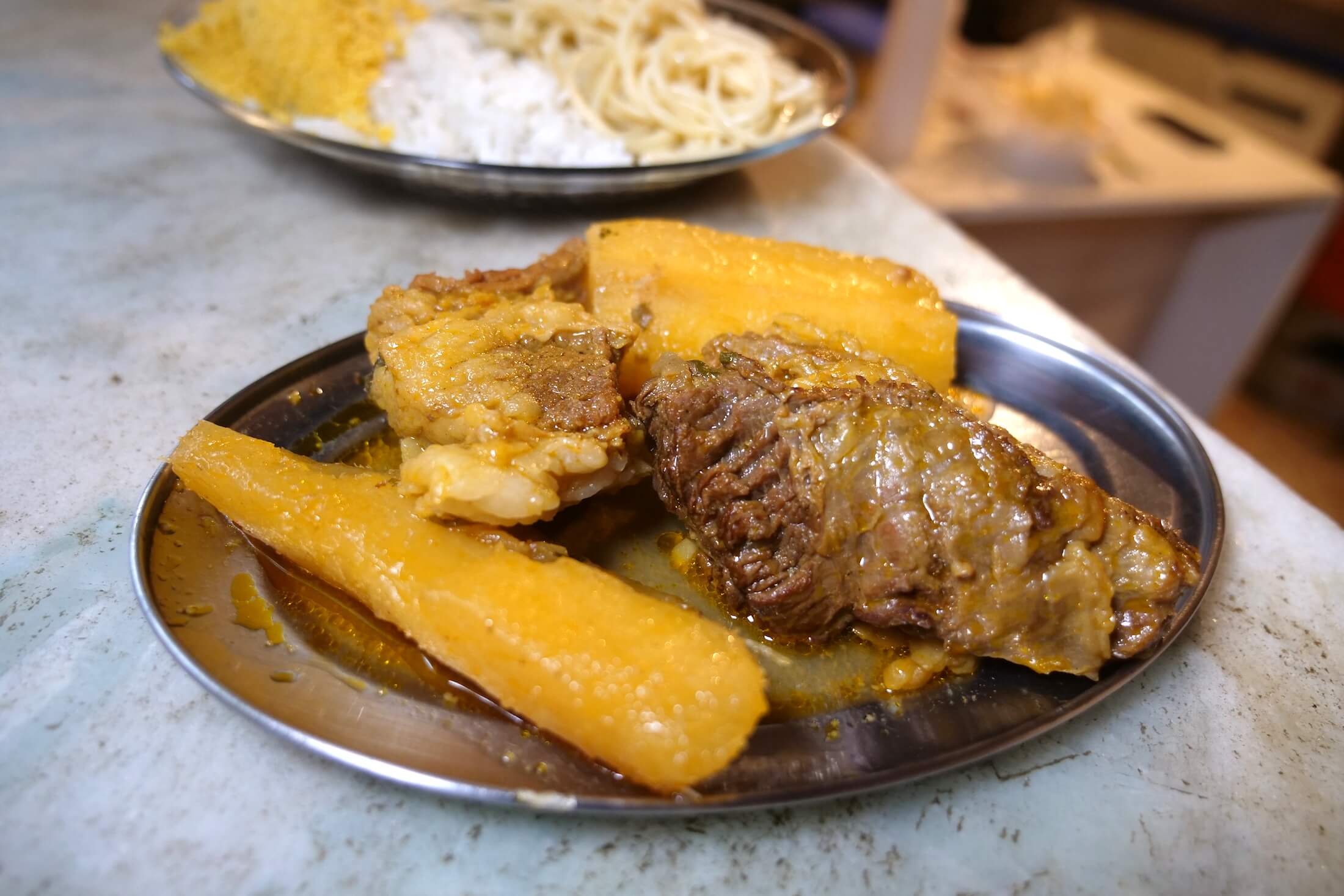
Beyond street snacks, the community is home to "invisible" restaurants, such as the establishment run by a local chef known as Alexander. Operating out of his own kitchen without a formal sign, Alexander serves traditional Brazilian staples to a steady stream of residents and visitors. His menu typically includes a hearty combination of rice, black beans, spaghetti, and slow-cooked beef with cassava (manioc). A critical component of these meals is farofa—toasted cassava flour—which adds texture and absorbs the juices of the stewed meats. For a fixed price of R$10 (US$2.50), these meals provide high-protein, calorie-dense nutrition for the neighborhood’s working-class population. This model of home-based business is a hallmark of the favela’s resilient informal economy.
Cultural Identity Through the Lens of Urban Art
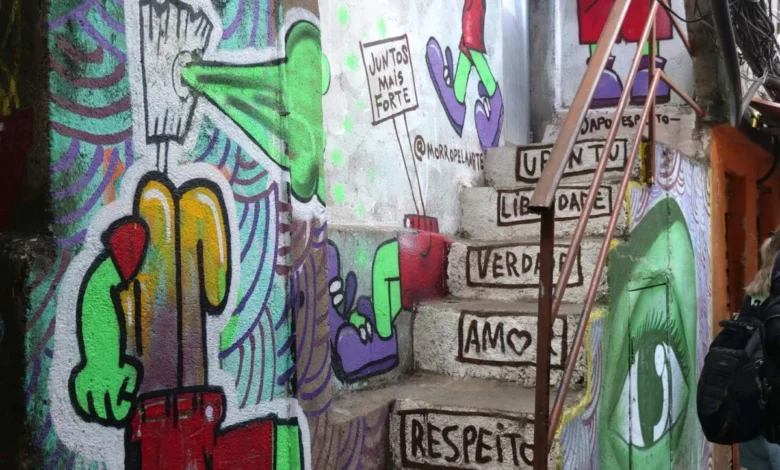
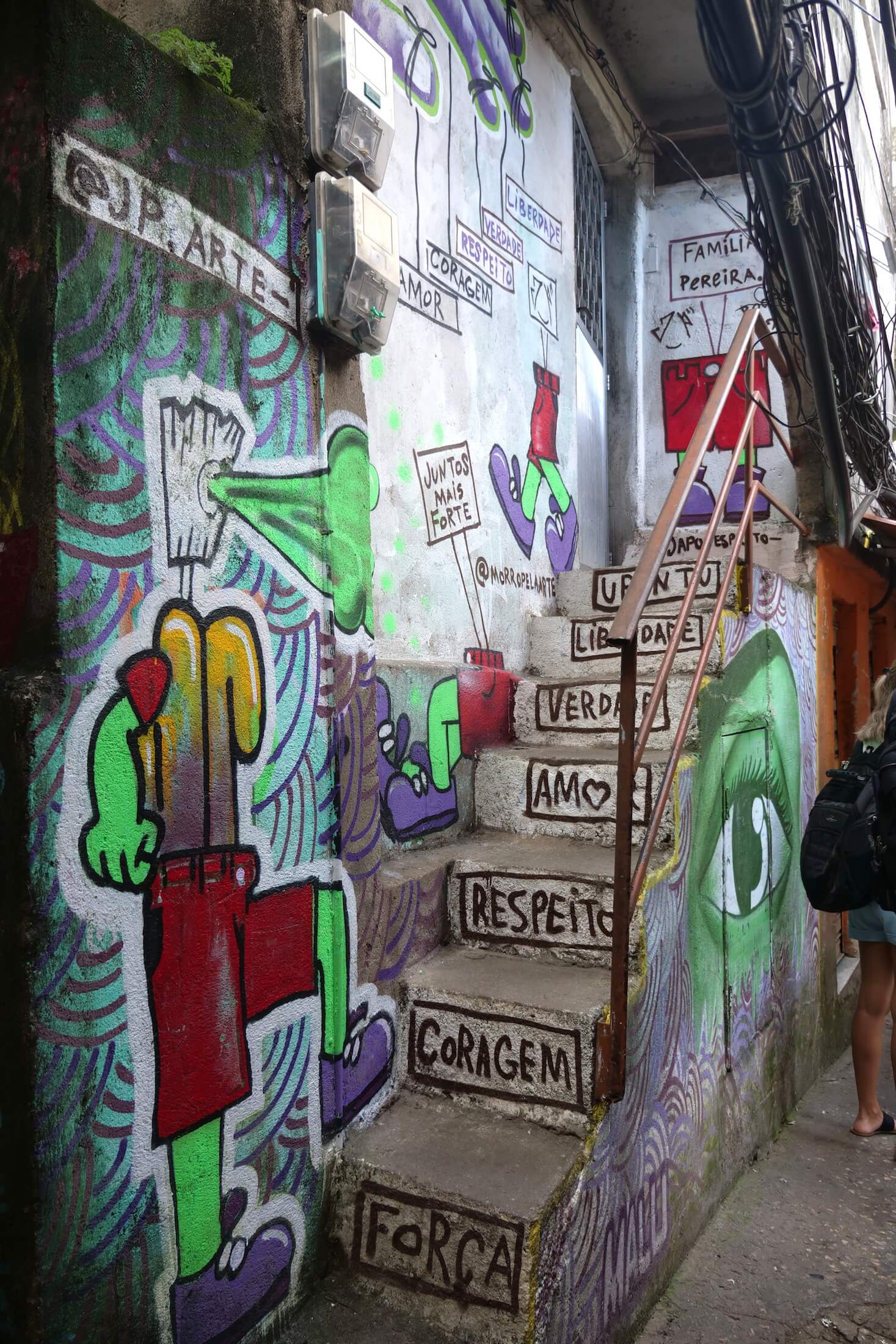
Art serves as the visual voice of Rocinha. Every available surface—from the concrete retaining walls to the sides of residential buildings—is frequently adorned with murals and graffiti. This is not merely decorative; it is a form of social documentation. Many young artists in the community use their work to challenge external perceptions of the favela, depicting scenes of daily life, local heroes, and the natural beauty that surrounds the hillside.
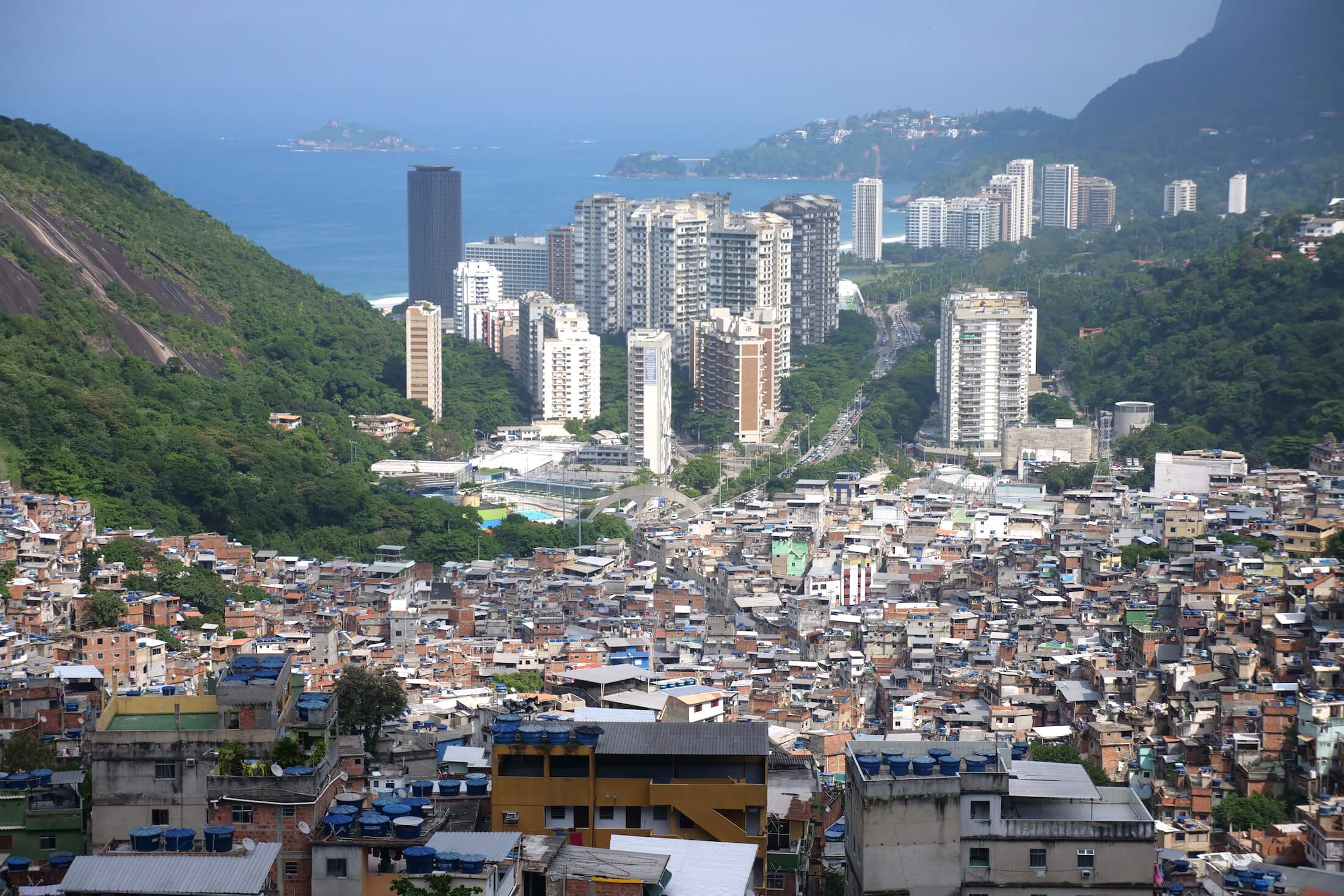
The "Gate of Heaven" (Portão do Céu) is a prominent viewpoint located at one of the highest points in Rocinha. From this vantage point, the contrast of Rio de Janeiro is starkly visible: the dense, terracotta-colored roofs of the favela in the foreground, the luxury high-rises of São Conrado in the middle ground, and the vast Atlantic Ocean beyond. This geographic proximity to extreme wealth has historically defined the social tensions of the city, yet the art within the favela seeks to bridge this gap by showcasing the community’s intrinsic value and creativity.

Security Challenges and the Paradox of Perception
The reputation of Rocinha is often dictated by sensationalist media coverage that focuses exclusively on sporadic conflict. While it is true that the community has faced significant challenges regarding public safety and organized crime, the reality for the average resident is one of normalcy and hard work. The presence of banks, pharmacies, and chain stores within Rocinha indicates a level of commercial stability that contradicts the "lawless" narrative often projected from the outside.
Official responses to the security situation have shifted over the years. Human rights organizations and community advocates have often called for a shift in government policy—from a strictly militarized approach to one focused on social investment. "The favela is not a problem to be solved by the police; it is a neighborhood that requires the same public services as any other," a community organizer recently stated in a local forum. This sentiment reflects a growing movement within Brazil to treat favelas as legitimate urban districts rather than peripheral anomalies.
Broader Implications for Urban Planning and Social Integration
The continued growth of Rocinha and similar communities highlights a global trend in urban development: the rise of the "informal city." As urban populations swell worldwide, the traditional models of top-down city planning are being challenged by the organic, bottom-up growth seen in Rio’s hillsides.
The implications for Brazil’s future are significant. The integration of favelas into the formal city grid—not through demolition, but through the provision of titles, improved sanitation, and reliable public transit—is seen by many urbanists as the only viable path forward. The resilience of Rocinha’s residents, their entrepreneurial spirit, and their cultural contributions are increasingly recognized as essential components of Rio de Janeiro’s identity.
In conclusion, Rocinha is a microcosm of the Brazilian struggle and triumph. It is a place where the sensory experience—the smell of frying coxinhas, the sound of moto-taxis, and the sight of sprawling murals—reveals a community that is vibrant and essential. By looking beyond the "slum" label, observers can find a sophisticated urban society that, despite historical neglect, continues to build, create, and sustain itself against the backdrop of one of the world’s most beautiful landscapes. The story of Rocinha is not one of poverty, but of the enduring human capacity for organization and expression in the face of architectural and social adversity.