The global wine market has long been dominated by a singular aesthetic when it comes to rosé: the pale, salmon-hued bottles of Provence, France. Known for their crisp acidity and light fruit profiles, these French wines have defined the category for decades. However, a significant shift is occurring within the viticultural industry as Spanish Rosado begins to challenge this hegemony. Often overlooked in favor of Spain’s robust reds, Rosado is emerging as a sophisticated alternative that offers a distinct structural complexity and a unique heritage of grape blending. As part of a broader educational initiative known as the Wine Tasting Challenge—a curriculum designed to refine the consumer palate through the exploration of 34 wines from 12 countries—the spotlight has recently turned to the high-altitude vineyards of Rioja to examine why Spanish pink wines are garnering renewed respect from oenophiles and critics alike.
The Oenological Profile of Spanish Rosado
To understand the rise of Spanish Rosado, one must first look at the specific viticultural techniques and varietals that differentiate it from its French counterparts. While Provencal rosé is often characterized by a direct-press method focusing on Cinsault and Grenache, Spanish winemakers frequently employ the "sangrado" (saignée) method or complex blending strategies involving indigenous grapes.
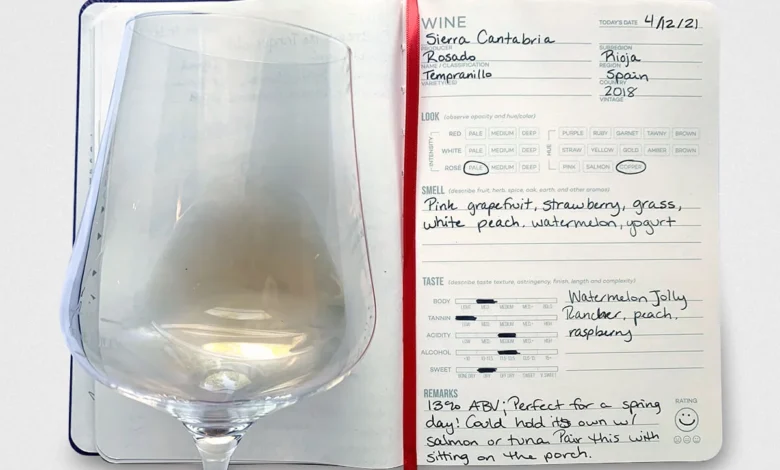
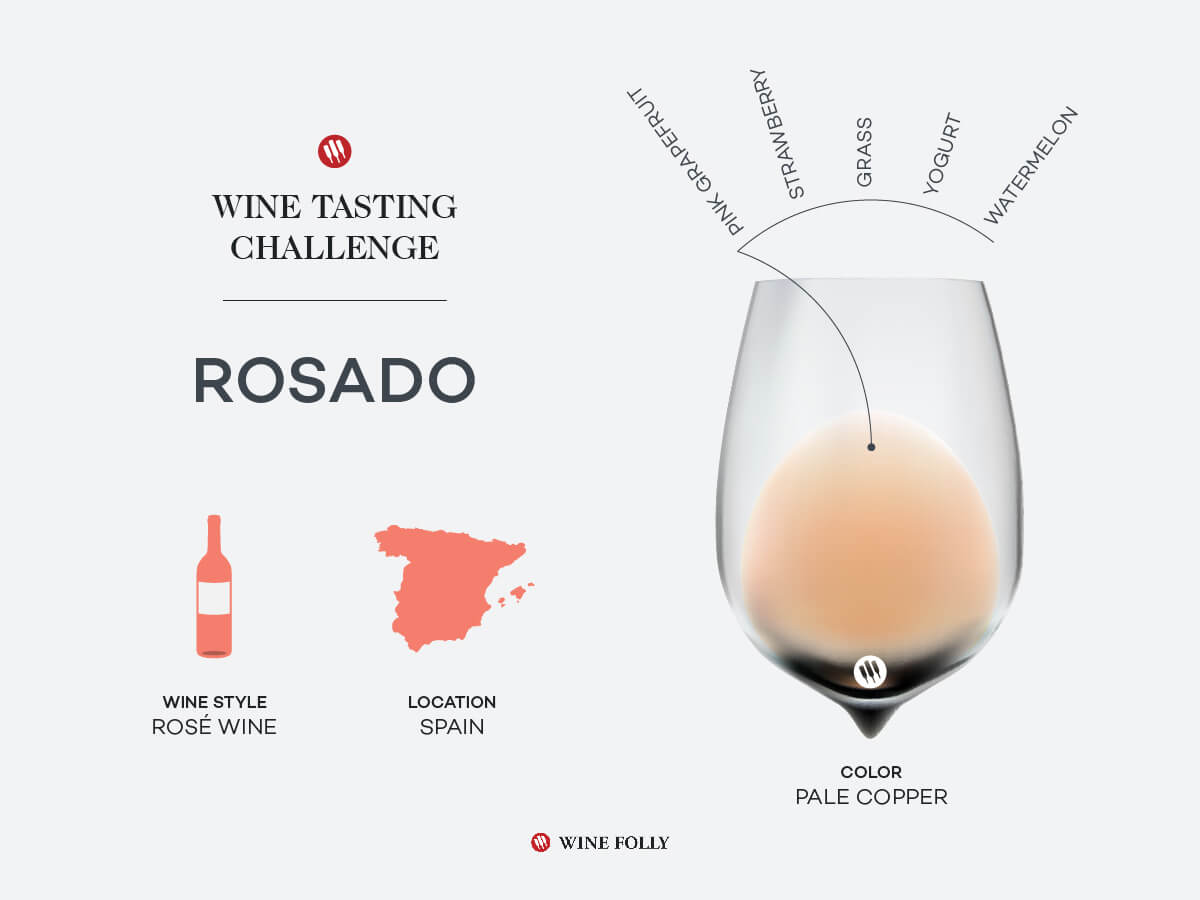
A primary example of this craftsmanship is found in the 2018 Sierra Cantabria Rosado from the Rioja region. This wine serves as a technical benchmark for the category. Unlike many mass-market rosés that rely on a single varietal, the Sierra Cantabria is a calculated blend of three essential Spanish grapes: Tempranillo, Garnacha, and Viura.
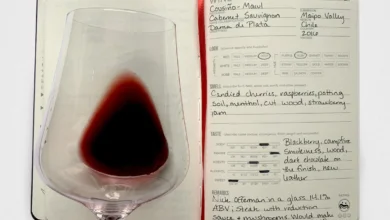
Tempranillo, the backbone of Spanish viticulture, typically provides deep color, significant tannins, and dark fruit notes in red wine production. In the context of a Rosado, it offers structural integrity and a hint of boldness that prevents the wine from becoming overly ephemeral. Garnacha (Grenache) contributes the vibrant red fruit characteristics—strawberry and raspberry—that are hallmark traits of the style. Perhaps most significant is the inclusion of Viura, also known as Macabeo. As the primary white grape used in the production of Cava, Viura provides the high acidity and citrus-driven lift necessary to balance the weight of the red grapes. The resulting wine presents a pale copper appearance with an aromatic profile consisting of pink grapefruit, white peach, and watermelon, underscored by a distinct herbaceous finish.
Regional Context: The Dominance of Rioja
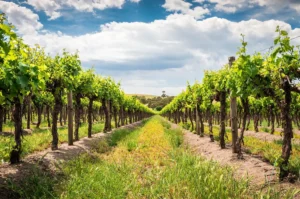
The emergence of high-quality Rosado is inextricably linked to the Rioja region, a territory traditionally celebrated for its Gran Reserva reds. Rioja’s diverse climate, influenced by both Atlantic and Mediterranean air masses, allows for a long growing season that is conducive to maintaining the acidity required for premium rosé.
Historically, Rosado was viewed as a secondary product in Spain, often made from the juice bled off from red wine tanks to increase the concentration of the remaining red wine. However, the modern era has seen a transition toward "intentional" Rosado, where grapes are harvested specifically for rosé production at lower sugar levels and higher acidity. The Sierra Cantabria estate, managed by the Eguren family since the 1870s, exemplifies this shift. By utilizing vineyards in the San Vicente de la Sonsierra region, producers can leverage calcareous clay soils to produce wines with a mineral edge that rivals the best of Bandol or Tavel.
Chronology of the Rosé Revolution
The journey of Spanish Rosado from a local staple to a global contender has followed a specific timeline of market evolution:
- The Pre-2000s Era: Spanish Rosado was largely consumed domestically. Most international consumers associated Spanish wine almost exclusively with Sherry or oak-aged Rioja reds.
- The 2010s Provence Boom: The global explosion of "Provence Style" created a massive demand for dry, pale rosés. This forced winemakers in Spain to refine their techniques, moving away from the darker, heavier "clairete" styles of the past toward more elegant, food-friendly iterations.
- 2018–Present: A period of "Palate Diversification." As consumers became more educated through programs like the Wine Tasting Challenge, there was a growing fatigue with the uniform profile of French rosé. This opened a market window for Spanish Rosado, which offers a different flavor spectrum—incorporating notes of blood orange, dried herbs, and a more pronounced tannic structure.
Supporting Data and Market Trends
Statistical analysis of the wine industry confirms the growing footprint of Spanish rosés. According to data from the Spanish Wine Market Observatory (OEMV), while red wine remains the country’s largest export by volume, the value of Rosado exports has seen a steady increase as producers move toward premiumization.
In the United States, which remains one of the largest markets for rosé, imports from Spain have seen a year-over-year uptick. Industry reports suggest that consumers are increasingly looking for "value-driven premiumization"—wines that offer the complexity of a $40 French bottle at a $20 to $25 price point. Spanish Rosados, such as those from Rioja and Navarra, fit this niche perfectly. Furthermore, the versatility of the Tempranillo-Garnacha-Viura blend allows these wines to perform well in professional tasting circuits, often scoring in the 90+ point range in publications like Wine Spectator and Decanter.
Industry Responses and Expert Analysis
The shift toward Spanish Rosado has prompted reactions from sommeliers and distributors who are recalibrating their portfolios. Market analysts suggest that the "seasonal" nature of rosé is dissolving, with Spanish versions leading the charge as year-round gastronomic wines.
"The structural components of a Rioja Rosado make it a more viable candidate for the dinner table than the lighter styles of the Mediterranean coast," notes one industry analyst. "When you have the acidity of Viura paired with the slight tannic grip of Tempranillo, you aren’t just looking at a porch-sipping wine; you’re looking at something that can pair with fatty fish, grilled poultry, or even spicy Mediterranean cuisine."
This sentiment is echoed by educators involved in the Wine Tasting Challenge. The objective of including a Spanish Rosado in a global curriculum is to dismantle the "pink stuff" stigma. By treating Rosado with the same analytical rigor as a Cabernet Sauvignon or a Chardonnay, the industry is fostering a more sophisticated consumer base that values regionality and varietal authenticity over brand recognition or color alone.
Broader Impact and Future Implications
The rise of Spanish Rosado is more than a mere trend; it represents a broader movement toward viticultural diversity. As climate change impacts traditional growing regions, the ability of Spanish winemakers to blend red and white grapes—a practice strictly regulated in some French AOCs but more flexible in parts of Spain—provides a tool for maintaining consistency and quality.
Furthermore, the economic implications for Spanish rural regions are significant. By elevating Rosado to a "prestige" category, smaller estates in Rioja, Penedès, and Navarra can command higher prices, ensuring the sustainability of family-owned vineyards. The success of the 2018 Sierra Cantabria Rosado and similar labels serves as a proof of concept: Spain is no longer just the land of red wine; it is a formidable producer of world-class, terroir-driven rosé.
As the Wine Tasting Challenge continues to introduce enthusiasts to the nuances of global production, the "French herd" may find themselves sharing more shelf space with the bold, acidic, and complex offerings from the Iberian Peninsula. For the consumer, this means a broader spectrum of choice and a deeper understanding of how the interplay of grape, soil, and tradition can transform a simple glass of pink wine into a profound oenological experience. The next time a bottle of Spanish Rosado is uncorked on a spring afternoon, it will be recognized not as a substitute for French wine, but as a superior expression of Spanish winemaking identity.