The Venezuelan Cocada, a rich and velvety coconut beverage, is emerging as a celebrated refreshment across Latin America, particularly gaining traction during the warmer months. This delightful drink, known for its simple preparation and intensely satisfying flavor, offers a taste of tropical paradise in every sip. While originating from Venezuela, its popularity has transcended borders, drawing comparisons to beloved Colombian coconut-based drinks like Coco Loco and Limonada de Coco, highlighting a shared appreciation for the versatile coconut in regional cuisine.
The Genesis of a Tropical Favorite
The Cocada is more than just a beverage; it’s a testament to the abundant tropical produce available in Venezuela and across Latin America. Fresh coconuts, a staple in the region, form the heart of this drink, providing both liquid refreshment and creamy flesh. The recipe, often passed down through families, allows for variations, with each household adding its unique touch. The version highlighted here, shared by a Venezuelan friend’s mother, emphasizes a wonderfully balanced blend of authentic flavors and textures.
The core ingredients for a classic Venezuelan Cocada typically include:
- Fresh Coconut: The water and flesh from a ripe coconut are essential, providing the drink’s signature tropical essence and creamy base. The availability of fresh coconuts in local markets makes this an accessible ingredient for many.
- Dry Milk: Whole dry milk is often incorporated to enhance the beverage’s creamy consistency, lending it a smooth, milkshake-like texture. Alternatives such as whole milk or evaporated milk can also be used, offering slightly different flavor profiles and richness.
- Sweetened Condensed Milk: This ingredient is crucial for imparting a delightful sweetness and contributing further to the luxurious creaminess of the Cocada.
- Vanilla Extract: A high-quality vanilla extract elevates the overall flavor profile, adding a warm, aromatic depth that complements the coconut.
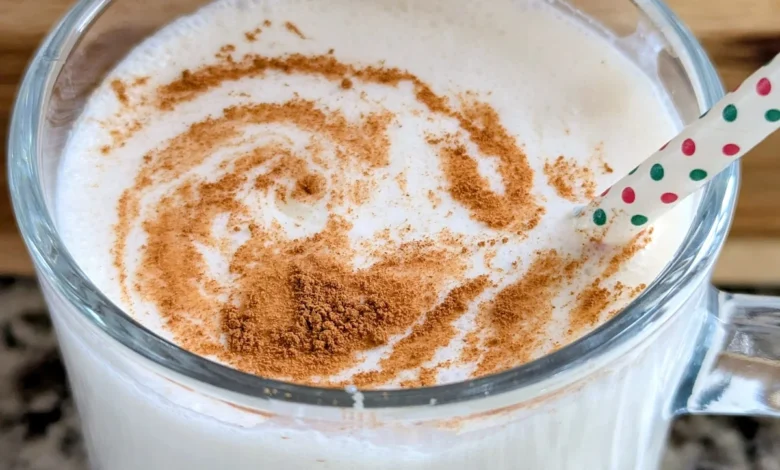
- Cinnamon: Both ground cinnamon and a cinnamon stick for garnish are often used. Cinnamon not only adds an extra layer of warm spice but also serves as a traditional and visually appealing topping.
- Ice: Crucial for achieving the perfectly chilled, invigorating quality that makes Cocada a sought-after refreshment, especially in hot climates.
A Simple Path to Tropical Bliss
The preparation of Venezuelan Cocada is remarkably straightforward, making it an ideal choice for a quick, refreshing treat. The process typically involves blending all the primary ingredients together until a smooth, homogeneous mixture is achieved. The resulting concoction is then poured into a tall glass, often garnished with a sprinkle of ground cinnamon, creating an inviting visual and aromatic appeal.
The ease of preparation belies the sophistication of its flavor. The natural sweetness of the coconut is enhanced by the condensed milk, while the dry milk provides a velvety mouthfeel. The subtle warmth of vanilla and the aromatic touch of cinnamon create a harmonious blend that is both comforting and invigorating. This simplicity is a key factor in its widespread appeal, allowing home cooks to recreate a taste of Venezuelan tradition with minimal effort.

Cultural Resonance and Culinary Connections
The popularity of Cocada is deeply intertwined with the cultural significance of coconut in Latin American cuisine. Across the Caribbean and coastal regions of South America, coconut is a foundational ingredient in countless dishes and beverages. In Colombia, for instance, drinks like Coco Loco, a rich coconut cocktail, and Limonada de Coco, a zesty coconut limeade, are local favorites. The Venezuelan Cocada shares this lineage, evoking a sense of nostalgia and connection to coastal life for many.
Erica Dinho, a Colombian food blogger whose family roots lie in traditional Colombian cooking, notes the striking similarities and complementary flavors between Cocada and her native coconut drinks. "When I first tried this Venezuelan Cocada from a friend, it immediately transported me back to the coasts of Colombia," she shared. "It reminded me of the comforting and vibrant flavors of Coco Loco and Limonada de Coco. It’s a beautiful example of how shared ingredients like coconut can lead to such diverse and delicious expressions across different cultures."
The variations in Cocada recipes underscore its status as a beloved, adaptable folk tradition. While the core ingredients remain consistent, personal touches—such as the specific type of coconut used, the ratio of sweeteners, or the addition of other subtle flavorings—can differentiate one Cocada from another. This familial adaptation ensures that the drink remains relevant and cherished across generations.

Beyond the Recipe: Nutritional Profile and Broader Implications
While primarily enjoyed as a treat, the Venezuelan Cocada offers a modest nutritional profile, largely derived from its key ingredients. A typical serving (approximately 2 cups) can contain around 336 calories, with a significant portion coming from carbohydrates (around 44g), primarily from the natural sugars in coconut and the added condensed milk. It also provides essential fats (around 15g), including saturated fats from coconut milk, and a notable amount of protein (around 8g) and calcium, largely contributed by the milk components. The fiber content, derived from the coconut flesh, is also a beneficial aspect.
The widespread enjoyment of Cocada also highlights broader trends in the global appreciation for tropical fruits and natural ingredients. As consumers increasingly seek out refreshing, flavorful, and often plant-based beverage options, drinks like Cocada are poised for continued growth. The drink’s inherent appeal lies in its natural ingredients and its ability to offer a taste of exotic locales, making it a popular choice for those seeking culinary adventure and healthful indulgence.
The accessibility of fresh coconuts in many parts of the world further contributes to Cocada’s potential for global expansion. As culinary traditions continue to cross-pollinate, drinks like the Venezuelan Cocada are becoming ambassadors of their originating cultures, offering a delightful and accessible entry point into the rich tapestry of Latin American gastronomy.

A Taste of Tradition, Served Cold
The Venezuelan Cocada stands as a vibrant example of how simple, natural ingredients can be transformed into a truly exceptional beverage. Its creamy texture, tropical sweetness, and refreshing coolness make it an irresistible choice for any occasion, but it particularly shines during the sun-drenched months. As this beloved drink continues its journey across continents, it carries with it the warmth, hospitality, and rich culinary heritage of Venezuela, offering a delicious sip of paradise to all who embrace it.