Lechona Tolimense: A Colombian Culinary Icon Celebrated for Festivities and Family

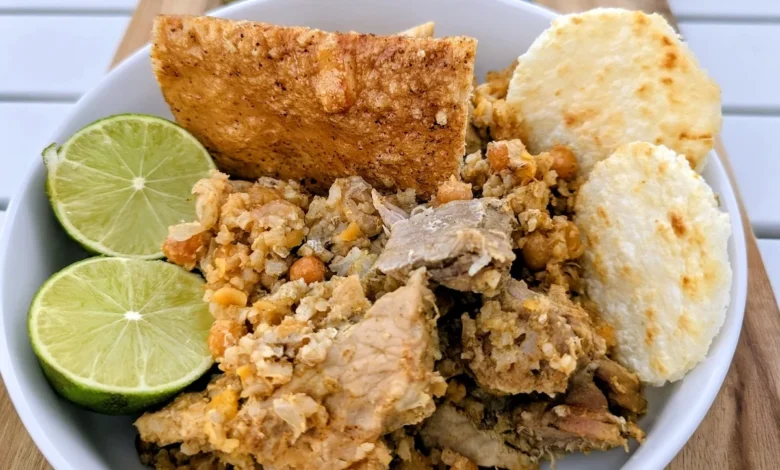
Lechona Tolimense is a traditional Colombian dish renowned for its complex preparation and its central role in festive gatherings, particularly during the holiday season. Originating from the Tolima department of Colombia, this elaborate culinary creation features a whole roasted pig, meticulously stuffed with a savory mixture of rice, peas, and aromatic spices. The entire process, from preparation to slow cooking, can extend for ten to twelve hours, often culminating in a brick oven’s intense heat to achieve a signature crispy pork skin. While the traditional preparation involves a whole hog, scaled-down versions utilizing pork skin are popular for home cooks seeking to recreate this beloved dish.

The cultural significance of Lechona Tolimense extends beyond its rich flavor profile; it is a dish deeply embedded in Colombian heritage, symbolizing celebration, community, and shared traditions. Its presence on tables during holidays like Noche Buena (Christmas Eve) and New Year’s Eve, as well as for significant personal celebrations such as birthdays, underscores its importance as a centerpiece of Colombian hospitality and culinary artistry. The dish’s popularity is evident in its widespread recognition across various regions, with slight regional variations in its preparation, such as the inclusion or exclusion of rice in the stuffing.
Historical Context and Regional Variations
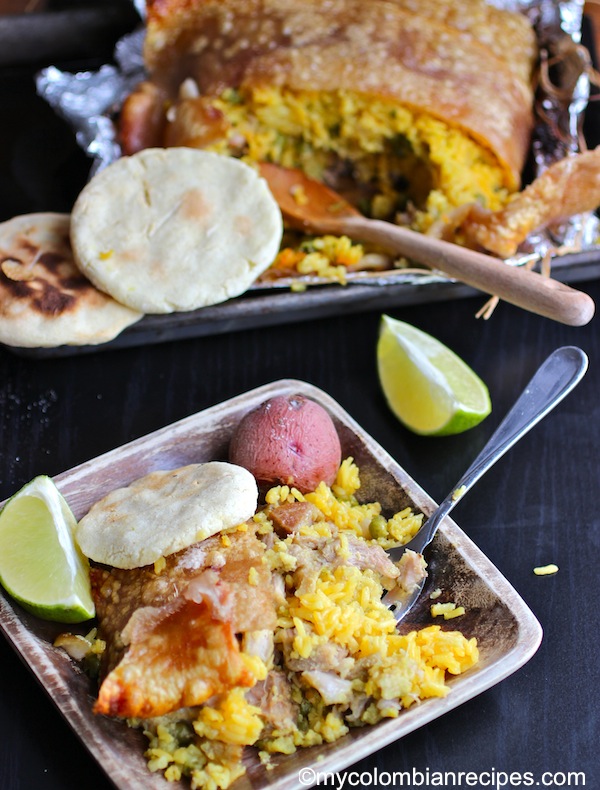
The precise origins of Lechona are often debated, but its strong association with the Tolima region is undeniable. This department, situated in the central part of Colombia, is known for its agricultural richness and vibrant culinary traditions. Lechona Tolimense, in its most authentic form, is typically prepared with pork and yellow peas. However, as the dish gained popularity across Colombia, regional adaptations emerged. For instance, in other areas, it’s common to find Lechona prepared with pork, rice, peas, and even potatoes, reflecting the diverse agricultural produce and culinary preferences of different Colombian departments.
The traditional method of cooking Lechona in a brick oven is a testament to the dedication and skill involved in its preparation. This slow-cooking process, often spanning up to twelve hours, allows the flavors to meld beautifully and ensures the pork is tender while the skin achieves its characteristic crispiness. This extended cooking time also contributes to the dish’s communal nature, as families and communities often gather to prepare and share the cooking process, reinforcing social bonds.

Ingredient Deep Dive
The essence of Lechona Tolimense lies in its carefully selected ingredients, each contributing to the final symphony of flavors and textures. The primary component, of course, is the pork. While traditional preparations use a whole pig, home cooks often opt for cuts like pork loin roast, pork butt, or pork shoulder for a more manageable version. The stuffing is a crucial element, traditionally comprising rice and peas. Yellow peas are often preferred for their distinct flavor and texture, though green peas are an acceptable substitute.
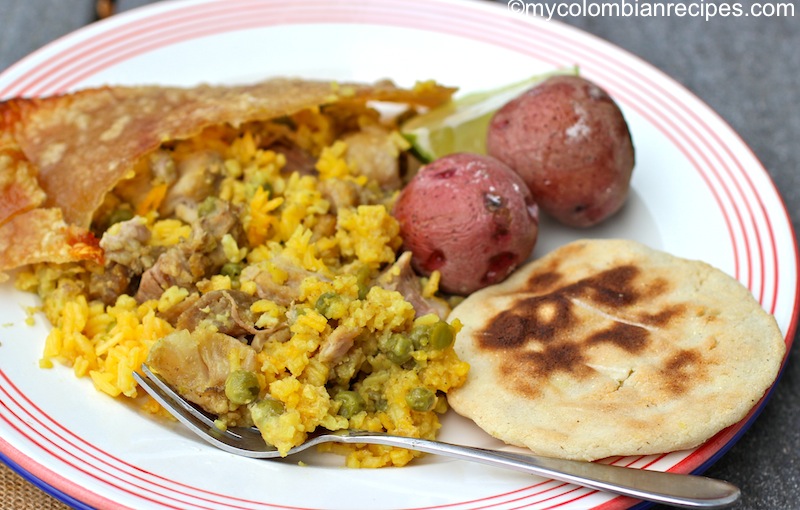
Aromatic vegetables play a vital role in the marinade, with scallions and garlic forming the flavor base. The spice blend is equally important, featuring ground cumin for warmth, achiote for its vibrant color and earthy notes, and the essential seasonings of salt and pepper. The crucial element for achieving that sought-after crunch is the pork skin, which requires careful preparation. For those making the dish at home, finding good quality pork skin is essential, often available at Latin markets or from local butchers. Pork fat, either rendered at home from pork belly or store-bought lard, adds richness and moisture to the filling.
The inclusion of rice in the stuffing is a point of regional variation, with some purists in Tolima preferring it without. However, many acknowledge that adding long-grain rice enhances the dish’s appeal and texture for a broader palate. The balance of these ingredients is key to creating a lechona that is both succulent and richly flavored, with the contrasting textures of tender meat, soft rice and peas, and the highly prized crispy skin.

A Culinary Legacy and Personal Connection
The article highlights a poignant personal connection to Lechona, shared by Erica Dinho, the author of the original piece. For her, Lechona was more than just a dish; it was intrinsically linked to cherished memories of her grandmother, "Mamita." It served as the centerpiece for their most important family celebrations, including Noche Buena, New Year’s Eve, and Mamita’s birthday parties. The author vividly recalls her grandmother’s unwavering emphasis on achieving perfectly crispy pork skin, a detail that elevated the dish to an art form in her eyes.

Mamita’s passing twenty years prior left a profound void, yet the memories associated with her culinary legacy, particularly the joy of preparing and sharing Lechona, continue to bring a smile. This personal narrative adds a layer of emotional depth to the culinary description, illustrating how food can serve as a powerful conduit for preserving family history and honoring loved ones. The sharing of a scaled-down home recipe, adapted from her mother, is a way to keep Mamita’s spirit alive and share a taste of this beloved tradition with a wider audience.
Serving Suggestions and Accompaniments

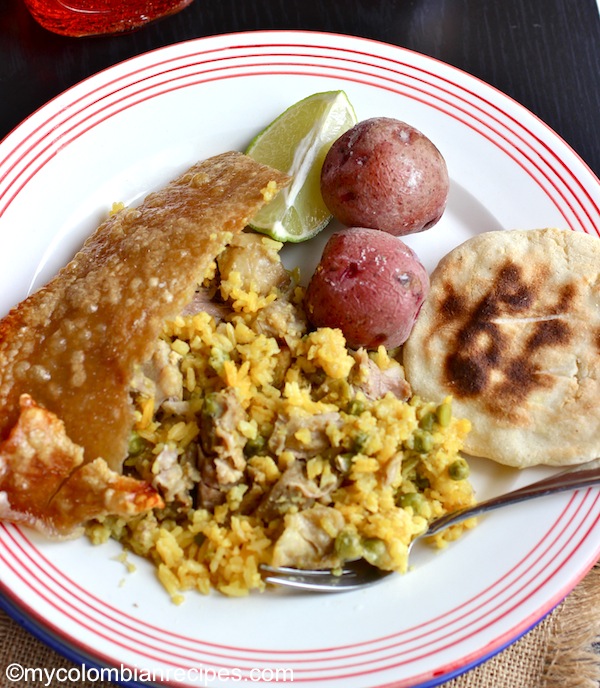
Lechona Tolimense is a substantial dish that benefits from complementary sides that balance its richness. Traditional accompaniments often include Papa Salada (Salted Potato), which offers a comforting starch element. Colombian Arepas, particularly those made from corn, provide a slightly chewy and absorbent base for the flavors of the lechona. For a refreshing contrast, Refajo, a popular Colombian beer cocktail, is often served. To add a touch of heat and zest, Ají Picante (Hot Sauce) is a common and welcome addition. These accompaniments are not merely side dishes but integral components that contribute to the overall festive and communal dining experience associated with Lechona.
The preparation of Lechona, whether the grand traditional version or a more accessible home-style adaptation, is a culinary endeavor that reflects a deep respect for tradition and a commitment to creating memorable experiences. The meticulous process, from marinating the pork to stuffing and slow-roasting, culminates in a dish that is not only a feast for the senses but also a vessel for carrying forward cultural heritage and cherished family memories.
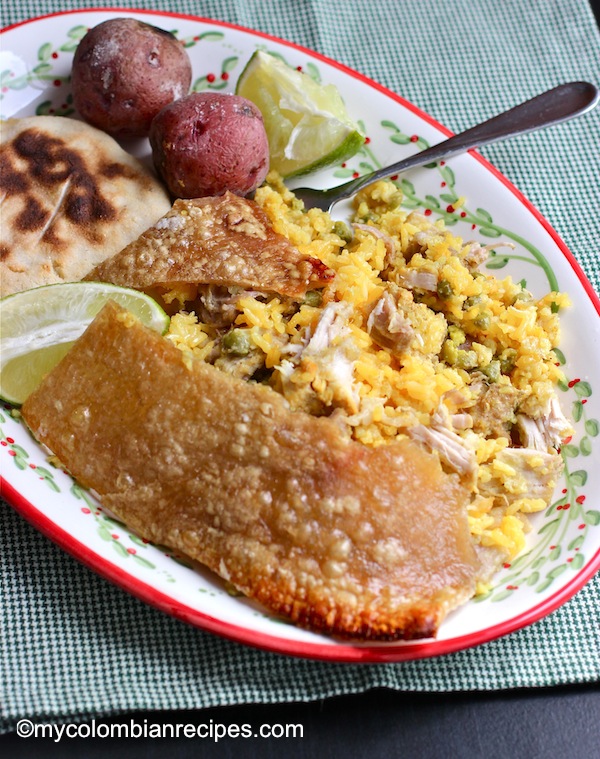
The Home-Style Adaptation: A Recipe for Accessibility
Recognizing that preparing a whole pig is beyond the reach of most home cooks, the article offers a practical adaptation of Lechona Tolimense. This scaled-down version focuses on achieving the signature flavors and textures using readily available ingredients and equipment.
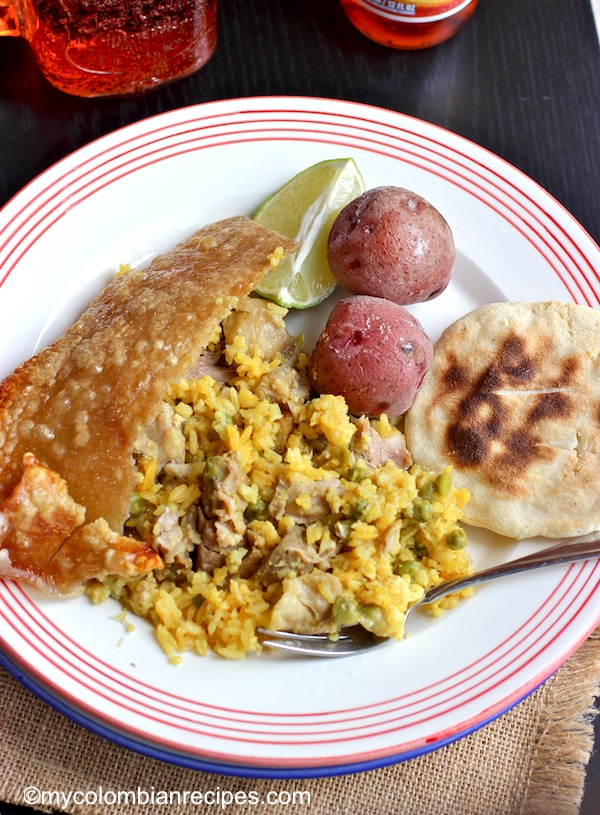
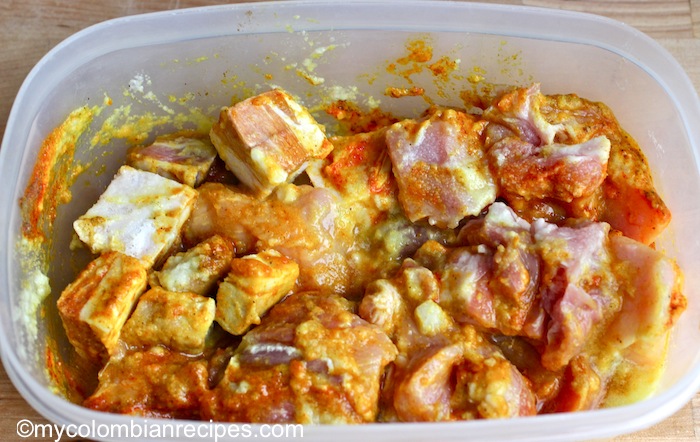
The process begins with preparing the marinade, a flavorful blend of scallions, garlic, salt, black pepper, ground cumin, and achiote, emulsified with a touch of water. This marinade is applied to the pork the day before cooking, allowing the flavors to penetrate the meat.
On the day of cooking, the cooked rice, pork fat, additional cumin, achiote, cooked peas, the reserved marinade, and more salt and pepper are combined in a large bowl. This mixture forms the flavorful stuffing.
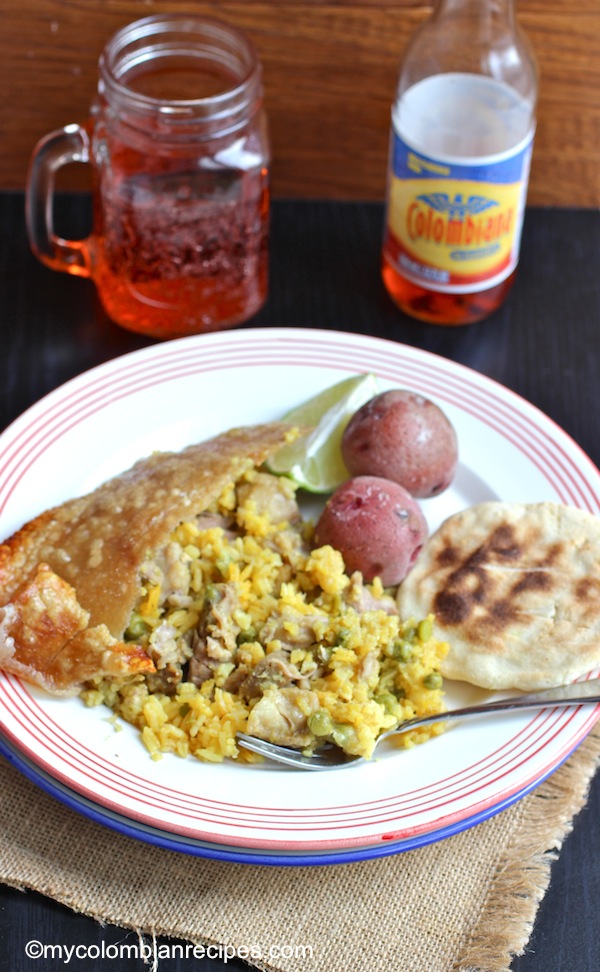
The assembly involves preparing the pork skin by rinsing and thoroughly drying it, followed by seasoning both sides with salt. The pork skin is then placed on a foil-lined baking sheet or pan, forming a base for the rice and pork mixture. The marinated pork meat is then added.
The crucial step of rolling the pork skin to enclose the filling is executed with care, ensuring a compact and well-sealed parcel. The lechona is then tied with kitchen string to maintain its shape and covered with aluminum foil.
Baking Instructions and Culinary Notes
The lechona is then baked, typically for approximately two hours, until it is cooked through and the skin is rendered to a desirable crispness. After baking, it’s essential to allow the lechona to rest for about 20 minutes before serving, allowing the juices to redistribute and the flavors to settle.
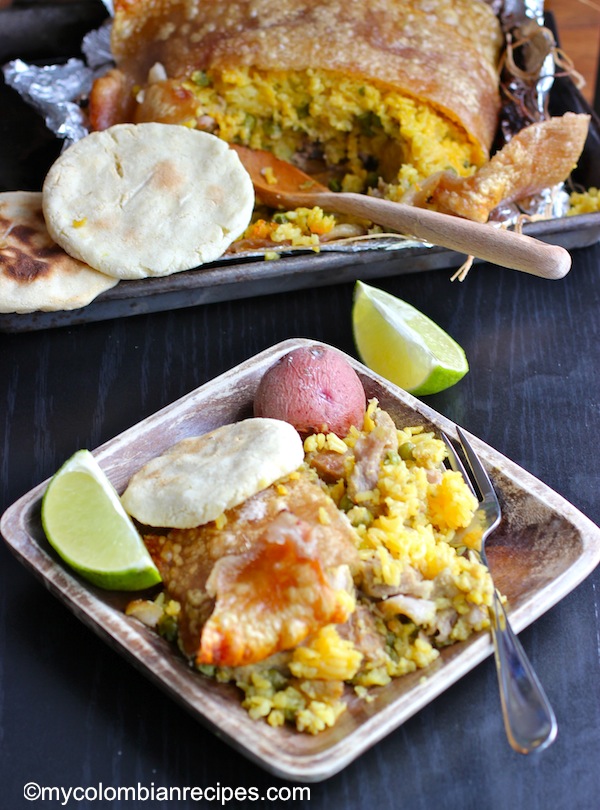
The article also provides valuable cook’s notes to enhance the lechona experience. It reiterates the regional variation in stuffing (pork and yellow peas in Tolima versus pork, rice, peas, and potatoes elsewhere). Importantly, it offers a make-ahead tip: lechona can be prepared uncooked up to three days in advance and refrigerated, then baked just before serving, making it an excellent option for planning large gatherings.
Nutritional Information and Keyword Association
For those interested in the nutritional aspects, the article provides a detailed breakdown of the dish’s macronutrient and micronutrient content per serving. A standard serving is estimated to provide approximately 1429 kcal, with significant amounts of protein and fat, reflecting its rich nature. Carbohydrates, sugar, fiber, vitamins, and minerals are also quantified.
The dish is keyworded as "colombian christmas food," further emphasizing its festive role. The provided recipe is designed for approximately 6 servings, with a prep time of 20 minutes, cook time of 2 hours, and a marinating period of 1 day, resulting in a total preparation and cooking time of 1 day, 2 hours, and 20 minutes.

In conclusion, Lechona Tolimense stands as a culinary monument in Colombian gastronomy. Its complex preparation, rich history, regional variations, and profound connection to family traditions make it a dish that transcends mere sustenance. Whether enjoyed in its authentic, labor-intensive form or adapted for home kitchens, Lechona Tolimense continues to be a celebrated symbol of Colombian culture, hospitality, and the enduring power of shared meals.