No-Bake Carrot Cake Energy Balls: A Reflection of Evolving Health-Conscious Snacking Trends

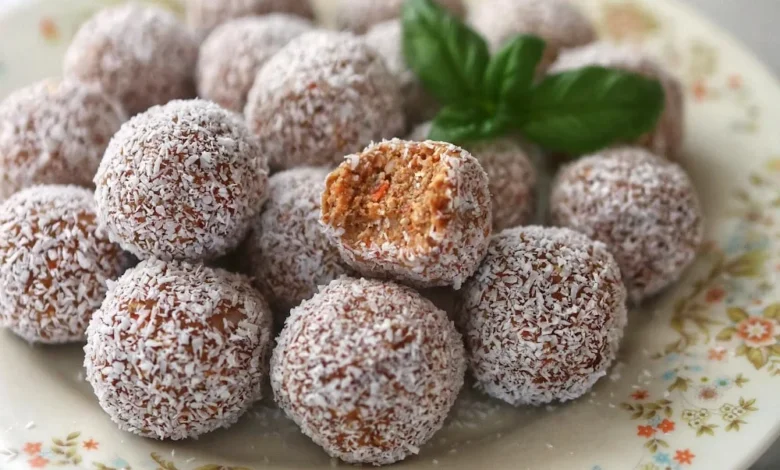
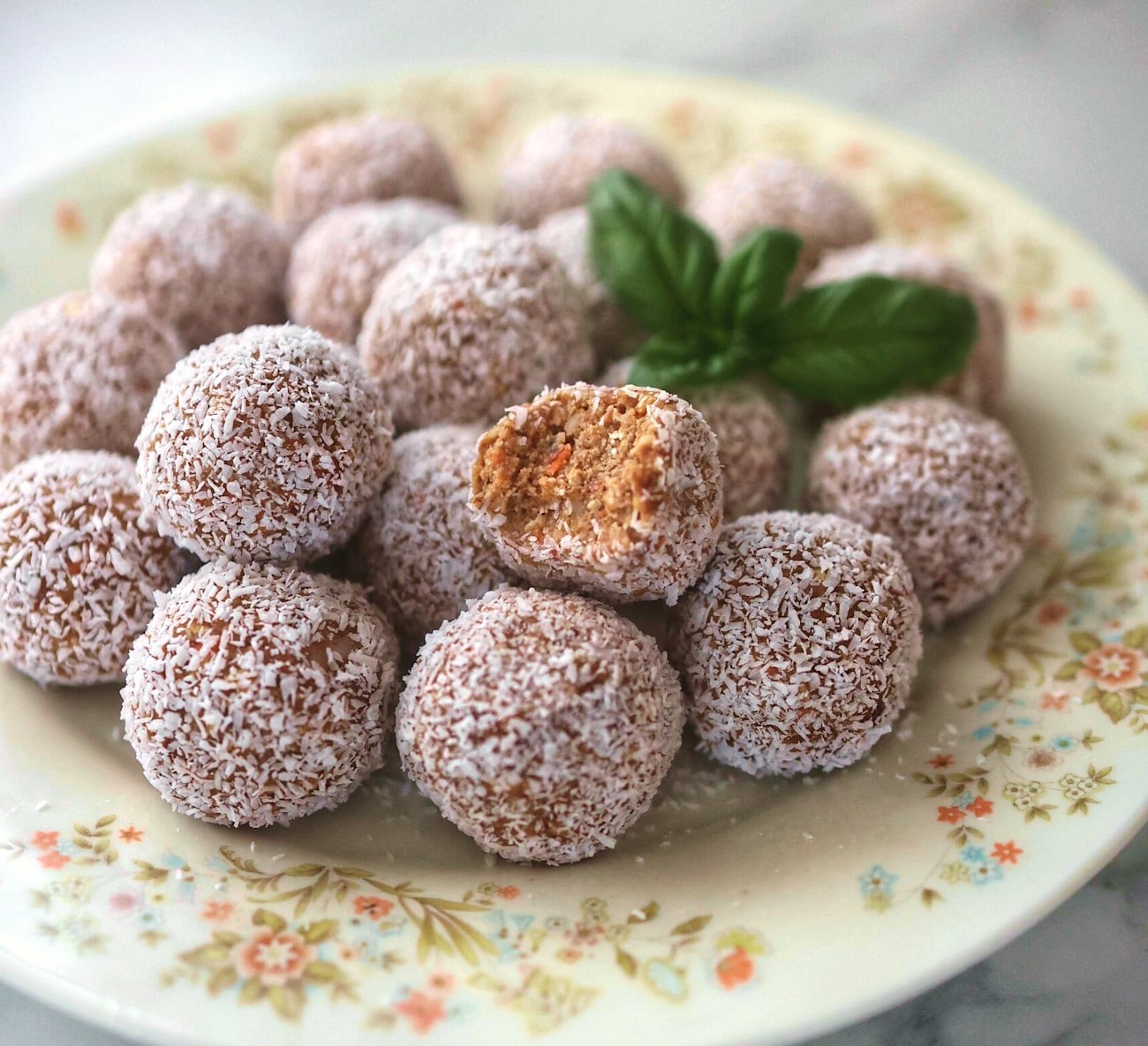
The culinary landscape continues to witness a significant shift towards healthier, more convenient, and minimally processed food options, a trend epitomized by the growing popularity of recipes like the No-Bake Carrot Cake Energy Balls. This innovative treat, featured by Chef’s Pencil, encapsulates the modern consumer’s desire for wholesome ingredients, ease of preparation, and the comforting familiarity of classic flavors, all while adhering to prevalent dietary preferences such as gluten-free and dairy-free alternatives. Crafted from a blend of dates, almonds, warm spices, and fresh grated carrot, these energy balls offer a naturally sweet, soft, and satisfyingly chewy texture, serving as a versatile option for quick snacks, light desserts, or a nutritious on-the-go fuel source.
The Resurgence of Wholesome Snacking
The emergence and widespread adoption of recipes for items such as the No-Bake Carrot Cake Energy Balls are not merely isolated culinary novelties but rather a symptomatic reflection of a broader societal pivot towards more mindful eating habits. For decades, snacking culture had been dominated by highly processed, sugar-laden, and artificially flavored products, often devoid of significant nutritional value. However, the last decade has seen a profound re-evaluation of these dietary norms. Consumers are increasingly seeking transparency in food labeling, demanding natural ingredients, and prioritizing functional foods that offer tangible health benefits beyond mere caloric intake. This paradigm shift has created fertile ground for nutrient-dense, easily prepared alternatives like energy balls.
These particular carrot cake-inspired bites leverage the inherent nutritional benefits of their core components. Dates provide natural sweetness and a rich source of dietary fiber, potassium, and antioxidants, contributing to sustained energy release rather than the sharp sugar spikes associated with refined sugars. Almonds introduce healthy monounsaturated fats, protein, and vitamin E, crucial for satiety and overall cardiovascular health. Freshly grated carrots not only infuse the distinctive flavor of carrot cake but also deliver essential vitamins, particularly beta-carotene (a precursor to Vitamin A), and additional fiber. The inclusion of warm spices like cinnamon, nutmeg, or ginger, while contributing to the classic flavor profile, also offers anti-inflammatory and digestive benefits, further elevating the nutritional standing of this simple treat. The light coating of coconut flakes adds a pleasant textural contrast and a boost of healthy fats.
The Allure of No-Bake Simplicity
A significant factor contributing to the widespread appeal of these carrot cake energy balls, and similar creations, is the "no-bake" characteristic. In an increasingly time-constrained world, efficiency in food preparation has become a highly valued attribute. Traditional baking, while rewarding, often requires precise measurements, specific equipment, and considerable time commitment for mixing, baking, and cooling. No-bake recipes, by contrast, drastically reduce these barriers to entry. The process typically involves a few simple steps: combining ingredients in a food processor, rolling them into desired shapes, and chilling. This streamlined approach makes healthy eating accessible even to individuals with limited culinary experience or minimal time.
Furthermore, the no-bake methodology carries environmental and practical advantages. It eliminates the need for oven usage, thereby conserving energy and avoiding the heat generation that can be unwelcome in warmer climates or seasons. This aspect resonates with a growing segment of the population that is conscious of their carbon footprint and seeking sustainable lifestyle choices. The minimal equipment requirement – often just a food processor or blender – also broadens the accessibility, ensuring that even those with small kitchens or basic appliances can partake in preparing wholesome snacks at home.
Tapping into Nostalgia: The Enduring Charm of Carrot Cake
The choice of carrot cake as the flavor inspiration for these energy balls is a strategic one, tapping into a deep well of culinary nostalgia. Carrot cake, with its moist texture, rich spices, and often cream cheese frosting, holds a cherished place in many dessert traditions globally. Its distinct flavor profile evokes comfort, celebration, and a sense of homemade goodness. By translating this beloved taste into a healthier, no-bake format, the recipe offers the best of both worlds: the indulgent flavor experience without the guilt or the caloric density typically associated with a traditional slice of cake.
This trend of deconstructing classic desserts and reassembling them into healthier, functional formats is a powerful force in contemporary food innovation. It demonstrates an understanding that consumers are not willing to completely abandon their favorite flavors but are actively seeking ways to enjoy them in a manner that aligns with their wellness goals. The carrot cake energy ball serves as a prime example of how traditional culinary heritage can be adapted and reimagined for modern dietary demands, bridging the gap between indulgence and health.

A Deep Dive into Nutritional Benefits and Ingredient Transparency
The commitment to whole, recognizable ingredients is a cornerstone of the health-conscious snacking movement. The No-Bake Carrot Cake Energy Balls exemplify this by relying on natural sweeteners like dates, healthy fats from almonds, and fresh vegetables in the form of carrots. This stands in stark contrast to many commercially produced snack bars that often contain high-fructose corn syrup, hydrogenated oils, artificial flavors, and preservatives.
From a nutritional science perspective, the composition of these energy balls offers several advantages. The combination of complex carbohydrates from dates and carrots, alongside healthy fats and protein from almonds, ensures a sustained release of energy, helping to stabilize blood sugar levels and prevent the energy crashes often associated with simple sugars. The high fiber content aids in digestive health and promotes a feeling of fullness, which can be beneficial for weight management. Furthermore, the inherent gluten-free and dairy-free nature of the base recipe (assuming no cross-contamination and specific ingredient choices) makes it suitable for individuals with common allergies or intolerances, further broadening its appeal in an increasingly allergy-aware population.
Market Trends and Consumer Demand
Market research consistently indicates a robust and accelerating growth in the healthy snack sector. Reports from industry analysts highlight a compound annual growth rate (CAGR) for "better-for-you" snacks that outpaces traditional snack categories. This growth is driven by several demographic shifts, including a younger generation that is more health-literate, an aging population focused on preventative health, and an overall societal trend towards active lifestyles. The "grab-and-go" convenience offered by items like energy balls directly addresses the needs of busy professionals, students, and active individuals who require quick, nutritious fuel.
Moreover, the rise of e-commerce and digital food platforms, such as Chef’s Pencil, has democratized recipe sharing and accelerated the adoption of new culinary trends. These platforms provide accessible, visual guides (like the video instructions mentioned in the original article) that empower home cooks to replicate complex-sounding but simple-to-make recipes. This digital dissemination bypasses traditional advertising channels, allowing popular recipes to gain traction organically through community engagement and shared positive experiences.

The Role of Digital Platforms in Culinary Dissemination
The immediate availability of step-by-step video guides, as highlighted by Chef’s Pencil, represents a critical evolution in how culinary information is consumed and applied. This multimedia approach caters to diverse learning styles, making recipes more approachable and less intimidating for novice cooks. The ability to "watch instead of read" breaks down barriers, fostering a sense of confidence and encouraging wider experimentation in the home kitchen. This digital fluency is not just about convenience; it is about building a community of empowered home cooks who can easily access, adapt, and share wholesome recipes.
The Chronology of Snack Evolution
The trajectory of snacking can be viewed as a pendulum swing. Initially, snacks were often simple, whole foods – fruits, nuts, or leftover meals. The mid-20th century saw the industrialization of food production, leading to an explosion of highly processed, shelf-stable, and often nutritionally compromised snack options. These products, while convenient and palatable, contributed to growing public health concerns. The late 20th and early 21st centuries, however, marked a conscious return to health-consciousness, driven by scientific understanding of nutrition and a growing awareness of food’s impact on well-being. This era has given rise to the "functional snack" – food items designed not just to satiate hunger but to provide specific health benefits. Energy balls, particularly those featuring natural ingredients and classic flavor profiles like carrot cake, represent a sophisticated stage in this evolution, blending nutritional efficacy with sensory appeal. They are part of a broader movement where consumers are demanding more from their food, seeking options that are both nourishing and enjoyable, without compromise.
Expert Perspectives and Industry Responses
Leading nutritionists and food trend analysts generally laud the rise of recipes like the No-Bake Carrot Cake Energy Balls. Dr. Eleanor Vance, a prominent dietary expert, remarked, "These types of recipes are exactly what we encourage. They teach individuals to utilize whole, unprocessed ingredients to create nutrient-dense snacks, effectively bridging the gap between healthy eating principles and practical, everyday application. The natural sweetness from dates and the fiber from carrots and almonds are far superior to the refined sugars and flours often found in traditional baked goods."
Similarly, culinary innovators within the food industry are closely monitoring these trends. Ms. Isabella Rossi, a food product development specialist, noted, "The success of homemade energy balls clearly signals consumer preference for transparency, clean labels, and functional benefits. Manufacturers are now exploring ways to scale these concepts, aiming to deliver similar nutritional profiles and ingredient integrity in mass-produced formats, without compromising on taste or convenience. The challenge lies in maintaining the ‘homemade’ quality while ensuring shelf stability."

The creator community, represented by figures like Elena-Greta Apostol from Chef’s Pencil, expresses immense satisfaction in contributing to this shift. "There’s an incredible joy in sharing recipes that empower people to eat better," Apostol stated. "Seeing how a simple idea, like transforming carrot cake into an energy ball, resonates with so many home cooks is incredibly rewarding. It’s about making healthy living feel accessible and delicious, not restrictive." This sentiment underscores the collaborative and community-driven nature of modern culinary innovation, facilitated by digital platforms.
Broader Implications for Diet, Industry, and Home Kitchens
The widespread embrace of recipes like the No-Bake Carrot Cake Energy Balls carries significant implications across various sectors. For individual dietary habits, it represents an empowering shift. By providing easily digestible, nutrient-rich alternatives to less healthy snacks, these energy balls can play a crucial role in managing cravings, stabilizing energy levels, and contributing to overall well-being. They offer a tangible, delicious way for individuals to incorporate more whole foods into their daily routines without feeling deprived.
From an industry perspective, the popularity of such homemade, clean-label snacks is a clear directive. It signals a continued demand for healthier product innovation, pushing manufacturers to re-evaluate ingredient sourcing, processing methods, and nutritional profiles of their offerings. This trend is likely to accelerate the development of more plant-based, gluten-free, and naturally sweetened commercial snack options, potentially leading to a healthier food supply chain overall.
Finally, for home kitchens, this movement fosters creativity and confidence. Recipes like the carrot cake energy balls encourage experimentation with whole ingredients, demystify healthy eating, and highlight the simplicity of preparing nutritious food from scratch. This resurgence of home cooking, driven by a desire for health and transparency, has positive ripple effects, from reducing food waste to fostering a deeper connection with the food we consume. The No-Bake Carrot Cake Energy Balls, therefore, are more than just a recipe; they are a miniature symbol of a larger, healthier culinary revolution underway.