Mastering Traditional Sunomono: The Science and Craft Behind Japan’s Iconic Chilled Cucumber Salad

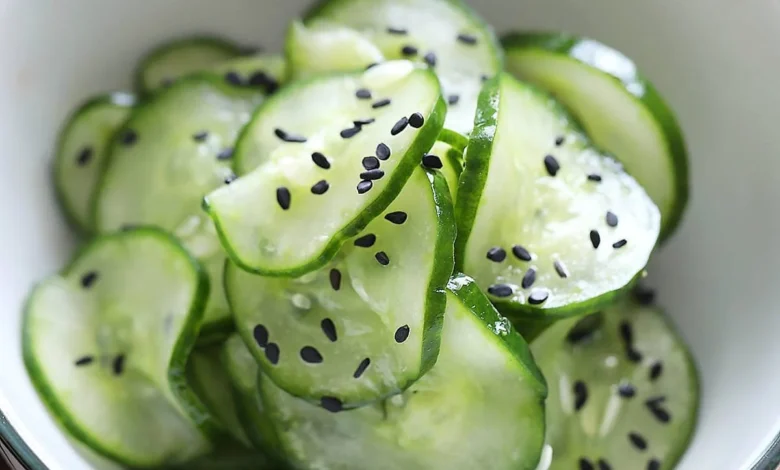
The global appreciation for Japanese gastronomy extends far beyond complex sushi preparations and intricate ramen broths. Among the most enduring staples of Japanese culinary tradition is Sunomono—a class of vinegared dishes designed to cleanse the palate and provide a refreshing counterpoint to richer, heavier proteins. At the center of this culinary sub-genre is the Japanese cucumber salad, a deceptively simple preparation that relies on precise technique, chemical science, and strict adherence to ingredient quality to achieve its signature crisp texture and balanced flavor profile.
As home cooking enthusiasts increasingly seek out authentic international recipes, the demand for foolproof methodologies to recreate restaurant-quality Japanese dishes has surged. Culinary researchers and home economists have closely examined the traditional mechanics of Sunomono preparation, highlighting that the dish’s success is dictated less by complex culinary machinery and more by an understanding of osmosis, proper salting, and ingredient selection.
Anatomy of Sunomono and the Science of Osmosis
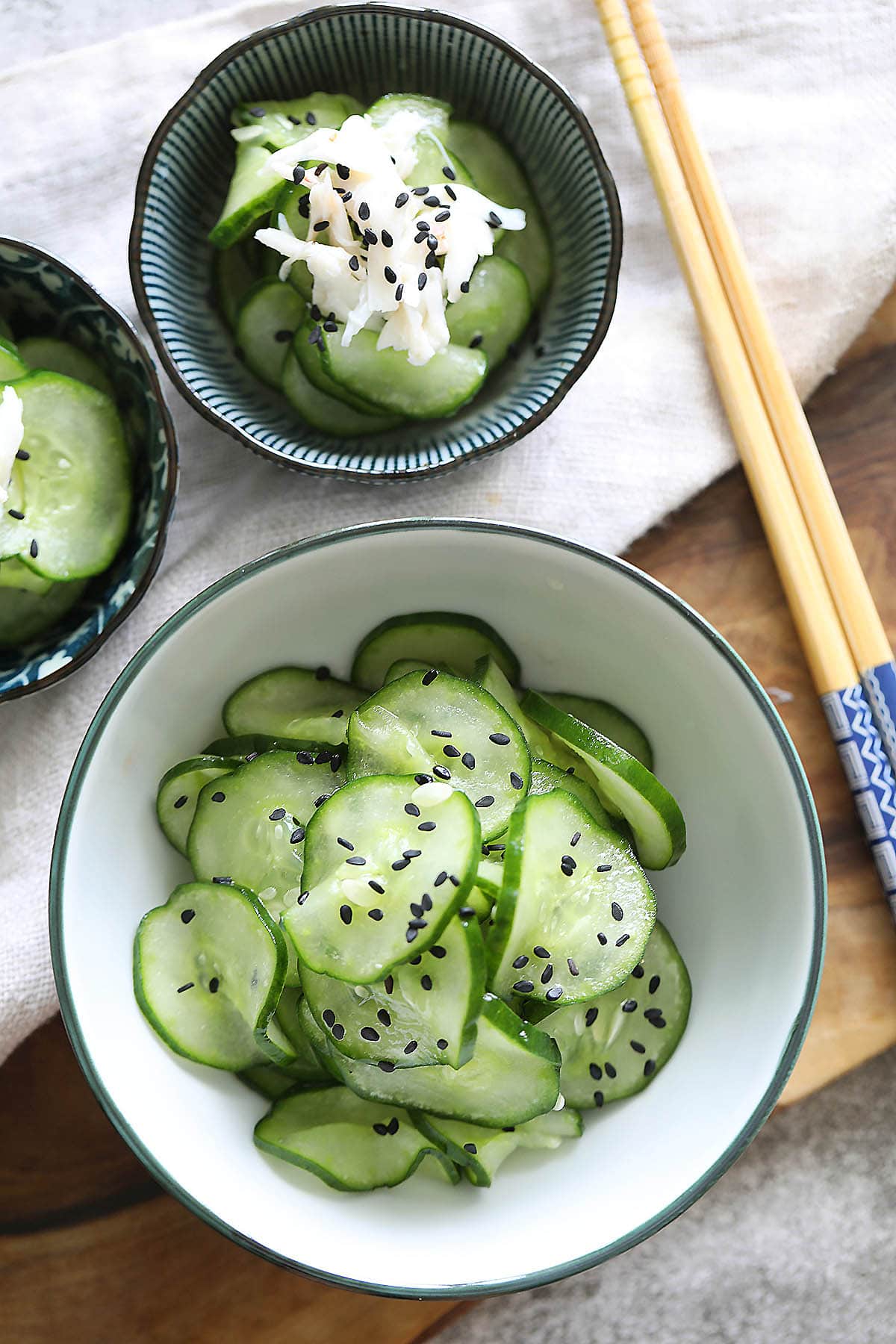
The defining characteristic of an exceptional Japanese cucumber salad is its enduring crunch. Unlike Western salads where cucumbers are tossed immediately with dressing and served, traditional Sunomono mandates a preliminary curing phase utilizing sodium chloride.
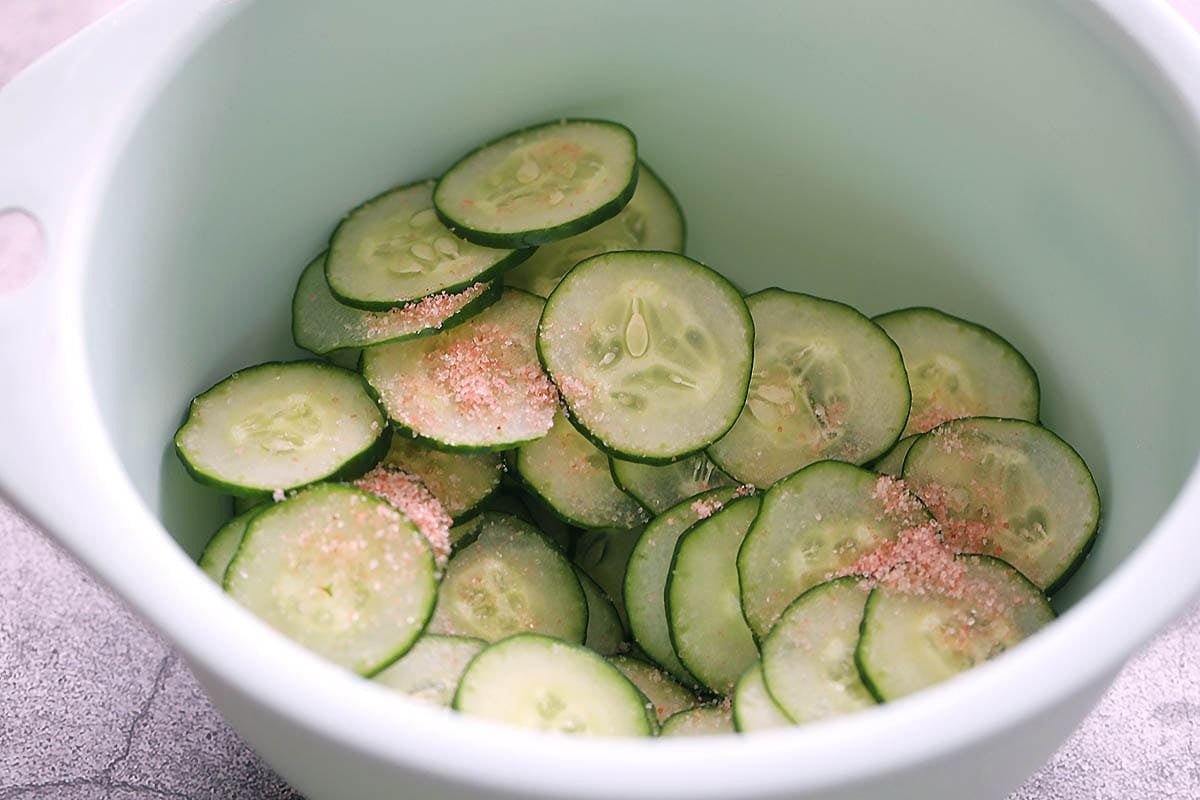
When thinly sliced cucumbers are coated in salt and allowed to rest, a process known as osmosis occurs. The hypertonic environment created by the salt draws out the excess intracellular water trapped within the cucumber tissue. This step is critical: failing to extract this moisture results in a watery dressing that dilutes the delicate sweet-and-sour balance of the vinegar mixture.
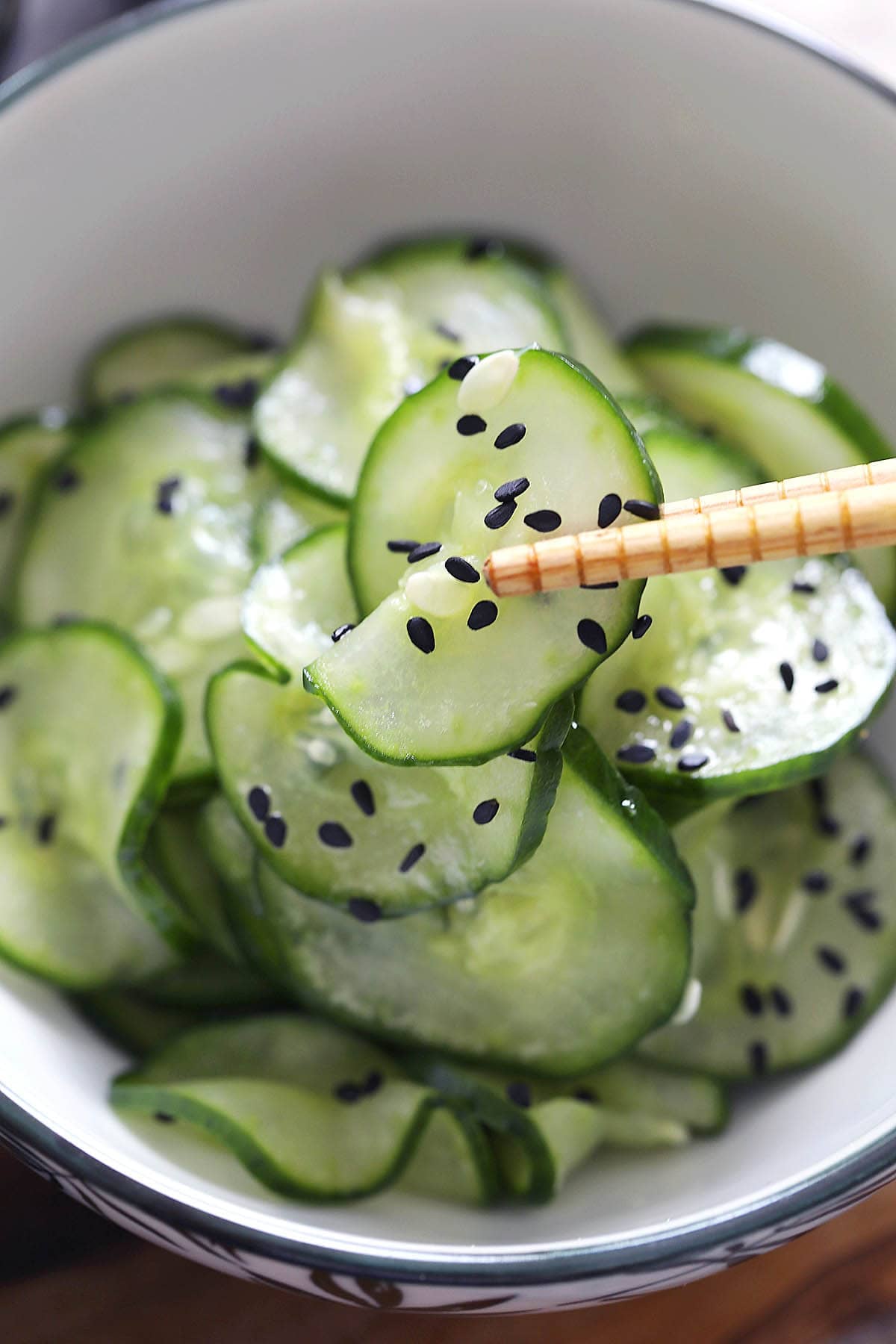
Culinary experts emphasize that the resting period should be strictly monitored—typically lasting approximately ten minutes. Prolonged exposure to salt can over-cure the vegetable, breaking down its structural integrity and transforming a crisp bite into a limp, pickled texture. Following the rest period, the cucumbers undergo a gentle manual compression. By applying firm yet delicate pressure, home cooks can expel remaining moisture without bruising or tearing the fragile rounds.
Selecting the Right Ingredients: Cucumbers and Vinegar
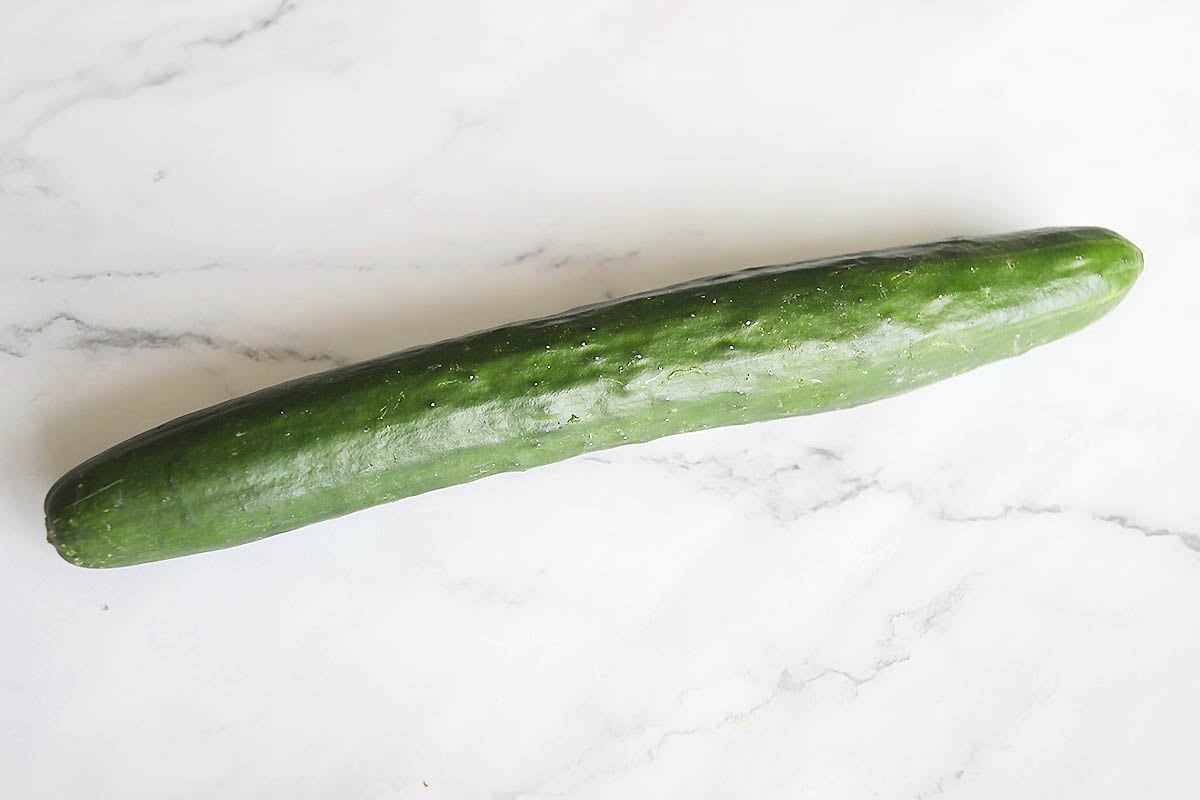
Achieving an authentic flavor profile requires meticulous ingredient sourcing. Traditional Japanese cucumbers (kyuri) are distinct from standard American slicing cucumbers. They are narrow, nearly seedless, possess a thin, edible skin devoid of bitterness, and feature tiny bumps along their exterior. These physical traits contribute to a denser flesh with significantly less water content, making them the optimal vehicle for vinegared salads. When Japanese cucumbers are unavailable, Persian cucumbers serve as an acceptable substitute due to their similar size and seedless interior.
Equally important to the final dish is the choice of acid. Authentic Japanese cucumber salad relies exclusively on rice vinegar (komezu). Unlike harsher grain vinegars or fruit-based alternatives like apple cider vinegar, Japanese rice vinegar offers a mild, clean, and subtly sweet acidity that does not overpower the fresh vegetable notes.
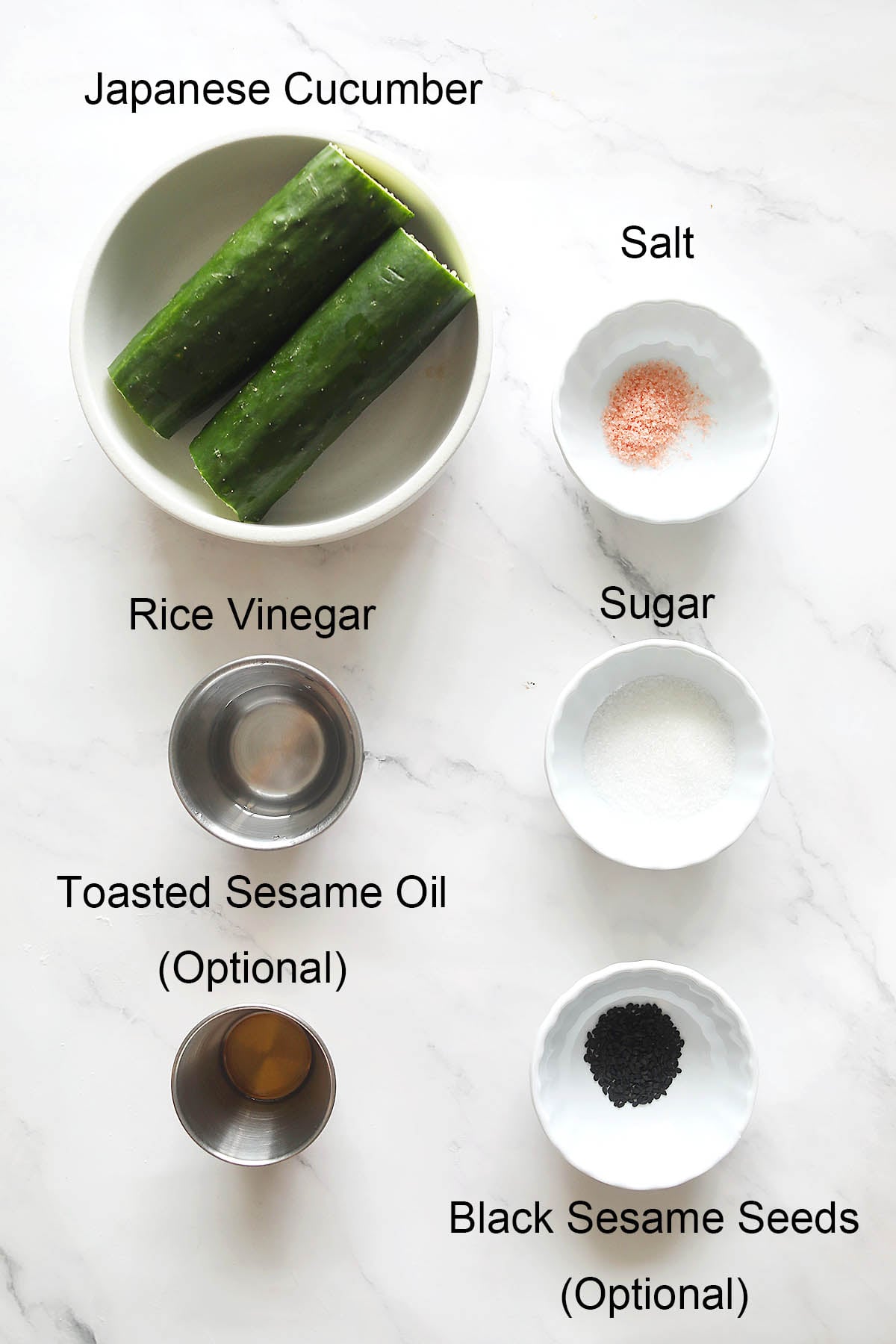
The dressing base is completed with granulated white sugar to counteract the sharp edges of the vinegar, alongside a minimal addition of dark toasted sesame oil. Culinary purists note that while toasted sesame oil imparts a warm, aromatic depth, it must be used sparingly to avoid masking the clean, crisp profile of the primary ingredients. Optional garnishes, such as toasted black sesame seeds, rehydrated wakame seaweed, or poached seafood varieties like octopus, shrimp, and imitation crab (kanikama), elevate the dish from a simple side to an izakaya-style classic.
Step-by-Step Methodological Chronology
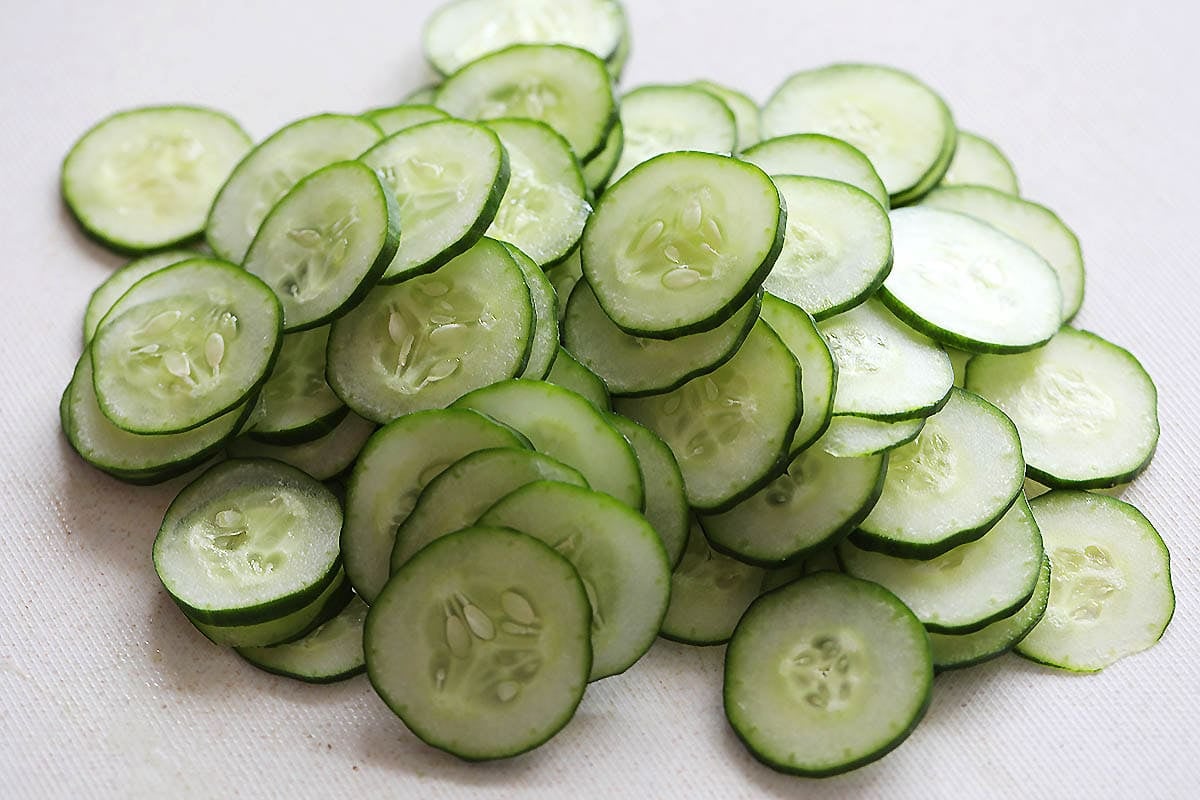
To replicate the exacting standards demanded by traditional Japanese culinary arts, preparation follows a strict chronological sequence:
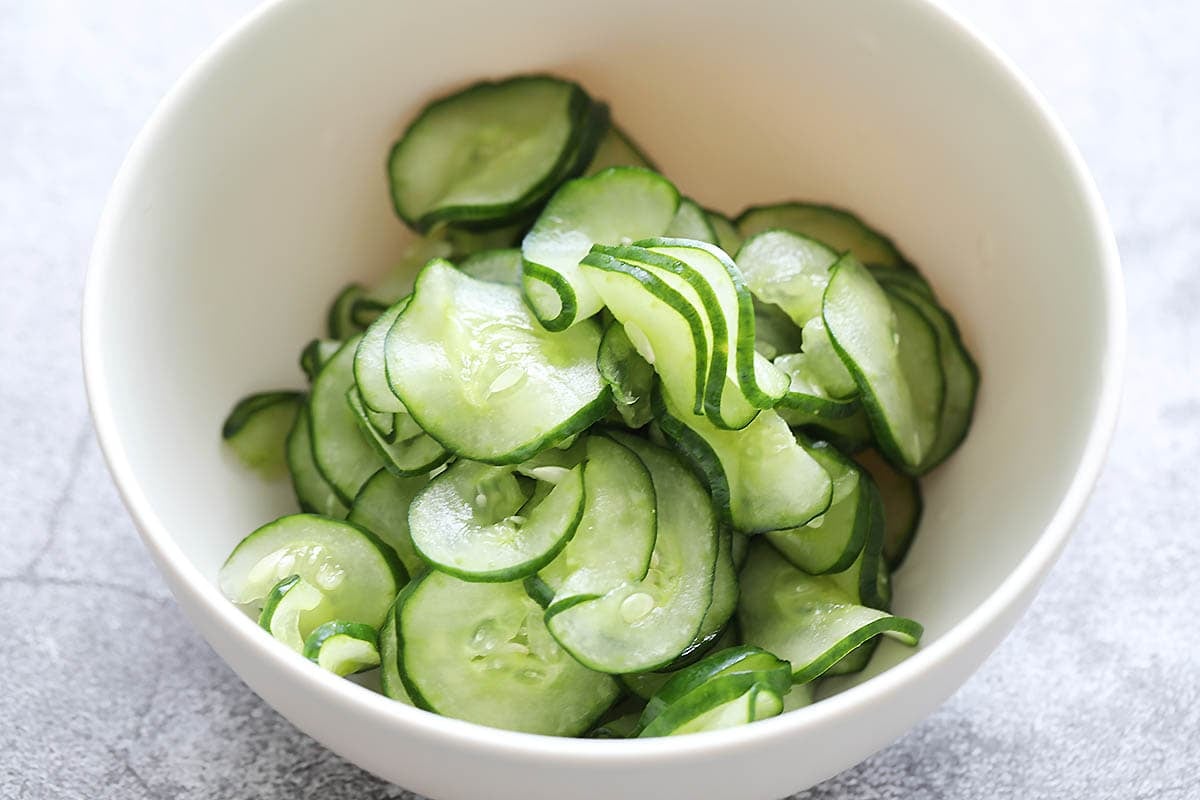
- Preparation and Slicing: Cucumbers are rinsed thoroughly and sliced into uniform, paper-thin rounds. Uniformity is paramount to ensure even curing during the salting phase.
- Salting and Osmosis: The sliced cucumbers are transferred to a mixing bowl and tossed evenly with a measured quantity of fine salt. The mixture remains undisturbed for ten minutes to facilitate moisture extraction.
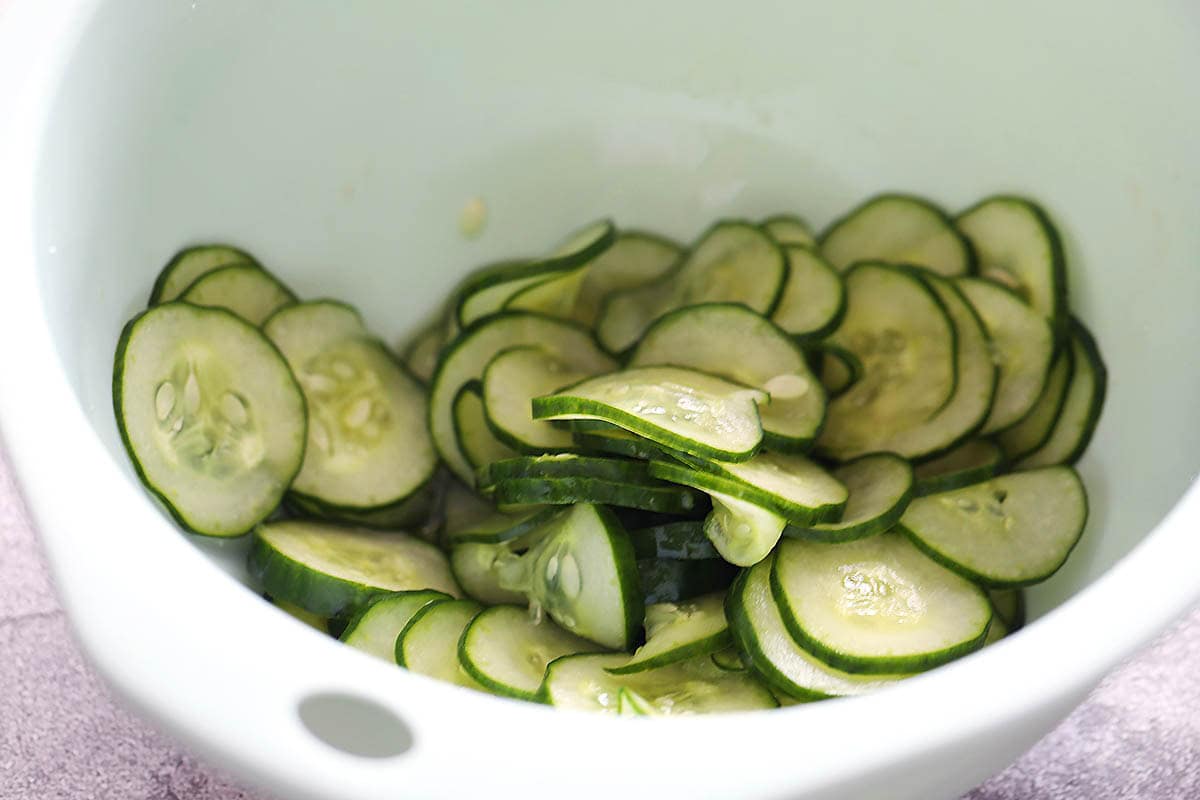
- Dehydration: Cooks gather small handfuls of the salted cucumber slices and apply a controlled, firm squeeze to evacuate surplus liquid without fracturing the cellular structure of the vegetable.
- Seasoning and Chilling: A dressing composed of rice vinegar, white sugar, and a few drops of toasted sesame oil is introduced. The mixture is stirred until the sugar is completely solubilized. The entire bowl is then placed in refrigeration for ten to twenty minutes, allowing the vinegar to lightly pickle the vegetable while ensuring an ice-cold serving temperature.
- Final Garnishing: Immediately prior to presentation, the dish is finished with a dusting of black sesame seeds and, optionally, premium crab meat or kanikama, ensuring the garnishes retain their textural integrity.
Nutritional Profile and Dietary Implications
From a nutritional standpoint, the traditional Japanese cucumber salad aligns seamlessly with modern health and wellness paradigms. Standard dietary breakdowns indicate that a typical serving contains approximately 56 kilocalories, making it an exceptionally low-calorie addition to any meal. The macronutrient distribution features roughly 9 grams of carbohydrates, 1 gram of protein, and 2 grams of total fat, with negligible saturated fats.
Dietitians frequently highlight Sunomono as an ideal side dish for individuals monitoring caloric intake or managing metabolic health. The inclusion of dietary fiber—roughly 1 gram per serving—combined with high hydration levels aids in digestion and promotes satiety. However, nutritionists note that the sodium content, driven by the initial salting and subsequent seasoning process, averages around 1,166 milligrams per serving. While much of the surface salt is discarded with the expressed cucumber water, individuals adhering to strict low-sodium regimens should account for the residual mineral content.
Broader Culinary Impact and Pairing Recommendations
The enduring popularity of Japanese cucumber salad within global dining culture underscores a broader shift toward lighter, acid-forward side dishes that complement rich or fried proteins. In traditional Japanese meal structures, which often emphasize balance among the five basic tastes—sweet, salty, sour, bitter, and umami—Sunomono provides the essential sour and refreshing element.
Food scientists and restaurant consultants analyze the psychological impact of temperature and acidity in meal pacing, noting that cold, vinegared dishes stimulate the palate, preparing it for subsequent heavier courses. Consequently, Sunomono is frequently paired with savory, umami-dense items such as pan-fried gyoza, teriyaki salmon, and rich egg-and-chicken rice bowls like oyakodon.
As culinary education continues to democratize access to authentic international recipes, the mastery of fundamental techniques like the salt-draw method ensures that home cooks can successfully replicate restaurant-grade preparations. By respecting the chemical interactions between salt, acid, and fresh produce, enthusiasts preserve the integrity of centuries-old gastronomic traditions while enjoying a versatile, healthful dish suited for modern dining preferences.